Things to Do in Morocco: Choose Experiences Before You Choose a Checklist
Updated: August 2026
Planning Morocco becomes surprisingly difficult once you begin collecting recommendations.
Marrakech has palaces and souks, Fes has its extraordinary medina, Chefchaouen appears in almost every photography collection, the Sahara promises dunes and desert camps, Essaouira offers Atlantic atmosphere, the Atlas Mountains introduce an entirely different landscape, while Rabat, Meknes, Casablanca and the southern valleys each provide another reason to extend the trip.
The usual response is to try to fit everything in.
That is often where a good Morocco holiday begins turning into an exhausting one.
The most rewarding things to do in Morocco are not simply individual attractions but contrasting experiences, and several famous destinations satisfy similar needs. A traveler who has already spent substantial time exploring the historic streets of Fes does not necessarily need every other medina at equal depth, just as someone crossing the Atlas toward the Sahara may gain more from slowing down in southern landscapes than adding another hurried city stop.
A better starting point is therefore to decide what you want to experience before deciding how many places you can collect.
Morocco works particularly well when a journey moves between different environments: an old city followed by open countryside, intense sightseeing balanced by a slower coastal stay, or architectural history contrasted with mountains and desert.
The best itinerary is rarely the one containing the greatest number of famous names. It is the one where each major experience adds something the previous one did not.
Begin by Walking Through a Medina That Still Functions as a City
A Moroccan medina is easy to describe as an attraction and difficult to understand until you are inside one.
Historic streets may contain homes, mosques, bakeries, workshops, small shops, restaurants, schools and traditional commercial areas within an urban structure created long before modern traffic. The result is not a preserved historic quarter that happens to contain tourism; in the strongest examples, everyday life and visitor activity continue occupying the same physical space.
Fes provides perhaps the deepest first encounter for travelers interested in historic urban fabric and traditional crafts, while Marrakech combines medina life with a much larger tourism and hospitality ecosystem. Other cities offer smaller or less intense variations, which means there is little value in treating every medina as a mandatory repetition of the same experience.
The operational difference matters as much as the architecture. Narrow streets can make navigation slower than maps suggest, vehicles may not reach accommodation entrances, and a day that appears geographically compact can still involve substantial walking and mental concentration.
Give at least one major medina enough time to become more than a guided walk between monuments. Once you begin recognizing streets, returning to a café or understanding how commercial areas connect, the old city stops feeling like scenery and starts behaving like a place.
Watch Craftsmanship Where the Work Still Matters
Moroccan crafts appear everywhere in tourism marketing, although buying the finished product is only one way to engage with them.
Metalwork, leather, ceramics, weaving, woodwork, plaster carving and tilework have regional histories and specialized techniques that become more interesting when travelers see how they are produced rather than encountering them only as merchandise.
Fes is particularly important within this story, although craftsmanship should not be reduced to one city or one famous tannery viewpoint. Workshops and artisan traditions exist across Morocco, and the quality of the experience depends heavily on whether the visit provides genuine explanation or simply creates a longer route toward a showroom.
There is nothing inherently wrong with shopping during a craft visit. Problems arise when commercial pressure is disguised as cultural education.
A good guide should be able to explain materials, techniques and regional differences whether or not you purchase anything afterward. Travelers interested in Morocco Cultural Discovery Tours should therefore ask how artisan visits are structured rather than assuming every workshop stop offers the same cultural value.
Experience Islamic and Imperial Architecture Without Turning It Into Decoration
Morocco’s historic architecture rewards visitors who learn to distinguish function before style.
A palace, madrasa, mosque, kasbah and royal gate may share decorative traditions, but they were built for very different purposes. When every site is introduced merely through tilework, carved plaster and geometric patterns, several days of sightseeing can begin blending into one beautifully decorated memory.
Instead, ask what the building was for.
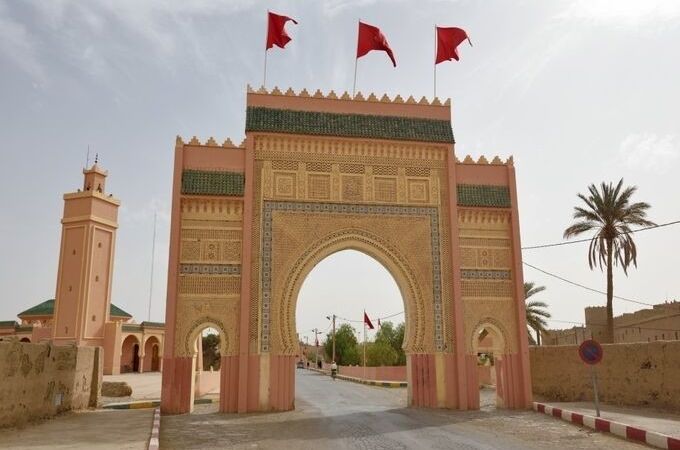
Marrakech’s palatial architecture speaks differently from educational institutions such as historic madrasas. Meknes reveals imperial ambition through monumental gates and infrastructure, while Rabat connects dynastic history with the institutions and identity of a modern capital.
This functional approach also prevents architecture from becoming a competition over which city has the most impressive ornament.
The most valuable experience is not photographing another courtyard but understanding why the courtyard exists within that particular building and what it tells you about the society that created it.
Spend a Night Near the Sahara Rather Than Merely Photographing Sand
Few Morocco experiences carry more expectation than reaching the desert.
The familiar image involves high dunes, camel silhouettes, sunset, lantern-lit camps and a sky crowded with stars, yet the real experience depends on details that photographs cannot show. Road time can be substantial, dune regions differ, camp standards vary considerably and temperatures may change sharply between afternoon and night.
This does not make the Sahara less extraordinary; it simply means the experience should be chosen deliberately.
For many travelers, one camp night provides enough time to experience late-afternoon dunes, dinner, nighttime atmosphere and sunrise. Others benefit from two nights because the additional day separates the desert itself from the logistics of arriving and leaving.
Camp comfort deserves particular attention. “Luxury” is not a standardized category, so private bathrooms, bedding, heating or cooling arrangements, dining and final transfer methods should be confirmed rather than inferred from photographs.
Our standalone Sahara content owns those planning details. Within this blog, the decision is simpler: choose a desert stay if the journey required to reach it is also something you are willing to experience.
Cross the Atlas Mountains With Enough Time to Notice the Change
The Atlas Mountains are sometimes treated as scenery separating Marrakech from destinations farther south.
That underestimates them.
Mountain roads, valleys, villages, elevation changes and seasonal conditions create one of Morocco’s strongest geographical contrasts, particularly for travelers whose first days have been dominated by cities.
The experience can range from scenic driving and village visits to substantial walking or trekking, which is why “visit the Atlas Mountains” is not a single standardized activity. Physical ability, weather, road conditions and available time should determine what kind of mountain experience makes sense.
The greatest value often comes from the transition itself.
Urban density gradually gives way to open terrain, vegetation changes with altitude and the landscape begins explaining why moving across Morocco can take longer than the distance on a map initially suggests.
For travelers interested primarily in walking, the mountains deserve dedicated time rather than being squeezed into a scenic stop on the way somewhere else.
Let Southern Morocco Become Part of the Journey to the Desert
The road toward the Sahara should not be treated as dead time between Marrakech and the dunes.
Southern Morocco introduces kasbah architecture, oasis landscapes, valleys, rocky terrain and settlements shaped by very different environmental conditions from the northern imperial cities. Places around Ouarzazate and the routes extending farther east and south can therefore provide some of the strongest geographical storytelling in a longer journey.
The operational lesson is important because desert itineraries frequently look inefficient when judged only by driving hours.
A well-designed route uses those hours to create progression. The landscape becomes increasingly arid, settlements change and the eventual arrival at the dunes feels connected to everything that came before.
A poorly designed route simply moves passengers for long periods while treating every intermediate stop as a photograph.
The difference lies in pacing and explanation rather than mileage.
Eat Beyond the Dishes You Already Know by Name
Tagine and couscous are obvious starting points, but Moroccan food becomes more interesting once travelers stop treating national cuisine as a short list of famous dishes.
Regional ingredients, cooking methods, breads, soups, grilled foods, pastries and market products change according to geography and local traditions. Coastal cities naturally introduce different possibilities from inland destinations, while everyday meals may bear little resemblance to elaborate restaurant presentations designed for visitors.
Food experiences also work at different levels.
A market visit can explain ingredients, a cooking experience can reveal technique, a family-style meal can emphasize hospitality, and a contemporary restaurant can show how Moroccan culinary traditions are being interpreted in modern urban settings.
Not every meal needs to become an organized cultural activity, however. Sometimes the best decision is simply asking a knowledgeable local guide where they would eat nearby if they were not working.
Give Moroccan Tea Enough Time to Stop Being a Photo Prop
Mint tea is so visually associated with Morocco that it risks becoming another object to photograph.
Its value is more social than decorative.
Tea appears during hospitality, shopping, conversations and pauses throughout the day, and accepting the slower rhythm surrounding it can reveal something about how time functions differently from a tightly scheduled sightseeing program.
This does not mean every offered glass carries profound cultural significance, particularly in commercial environments where tea may accompany a sales conversation.
Context matters.
What makes the experience worthwhile is allowing some interactions to unfold without immediately checking how many minutes remain before the next attraction.
A country cannot be understood entirely between timed admission slots.
Sleep in a Riad at Least Once if the Property Suits You
Traditional accommodation can become one of Morocco’s most distinctive experiences because architecture changes the relationship between the hotel and the city.
A riad organized around an internal courtyard may feel remarkably quiet despite sitting inside a busy medina, and rooftop terraces, traditional materials and smaller room counts can create an atmosphere very different from a conventional international hotel.
The romantic image needs operational context.
Some properties are deep inside pedestrian lanes, stairs may be unavoidable, elevators can be absent and vehicle transfers may end several minutes from the entrance. These details matter particularly for families, older travelers, guests with mobility limitations and anyone carrying substantial luggage.
Staying in a riad should therefore be a comfort decision as well as an aesthetic one.
If the logistics work for you, it can deepen the old-city experience. If they do not, a modern hotel does not make your Morocco journey culturally inferior.
See the Atlantic From a City That Actually Lives Beside It
Morocco’s Atlantic coast provides a change in atmosphere that can be especially valuable after intensive inland sightseeing.
Essaouira combines historic character with a working harbor, sea air and a slower rhythm, while Agadir serves travelers seeking a more resort-oriented coastal experience. Casablanca provides yet another interpretation, where the Atlantic belongs to a large modern metropolis rather than a traditional coastal escape.
These destinations should not be treated as interchangeable simply because they share an ocean.
The useful question is what you want the coast to do for the itinerary.
If you need a slower cultural stay after several medinas, one coastal environment may fit particularly well. If swimming, hotel facilities and leisure are the priority, another becomes more logical. If contemporary urban Morocco is the objective, the coast forms only one part of a much larger city experience.
This is precisely why experience selection should come before destination collection.
Spend Time in Morocco After the Monument Closes
Travel itineraries naturally organize cities around opening hours.
Local life does not.
Evenings can completely change the atmosphere of public squares, restaurant districts, medina streets and waterfront areas, particularly after day visitors have departed or daytime heat has eased. Staying overnight rather than treating every destination as a transit stop often reveals a side of the place that sightseeing schedules miss.
This does not mean every town deserves two nights.
It means travelers should identify which environments they most want to experience after the formal touring day ends.
Marrakech around evening does not feel like Marrakech at 10:00 in the morning, just as a desert camp after dark cannot be understood from a midday photograph.
Overnight selection is therefore part of experience design, not merely hotel logistics.
Allow One Contemporary Moroccan City Into the Story
Historic Morocco is so compelling that first-time itineraries can accidentally make the country appear frozen in the past.
Including contemporary urban life corrects that imbalance.
Casablanca provides the clearest large-metropolitan example, while Rabat combines its role as the national capital with substantial historical heritage. Marrakech and other cities also contain modern districts beyond the areas most heavily visited by tourists.
Spend some time there.
Modern cafés, universities, offices, galleries, restaurants, shopping districts and residential neighborhoods belong to Morocco just as much as medinas and kasbahs do.
A journey becomes more complete when the country is allowed to have a present as well as a past.
Hear the Story Before Trying to Photograph Everything
Morocco is exceptionally photogenic, which can create an unexpected problem: visitors sometimes begin documenting before they understand what they are looking at.
A guide explaining why a building was constructed, how a craft developed or what a neighborhood represents can change the photographs you choose to take afterward.
This is especially relevant around people.
Markets and traditional neighborhoods are not sets populated by anonymous photographic subjects, and permission should be considered when taking close or identifiable portraits. In some highly touristed settings, photographed performers may also expect payment.
Our photography blog will own the detailed technical and etiquette guidance. The broader principle belongs here because it applies to the entire trip: observation should occasionally come before documentation.
Choose a Hammam According to the Experience You Actually Want
A hammam can range from a traditional public bathing environment to a refined private spa treatment, and travelers should not assume that one version is inherently more authentic than another.
Privacy expectations, comfort level and familiarity with the process matter.
Someone curious about traditional daily practices may appreciate a more local environment, while another traveler may prefer a clearly structured spa experience with private treatment and familiar service standards.
Research what is included rather than booking based on the word “hammam.”
The same principle applies across Morocco: cultural experiences become more satisfying when travelers understand what they are agreeing to rather than discovering the format after arrival.
Walk Through Chefchaouen Without Making Blue the Only Reason You Came
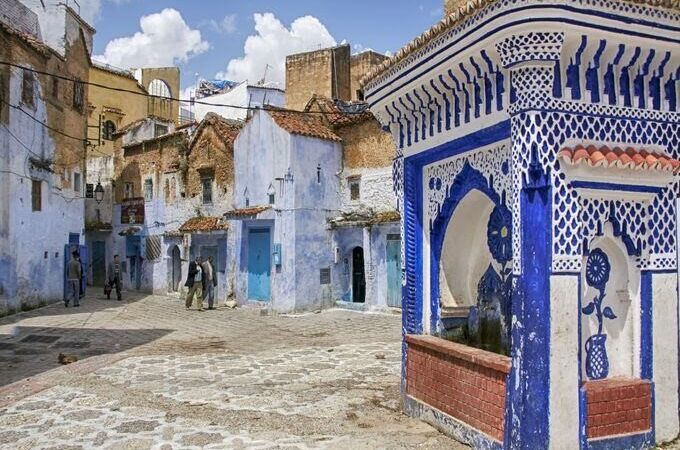
Chefchaouen’s visual identity has become so internationally recognizable that photography can overwhelm the experience before visitors arrive.
The blue-painted streets are undeniably part of its appeal, but the Rif Mountain setting, smaller-town rhythm and relationship between residential and visitor spaces give the destination context that photographs alone cannot provide.
The town is best enjoyed without turning every doorway into a photoshoot.
Allow time for walking without constantly searching for the most saturated blue lane, and remember that attractive façades may still be private homes.
Our standalone Chefchaouen blog owns the destination detail. Within the Morocco experience cluster, Chefchaouen represents something broader: the value of experiencing a smaller urban environment after the intensity of larger cities.
Understand Morocco Through Contrasts Rather Than Rankings
The strongest Morocco trips often contain places that would make little sense if evaluated by the same criteria.
A medina cannot be ranked fairly against a desert camp, and a mountain village does not need to compete with an imperial palace. Their value comes partly from following one another.
That makes experience contrast a better planning tool than another top-ten list.
| If your trip already includes... | Consider adding... | What the contrast contributes |
|---|---|---|
| Two intensive medina stays | Atlantic coast | Open space, sea air and a slower daily rhythm |
| Several historic cities | Atlas Mountains | Landscape, elevation and rural context |
| Marrakech and Fes | Sahara | A complete environmental change |
| Desert and southern road travel | Rabat or Casablanca | Contemporary urban Morocco |
| Large cities | Chefchaouen or a smaller town | Reduced scale and different street rhythm |
| Heavy sightseeing | Riad or coastal downtime | Time that does not require another attraction |
| Architecture-focused touring | Food or craft experience | Human process rather than another monument |
| Mostly guided touring | Independent neighborhood time | Space to absorb what you have already learned |
The table is intentionally not a ranking of destinations. Its purpose is to identify what kind of contrast is missing from the trip, which is often a much more useful question than deciding which famous place deserves position number seven.
Leave Space for Something You Did Not Research
Research improves travel until it begins controlling every hour.
Morocco rewards preparation because distances, accommodation access, weather, religious practices and transport logistics can materially affect the trip, yet some of its strongest experiences remain difficult to schedule precisely.
A conversation becomes longer than expected. Lunch takes an extra hour. A workshop is interesting enough that nobody wants to leave. A view from a terrace changes the afternoon plan, or the group is simply tired and decides that tea is more appealing than another monument.
These moments are not itinerary failures.
They are often evidence that the itinerary had enough flexibility to accommodate the actual people traveling.
Travelers choosing Customized Morocco Travel Experiences should therefore think beyond adding and removing destinations. Genuine customization includes controlling pace, reducing unnecessary hotel changes and protecting unscheduled time rather than merely rearranging the same standard sightseeing list.
Which Morocco Experiences Deserve Priority on a First Trip?
For a first visit, aim for contrast rather than completeness.
One substantial medina experience provides historic urban depth, a different landscape such as the Atlas or Sahara expands the geographical picture, architectural and craft encounters add cultural context, while either a coastal or contemporary-city experience prevents the itinerary from becoming one continuous sequence of old-city sightseeing.
You do not need every version of everything.
Three medinas are not automatically three times better than one, and sleeping in a desert camp does not become more meaningful because you also scheduled every viewpoint along the road.
Morocco contains enough variety that leaving something for another journey should not feel like failure.
It may be the decision that makes the first trip better.
12 Questions That Help You Choose What to Do in Morocco
1. What experience should a first-time visitor prioritize in Morocco?
A substantial medina experience is an excellent starting point because it combines architecture, markets, food, craftsmanship and everyday urban life. The rest of the journey should then add contrasting environments rather than repeating similar historic-city experiences in every destination.
2. Do I need to visit both Marrakech and Fes?
Not necessarily, although they provide distinctly different medina experiences and can work very well together. Travelers with limited time may choose one and use the saved days for mountains, desert or coast, particularly when geographical variety matters more than urban depth.
3. Is sleeping in the Sahara worth the long journey?
It can be one of Morocco’s strongest experiences when travelers also appreciate the southern landscapes and road journey required to reach the dunes. Those who dislike long drives should evaluate the complete route rather than judging the desert solely from camp photographs.
4. Should I include both the Atlas Mountains and Sahara?
They provide very different landscapes, so including both does not create natural duplication. Whether both belong in the same trip depends more on available time, road tolerance and whether mountains are a genuine interest rather than another location added to a checklist.
5. Is a riad stay essential for experiencing Morocco?
No, although staying in a well-chosen riad can deepen a medina visit through traditional architecture and location. Travelers who need elevators, easy vehicle access, larger rooms or conventional facilities should choose accommodation according to practical comfort rather than perceived authenticity.
6. Are Morocco's coastal cities mainly for beach holidays?
No. Essaouira combines coastal atmosphere with historic and cultural character, Casablanca is a major modern metropolis beside the Atlantic, while Agadir has a stronger resort orientation. Choosing between them depends on whether you want culture, urban life or leisure from the coast.
7. Is it worth arranging a Moroccan cooking experience?
Yes, particularly for travelers interested in understanding ingredients and preparation rather than only eating finished dishes. A good experience should add culinary context that ordinary restaurant meals do not provide, rather than functioning primarily as another staged tourism activity.
8. How many medinas should I include in one Morocco trip?
There is no ideal number, although repetition becomes a risk when several historic cities receive identical sightseeing treatment. Two medinas with clearly different character can provide more value than four hurried visits that gradually become difficult to distinguish from one another.
9. Should I book a private guide in Morocco?
Guides add the most value where historical context, navigation or cultural interpretation genuinely improves the experience. Many travelers benefit from guided introductions in complex destinations followed by independent time, rather than assuming every day must be either completely guided or completely independent.
10. Is shopping an essential part of visiting Morocco?
No, although traditional commercial areas are important parts of many medinas even when you purchase nothing. Travelers can appreciate craftsmanship, market organization and local products without turning every cultural encounter into a shopping stop or feeling obligated to negotiate for souvenirs.
11. What should I avoid putting into an already busy Morocco itinerary?
Avoid adding another destination simply because it is famous when it duplicates an experience already well represented. Additional hotel changes and road hours can reduce the time available to enjoy the places you deliberately chose, particularly on shorter first visits.
12. What makes a Morocco itinerary feel genuinely varied?
The strongest variety comes from changing the nature of the experience rather than simply changing city names. Combining historic urban life with landscapes, food, craftsmanship, contemporary Morocco and slower periods usually creates greater contrast than visiting a long sequence of famous monuments.

A travel professional specializing in tailor-made travel planning, guest experience management, and multi-destination tourism operations.
With over 23 years of experience in the travel industry, he designs and manages private and cultural tours for international travelers across Türkiye, Greece, Egypt, Jordan, Morocco, and other destinations.
He has strong expertise in both online and face-to-face guest communication, sales processes, and end-to-end travel operations.
Working closely with hotels, travel agencies, and local partners, he ensures smooth coordination and high-quality travel experiences at every stage of the journey.
His focus is on delivering personalized, reliable, and seamless travel experiences for international guests worldwide.