Morocco With Kids Works Better When the Itinerary Stops Behaving Like an Adult Trip
Updated: August 2026
Morocco can be a wonderful family destination, but the strongest family trips are rarely standard adult itineraries with two children added to the rooming list.
Parents often begin with an ambitious cultural plan because Morocco offers so much variety: Marrakech, Fes, Chefchaouen, the Atlas Mountains, the Sahara, coastal towns and historic cities all seem sufficiently different to justify inclusion. On a map, the route can look manageable; in reality, children experience the same schedule through a completely different energy system.
A five-hour road day followed by sightseeing may feel reasonable to adults who have spent months researching the trip, while a child experiences it as five hours sitting still before being asked to become enthusiastic about another historic building. A beautiful riad may delight the parents but become inconvenient when the room is reached by several flights of stairs, while an atmospheric medina hotel may complicate stroller access or luggage handling in ways that were invisible on the booking page.
The solution is not removing culture and replacing the holiday with pools.
It is designing cultural travel around family energy, predictable transitions and enough recovery time that curiosity survives the whole trip.
When Morocco works well for children, it often works better for adults too.
The First Family Decision Is How Often Everyone Has to Pack
Hotel changes have a larger cost for families than they do for couples.
Packing one suitcase is mildly annoying. Packing several suitcases, checking that chargers and toys have not disappeared beneath beds, organizing children’s clothing, retrieving toiletries and making sure nobody has left a favorite object behind turns each checkout morning into a small operation.
This is why one-night stays deserve more scrutiny on a family itinerary.
A one-night stop can still make sense when it divides a long road journey or places the family close to something important, but several consecutive single-night stays usually create more disruption than adults expect.
Two- and three-night bases often work better because children gain familiarity, parents stop managing luggage every morning and the hotel begins functioning as a temporary home rather than a repeated transit point.
The practical question is not how many destinations the family can reach.
It is how many transitions everyone can tolerate before the trip starts feeling like constant departure.
Children Notice Different Things From Adults, Which Is Useful
Parents sometimes worry that children will become bored by Morocco’s historical depth.
That concern is understandable and often overstated.
Children may not care deeply about dynastic chronology, but they notice color, movement, animals, food preparation, workshops, street sounds, architecture, market activity and the physical scale of places in ways adults sometimes overlook.
A leather workshop may hold attention better than a long palace explanation. A child may remember bread being baked, cats sleeping in a doorway or a craftsman hammering metal more vividly than a monument the adults considered the day’s cultural highlight.
This should influence guiding style.
Family-focused interpretation works better when historical explanation is shorter, more visual and connected to something the child can actually see, touch or imagine. The objective is not simplifying Morocco until nothing remains educational; it is presenting context in a way that does not require every family member to enjoy information in the same format.
Medina Days Need an Exit Plan Before They Need a Longer Checklist
Marrakech and Fes can be fascinating for families, but medina fatigue is real.
Narrow lanes, crowds, motorcycles, shopping, sounds, heat, navigation and constant visual stimulation can gradually wear children down even when they appeared excited during the first hour. Parents often notice the problem only when everyone reaches the point where lunch is already too late.
A better family medina day has a natural exit point.
Perhaps the guided sightseeing finishes before lunch, followed by hotel time and an optional return later. Maybe one major historical visit is combined with markets and a longer meal rather than attempting to complete every famous sight in the same morning.
The central rule is that the family should be able to stop before the day becomes unpleasant.
Travelers considering Private Morocco Family Tours should therefore look for flexible daily schedules rather than programs where six attractions remain compulsory regardless of how everyone is feeling at 15:00.
Strollers and Historic Medinas Have an Uneasy Relationship
A stroller can be extremely useful during parts of a family holiday, but historic Morocco does not provide uniformly stroller-friendly surfaces.
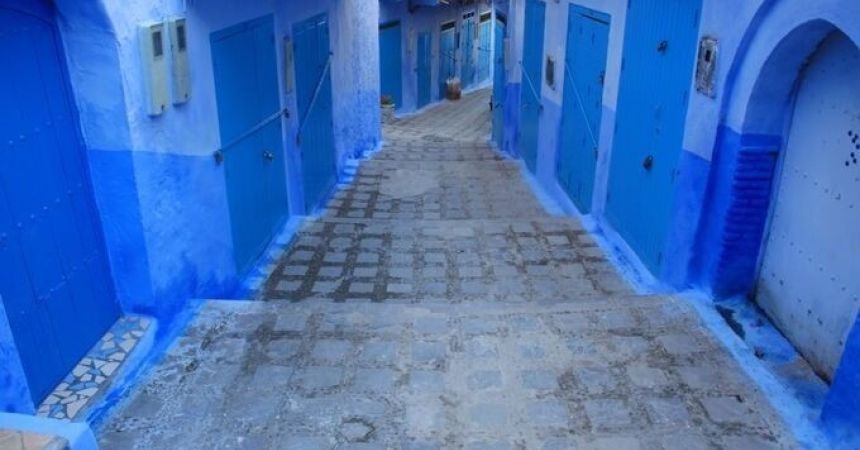
Steps, uneven paving, narrow passages and crowded commercial lanes can make wheels awkward in some medina areas, while other parts remain perfectly manageable.
Parents traveling with younger children should therefore think in terms of where the stroller helps and where another solution may be easier, rather than assuming it must work everywhere or should be abandoned completely.
Accommodation location matters enormously here.
A riad deep inside a pedestrian area may require carrying a sleeping child, folding the stroller and managing luggage through narrow lanes before the family even reaches reception. Another property closer to vehicle access may sacrifice a little atmospheric isolation while making every arrival and departure much easier.
Convenience has particular value when a child has already fallen asleep in transit.
Riads Can Be Magical for Children and Difficult for Parents at the Same Time
Traditional riads offer enclosed courtyards, decorative architecture and a sense of place that modern hotels cannot always reproduce.
Children may love the building itself.
Parents need to inspect the practical details.
Are there many stairs? Is the courtyard pool unfenced? Can the room comfortably accommodate the family? Is there space for an additional bed without turning the room into an obstacle course? How far is the nearest vehicle access point? Does the property serve early breakfast if the family needs to depart?
These questions are more important than star rating.
A beautiful property can be an excellent family choice when the layout works and a poor one when it does not.
The strongest approach is often to mix accommodation styles across the trip rather than insisting that every night must deliver identical atmosphere.
Pools Are Not a Cultural Failure
Parents sometimes hesitate to schedule hotel pool time because the trip to Morocco was intended to be educational and culturally rich.
Children are still on holiday.
An hour in the pool can restore enough energy for a relaxed evening walk or enjoyable dinner, while another museum visited purely because it was “important” may reduce enthusiasm for the following day as well.
Pools become particularly valuable during warmer months and after road-heavy days.
This does not mean every hotel must have one, nor that families should choose properties solely around resort facilities. It means recovery is part of itinerary design, and children often recover physically rather than intellectually.
Adults may prefer tea on a terrace.
Children may need water and space to move.
Both can be valid cultural-tour recovery strategies.
Morocco Road Trips Need to Be Measured in Child Hours
Adults usually ask how many kilometers lie between destinations.
Parents should also ask how many hours a child will remain inside the vehicle before something interesting happens.
A long southern road day can work well when broken naturally with scenery, meals, short visits and bathroom stops. The same duration becomes much harder when the family is told to sit quietly until the next city.
Children also respond differently to winding mountain roads and motion, particularly through parts of the Atlas.
Families prone to motion sickness should prepare appropriately and avoid building an itinerary where every difficult road day is followed immediately by another early departure.
The road itself can become part of the adventure, but only when children experience it as movement through changing landscapes rather than prolonged confinement.
The Sahara Is Often a Family Highlight, but the Road Comes First
The idea of sleeping in the desert is easy to sell to children.
Camels, dunes, camp tents and stars are tangible and exciting in a way that another historic monument may not be.
The logistical question is how the family reaches the desert.
Major dune regions can require substantial overland travel, which means the Sahara should be evaluated as a multi-day family experience rather than one exciting camp night floating independently at the end of the route.
The camp standard also matters.
Parents should understand bathroom arrangements, bedding, seasonal temperatures and how luggage reaches the camp, while camel riding should be treated as optional where alternatives exist and suitability should be judged individually.
A child who dislikes riding does not need to be persuaded simply because camel silhouettes appear on every Morocco brochure.
Younger Children and Teenagers Need Different Moroccos
Families sometimes plan “for children” as though a six-year-old and a sixteen-year-old have similar travel needs.
They do not.
Younger children often benefit from shorter historical explanations, more frequent breaks, predictable meals and enough physical play. Teenagers may tolerate longer days but become frustrated by excessive family structure or repeated shopping they did not choose.
Teenagers can also engage much more deeply with contemporary Morocco, photography, food, music, design and questions about how young people live, study and socialize.
For this reason, older children should be invited into some trip decisions.
Choosing a restaurant, selecting one optional experience or controlling part of a free afternoon gives teenagers ownership over the journey without requiring the entire itinerary to revolve around them.
Food Problems Usually Begin With Timing Before They Begin With Cuisine
Moroccan food can be very family-friendly, particularly when children are comfortable with grilled meats, bread, rice, couscous, simple tagines, pastries and fruit.
The bigger problem is often meal timing.
Adults can tolerate sightseeing for another forty-five minutes because a historical site is interesting. Hungry children usually do not become more culturally curious while waiting.
Parents should carry simple snacks, particularly on road days or during sightseeing periods where lunch timing may move. Families with allergies or strong dietary restrictions should communicate those needs clearly in advance rather than assuming every restaurant will interpret requirements identically.
Children who are cautious eaters also benefit from variety.
Not every dinner needs to prove that the family is fully immersed in Moroccan cuisine.
A familiar meal occasionally can preserve enthusiasm for trying something new the following day.
Breakfast Matters More on Family Touring Days
Adults sometimes skip breakfast because coffee appears sufficient until lunchtime.
Children usually expose the weakness of that strategy quickly.
Before an early sightseeing or transfer day, confirm breakfast timing with the hotel. Riads and smaller properties may have different service arrangements from large hotels, and very early departures may require advance coordination.
On road days, breakfast and snack planning should happen before leaving the hotel rather than after everyone becomes hungry in a location with limited options.
Food is one of the simplest operational variables to control.
Poor timing makes it unnecessarily complicated.
Heat Changes Children’s Behavior Before Adults Admit the Day Is Too Hot
Families traveling during warmer months need to be more conservative about heat than adults planning for themselves.
Children may appear energetic in the morning and deteriorate quickly once several hours of walking, sun and sensory stimulation accumulate. By the time parents recognize the problem, the easiest part of the day may already have passed.
Earlier sightseeing, longer midday hotel breaks and later-afternoon activity can make summer travel much more comfortable.
This is especially useful in Marrakech and other inland regions where midday conditions may become demanding.
The family does not need to “win” against the temperature.
A successful summer itinerary adapts before discomfort begins.
A Family Guide Should Know When to Stop Talking
Good family guiding is a specialist skill.
Knowledge alone is not enough.
A guide may know extraordinary detail about a palace, but if a child stopped listening eight minutes ago, another twelve minutes of information adds nothing. Strong family guides recognize when to shorten explanations, ask questions, point out visual details and allow the group to keep moving.
Parents should not feel embarrassed when children lose concentration.
The itinerary needs to accommodate reality rather than insisting everyone behaves like adult history enthusiasts.
Travelers choosing Morocco Family Cultural Journeys should therefore value guides who can adjust pacing in real time rather than simply deliver the same script used for adult groups.
Shopping With Children Needs Boundaries Before the Souk Begins
Moroccan markets can be visually fascinating to children, but shopping can become tiring when adults spend long periods negotiating over carpets, leather goods or ceramics.
If substantial shopping is important, divide responsibility where possible or plan it during a period when children have another option.
Parents should also explain beforehand that not every object being touched is going home.
This sounds obvious until a child discovers a brightly colored item in the first ten minutes of a four-hour medina day and begins treating it as the central diplomatic issue of the holiday.
Family shopping works better when adults decide how much of the day they genuinely want to dedicate to purchasing.
The souk itself remains interesting even when nobody buys anything.
Animals Need More Thought Than Excitement
Children naturally notice animals during Morocco travel, whether in streets, rural environments or tourism activities.
Parents should supervise interaction and avoid assuming that every animal encounter is designed for safe child participation. Hygiene, animal welfare and the child’s comfort all matter.
Camel experiences in desert regions deserve particular judgment because riding height and movement can feel very different from what a child imagined.
If a child is frightened, forcing the activity rarely improves the holiday.
A photograph of everyone on camels is not more valuable than a child feeling secure.
Older Children Can Handle More History When the Story Has a Human Scale
Teenagers and older school-age children often engage well with Morocco’s history when it is connected to individuals, trade, power, architecture or daily life rather than presented as a continuous sequence of dynasty names and dates.
Meknes becomes more interesting when imperial ambition is explained through enormous stables and gates. Fes becomes easier to understand through craftsmanship and education, while Rabat can introduce the relationship between historical monarchy and contemporary national institutions.
Historical interpretation works best when the question is not “How much can the guide teach?”
It is “What will this child still remember tomorrow?”
That is a higher standard.
Families Should Not Be Afraid of Free Afternoons
An unscheduled afternoon can look strangely empty in a detailed itinerary, particularly after parents have spent substantial money on international flights.
In practice, family free time often produces some of the trip’s most useful recovery.
Children can swim, rest, play, watch something familiar or simply stop processing new information. Parents gain time to reorganize luggage, have a quieter meal or return independently to somewhere that caught their attention earlier.
This pause also protects the next touring day.
Travelers who remove all downtime because Morocco feels too important to “waste” may discover that the family eventually creates unscheduled downtime itself through exhaustion.
It is better to schedule recovery before recovery becomes compulsory.
Evening Plans Should Be Optional More Often Than Adults Expect
Parents frequently design an evening because they assume the family will want to continue after dinner.
After a full day, enthusiasm can change quickly.
A flexible evening might involve a short walk, rooftop drink, market visit or early return to the hotel, with the final choice made according to energy rather than obligation.
This is one of the simplest advantages of Customized Morocco Family Holidays.
Customization should allow an optional evening to disappear without the family feeling that money has been lost or the itinerary has failed.
Children do not care that the program technically promised another experience at 20:30.
Sometimes sleep is the correct experience.
A Family-Friendly Itinerary Is Built Around Pressure Points, Not Attractions
Rather than ranking destinations or ages, the most useful comparison is to identify where family pressure accumulates and what design choice reduces it:
| Family pressure point | What usually causes it | Better itinerary response | What not to do |
|---|---|---|---|
| Morning stress | Frequent hotel changes | More multi-night stays | Pack and check out every day |
| Medina fatigue | Crowds, heat, long guiding | Shorter guided blocks and planned exits | Schedule every monument consecutively |
| Road boredom | Long uninterrupted transfers | Scenic stops, meals and activity breaks | Judge the day only by kilometers |
| Hunger | Uncertain meal timing | Snacks and predictable lunch windows | Wait until everyone is already hungry |
| Heat exhaustion | Midday walking | Earlier touring and hotel recovery | Preserve the same schedule year-round |
| Parent fatigue | Continuous supervision and logistics | Hotels with practical facilities | Choose atmosphere over function every night |
| Child boredom | Adult-style historical interpretation | Visual stories and varied activity | Increase explanation because the site is important |
| Teen frustration | No personal choices | Give ownership over selected decisions | Treat teenagers like younger children |
| Desert discomfort | Road time and camp mismatch | Confirm comfort and transfer details | Focus only on camel photos |
| Evening meltdowns | Full day followed by compulsory program | Keep some evenings flexible | Assume energy remains constant |
This table has a completely different role from our previous Morocco tables: it is not ranking destinations, seasons, prices or transport methods, but showing where family travel typically fails operationally and how itinerary design prevents the failure.
Families With Young Children Usually Need Fewer Bases
A toddler or young school-age child does not necessarily need a shorter international holiday.
They often need a more stable one.
Fewer hotels allow familiar bedtime routines, reduce luggage movement and provide enough time for children to recognize the environment before leaving it again. This can be especially important when a child is already coping with time-zone changes or unfamiliar food.
Parents may worry that using fewer bases means missing Morocco.
In reality, children often experience a destination more deeply when they are not continually moving to the next one.
The trip can remain culturally rich while geographically more selective.
Families With Teenagers Can Usually Widen the Route
Teenagers often tolerate longer road journeys and more intensive sightseeing, particularly when the itinerary contains experiences they helped choose.
This can make broader Morocco routes realistic without automatically creating the same level of family fatigue associated with younger children.
The challenge shifts from physical management toward engagement.
Teenagers may become impatient with repetitive markets or monument-heavy days, so contrasting activities become particularly useful. Contemporary neighborhoods, food experiences, photography, coastal time and desert travel can balance historical sightseeing without turning the itinerary into entertainment designed exclusively for adolescents.
The best teen itineraries respect growing independence.
Family Rooms Need to Be Confirmed, Not Assumed
Hotel terminology can create confusion.
A “triple room” may mean a regular double room with an additional bed, while a family suite can vary enormously in layout. Connecting rooms may exist but not always be guaranteed unless specifically confirmed.
Parents should understand exactly where everyone will sleep before booking.
This becomes more important with older children and teenagers who need realistic space rather than simply enough beds to satisfy occupancy rules.
Room configuration also affects price, which is why family quotations can differ significantly even when the hotels appear similar.
A comfortable family night is worth protecting.
Nobody enjoys sightseeing after several nights of poor sleep.
Laundry Becomes Part of the Family Logistics System
Children generate clothing unpredictably.
A carefully calculated wardrobe can stop being carefully calculated after one spilled drink, dusty desert afternoon or unexpected rain.
Families staying several nights in one place should identify opportunities for laundry rather than carrying replacements for every possible accident. Hotel services may be available, while turnaround time should be confirmed before handing over the only clean clothes needed for tomorrow.
This is another advantage of slower family routing.
Stable accommodation creates practical opportunities that fast itineraries remove.
The Best Family Morocco Trip Usually Has One Thing the Parents Leave Out
Every parent has a destination or activity they are tempted to add because “we are already so close.”
This is where family itinerary discipline matters most.
Adding one more stop can create another checkout, another transfer, another restaurant decision and another unfamiliar bedroom, while the children may experience little difference between the new destination and something already included.
Leaving something out often improves everything that remains.
Families do not need to prove they crossed Morocco comprehensively.
They need enough energy to enjoy the Morocco they chose.
How to Know Whether Your Family Itinerary Is Too Busy
Look at the schedule from the perspective of an ordinary Wednesday rather than a once-in-a-lifetime holiday.
How many mornings require an early wake-up? How often does luggage need packing? How many road days are followed by substantial sightseeing? How many afternoons contain no realistic opportunity to stop? Where can a tired child return to the hotel without destroying a prepaid activity?
If there are no easy answers, the itinerary probably needs adjustment.
Family travel becomes resilient when one difficult hour remains an hour rather than a crisis affecting the next two days.
What a Good Morocco Family Trip Should Feel Like by the End
Children do not need to remember every monument for the holiday to have worked.
They may remember the smell of bread, a camel they decided not to ride, the colors of a market, a rooftop breakfast, the first time they saw the dunes or the hotel pool their parents initially considered irrelevant.
Adults may remember completely different things.
That is fine.
A successful family journey does not require everyone to value Morocco in the same way. It creates enough shared experiences that different memories can coexist without one person’s travel style controlling the entire itinerary.
The best family planning therefore protects curiosity rather than maximizing coverage.
When children are rested enough to look around, adults are less stressed and cultural experiences stop feeling like obligations, Morocco can become one of those trips families continue discussing for years precisely because nobody spent the whole holiday trying to complete it.
12 Family Questions Worth Answering Before Booking Morocco
1. Is Morocco suitable for young children?
Yes, when the itinerary is paced appropriately. Younger children often enjoy markets, crafts, food, desert scenery and hotel pools, although frequent hotel changes, long road days and overly ambitious medina sightseeing can make the journey unnecessarily tiring for the whole family.
2. Is Morocco better for children or teenagers?
Both can enjoy it, but the trip should be designed differently. Younger children need shorter days and predictable breaks, while teenagers can usually handle more travel and history but benefit from having some control over activities and free time.
3. Should families stay in riads or modern hotels?
Either can work. Riads provide atmosphere and cultural character, while modern hotels may offer easier vehicle access, elevators, larger rooms and pools. Families should compare room layout and practical access rather than assuming one accommodation style is automatically more family-friendly.
4. Can we take a stroller into Marrakech or Fes medinas?
In some areas yes, although uneven surfaces, steps, narrow streets and crowds can make stroller use difficult. Parents should treat it as one tool rather than the only mobility solution and check accommodation access carefully before booking.
5. Is the Sahara too difficult for children?
Not necessarily. Many children find the dunes and camp experience memorable, but parents should evaluate the long road journey, seasonal temperatures, bathroom arrangements and transfer method rather than deciding solely from the attraction of camel riding.
6. How long should family sightseeing days be?
There is no fixed ideal, although families usually benefit from shorter guided blocks than adult groups. Building the day around one or two meaningful experiences, meals and recovery periods often keeps children more engaged than attempting continuous sightseeing until late afternoon.
7. Is Moroccan food easy for children?
Many children can find familiar options among breads, grilled foods, couscous, rice, simple tagines, fruit and pastries. Parents of cautious eaters should still carry snacks on long days and avoid making every meal an experiment simply because the family is abroad.
8. Do family Morocco tours need a private guide?
Not everywhere, but private guiding can be especially valuable because pacing, explanations and breaks can adapt to the children. A guide experienced with families should recognize when attention is fading rather than delivering the same adult-oriented commentary regardless of the group.
9. Are hotel pools worth prioritizing on a cultural Morocco trip?
For many families, yes, particularly during warmer months or after long road days. Pool time can provide physical recovery and protect enthusiasm for later cultural sightseeing, so choosing some hotels with leisure facilities does not weaken the educational value of the journey.
10. How many one-night stays should a family Morocco trip include?
There is no universal limit, but several consecutive one-night stays usually create unnecessary packing and adjustment. One-night stops work best when they solve a clear road or sightseeing problem rather than forming the basic rhythm of the holiday.
11. What is the hardest part of Morocco with children?
For many families, the challenge is not a particular destination but accumulated travel fatigue caused by long transfers, heat, repeated hotel changes and overscheduled days. Good pacing usually solves more problems than removing individual cultural experiences.
12. What is the biggest mistake parents make when planning Morocco?
Designing the trip according to adult sightseeing capacity and assuming children will adapt. A stronger itinerary changes pace, hotel selection, meal timing and road planning from the beginning so that family needs are part of the structure rather than emergency adjustments.

A travel professional specializing in tailor-made travel planning, guest experience management, and multi-destination tourism operations.
With over 23 years of experience in the travel industry, he designs and manages private and cultural tours for international travelers across Türkiye, Greece, Egypt, Jordan, Morocco, and other destinations.
He has strong expertise in both online and face-to-face guest communication, sales processes, and end-to-end travel operations.
Working closely with hotels, travel agencies, and local partners, he ensures smooth coordination and high-quality travel experiences at every stage of the journey.
His focus is on delivering personalized, reliable, and seamless travel experiences for international guests worldwide.