Ramadan in Morocco Does Not Put the Country on Pause
Updated: August 2026
Travelers sometimes approach Ramadan with one of two extreme expectations.
The first is that everything will close, restaurants will disappear and sightseeing will become nearly impossible. The second is that tourist areas will continue exactly as normal and the fasting month will make no practical difference to the journey.
Neither describes Morocco particularly well.
Ramadan changes the rhythm of the country more than it removes the travel experience.
Major tourism services continue operating, hotels still receive guests, guides still work, transfers still run and important visitor areas remain active. What changes is the timing and atmosphere around daily life, particularly in the hours before sunset and immediately after iftar, when people who have been fasting gather to eat and the pace of streets, cafés, shops and traffic can shift noticeably.
That effect is not uniform.
A resort hotel in Agadir may operate much more continuously than a small neighborhood café in an inland town. A restaurant inside a major Marrakech tourism area may serve lunch normally while another local business elsewhere remains closed until later. A driver can complete a full touring day while naturally preferring to position the final transfer so that iftar does not happen in heavy traffic far from home.
Understanding these differences makes Ramadan travel considerably easier than trying to memorize a list of universal rules.
Tourist Infrastructure and Local Daily Life Run on Overlapping Clocks
One of the most useful ways to understand Ramadan in Morocco is to imagine that two clocks are operating at the same time.
Tourism has one schedule.
Hotels need breakfast service, sightseeing tours need departure times, airport transfers need to meet flights and international visitors still need lunch.
Local daily life may be moving according to another rhythm influenced by fasting, prayer, sunset and late-evening activity.
These clocks overlap without always matching perfectly.
This is why a traveler can eat breakfast normally at a hotel and later walk past local cafés that appear unusually quiet. A guide can provide a full historical tour while choosing not to eat or drink during the day. A street that felt subdued at 17:30 may become highly active several hours later.
Morocco during Ramadan is not contradictory.
Different parts of society are simply operating according to different practical needs.
Hotel Breakfast Usually Remains the Least Complicated Meal
For most international travelers staying in established hotels or riads, breakfast is rarely the meal that creates the most difficulty.
Tourism accommodation generally understands that non-fasting guests need normal morning service, although exact breakfast hours can still vary by property.
This means there is little reason to arrive in Morocco expecting to skip breakfast simply because it is Ramadan.
The more important question is whether the breakfast timing works with an early departure.
A long road day, flight or guided sightseeing program may require leaving before the standard service begins, particularly at smaller properties where breakfast is prepared individually rather than served continuously.
If the itinerary starts early, confirm the arrangement the night before.
The problem is usually timing, not Ramadan itself.
Lunch Requires More Planning Outside Major Tourist Zones
Lunch is where travelers may begin noticing Ramadan more clearly.
In highly touristed areas of Marrakech, Fes and other major destinations, restaurants serving international visitors often continue operating during the day. Hotels may also provide lunch without difficulty.
Move away from concentrated visitor areas and options can become more limited.
Some locally oriented restaurants and cafés may remain closed during fasting hours or reduce daytime service because most of their regular customers are fasting. This is especially relevant on long road journeys where travelers assume they can stop anywhere at noon and easily find the same range of options available outside Ramadan.
The simplest solution is not carrying an entire picnic every day.
It is having lunch expectations resolved before leaving in the morning.
Ask the guide, driver or hotel where the realistic stop will be, particularly when traveling through smaller towns or rural areas.
The Hours Before Iftar Need More Respect Than Any Written Etiquette List
Late afternoon is the part of the Ramadan day where practical awareness matters most.
People who have been fasting since before sunrise are finishing work, buying food, traveling home and preparing for iftar. Traffic can increase in some areas while shops and streets develop a purposeful energy that feels different from ordinary sightseeing hours.
This is not the best period to create unnecessary delays for a guide or driver.
If a tour has naturally finished, spending another forty minutes shopping simply because the traveler wants to compare one more carpet can have a very different effect on someone who has been fasting all day and hopes to reach home for iftar.
Professional staff will still perform their work.
Courtesy means recognizing the human situation rather than testing how flexible that professionalism is.
A well-designed Ramadan itinerary usually avoids making the final pre-sunset hour the most complicated logistical part of the day.
Iftar Can Temporarily Make a Busy City Feel Surprisingly Quiet
Visitors occasionally experience one of the most memorable Ramadan transitions without planning it.
The streets have been active, traffic has been building and people have been moving with increasing urgency toward sunset, after which certain areas suddenly become much quieter as families and workers break the fast.
That quiet may not last long.
After iftar, people gradually return outside, cafés reopen or become busier and evening activity can continue later than travelers expected.
This change in rhythm is one of the most interesting aspects of being in Morocco during Ramadan because it cannot be reproduced through a formal sightseeing attraction.
You are seeing the city reorganize itself around a shared daily moment.
The respectful response is observation rather than turning iftar into another tourism performance.
You Do Not Need to Fast to Travel Respectfully
Non-Muslim travelers are not expected to fast simply because they are visiting Morocco during Ramadan.
Hotels and many tourism-oriented businesses are accustomed to international visitors eating and drinking during the day.
Respect is more subtle than imitation.
Eating lunch inside an operating restaurant is entirely different from deliberately standing in front of fasting workers while making a display of food. Drinking water because you need it, particularly during warm weather, should not become a source of anxiety, yet a little discretion in strongly local or conservative settings is considerate.
Travelers sometimes become so worried about making a mistake that they overcorrect and avoid drinking enough water.
That is not sensible.
Health and basic comfort still matter.
Cultural awareness should make behavior more thoughtful, not less safe.
Guides and Drivers May Be Fasting While Working a Full Day
This is one of the most important operational realities for organized travel.
A guide may spend several hours walking with visitors through a medina without drinking water. A driver may complete a long road journey while fasting. Hotel staff, restaurant workers and other people supporting the trip may be doing the same.
Travelers do not need to feel guilty about receiving service.
This is part of professional life during Ramadan.
However, awareness can improve interactions.
Allow agreed breaks, avoid unnecessary late-afternoon extensions and understand that energy levels may change toward the end of the fasting day. A guide who is slightly quieter late in the afternoon may simply have been working for hours without eating.
Professionalism does not eliminate physiology.
Road Trips Need Better Meal and Sunset Planning
Ramadan affects multi-day road journeys differently from city stays.
Inside Marrakech, if one restaurant is closed, another may be relatively close. On a road through southern Morocco, the next practical lunch option can be much farther away.
For this reason, Private Morocco Ramadan Tours should have meal and timing logic established rather than leaving everything completely spontaneous.
A driver can usually advise where lunch makes sense and whether the day's route should be adjusted slightly around iftar traffic or local service patterns.
The strongest itinerary does not change the entire route merely because Ramadan is taking place.
It changes small operational details before they become inconveniences.
That is an important distinction between competent planning and unnecessary overreaction.
Marrakech During Ramadan Still Feels Like Marrakech, but the Day Has Different Peaks
Marrakech remains heavily oriented toward tourism, so visitors should not expect the medina, hotels and major sightseeing operations to disappear during Ramadan.
The more noticeable changes are likely to involve local meal patterns and the daily transition toward iftar.
Jemaa el-Fnaa and surrounding areas can also feel different according to the time of day, especially as evening activity develops after fasting hours.
This can actually make repeat observation more interesting.
A square experienced during the afternoon, close to iftar and later in the evening can seem to belong to several different versions of the same city.
The mistake would be turning this section into another Marrakech guide.
For Ramadan planning, the key point is simply that major tourist infrastructure remains strong enough that the fasting month rarely prevents visitors from experiencing the city meaningfully.
Fes Makes Ramadan Feel More Integrated Into the Historic City
Fes can feel different because the medina contains an enormous amount of ordinary local life alongside tourism.
The contrast between visitor services and fasting routines may therefore be more visible in certain neighborhoods than in heavily tourism-oriented areas elsewhere.
Some restaurants catering primarily to travelers can remain available, while more locally focused cafés may operate on different hours. Late afternoon can also feel especially purposeful as residents prepare for sunset.
Travelers should not interpret quiet daytime businesses as evidence that Fes is “closed.”
Ramadan changes demand.
A business whose regular customers are fasting has little reason to operate exactly as it would during another month.
Once the reason is understood, the city becomes easier to read.
Casablanca and Rabat Show a More Contemporary Ramadan Rhythm
Large modern cities introduce another layer because office life, commuting, government functions and urban business routines continue alongside fasting.
Casablanca in particular can make the late-afternoon relationship between traffic and iftar noticeable because a large working population is trying to move through the city at similar times.
Rabat, with its administrative role and more ordered urban layout, may feel different again, although the same principle applies: Ramadan is not limited to medina streets or traditional neighborhoods.
It affects a modern workday as well.
This matters because travelers sometimes imagine Ramadan primarily as a heritage experience.
It is a contemporary social reality influencing people who work in offices, airports, hotels, shops and government institutions just as much as those living in old cities.
Smaller Towns Usually Require More Flexibility Around Food
Ramadan becomes more operationally visible when tourism infrastructure becomes thinner.
A small town may have excellent restaurants under normal circumstances, yet daytime demand during Ramadan can be limited because most local residents are fasting. Businesses may therefore open later or operate differently.
This is where travelers on independent self-drive journeys need slightly more foresight than those staying only in major cities.
If the planned road day crosses areas with limited tourism services, ask the hotel before departure where daytime food is realistically available.
Carry enough water and simple snacks to avoid turning an unexpectedly closed restaurant into a major problem.
Flexibility is easier when basic needs have already been covered.
Alcohol Availability Can Become More Limited or Context-Dependent
Alcohol in Morocco already operates differently from countries where every restaurant automatically serves wine or beer, and Ramadan can make availability feel more restricted in certain venues.
Some licensed hotels and tourism-oriented restaurants may continue serving alcohol, while others may limit or suspend service according to their own policies and local context.
Travelers for whom alcohol is important should therefore check directly with the property or restaurant instead of assuming availability.
This is not a major travel difficulty.
It simply belongs to realistic expectation-setting.
A Morocco holiday does not cease functioning because a preferred glass of wine is unavailable at one dinner.
Ramadan Is Not the Time to Demand “Authenticity”
Some visitors become very enthusiastic about witnessing Ramadan and begin searching for opportunities to participate in an iftar meal or observe local religious practices more closely.
Interest is understandable.
Entitlement is not.
An invitation to share iftar can be a meaningful social experience when it emerges naturally through a personal relationship or appropriately arranged context. Travelers should not assume private family meals are cultural activities waiting to be booked.
Similarly, mosques and prayer environments deserve the same respect they would receive outside Ramadan, with additional awareness that religious life is particularly important during the month.
Cultural travel improves when people recognize the difference between access and invitation.
Evening Activity Can Run Later Than You Expect
Fasting changes daytime consumption but can shift substantial social and commercial activity into the evening.
After iftar and evening prayer, streets may become lively again, with families, young people and shoppers returning outside. Some cafés and businesses can remain active later than travelers accustomed to an early sightseeing schedule expect.
This can make Ramadan evenings particularly interesting for visitors who are comfortable adjusting their rhythm.
A late dinner or evening walk may feel more natural than insisting that every night finish at the same hour used outside Ramadan.
The trade-off is that travelers still need enough rest for the following morning.
Cultural curiosity is less enjoyable after four consecutive short nights of sleep.
Sahur Is Mostly Invisible to Visitors Unless They Are Awake Very Early
Before dawn, people intending to fast eat the pre-dawn meal known as sahur or suhoor before fasting begins again.
Most leisure travelers will encounter little of this unless they have an exceptionally early transfer, flight or sunrise activity.
The practical relevance appears when hotel breakfast service and early departures overlap.
A property accustomed to Ramadan operations may already be handling staff and guest needs around unusual hours, but international visitors should not assume normal breakfast service automatically begins at 04:30 simply because they have an early airport transfer.
Confirm arrangements.
This is another example of Ramadan planning being mostly about small operational questions rather than dramatic changes.
Opening Hours Can Shift, Which Means Old Blog Posts Are Especially Unhelpful
Museums, monuments, banks, government offices, shops and other services may adjust opening hours during Ramadan.
Exact schedules can vary and should be checked close to the travel date rather than copied from an older article that states one universal timetable.
This is particularly important for travelers attempting tightly packed independent sightseeing.
If one attraction closes earlier than expected, several later plans can be affected.
A guided itinerary generally absorbs these changes more easily because local operators know the current schedule and can reorder the day where practical.
Evergreen travel content should therefore explain what requires reconfirmation, rather than pretending a timetable published once will remain correct indefinitely.
Friday and Ramadan Are Separate Planning Factors
Travelers sometimes combine every religious-calendar consideration into one assumption that “everything closes on Friday during Ramadan.”
That is too simplistic.
Friday already carries particular religious importance in Muslim communities, while Ramadan adds another daily rhythm around fasting and prayer. Business and visitor-service patterns vary according to location and type of establishment.
The useful approach is to check the exact places and services important to your itinerary.
Avoid creating a broad national rule from one shop, one city or one traveler's anecdote.
Morocco is too varied for that.
Eid al-Fitr Is Not Just the Last Day of Ramadan
The end of Ramadan leads into Eid al-Fitr, a major religious and family celebration.
Travel around this period can require more careful planning because family visits, domestic movement, business closures or adjusted services may influence transportation and daily operations differently from ordinary Ramadan days.
Visitors should therefore distinguish travel during Ramadan from travel around Eid itself.
A service that operates normally through much of the fasting month may follow a different schedule during the holiday.
If your Morocco dates fall very close to Eid, verify important transfers, guides and operating hours specifically for those dates rather than assuming the previous week's pattern continues unchanged.
The Call to Prayer Is Not a Tourist Alarm Clock
Ramadan can make travelers more aware of prayer times, particularly around sunset when iftar follows the end of the fasting day.
It is useful to understand what is happening culturally, but travelers should avoid treating religious sounds and routines purely as atmosphere staged for the visit.
The call to prayer belongs to religious life.
You may hear it from a rooftop, medina lane, hotel or road stop, and it can become a memorable part of the soundscape without requiring a camera, commentary or special activity.
Some experiences are meaningful precisely because nobody arranged them for you.
Restaurant Reservations Can Matter More at Dinner
Evening demand can become concentrated after fasting hours, particularly where both local diners and visitors are seeking tables within similar periods.
This does not mean every dinner requires advance booking.
Popular restaurants, hotel dining venues and places with limited capacity can be worth confirming, particularly when the group is large.
Families may also prefer an earlier or clearly arranged dinner rather than waiting until children become hungry while adult dining rhythms around them shift later.
The practical rule is to avoid assuming that Ramadan makes dinner easier simply because daytime restaurants appeared quiet.
Demand changes time.
It does not necessarily disappear.
The Most Respectful Ramadan Travelers Are Usually the Least Performative
There is no prize for demonstrating how culturally aware you are.
You do not need to tell a fasting guide repeatedly that you feel guilty drinking water. You do not need to ask every person you meet whether fasting is difficult. You do not need to post photographs of someone breaking their fast to prove that you witnessed local culture.
Normal politeness works very well.
Be discreet where appropriate, remain patient around changing schedules and recognize that Ramadan is primarily a religious month for the people observing it, rather than a special event designed around the visitor.
This understated approach usually creates better interactions than exaggerated caution.
What Changes Depends More on the Setting Than on the Word “Ramadan”
This table is deliberately built around operational dependency, which we have not used in earlier Morocco blogs:
| Travel setting | What usually remains relatively stable | What may shift more noticeably | What deserves advance planning |
|---|---|---|---|
| International hotel | Accommodation, breakfast, guest services | Restaurant or alcohol policy | Early meals, special requests |
| Major tourist medina | Guided sightseeing, visitor restaurants | Late-afternoon rhythm, some business hours | Attraction opening times |
| Local neighborhood | Daily life continues | Daytime cafés and food service | Lunch expectations |
| Long road journey | Transportation and route | Meal stops, pre-iftar traffic | Lunch location and timing |
| Smaller town | Basic services continue | Restaurant and shop hours | Daytime food availability |
| Desert / remote stay | Camp operations | Staff rhythm and meal timing | Confirm exact program |
| Modern business city | Transport and offices | Commute pattern before iftar | Late-afternoon transfers |
| Eid period | Core tourism may continue selectively | Closures, domestic movement, family activity | Reconfirm all important services |
The purpose is not to predict that one business will definitely close or remain open. It shows where Ramadan is most likely to affect the traveler's planning and where it usually remains a background cultural rhythm.
Travelers With Children Should Protect Meal Predictability
Families rarely need a completely different Ramadan itinerary, but meal planning deserves extra attention.
Children do not benefit from the cultural significance of waiting another hour for lunch because several local restaurants happened to be closed. Parents should carry snacks on touring and road days while identifying realistic lunch options in advance.
Late dinner rhythms may also clash with younger children's routines.
A hotel meal or earlier tourism-oriented restaurant can be more practical on certain evenings, even if parents later step outside to experience the livelier post-iftar atmosphere.
Family travel works best when cultural curiosity and biological reality cooperate.
Older Travelers Should Avoid Letting Courtesy Reduce Hydration
Some visitors feel uncomfortable drinking water in public when they know local guides or residents are fasting.
Discretion is considerate.
Dehydration is not.
This matters especially during warm-weather Ramadan periods or active medina sightseeing. Travelers who need water should drink it, while choosing a less conspicuous setting where practical.
The same applies to medication and health-related eating requirements.
Respect for fasting does not require placing personal health at risk.
A thoughtful guide will understand that completely.
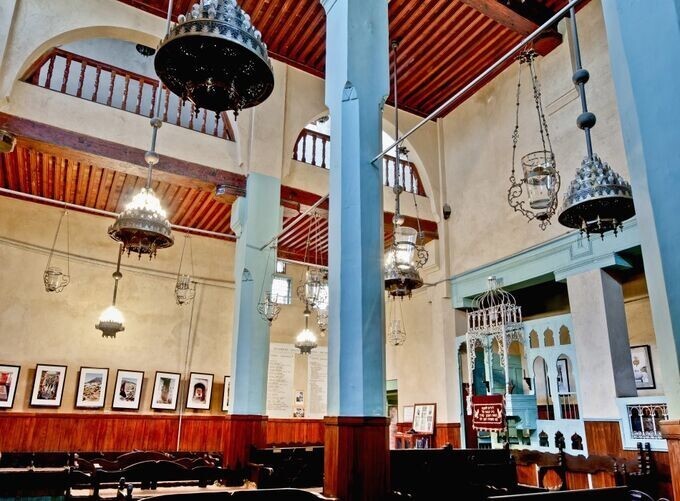
Ramadan Can Actually Improve Parts of a Morocco Journey
This point is often lost because articles focus primarily on what changes operationally.
The fasting month can provide a deeper sense of daily rhythm, particularly for travelers who enjoy observing how cities transition toward sunset and reawaken later in the evening.
Shared anticipation before iftar, quieter moments at sunset and later social activity can make cities feel different from travel at another time of year.
This does not mean Ramadan is inherently a “better” cultural experience.
People who prefer uninterrupted restaurant choice and conventional schedules may find another period easier.
The benefit belongs to travelers who are comfortable with some flexibility and interested in seeing Morocco operate according to a rhythm that is not centered entirely on tourism.
What I Would Change in a Morocco Itinerary During Ramadan
I would not automatically remove destinations.
Instead, I would review the timing inside each day.
Long lunches on road routes would be planned rather than assumed. Major sightseeing would avoid unnecessary dependence on uncertain late-afternoon hours. A driver or guide's iftar needs would be respected without reducing the service expected, and restaurant plans would remain slightly more deliberate where daytime or evening availability might differ.
Travelers considering Customized Morocco Ramadan Journeys should expect this kind of adjustment rather than a completely redesigned Morocco vacation.
Ramadan modifies operations.
It does not erase the country.
What I Would Not Change
I would not cancel Marrakech simply because it is Ramadan, remove Fes because some local cafés may have different hours, abandon the Sahara or assume every day must end early.
I would also not transform the whole itinerary into a religious-cultural program unless that is genuinely what the travelers want.
Morocco remains Morocco during Ramadan.
Its architecture, history, landscapes and cities do not become secondary merely because the social rhythm around them changes.
The best travel planning acknowledges Ramadan without allowing it to consume every conversation about the trip.
Is Ramadan a Good Time to Visit Morocco?
For travelers comfortable with some changes in meal availability, operating hours and late-afternoon rhythms, Ramadan can be an entirely rewarding time to visit Morocco.
Major tourism services generally continue, and many international visitors complete normal sightseeing itineraries during the month. The main differences appear around local food service, pre-iftar timing, evening activity and the daily schedules of people who are fasting.
Visitors who require complete predictability may prefer another period.
Those who value cultural observation and can accommodate modest schedule adjustments may find the month adds another dimension to the journey.
The answer therefore depends less on whether Morocco is “open” and more on whether you are comfortable traveling through a country whose daily rhythm is temporarily organized around something more important to local life than tourism.
12 Ramadan Questions Travelers Should Ask Before Morocco
1. Are Morocco's main tourist attractions open during Ramadan?
Many major attractions continue operating, although opening hours can be adjusted during Ramadan. Travelers should confirm current schedules close to their visit, particularly when planning several timed sights independently within the same day.
2. Will I be able to eat lunch during Ramadan in Morocco?
Usually yes in major tourism areas and hotels, although options can become more limited in local neighborhoods, smaller towns or on road journeys. Planning the lunch location in advance prevents unnecessary inconvenience without requiring a major itinerary change.
3. Do tourists have to fast in Morocco during Ramadan?
No. International visitors are not expected to fast, although discretion when eating or drinking in strongly local public settings is considerate. Travelers should still maintain hydration and any medically necessary eating routine, particularly during warm weather.
4. Can I drink water while sightseeing if my guide is fasting?
Yes. A guide's fasting does not require travelers to avoid drinking when needed. Being reasonably discreet can be respectful, but visitors should not risk dehydration or health problems simply because the person accompanying them is observing Ramadan.
5. Do restaurants close completely during Ramadan?
Not universally. Tourism-oriented restaurants and hotels may continue daytime service, while locally focused cafés or restaurants can operate reduced or different hours. Availability depends heavily on destination, neighborhood and type of establishment rather than one national rule.
6. Is Marrakech difficult to visit during Ramadan?
Generally no. Marrakech retains extensive tourism infrastructure and major sightseeing continues, although travelers may notice changes in local meal patterns, operating hours and the rhythm before and after iftar. Modest timing adjustments are usually sufficient.
7. Is it disrespectful to eat in front of people who are fasting?
Context matters. Eating normally inside a restaurant serving travelers is not inherently disrespectful, while unnecessarily making food or drink conspicuous in a strongly local setting can be insensitive. Basic awareness usually matters more than rigid rules.
8. Should road trips be avoided during Ramadan?
No. Road travel continues, but lunch locations and late-afternoon timing deserve slightly more planning, particularly in smaller towns. Drivers may be fasting, so avoiding unnecessary delays close to iftar can also make the day more considerate and efficient.
9. Are Morocco evenings quieter during Ramadan?
Around iftar, some areas may become temporarily quiet as people break the fast, after which streets, cafés and shopping areas can become active again. Depending on destination, evening life may continue later than travelers expect outside Ramadan.
10. Can hotels serve alcohol during Ramadan?
Policies vary by property and establishment. Some licensed hotels and tourism-oriented venues may continue alcohol service while others limit it during Ramadan, so travelers for whom this matters should confirm directly rather than relying on assumptions.
11. Is Eid al-Fitr different from traveling during ordinary Ramadan days?
Yes. Eid is a major holiday marking the end of Ramadan and can affect business hours, family movement and some tourism operations differently from the fasting month itself. Important services should be reconfirmed when travel dates fall around Eid.
12. What is the biggest mistake visitors make during Ramadan in Morocco?
Assuming either that everything will be closed or that nothing will change. Morocco's tourism infrastructure remains active, but meal availability, business hours, traffic before iftar and evening rhythms can shift enough that travelers benefit from modest advance planning.

A travel professional specializing in tailor-made travel planning, guest experience management, and multi-destination tourism operations.
With over 23 years of experience in the travel industry, he designs and manages private and cultural tours for international travelers across Türkiye, Greece, Egypt, Jordan, Morocco, and other destinations.
He has strong expertise in both online and face-to-face guest communication, sales processes, and end-to-end travel operations.
Working closely with hotels, travel agencies, and local partners, he ensures smooth coordination and high-quality travel experiences at every stage of the journey.
His focus is on delivering personalized, reliable, and seamless travel experiences for international guests worldwide.