Where to Go in November for a Warmer Holiday
Updated: August 2026
November travel begins with a deceptively simple request: somewhere warm.
The problem is that “warm” can describe completely different holidays.
One traveler wants to leave northern European rain behind and eat lunch outdoors without a heavy coat. Another expects to swim every afternoon. Someone else does not care about beaches at all; they want enough warmth to spend six hours exploring temples, archaeological sites or desert landscapes without the punishing conditions of midsummer.
Those travelers should not book the same destination.
November is particularly good at exposing the weakness of destination lists built around average temperature. A city can feel wonderfully mild for sightseeing while disappointing someone expecting tropical heat. A desert destination can provide beautiful afternoons but cooler evenings. A Mediterranean coast may still deliver sunny days, yet its seasonal rhythm can feel completely different from August.
For travelers prepared to define the experience before choosing the country, November can be one of the most rewarding months of the year.
Egypt becomes particularly compelling. Morocco offers extraordinary regional variety. Jordan can be excellent for travelers whose holiday revolves around Petra and the desert, while Turkey becomes less about guaranteed warmth and more about cultural travel without peak-season crowds.
So before asking where to go, decide what you are escaping from — and what you want to find when you arrive.
There Are Four Different Meanings of “Warm in November”
This distinction is the foundation of the entire decision.
Warm enough for sightseeing means comfortable days are more important than swimming.
Warm enough to sit outside means cafés, lunches and slower afternoons matter.
Warm enough for a beach holiday requires greater confidence in both daytime conditions and the sea.
Hot enough to feel like summer is a much more demanding requirement.
Many disappointing November holidays happen because the traveler asks for the first and mentally expects the fourth.
A better shortlist starts by establishing your minimum requirement.
| Your November goal | What matters most | Destinations to examine first |
|---|---|---|
| Reliable warmth + major culture | Warm days, outdoor archaeology | Egypt |
| Desert + cities + road journey | Regional variety, dry landscapes | Morocco |
| Petra + Wadi Rum | Walking conditions, desert experience | Jordan |
| Culture without summer crowds | Cities, history, food | Turkey |
| Swimming as a major priority | Sea conditions + resort location | Egypt's Red Sea |
| Multi-city discovery | Comfortable touring rather than heat | Egypt or Morocco |
This is not a temperature ranking. It is a holiday-purpose filter.
Egypt Is the Strongest All-Round Answer When Warmth Really Matters
If “warm escape” genuinely means you want a significant climatic change, Egypt deserves to be near the top of the shortlist.
More importantly, the country's signature experiences do not depend on summer-style seasonal openings.
The Pyramids of Giza do not close because beach season has ended. Luxor's temples and tombs remain central to the journey. Aswan continues to provide a completely different Upper Egyptian atmosphere, while the Nile remains the geographical thread connecting many of the country's most important ancient sites.
November therefore solves two problems simultaneously.
It offers warmth while making a heavily outdoor cultural itinerary more attractive than it can feel during the fiercest part of summer.
That combination matters because Egypt is not a destination where you merely look at monuments through a vehicle window. A meaningful trip involves walking through temple complexes, archaeological landscapes and open-air sites.
For culturally motivated travelers, cooler is not a compromise.
It can be an advantage.
Decide Whether Your Egypt Is About the Nile or the Sea
Saying “Egypt in November” still does not define the holiday.
A Cairo–Luxor–Aswan journey and a Red Sea resort stay share a country but almost nothing else about their daily rhythm.
The first is active and history-led. Days may begin early, with sightseeing structured around archaeological sites and transportation.
The second can revolve around swimming, resort facilities, diving, snorkeling and relaxation.
Combining the two is often more interesting than forcing yourself to choose.
A traveler who wants genuine winter warmth but does not want to spend an entire week at a resort can begin with Cairo, continue through Upper Egypt and add Red Sea time afterward.
For that reason, Egypt cultural tour journeys can provide a useful foundation when warmth matters but the holiday still needs intellectual and experiential depth.
November Makes the Nile's Geography Easier to Appreciate
A Nile journey is not simply a convenient method of getting between temples.
The river changes the pace of the holiday.
After intensive sightseeing, the landscape begins moving rather than the traveler. Agricultural land, settlements and riverbanks replace airport terminals and repeated hotel check-ins, creating a rhythm that is difficult to reproduce through road travel alone.
This is particularly attractive in November because the cultural portion of the trip does not have to compete with extreme summer heat.
There is still sun exposure. Egypt is still Egypt. Sensible hydration, hats and early starts remain important.
Yet the relationship between climate and sightseeing is generally much more favorable for travelers who want to spend substantial time outside.
That makes November Egypt less of an “escape somewhere hot” and more of a seasonally intelligent cultural journey.
Morocco Is Better for Travelers Who Want the Journey to Keep Changing
Morocco answers the November question differently.
Its strength is not climatic uniformity.
It is contrast.
Marrakech can form one chapter. The Atlas region changes the landscape and elevation. Routes toward Ouarzazate, the Dades region and desert environments introduce another visual world, while Fes or the Atlantic coast can shift the trip again.
This makes Morocco particularly suitable for travelers who become restless staying in one resort.
You are not selecting one weather experience. You are accepting that the itinerary crosses different environments.
That has practical consequences in November.
A sunny afternoon in Marrakech does not tell you what to pack for an early morning at higher elevation or an evening near the desert. The difference between daytime and nighttime comfort can be significant enough that layering becomes part of sensible planning.
Morocco rewards people who understand that variety is the product.
Marrakech Alone Does Not Explain Morocco in November
This is an important semantic boundary because destination articles frequently use Marrakech as shorthand for the whole country.
It is not.
A city break in Marrakech can work beautifully for travelers seeking food, architecture, gardens, markets and a manageable change of climate without constructing an extensive road journey.
Once the route extends toward mountains and desert regions, however, the holiday becomes operationally different.
Driving time matters. Accommodation style changes. What you wear changes. Early mornings can feel different from mid-afternoon, and the journey between places becomes part of the experience rather than dead time.
This is precisely why Morocco desert and city tours appeal to travelers who want more than winter sunshine.
The attraction is the transition.
Jordan Is the Choice When Walking Is Part of the Reason for Going
Jordan does not need to compete with Egypt as a beach destination or Morocco as a multi-city road journey.
Its November strength lies elsewhere.
Petra demands movement.
Reaching the Treasury through the Siq is only the beginning of the archaeological experience. Travelers who continue deeper into the site encounter a landscape where distance, elevation and exposure matter considerably more than photographs suggest.
November can therefore be appealing because the purpose of the trip is active exploration.
The same logic extends to Wadi Rum, where the desert is not merely scenery behind a hotel. It is the environment through which the experience unfolds.
Add the Dead Sea and Jordan creates an unusually compact combination of archaeology, desert and relaxation.
The country works especially well for travelers who would rather return from a holiday with dusty shoes than spend seven days beside the same swimming pool.
Warm Afternoons Do Not Guarantee Warm Evenings
This matters particularly in desert and inland environments.
Travelers leaving colder countries sometimes pack for the warmest forecast number they see and discover that November behaves very differently after sunset.
Desert areas can lose heat quickly. Higher locations and inland cities may also require a warmer layer once daylight disappears.
The solution is not to pack heavily.
It is to pack intelligently.
A light outer layer, practical walking clothes and footwear appropriate to the actual itinerary are more useful than a suitcase built around the fantasy that “warm destination” means shorts at every hour.
November rewards travelers who dress for daily range rather than afternoon peak.
Turkey Belongs on the List for a Different Reason
Turkey needs careful positioning in this article.
If your only objective is the warmest possible November holiday, Egypt will generally make a stronger case.
That does not make Turkey a poor November destination.
It makes it a different one.
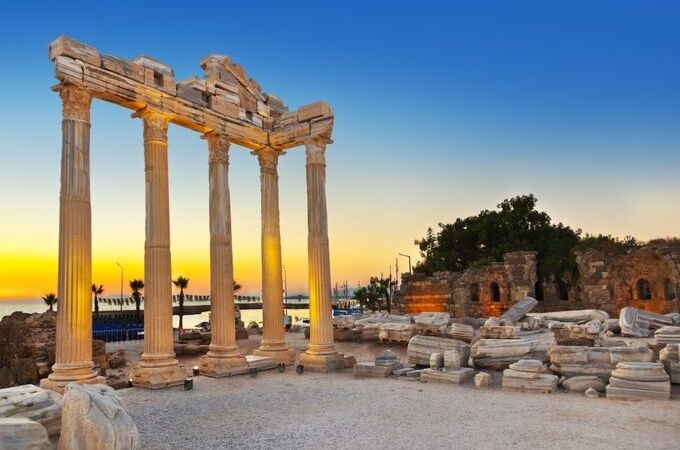
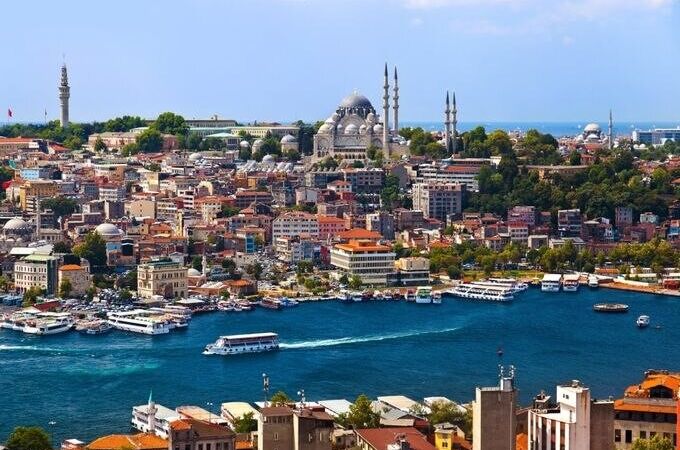
Istanbul becomes a cultural city break rather than a sunshine escape. Cappadocia can feel dramatically seasonal, and western archaeological sites can be explored in a completely different atmosphere from summer.
What November removes is the assumption that Turkey must function primarily as a Mediterranean beach destination.
That can actually improve a history-led journey.
Museums, restaurants, mosques, bazaars and major historical sites remain meaningful whether or not anyone is swimming. Crowds may feel different, and the travel rhythm becomes more urban and cultural.
Choose Turkey in November because you want Turkey without needing summer, not because you are chasing the highest thermometer reading.
The Mediterranean Coast Needs Honest Expectations
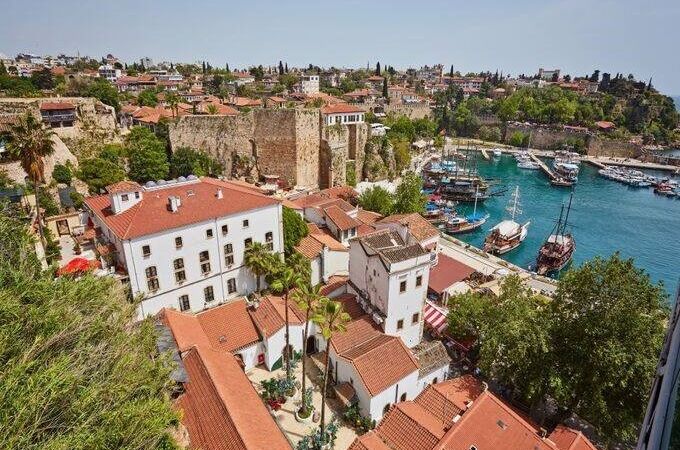
Antalya and Turkey's Mediterranean coast can still experience pleasant periods in November, but travelers should avoid building an entire trip around guaranteed beach conditions.
Seasonality matters beyond temperature.
Resort operations, daylight, rainfall patterns and the atmosphere of coastal towns can all differ from the summer experience.
This is where travel marketing often becomes unhelpful. A photograph of Antalya taken under blue skies may be completely authentic while still failing to describe what your particular week will feel like.
If cultural touring is part of the trip, the coast can remain attractive.
If your definition of success requires seven consecutive days of dependable sunbathing and warm-water swimming, compare it carefully with destinations further south.
A realistic expectation is more valuable than an optimistic average.
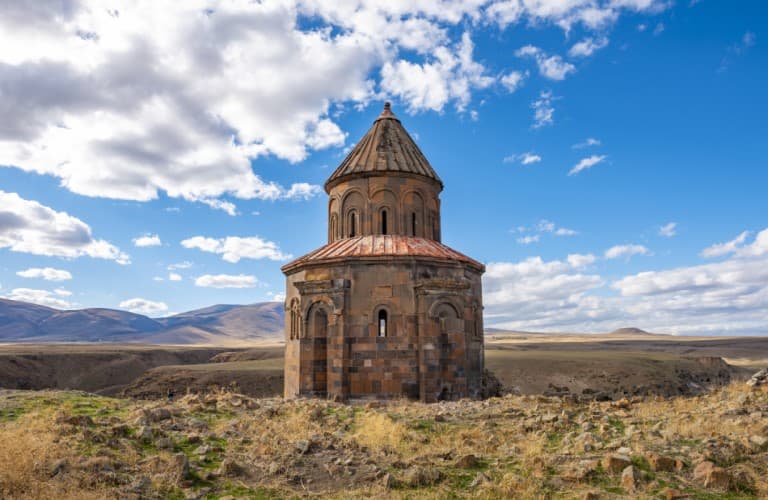
November Gives You Less Daylight — Spend It Better
Temperature receives most of the attention, but daylight can affect a November itinerary just as much.
Long summer evenings allow travelers to waste time without noticing.
November is less forgiving.
If a major archaeological site closes before evening, leaving the hotel late may sacrifice the best part of the day. Long road transfers can consume daylight that would otherwise have been used for sightseeing, while early sunsets change the feel of city itineraries.
This makes efficient routing particularly valuable.
The answer is not to schedule every minute.
It is to place daylight-dependent experiences first and allow restaurants, markets, indoor attractions and relaxed evenings to occupy the darker hours.
November travel becomes much easier once the itinerary follows the sun rather than fighting it.
A Five-Night Warm Escape Should Not Become a Seven-City Expedition
The desire to escape winter can encourage excessive ambition.
Flights are booked, a warm country is selected, and suddenly the traveler wants Cairo, Luxor, Aswan and the Red Sea in five nights.
Or Marrakech, Fes, the desert and Casablanca.
The result may be warmer than home but considerably less relaxing.
Short November trips benefit from concentration.
For four or five nights, choose one strong geographical idea: Cairo plus Luxor, Marrakech with a carefully selected extension, Istanbul as a city break, or a compact Jordan journey if flight timings allow it.
With seven to ten nights, movement becomes easier to justify.
With two weeks, climate contrast itself can become part of the holiday.
Do not confuse escaping winter with escaping common sense.
Beach or Culture? November Is One of the Best Months to Combine Them
The most interesting solution may be refusing to choose.
Egypt is particularly strong here because a cultural journey and a warm coastal stay can perform different jobs within the same holiday.
Spend the first part walking through ancient sites.
Then stop.
Move to the Red Sea, unpack properly and let the final days slow down.
This sequencing often works better than putting the beach first. Cultural sightseeing demands energy, whereas resort time provides a natural decompression period before flying home.
The same principle can influence other destinations even when swimming is not guaranteed.
A demanding travel section followed by two quieter nights usually feels more intentional than alternating intensive sightseeing and relaxation every day.
What Kind of November Traveler Are You?
Instead of ranking destinations, it is more useful to recognize yourself.
The winter escape artist wants the greatest possible contrast with home. Egypt rises quickly.
The road-trip traveler enjoys changing scenery and accepts cooler evenings. Morocco becomes highly attractive.
The walker wants archaeology and desert landscapes to occupy most of the day. Jordan deserves serious consideration.
The city traveler values food, history and urban atmosphere more than heat. Istanbul remains compelling.
The hybrid traveler wants ancient sites first and warm relaxation afterward. Egypt becomes difficult to beat.
This is more useful than asking which destination has the highest average temperature because holidays are lived as experiences, not climate tables.
November Can Also Reward Travelers Who Dislike Peak Season
There is another reason to travel that has little to do with escaping cold.
Some people simply dislike summer tourism.
They do not enjoy extreme heat, intense demand, packed sightseeing areas or itineraries where every reservation feels competitive.
November changes the balance.
Not everywhere becomes empty, and popular destinations remain popular, but the travel environment can feel markedly different from high summer.
For cultural travelers, that can outweigh losing several degrees of warmth.
This is especially relevant when the main attractions are ancient cities, temples and museums rather than beaches.
A destination does not become worse because summer has ended.
Sometimes it becomes more aligned with what you wanted from it in the first place.
Two Countries Can Work, but Geography Must Earn the Border Crossing
A longer November journey can support combinations.
Egypt and Jordan have an obvious thematic connection for travelers interested in ancient history, desert landscapes and major archaeological sites.
Turkey can be combined with Egypt when the objective is to contrast Istanbul's historical urban environment with a warmer Nile journey.
Yet every additional country introduces airport transfers, immigration procedures, packing and another accommodation sequence.
The combination should therefore create a meaningful contrast.
Travelers considering a longer regional journey can look toward Egypt and Jordan travel combinations, but the principle remains simple: cross a border because the second country changes the holiday substantially, not because collecting another country feels efficient.
The Most Useful November Question Is Not “Where Is Hottest?”
Ask instead:
Where will I spend most of my daylight?
If the answer is beside the sea, prioritize reliable coastal warmth.
If it is inside archaeological sites, choose conditions that make hours of walking enjoyable.
If you expect to spend significant time on the road, regional landscape and transfer design become more important.
If cafés, restaurants and city neighborhoods define the trip, moderate warmth may be entirely sufficient.
Egypt, Morocco, Jordan and Turkey can all produce excellent November holidays, but they should never be sold as interchangeable warm destinations.
Egypt provides the strongest combination of warmth and monumental cultural touring.
Morocco provides movement and contrast.
Jordan turns comfortable outdoor exploration into the central experience.
Turkey suits travelers willing to exchange guaranteed warmth for history, cities and a quieter seasonal character.
The right choice depends on what “escape” means to you.
Once that is clear, November becomes much easier to plan.
Frequently Asked Questions About November Holidays
1. Where should I go in November if warm weather is my main priority?
Egypt is one of the strongest choices among these destinations when significant warmth is central to the holiday. Travelers should still distinguish between Nile sightseeing and Red Sea relaxation, since the same country can produce very different November experiences depending on the itinerary.
2. Where can I combine warm weather with major historical sites in November?
Egypt is particularly well suited to this combination because Cairo, Luxor, Aswan and the Nile corridor place globally important ancient sites within a generally warmer travel environment. Jordan is another strong option when Petra and desert exploration are higher priorities than beach time.
3. Is Morocco warm enough for a November holiday?
Morocco can be very rewarding in November, but conditions vary considerably between cities, mountains, Atlantic areas and desert-oriented regions. Travelers should plan for regional contrast and cooler evenings rather than assuming that a pleasant Marrakech afternoon represents the entire country's daily conditions.
4. Is Jordan a good choice for November sightseeing?
Jordan can suit travelers who want an active archaeological and desert journey, particularly because Petra requires substantial walking. The practical advantage is not simply warmth; it is the opportunity to explore outdoor landscapes without deliberately choosing the most intense summer conditions.
5. Is Turkey suitable for a warm November escape?
Turkey can be excellent in November for cultural travel, although it should not be positioned as the strongest choice for guaranteed heat. Istanbul, Cappadocia and archaeological destinations remain compelling when travelers prioritize history, food and sightseeing over a conventional summer-style beach holiday.
6. Can I swim during a November holiday?
That depends strongly on destination and personal tolerance. Egypt's Red Sea is a much stronger candidate for a swimming-led holiday than many northern Mediterranean locations. Travelers for whom daily swimming is essential should evaluate sea conditions separately from daytime air temperatures.
7. What should I pack for a desert trip in November?
Bring adaptable layers rather than packing exclusively for warm afternoons. Comfortable walking clothing, sun protection and practical footwear remain essential, while an additional layer can become valuable after sunset or during early starts when desert and inland temperatures may feel substantially cooler.
8. Is November suitable for a Nile cruise?
November can work particularly well for travelers combining Nile cruising with archaeological sightseeing because outdoor exploration is central to the itinerary. The cruise also reduces repeated hotel changes, allowing the river journey itself to provide continuity between intensive visits to ancient sites.
9. How many days do I need for a November escape?
Four or five nights work better with a concentrated itinerary, while seven to ten nights allow meaningful regional movement. Travelers trying to cover several distant destinations during a short escape often lose more time to transfers than they gain through additional sightseeing.
10. Should I choose Egypt or Morocco in November?
Choose Egypt if ancient monuments, Nile travel and stronger warmth are the main priorities. Choose Morocco if you prefer changing landscapes, road journeys, medinas and desert environments. The decision should be based on travel style rather than comparing one monthly temperature figure.
11. Is November a good month for a two-country holiday?
Yes, when you have enough time and the second country adds genuine contrast. Egypt and Jordan can form a coherent history-and-desert journey, but short holidays are usually better spent exploring one country properly rather than repeatedly passing through airports and border formalities.
12. What is the biggest mistake when choosing a November holiday?
The most common mistake is treating “warm” as though it automatically means beach weather, warm seas and summer evenings. Define whether you want sightseeing comfort, outdoor dining, swimming or genuine heat first; the right destination becomes considerably clearer once that distinction is made.

A travel professional specializing in tailor-made travel planning, guest experience management, and multi-destination tourism operations.
With over 23 years of experience in the travel industry, he designs and manages private and cultural tours for international travelers across Türkiye, Greece, Egypt, Jordan, Morocco, and other destinations.
He has strong expertise in both online and face-to-face guest communication, sales processes, and end-to-end travel operations.
Working closely with hotels, travel agencies, and local partners, he ensures smooth coordination and high-quality travel experiences at every stage of the journey.
His focus is on delivering personalized, reliable, and seamless travel experiences for international guests worldwide.