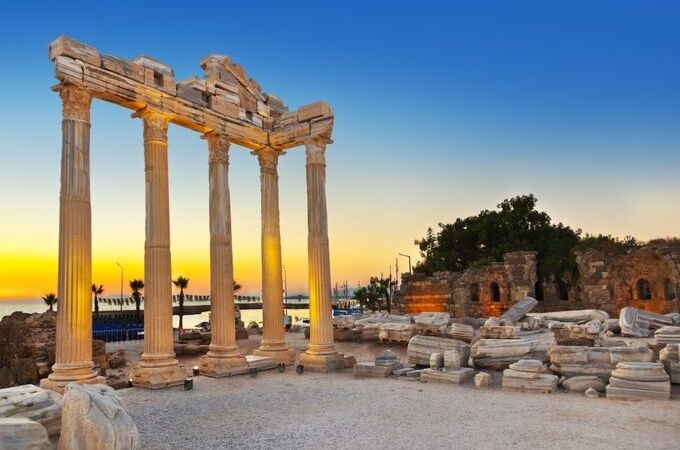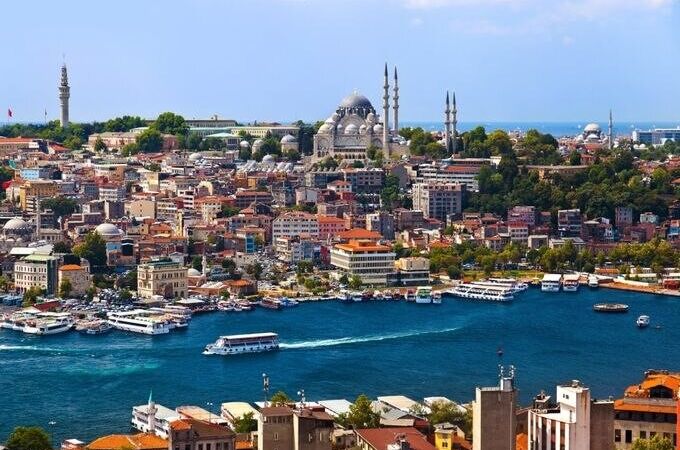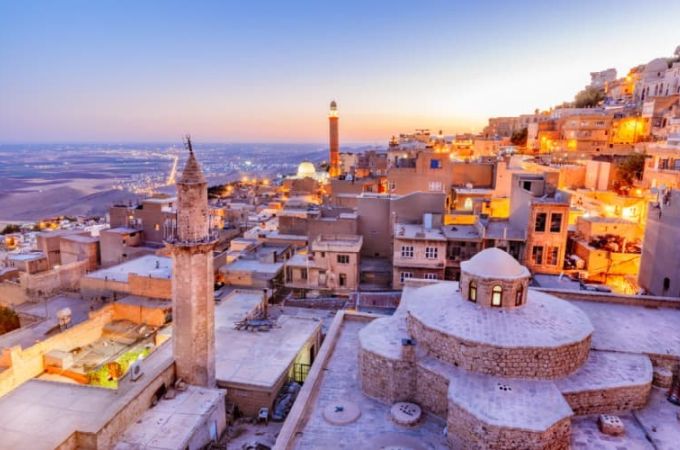
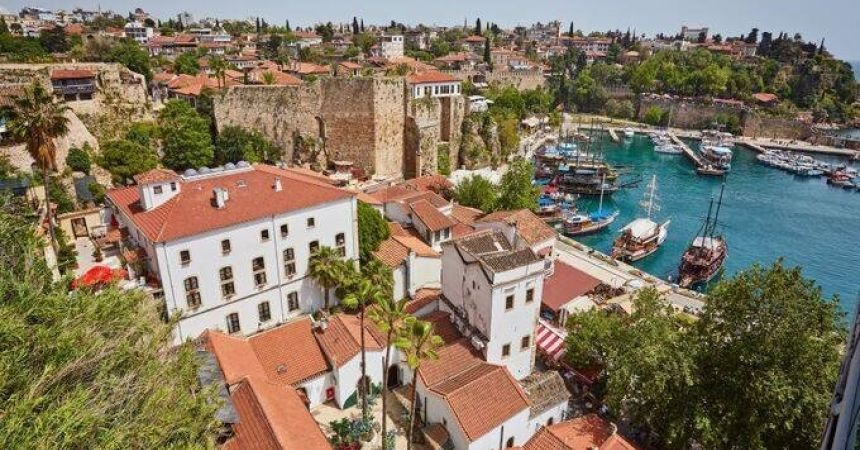
Turkey in November: A Quieter Side of the Country Appears
Last Updated: August 8, 2026
November is when Turkey stops pretending summer might come back.
The coast has quietened.
Cappadocia mornings require a proper jacket rather than optimistic layering.
In Istanbul, you start noticing which cafés have inviting windows when rain appears in the forecast.
And at Ephesus, the same streets that demanded water, sunscreen and an early alarm a few months earlier can suddenly feel almost spacious.
November changes the relationship between traveller and destination.
You spend less time asking, How do I fit everything in?
And more time asking, Should we stay here a little longer?
For the right traveller, that is an excellent exchange.
November Is Not One Weather Forecast
Turkey becomes even more regional in November.
A sunny afternoon on the Mediterranean can coexist with a genuinely cold Cappadocia morning. Istanbul may move between clear skies, wind and rain within the same trip.
That's normal.
| Destination | November Character | What It Means for Travel | Strongest Experience |
|---|---|---|---|
| Istanbul | Cool, changeable, sometimes rainy | Mix outdoor walks with indoor culture | Museums, neighbourhoods, food |
| Cappadocia | Cold mornings, cool days | Warm layers become essential | Landscapes, underground cities |
| Ephesus | Cool to mild | Excellent walking conditions | Unhurried archaeology |
| Pamukkale | Cooler and variable | Comfortable walking when dry | Hierapolis and thermal landscape |
| Antalya | Milder than inland Turkey | Outdoor touring remains attractive | Archaeology and old-town life |
| Aegean Region | Cool autumn | Less beach-focused | History, towns and regional food |
Trying to answer “What is Turkey like in November?” with one temperature is almost useless.
The better question is:
Which Turkey are you visiting?
Istanbul Becomes an Indoor-Outdoor City
November teaches you not to divide attractions into “good weather” and “bad weather.”
The city doesn't work like that.
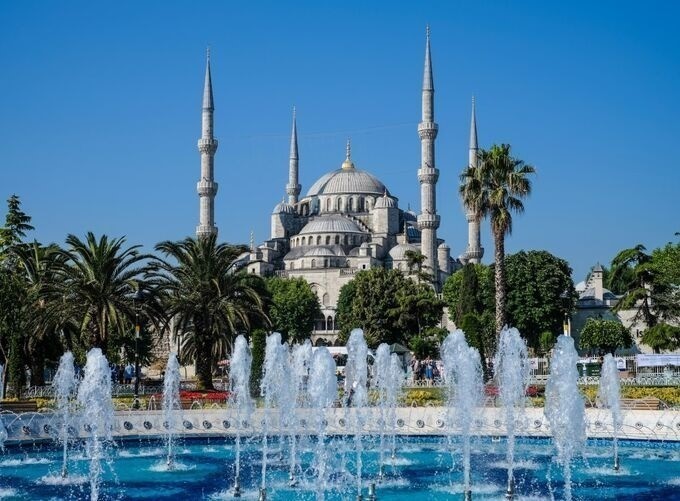
Walk through Sultanahmet while the sky is clear.
If rain arrives, go inside.
Topkapi Palace.
The Basilica Cistern.
A museum.
A long lunch you weren't planning to have.
Then the weather changes again.
Go back outside.
Some of Istanbul's most enjoyable November days are built this way—not according to a rigid sequence, but by moving between the city and the weather.
There is also something satisfying about returning to the street after rain.
Pavements shine.
The air feels cleaner.
Tea suddenly seems less like a tourist ritual and more like a practical decision.
Travellers wanting to explore the city beyond a rushed stop can consider our Istanbul heritage tours, combining the major historical sites with enough flexibility for November conditions.
Cappadocia Starts Showing Its Colder Personality
This is no longer the Cappadocia of July.
Good.
The landscape feels different.
Morning air can be genuinely cold. Frost becomes possible as temperatures fall, and the first wintry conditions may begin appearing as the month progresses.
That changes what you pack.
It doesn't remove what you came to see.
Valleys remain.
Rock-cut churches remain.
Underground cities remain particularly appealing when the air outside is cold.
And the landscape can become more dramatic under November skies than it ever looked beneath flawless summer blue.
Hot-air balloon flights remain dependent on suitable weather and aviation approval, as they do throughout the year.
If a flight doesn't operate, don't let the disappointment consume Cappadocia.
Look around.
You didn't travel all that way for one photograph.
Ephesus Becomes Quiet Enough to Hear Your Own Footsteps
Not literally everywhere.
Ephesus remains one of Turkey's major attractions.
But November can give the site a different atmosphere from summer.
There is less reason to rush.
The sun isn't pushing you towards the exit.
You can spend time with parts of the ancient city that disappear from attention when the main objective becomes reaching the Library of Celsus before the heat peaks.
Walk farther.
Look into the Terrace Houses.
Stand inside the theatre.
Imagine it full.
The emptier spaces help.
Our Turkey archaeology tours can connect Ephesus with other historical destinations while using November's cooler conditions for exactly what they are good at: walking slowly through old places.
Antalya May Surprise You
After Cappadocia, southern Turkey can feel almost like another country climatically.
That's November geography at work.
Antalya is generally milder than central and northern regions, allowing outdoor sightseeing to remain practical on many days.
But don't mistake “milder” for “summer.”
Beach conditions are no longer something to assume.
Instead, November shifts Antalya towards its other identity.
Perge.
Aspendos.
Kaleiçi.
The old harbour.
The mountains behind the city.
This is when travellers who never cared much about resort life may find Antalya more interesting.
November Changes the Type of Turkey Trip
| If Your Priority Is... | November Suitability |
| Museums and history | Excellent |
| Archaeological sites | Very good |
| Food and neighbourhoods | Excellent |
| Cappadocia landscapes | Very good with suitable clothing |
| Long road journeys | Good, weather dependent |
| Beach holiday | Limited |
| Guaranteed sunshine | Poor reason to choose the month |
November isn't trying to compete with summer.
Don't ask it to.
Pack for Temperature Changes, Not Photographs
A November Istanbul photograph may show someone sitting outside in sunshine.
That doesn't mean you'll want to leave your coat at home.
Bring layers.
A waterproof outer layer is useful.
Comfortable shoes need to handle both long walking days and wet streets.
Cappadocia requires warmer clothing, especially for mornings and evenings.
Southern Turkey may allow lighter daytime clothing.
Again, the suitcase needs to understand geography.
You don't need expedition equipment.
You do need to stop packing as though Istanbul, Cappadocia and Antalya share the same climate.
November Gives You Permission to Go Inside
Summer travel can create strange guilt.
The weather is beautiful.
You feel you should be outside.
November removes that pressure.
Spend two hours in a museum.
Have a proper lunch.
Sit in a café because it's raining.
Visit an underground city without wondering what you're missing in the sunshine.
Then, when the weather clears, go back outside.
Travellers exploring several regions can consider our Turkey November trips, but the strongest November itinerary isn't one that successfully avoids bad weather.
It's one that doesn't fall apart when the weather changes.
That's a very different way to travel.
And, for some people, a much more relaxing one.
A Good November Itinerary Has a Plan B
Not an emergency plan.
Just another good option.
That distinction matters.
If your entire Istanbul day depends on six uninterrupted hours of dry weather, November may test your patience. If you have a museum, palace or long lunch that can move into the rainy part of the day, very little has actually gone wrong.
The same principle works elsewhere.
Cappadocia has underground cities.
Antalya has museums and an old town where shorter walks can be fitted between changing conditions.
Western Turkey has archaeological sites that can move earlier or later when the forecast allows.
Flexibility isn't a compromise in November.
It's part of good planning.
Istanbul Rain Doesn't Mean a Lost Day
Rain in Istanbul can be inconvenient.
Traffic gets slower.
Pavements become slippery.
That umbrella you bought five minutes ago may turn out to be less impressive than the person selling it suggested.
Still, the city gives you options.
The Basilica Cistern almost benefits from gloomy weather outside. Museums can absorb several hours. Historic mosques remain part of the journey, while cafés and restaurants provide natural pauses rather than emergency shelters.
Then the rain stops.
Istanbul often looks particularly good afterwards.
Stone surfaces darken. Reflections appear across streets. The Bosphorus takes on the grey-blue character that summer photographs rarely capture.
A November Istanbul doesn't need to look like July to be worth seeing.
Cappadocia Requires Better Clothing, Not Lower Expectations
There is a difference.
If you arrive with summer shoes and a thin jacket, Cappadocia may feel unnecessarily difficult.
Dress properly and the experience changes.
Cool air can make valley walks enjoyable when conditions are dry. Underground cities provide a completely different environment, while cave architecture feels somehow more appropriate once the temperature outside has dropped.
| Cappadocia in November | Practical Approach |
|---|---|
| Early mornings | Bring genuinely warm layers |
| Valley walks | Check conditions and wear suitable footwear |
| Underground cities | Excellent cooler-weather option |
| Balloon plans | Keep expectations flexible |
| Photography | Use changing skies rather than waiting for blue |
| Evenings | Plan for noticeably colder temperatures |
Travellers interested in the region beyond ballooning can explore our Cappadocia winter trips, where the landscape remains the reason to travel even when weather affects individual activities.
Southern Turkey Extends the Outdoor Season
Then there is Antalya.
You arrive from Central Anatolia and suddenly everyone appears underdressed.
Or perhaps you're overdressed.
November along the Mediterranean is generally milder than Cappadocia or Istanbul, and pleasant days can still support extensive outdoor sightseeing.
This is particularly useful for archaeology.
Perge and Aspendos are easier to appreciate when you aren't constantly searching for shade. Kaleiçi becomes a place to wander rather than somewhere to cross quickly between air-conditioned stops.
Swimming?
Perhaps.
But that's no longer the point.
If you get a warm enough day, consider it a bonus.
November Food Starts Becoming Comfort Food
The season changes appetite.
A cold morning makes soup suddenly seem like an excellent breakfast decision.
Yes, breakfast.
Turkish cuisine has no problem with this.
Lentil soup can appear early in the day, especially when the weather gives you a reason to want something warm.
Later, stews, grilled dishes and regional specialities begin feeling more appropriate than the endless salads and cold plates of high summer.
Pomegranates and other autumn produce remain visible, while markets increasingly reflect the colder part of the year.
Our Turkish food tours can explore regional cuisine more deeply, but November makes everyday eating interesting without requiring a formal culinary experience.
Sometimes you simply walk into a small restaurant because the windows are steamed up and whatever everyone inside is eating looks good.
That's enough research.
Don't Overpack. Layer Properly.
The temptation is to prepare for every possible November condition by bringing half your wardrobe.
You don't need to.
You need clothes that cooperate.
A practical multi-region combination includes:
- comfortable base layers,
- a warmer mid-layer,
- a waterproof or water-resistant outer layer,
- walking shoes with reasonable grip,
- warmer options for Cappadocia,
- and lighter pieces for milder southern afternoons.
The goal is to add and remove.
Not drag three separate seasonal wardrobes around Turkey.
November Rewards the Traveller Who Doesn't Need Guarantees
Will every Cappadocia balloon fly?
No.
Will every Istanbul day be dry?
No.
Will Antalya provide beach weather?
Don't build the trip around that assumption.
But certainty isn't the only measure of a good journey.
November offers another kind of value.
You enter places because they interest you rather than because they're on the standard summer circuit.
You spend longer over lunch.
You see ancient sites without organising the entire visit around heat.
You discover that grey skies can make Cappadocia look more dramatic, not less.
And occasionally, the forecast predicts rain all day.
Then the sun comes out.
You take off the jacket.
And for twenty minutes, November behaves exactly as it wasn't supposed to.
November Gives You Time to Look Around
There is a particular kind of travel that happens when nobody is rushing towards the beach.
You notice more.
Not necessarily more monuments.
More of everything around them.
The man carrying glasses of tea through a crowded Istanbul street without spilling any.
A shopkeeper sitting outside until the weather changes his mind.
Steam covering the windows of a small restaurant.
Someone feeding a cat beneath a table.
None of this appears under “Things to Do in Turkey.”
Good.
November leaves enough room to notice it anyway.
Istanbul Becomes Better From Inside a Window
Some cities are disappointing in the rain.
Istanbul knows what to do with it.
Find a café with a window.
Order tea.
Then do absolutely nothing useful for twenty minutes.
Watch umbrellas negotiate the pavement. Ferries continue across the Bosphorus. Street vendors rearrange themselves according to the weather.
The city doesn't stop because you're sitting down.
That's part of the pleasure.
Eventually, you'll want to go outside again.
You always do.
But November teaches you that observing Istanbul can be as interesting as moving through it.
A Quiet Ephesus Feels More Like a City
Photographs of Ephesus tend to compress everything.
Library.
Columns.
Theatre.
Done.
Walking through it slowly creates a completely different impression.
There are streets leading away from the famous monuments.
Doorways.
Fragments of buildings.
Places where ordinary life once happened.
When visitor numbers are lower and the temperature encourages rather than discourages walking, those spaces become easier to notice.
You stop looking only for the next famous structure.
The ancient city starts connecting itself together.
That's when Ephesus becomes more than a backdrop.
Cappadocia Doesn't Need Balloons to Be Strange
Imagine Cappadocia without a single balloon in the sky.
Still extraordinary.
The geology hasn't disappeared.
Neither have the cave churches, valleys, underground settlements or villages shaped around this unusual landscape.
November weather can affect balloon operations, but allowing that possibility to dominate the entire visit misses the point.
Some mornings may be cloudy.
Good.
The rocks change colour beneath different skies.
Mist can soften distant formations.
A little frost can completely alter the valley floor.
Travellers interested in exploring the region beyond its most famous activity can consider our Cappadocia local tours, where the landscape and cultural history remain central regardless of what happens overhead.
November Lunch Should Be Allowed to Take Too Long
You come inside because you're cold.
Then somebody brings bread.
Soup follows.
The restaurant is warm.
Going back outside suddenly seems less urgent.
Stay.
One of the advantages of travelling outside peak summer is that lunch doesn't have to compete with perfect weather.
You can give it an hour.
Or two.
Try something regional rather than ordering the dish you recognise from every Turkish restaurant menu abroad.
Ask what people eat locally.
Sometimes the answer isn't glamorous.
That's usually a good sign.
The Camera Sees November Differently
Blue skies make easy postcards.
November makes you work slightly harder.
Clouds create depth over Cappadocia.
Wet Istanbul streets reflect lights and architecture.
Lower sunlight changes the colour of ancient stone.
People wear coats, cafés glow from inside and steam rises from food stalls.
The photographs become less about proving the weather was beautiful.
They start showing what the trip actually felt like.
That's usually more interesting years later.
Quiet Doesn't Mean Empty
This distinction matters.
November isn't about wandering through an abandoned Turkey.
Istanbul certainly isn't abandoned.
People still commute.
Markets operate.
Restaurants fill.
Ferries cross the Bosphorus.
Students go to university.
Someone somewhere is still stuck in traffic.
What changes is the tourism layer.
In certain destinations, it becomes thinner.
And when that happens, everyday life becomes easier to see underneath.
Don't Try to Make Every Day Productive
A slower month deserves a slower itinerary.
If rain changes the morning, change the morning.
If lunch is good, stay.
If you planned three museums and genuinely enjoyed the first two, perhaps the third can survive without you.
Travellers wanting the logistics organised while keeping that freedom can explore our Turkey slow tours, allowing major destinations to connect without turning every available hour into scheduled sightseeing.
Because November's best moments often aren't spectacular.
They're ordinary.
A warm café after rain.
An archaeological site where nobody is pushing past you.
Tea you didn't need but ordered anyway.
A Cappadocia morning that looks nothing like the photograph you expected.
You return home remembering those things too.
Sometimes more clearly than the monuments.
Who Will Actually Enjoy Turkey in November?
November isn't difficult to recommend.
It is simply easy to recommend to the wrong person.
If your picture of Turkey begins with a sunbed and ends with swimming in the Mediterranean every afternoon, choose another month.
If it begins with Istanbul streets, Cappadocia landscapes, ancient cities, regional food and the freedom to spend an unexpected hour somewhere warm when the weather changes, keep reading.
November might suit you very well.
| Traveller Type | November Fit | Why |
|---|---|---|
| Culture-first traveller | Excellent | History becomes the centre of the journey |
| Archaeology enthusiast | Excellent | Cooler conditions suit extended site visits |
| Food traveller | Excellent | Colder weather shifts attention towards regional dishes |
| Slow traveller | Excellent | The season rewards flexible, less hurried days |
| Photographer | Very good | Changing skies create atmospheric conditions |
| Cappadocia visitor | Very good | Distinct landscapes, but warmer clothing is essential |
| Beach traveller | Limited | Coastal weather is no longer reliably beach-focused |
| Sun-seeker | Limited | Conditions can be changeable |
November doesn't need to be rescued by pretending it is warmer or sunnier than it really is.
Its strengths lie elsewhere.
Frequently Asked Questions About Turkey in November
1. Is November a good month to visit Turkey?
Yes, particularly for travellers interested in history, food, archaeology and city experiences rather than beaches. Cooler conditions can make extensive sightseeing comfortable, although rain and regional temperature differences require a flexible itinerary.
2. What is Turkey's weather like in November?
There is no single nationwide November climate. Istanbul is generally cool and increasingly changeable, Cappadocia can become cold, western Turkey experiences late-autumn conditions, and the Mediterranean coast usually remains milder than inland regions.
3. Is Turkey cold in November?
Parts of the country can be cold, particularly early in the morning and after sunset. Cappadocia requires warmer clothing, while Istanbul is generally cool. Southern coastal destinations such as Antalya tend to remain noticeably milder.
4. Does it rain a lot in Turkey in November?
Rain becomes more relevant in November, particularly in Istanbul and parts of western Turkey, but conditions vary from year to year and region to region. Rather than expecting continuous rain, build enough flexibility to rearrange outdoor activities.
5. Is Istanbul worth visiting in November?
Yes. Istanbul has enough museums, palaces, historic buildings, restaurants and covered attractions to remain interesting during changeable weather. Cooler conditions can also make neighbourhood exploration particularly enjoyable when skies are clear.
6. Does it snow in Cappadocia in November?
Snow is possible as temperatures fall, particularly later in the month, but it shouldn't be expected on specific travel dates. Cappadocia's elevation means conditions can be considerably colder than those in coastal Turkey.
7. Do Cappadocia balloons fly in November?
They can fly when weather and aviation conditions are suitable. Wind, visibility and other safety factors can cause cancellations, so travellers should avoid building the entire Cappadocia visit around one balloon morning.
8. Is Ephesus good in November?
Yes. Cooler weather can make Ephesus especially rewarding for travellers who want to explore the extensive archaeological site slowly. Rain remains possible, so suitable footwear and flexible timing are useful.
9. Can I swim in Antalya in November?
Warm days can occur and some travellers may still swim, but November should not be selected for guaranteed beach conditions. Antalya is better approached as a mild-weather cultural destination at this time of year.
10. What should I pack for Turkey in November?
Bring layers, a warm jacket, comfortable walking shoes and rain protection. Cappadocia requires warmer clothing than Antalya, while Istanbul can be windy and damp. Packing adaptable pieces is more useful than preparing for one nationwide temperature.
11. Is Turkey less crowded in November?
Many tourism-focused destinations are generally quieter than during peak summer, although Istanbul and major attractions remain active year-round. Lower visitor pressure can make archaeological sites and some regional destinations feel more relaxed.
12. November or December: which is better for Turkey?
November retains more of late autumn, while December moves further into winter with colder conditions and shorter daylight. Travellers prioritising extensive outdoor sightseeing may prefer November, while those interested in a more distinctly winter atmosphere may choose December.
November Is Better When You Stop Asking It to Be Summer
This is where many seasonal guides go wrong.
They search for ways to reassure you.
Don't worry, there may still be sunshine.
Of course there may be.
But sunshine isn't November's argument.
Space is.
Time is.
The ability to stand in Ephesus and actually look down a side street instead of calculating how quickly you can reach the next patch of shade.
The freedom to sit over lunch because the weather outside isn't demanding your attention.
The possibility of seeing Cappadocia beneath grey clouds and discovering that the landscape looks better than you expected.
An Istanbul afternoon that begins with rain, disappears into a museum and somehow ends on a ferry because the sky cleared while you were inside.
That is November.
Not predictable.
Not beach-focused.
And not particularly interested in pretending otherwise.
Travellers wanting to experience this quieter side of the country can explore our Turkey off-season tours, connecting cultural regions while leaving enough flexibility for late-autumn conditions.
Bring the jacket.
Bring shoes that can handle a wet pavement.
Don't panic when the forecast shows a cloud.
And leave some space in the itinerary.
November has a habit of filling it for you.

A travel professional specializing in tailor-made travel planning, guest experience management, and multi-destination tourism operations.
With over 23 years of experience in the travel industry, he designs and manages private and cultural tours for international travelers across Türkiye, Greece, Egypt, Jordan, Morocco, and other destinations.
He has strong expertise in both online and face-to-face guest communication, sales processes, and end-to-end travel operations.
Working closely with hotels, travel agencies, and local partners, he ensures smooth coordination and high-quality travel experiences at every stage of the journey.
His focus is on delivering personalized, reliable, and seamless travel experiences for international guests worldwide.