Istanbul Weather in November: Rainy Days & Indoor-Outdoor Planning
Last Updated: August 9, 2026
November rarely wins the beauty contest when travellers compare months for Istanbul.
It does not have April's spring awakening, June's long evenings or September's ability to keep one foot in summer. Even October can sound more immediately attractive, with autumn established but enough daylight and outdoor flexibility to make the season feel generous.
November arrives with a quieter proposition.
Come for the city itself.
By this point in the year, daylight has shortened noticeably, temperatures are moving lower, rainfall and grey periods deserve realistic consideration, and the Bosphorus can feel very different from the warm-weather version shown across travel brochures. Travellers who judge Istanbul primarily by how many outdoor hours they can accumulate may therefore look elsewhere.
Those who care about history, architecture, food and neighbourhood life may discover something more interesting.
November gives Istanbul time to be looked at properly.
Welcome to the Long-Look Month
Summer encourages movement because daylight seems abundant and the next experience remains available well into the evening. November changes that psychology.
You know the usable outdoor day is more compact, so priorities become clearer. Instead of spending forty minutes travelling towards a minor attraction simply because it appeared on a list, you are more likely to stay longer inside the palace already in front of you.
That decision can completely change the quality of a visit.
Istanbul's great monuments do not reward speed particularly well. They contain too much architectural detail, too many historical layers and too many stories to function simply as boxes on a sightseeing checklist.
November encourages travellers to stop pretending otherwise.
Give Topkapı the Time It Keeps Asking For
Topkapı Palace is a good example of what November does well.
Many first-time visitors underestimate how easily the complex can consume a substantial part of the day. Courtyards lead towards collections, architectural details compete for attention and the historical context stretches across centuries of Ottoman political life.
During summer, there can be a psychological pressure to finish and return outside because the weather feels too good to spend several hours within one cultural complex.
November weakens that pressure.
When the outdoor conditions are cooler or less predictable, staying longer somewhere genuinely important no longer feels as though you are sacrificing the day.
You begin seeing the palace rather than completing it.
November's Value Exchange
The month removes some things while giving others back.
| November Gives Up | November Gives Back |
|---|---|
| Very long daylight | Clearer priorities |
| Summer evening atmosphere | More cultural focus |
| Predictable outdoor comfort | Greater itinerary selectivity |
| Endless waterfront wandering | Longer historical visits |
| Light summer packing | More adaptable city rhythm |
| “See everything” mentality | Time to understand what you see |
This exchange will not appeal to every traveller.
Someone dreaming primarily of outdoor dining, long waterfront evenings and warm ferry decks should probably choose another season.
A visitor fascinated by Constantinople, Ottoman Istanbul and the city's cultural layers may view the trade very differently.
Hagia Sophia Deserves More Than Arrival Photography
Some landmarks are so famous that travellers experience them first through expectation.
They arrive already knowing the silhouette.
The danger is that recognition replaces observation.
November can encourage a slower relationship with Istanbul's major historical spaces because there is less temptation to treat an interior visit as the interruption between two outdoor experiences.
Instead, allow architecture to take time.
Notice scale.
Look at how different historical periods coexist within the same building and surrounding district.
Travellers wanting more context around these layers can explore Istanbul history tours, particularly when the objective is understanding why the city's monuments matter rather than merely identifying them.
November suits explanation.
A Shorter Day Is Not Necessarily a Smaller Day
This is one of the month's most important distinctions.
Daylight and travel value are not the same measurement.
A June visitor may spend twelve or more active hours moving through the city while a November traveller has a more compact daylight window. Yet the second visitor can still have an exceptionally rich day if less time disappears into unnecessary transportation and low-priority stops.
Think in terms of density rather than duration.
A historical district explored properly, followed by a substantial lunch, another cultural experience and an atmospheric evening can contain more memorable Istanbul than a longer itinerary built around constant movement.
November asks travellers to stop counting hours and start evaluating what those hours contain.
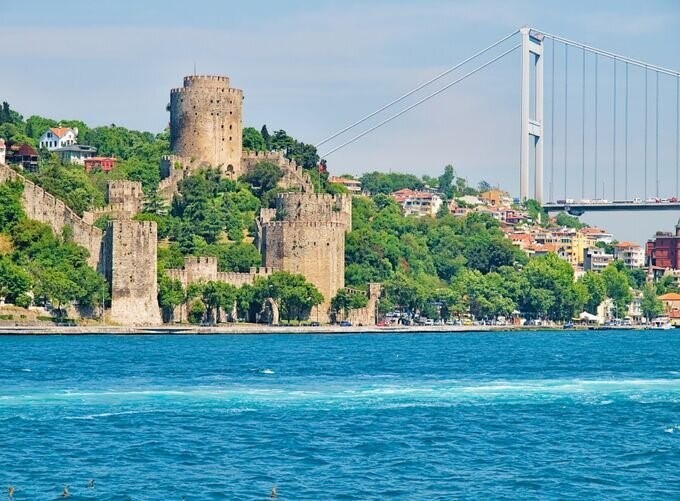
The Bosphorus Becomes an Event Again
During warmer months, the Bosphorus can become almost casual.
You cross it because dinner is in Kadıköy. You take another ferry because the afternoon is long. Perhaps you sit outside simply because there is no reason not to.
November makes the water feel more deliberate.
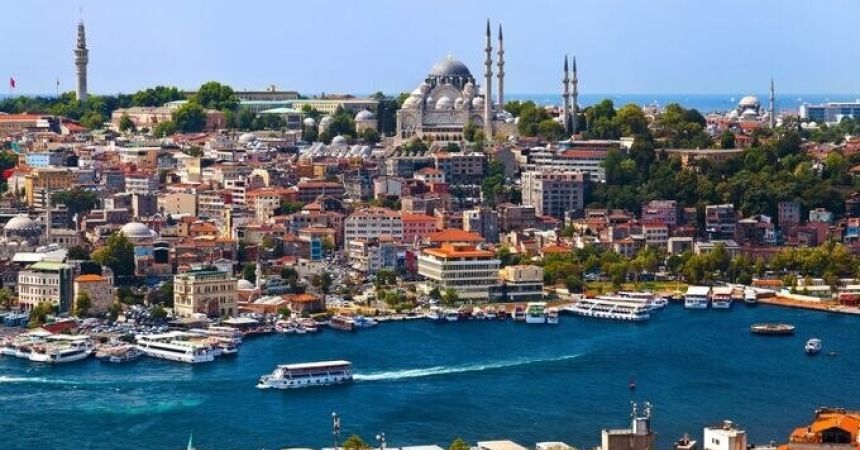
Wind, rain, visibility and temperature matter more, particularly on exposed decks, so a clear or relatively calm period becomes something worth noticing. When conditions cooperate, the Bosphorus can feel exceptionally atmospheric precisely because the experience is no longer automatic.
The skyline under late-autumn light has a different personality from summer.
Do not demand that it imitate July.
November Belongs to the Serious Walker
This may sound contradictory.
Wouldn't summer be better for walking?
Not necessarily for everyone.
Travellers comfortable with cooler conditions may find November surprisingly good for substantial urban exploration when the day is dry. Istanbul's hills remain demanding, but prolonged direct sunshine is no longer the primary concern, while historical neighbourhoods can feel particularly atmospheric under softer seasonal light.
The key is weather readiness.
Footwear becomes more important because wet pavements can change the experience, and clothing should allow the traveller to adjust as conditions shift between sheltered streets, interiors and exposed waterfront areas.
A November walk should be prepared rather than avoided.
Stop Measuring the Trip by Blue Sky
This is where expectations can either improve or damage the month.
If every morning begins with the question “Will we get sunshine today?”, Istanbul becomes a weather lottery.
Ask a better question:
“What version of the city does today suit?”
A clear period may favour longer neighbourhood exploration or the Bosphorus. A cooler, greyer day can support palaces, mosques, markets and food experiences without feeling like a substitute itinerary.
This differs from October's weather-flexibility story.
October teaches travellers how to move naturally between indoor and outdoor Istanbul as autumn conditions change.
November goes deeper by reducing the need to constantly maximise outdoor time in the first place.
Lunch Can Finally Take Its Time
There is something particularly compatible about late autumn and a long Istanbul lunch.
Food no longer needs to function mainly as recovery from heat or a temporary escape from rain. It can become a substantial part of the cultural day, especially when the itinerary has already accepted that sightseeing value is not measured through the number of attraction entrances.
Stay longer.
Try something unfamiliar.
Talk about what you saw that morning.
Then begin the afternoon without the feeling that forty-five valuable minutes have disappeared.
This slower rhythm is one reason November can appeal to repeat visitors who have already completed Istanbul's obvious checklist.
Build the Day Around One Serious Idea
Instead of planning six unrelated attractions, give each November day a theme.
One day might focus on Ottoman Istanbul.
Another can follow Byzantine history.
A third might combine the Bosphorus with Asian-side neighbourhood life, while another gives food, markets and ordinary streets more space.
Travellers choosing Istanbul private city tours can use this thematic approach particularly effectively because the route can prioritise personal interests rather than reproducing a generic highlights programme.
The result is easier to remember because the day has an identity.
The Evening Starts Earlier, but Istanbul Does Not Stop
Shorter daylight can initially make travellers feel as though the sightseeing day has been cut short.
That only happens if evening is expected to behave like afternoon.
November invites a clearer transition.
Historical walking gradually gives way to illuminated streets, restaurants, cafés and neighbourhood life. The evening does not need another outdoor monument to justify itself.
This creates a useful separation between cultural sightseeing and the social city that follows it.
A compact daylight period can therefore lead naturally into a long evening without forcing the itinerary to end early.
November Around Turkey Is Not One Climate
Anyone continuing beyond Istanbul should expect increasingly meaningful regional differences.
Cappadocia, the Aegean coast, Mediterranean destinations and inland Turkey can produce very different late-autumn conditions, particularly between daytime and night. Travellers considering Turkey November tours should therefore evaluate every stop separately rather than assuming that one Istanbul packing strategy will automatically cover the entire journey.
Layering becomes particularly useful on multi-region itineraries because one heavy solution rarely suits every destination equally well.
November Is Not December
The distinction is essential to the cluster.
December will belong to Istanbul's entry into winter: colder-weather expectations, early-winter atmosphere and the practical questions that arise when travellers intentionally choose the city during the cold season.
November is still late autumn.
Its story is not winter preparation.
Its story is attention.
The days have become shorter, summer has lost its hold and weather variability can make outdoor plans less automatic, yet those apparent disadvantages remove some of the pressure that causes travellers to rush through Istanbul during busier, brighter months.
November does not give you more city.
It gives you more time with the parts you choose.
For travellers who came to understand Istanbul rather than simply collect it, that can be a very good trade.
November Is a Month That Tightens Gradually
November does not arrive in Istanbul as a preview of winter on the first morning of the month. The transition develops gradually, and travellers visiting during the opening week may experience the city quite differently from those arriving near the final days.
This distinction matters because monthly weather averages flatten four weeks into a single number. They can help establish expectations, but they cannot explain how the character of a trip may change as daylight shortens and late autumn becomes more established.
For itinerary planning, it is more useful to think of November as a month that gradually tightens: the outdoor window becomes more valuable, additional layers become increasingly useful, and weather-sensitive experiences deserve a little more flexibility as the month progresses.
Early November vs Late November in Istanbul
Early November can sometimes preserve traces of the gentler autumn conditions associated with October, although there is never a guarantee of mild or dry weather. Later in the month, travellers should be increasingly prepared for a stronger late-autumn character, particularly during mornings, evenings and exposed periods beside the Bosphorus.
| Travel Factor | Early November | Late November |
|---|---|---|
| Seasonal feeling | Established autumn | Deeper late autumn |
| Daylight | Shorter than October but still useful | More noticeably limited |
| Long outdoor walks | Often attractive in dry weather | More weather dependent |
| Bosphorus experience | Flexible with suitable conditions | Wind and temperature matter more |
| Evening layer | Usually useful | Increasingly important |
| Rain readiness | Recommended | Should be routine |
| Historical interiors | Important part of the day | Often take a larger role |
| Itinerary style | Indoor-outdoor balance | More selective and culturally focused |
These differences describe a seasonal tendency rather than a promise. A beautiful late-November afternoon can be more comfortable than an unsettled day during the first week, which is why actual forecasts become increasingly important as the trip approaches.
The November Forecast Should Change Order, Not Ambition
One of the most useful habits during November is checking the next day's forecast before deciding the precise order of sightseeing.
Suppose the morning looks relatively dry but rain becomes more likely during the afternoon. There is little reason to spend those better outdoor hours inside a museum simply because the original itinerary was written that way months earlier.
Reverse the sequence.
Use the morning for a historical walk or neighbourhood exploration, then allow a substantial palace, museum, covered market or long lunch to occupy the less attractive weather period.
Nothing has been removed from the itinerary. The city has simply been rearranged around the conditions available.
This approach works particularly well during November because the month contains enough indoor cultural depth that flexibility rarely feels like settling for second best.
A Dry November Day and a Rainy One Should Not Look Identical
The mistake is not encountering rain. It is following exactly the same itinerary regardless of whether the streets are inviting or uncomfortable.
A dry November day deserves outdoor ambition, particularly for travellers who enjoy walking. A wetter day should place greater value on substantial interiors and compact neighbourhood geography without eliminating the city outside completely.
| If November Is Dry | If November Is Wet |
| Extend historical walking routes | Prioritise major cultural interiors |
| Explore neighbourhood streets | Keep districts geographically compact |
| Use the Bosphorus when visibility is good | Move water-based plans if conditions are poor |
| Walk between nearby attractions | Reduce unnecessary exposed transfers |
| Spend more daylight outdoors | Use dry intervals selectively |
| Keep cafés as optional pauses | Let cafés become natural transitions |
| Explore waterfront areas | Focus on markets, palaces and museums |
The objective is not creating a “good weather itinerary” and an inferior “rain itinerary.”
Both can be excellent days in Istanbul, but they should use the city differently.
What Deserves the Best Daylight?
November forces a useful prioritisation question because daylight no longer feels unlimited.
For a first-time visitor, substantial outdoor historical exploration deserves a strong position. The streets surrounding major monuments provide geographical and architectural context that disappears when travellers move exclusively from doorway to doorway.
The Bosphorus also benefits from daylight and reasonable visibility, while neighbourhoods such as Kadıköy, Üsküdar, Karaköy and parts of the historical peninsula reward time spent simply walking rather than entering one specific attraction.
Large museums and covered markets have a different advantage: they remain valuable when outdoor conditions become less attractive.
This creates a natural hierarchy.
Give the best available outdoor periods to experiences that genuinely depend on them.
November Weather Priorities by Experience
| Experience | Needs Dry Weather? | Needs Daylight? | November Flexibility |
| Historical street walking | Preferably | Yes | Medium |
| Bosphorus sightseeing | Strongly preferable | Usually | Medium |
| Palaces | No | Partly | High |
| Mosques | No | Partly | High |
| Museums | No | No major dependency | Very high |
| Grand Bazaar | No | No major dependency | Very high |
| Neighbourhood exploration | Preferably | Helpful | Medium |
| Food experiences | No | No | Very high |
| Cafés and restaurants | No | No | Very high |
This is why November does not need an itinerary built around fear of bad weather. Istanbul contains enough high-value experiences with low weather dependency to keep the trip moving while preserving better conditions for the activities that actually benefit from them.
The Bosphorus Earns Its Place Differently
November does not reduce the importance of the Bosphorus, but it does make selection more meaningful.
During summer, travellers can cross the water almost casually several times during the same trip. In November, a relatively clear and calm period may deserve to be protected because the combination of visibility, wind and temperature has a greater influence on the experience.
If the morning looks promising, consider using it.
Waiting until the final afternoon simply because that was the original plan creates unnecessary risk, especially on a short visit.
Public ferries remain useful even when a dedicated sightseeing cruise is not ideal, since travellers can experience the water while retaining access to sheltered seating when needed.
November Makes Weather Apps More Useful but Less Powerful
Checking a forecast is valuable, particularly when deciding between the Bosphorus, long walking routes and major interiors. The mistake is treating hourly weather symbols as guaranteed appointments.
A predicted shower may pass quickly or arrive later than expected, while a supposedly cloudy day can contain excellent outdoor periods. Istanbul's position between different bodies of water also contributes to conditions that do not always behave as neatly as a travel itinerary would prefer.
Use forecasts to establish priorities rather than to micromanage every fifteen minutes.
If tomorrow appears broadly better for outdoor exploration, place more weather-sensitive experiences there. Beyond that, allow the day to develop.
What Should You Wear in November?
November packing should support adjustment rather than one fixed temperature expectation.
Layering becomes increasingly useful because a sheltered historical street, a museum interior and an exposed ferry deck can feel quite different within the same afternoon. A practical outer layer that provides some protection from wind and ordinary rainfall is more versatile than carrying several bulky alternatives.
Footwear deserves particular attention.
Comfortable walking shoes remain essential throughout Istanbul's weather cluster, but November introduces a greater chance of wet surfaces. Shoes that become uncomfortable after a short period of rain can limit the itinerary far more than a missing heavy coat.
A compact umbrella may also be useful, depending on the forecast and personal preference, although wind can occasionally make a hooded weather-resistant layer more practical.
November Clothing by Situation
| Situation | Practical Approach |
| Historical walking | Layers + comfortable footwear |
| Palaces and museums | Removable outer layer |
| Bosphorus ferry | Wind-resistant additional layer |
| Rainy sightseeing | Weather-resistant outerwear + suitable shoes |
| Long lunch / interiors | Avoid excessively heavy fixed layers |
| Evening exploration | Add warmth compared with daytime |
| Multi-region Turkey trip | Pack adaptable layers rather than one Istanbul-only solution |
This approach also prevents overpacking. November visitors do not need to bring equipment for every possible late-autumn condition; they need a small number of pieces that can be combined differently as the environment changes.
The Best November Day Has One Anchor
A useful way to organise a shorter daylight day is to choose one experience that absolutely deserves enough time.
Perhaps it is Topkapı Palace.
Perhaps Ottoman history is the reason you came, or Byzantine Istanbul matters more to you. Another traveller may care most about food, while a repeat visitor might want to spend half the day exploring neighbourhoods rather than returning to the famous monuments.
Once that anchor is established, build around it geographically and seasonally.
A serious palace visit can connect naturally with nearby historical exploration. A Bosphorus-focused day can continue into an Asian-side neighbourhood rather than immediately returning across the city. A food-oriented afternoon can include markets and local streets without requiring another museum simply because the itinerary looks too empty.
This approach makes November feel deliberate rather than restricted.
November Rewards Travellers Who Stop Competing With the Clock
Shorter daylight creates pressure only when travellers insist on completing a summer-sized outdoor itinerary.
Once that expectation disappears, the month becomes considerably easier.
Use daylight for experiences that need it, allow major cultural sites the time they deserve, keep weather-sensitive plans movable and accept that an excellent November day may contain fewer attraction names than an excellent June day.
The difference is not necessarily how much Istanbul you experience.
It is how long you are willing to look at what is already in front of you.

A travel professional specializing in tailor-made travel planning, guest experience management, and multi-destination tourism operations.
With over 23 years of experience in the travel industry, he designs and manages private and cultural tours for international travelers across Türkiye, Greece, Egypt, Jordan, Morocco, and other destinations.
He has strong expertise in both online and face-to-face guest communication, sales processes, and end-to-end travel operations.
Working closely with hotels, travel agencies, and local partners, he ensures smooth coordination and high-quality travel experiences at every stage of the journey.
His focus is on delivering personalized, reliable, and seamless travel experiences for international guests worldwide.