Turkey in March: The Month the Outdoors Opens Up Again
Last Updated: August 8, 2026
March is when Turkey starts giving you reasons to stay outside longer.
Not everywhere.
And certainly not every day.
You can still wake to a cold morning in Cappadocia. Istanbul may send you back to the hotel for an umbrella. Higher ground can hold onto winter long after the coast has moved on.
But something has changed.
A table outside a café no longer looks overly optimistic.
Along the Aegean, the countryside begins gaining colour. Archaeological sites become easier to explore for hours rather than in short winter windows. Down on the Mediterranean, a clear afternoon can feel surprisingly gentle.
Turkey hasn't reached spring in one coordinated movement.
It never does.
March is interesting precisely because the country wakes up unevenly.
March Is About What You Can Do Outside
January was about adapting to winter.
February was about watching the season begin to turn.
March is different.
The useful question is no longer simply, “How cold will it be?”
It becomes:
How much of my trip can move outdoors again?
Quite a lot, depending on the region.
| Destination | March Personality | What Changes | Why Go Now? |
|---|---|---|---|
| Istanbul | Unpredictable but brighter | More useful daylight | Walking, Bosphorus, monuments |
| Cappadocia | Winter meets early spring | Snow remains possible | Hiking, landscapes, cave heritage |
| Ephesus | Increasingly springlike | Longer comfortable days | Extended archaeological visits |
| Pamukkale | Cool to mild | Outdoor exploration becomes easier | Hierapolis and travertines |
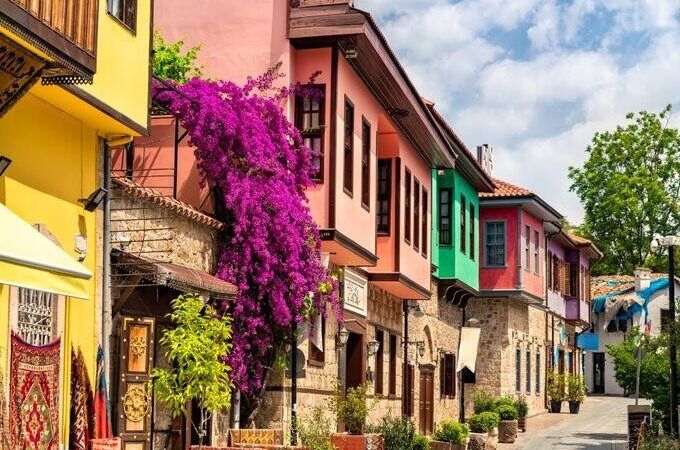
| Antalya | Mild Mediterranean spring | More pleasant outdoor time | Ancient cities, coast, old town |
| Aegean Region | Green and increasingly fresh | Countryside begins changing | History, food, scenic travel |
The table tells only half the story.
March is unreliable in a useful way.
You might carry a jacket all morning and end up holding it by lunchtime. A grey sky can clear while you're inside a museum. A Cappadocia morning can look distinctly wintry before the afternoon becomes surprisingly comfortable.
The solution isn't predicting every hour.
It's building days that can bend.
Istanbul Starts Escaping Its Winter Routine
There is a particular kind of Istanbul afternoon that begins appearing more often in March.
The sky clears.
Suddenly everyone seems to have had the same idea.
People appear along the waterfront. Ferry decks become more appealing. Café chairs migrate outside. The Bosphorus catches the light differently from the flat grey tones of deep winter.
Nobody declares that spring has arrived.
They just start behaving as though it might have.
This makes March a rewarding month for exploring Istanbul on foot.
Sultanahmet still anchors a first visit, but longer days make it easier to continue beyond the headline monuments. Walk downhill towards Eminönü. Cross Galata Bridge. Take a ferry to Kadıköy because the afternoon turned out better than expected.
And keep the umbrella.
March has a sense of humour.
Travellers beginning a wider journey in the city can use our Istanbul Turkey packages to connect this increasingly outdoor version of Istanbul with regions already experiencing spring differently.
Ephesus Gets Its Walking Season Back
At Ephesus, weather affects more than comfort.
It affects attention.
When conditions are pleasant, you stop thinking about the conditions.
That's valuable at an archaeological site of this scale.
March gives visitors a better chance to walk the ancient streets without the exhausting heat that arrives later in the year. The Library of Celsus gets the photographs, but the pleasure of Ephesus comes from taking enough time to understand how the city fitted together.
Homes.
Public spaces.
Baths.
Shops.
Theatre.
Streets worn by people who walked them long before anyone arrived carrying a camera.
Spring also begins changing the countryside around western Turkey. Green hills provide a very different backdrop from the dry tones visitors associate with late summer.
For archaeology-focused travellers, our Ephesus Turkey tours can make March particularly attractive because the journey is increasingly comfortable outdoors without yet feeling like peak season.
Cappadocia Refuses to Follow the Calendar
Then there is Cappadocia.
March reaches the region and discovers that winter hasn't necessarily left.
Snow remains possible.
Cold mornings certainly are.
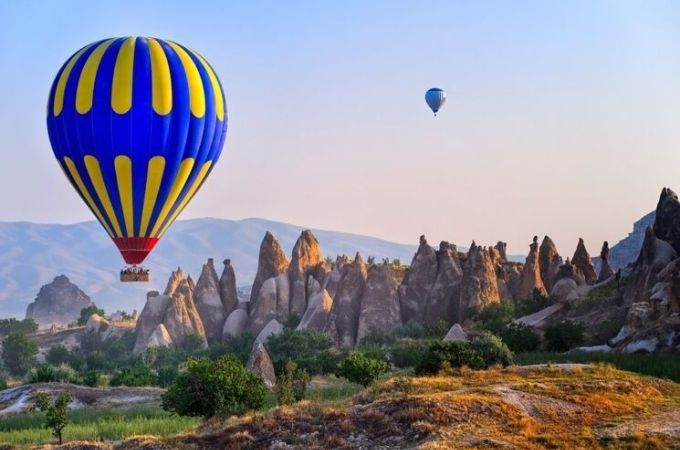
But warmer spells begin changing what you can do during the day. Valley walks become more tempting, outdoor viewpoints more comfortable and the landscape starts moving away from its deepest winter character.
This unpredictability suits Cappadocia surprisingly well.
The place was never ordinary to begin with.
A morning mist can hide entire rock formations. Snow can return unexpectedly. A clear afternoon may open views that didn't exist two hours earlier.
Hot-air balloon flights remain dependent on suitable conditions, so flexibility is still essential.
But March begins widening the possibilities on the ground.
Walking becomes part of the conversation again.
And in Cappadocia, that's important.
Some of the region's best moments happen when you stop looking down from a viewpoint and start following the path into the valley.
March Is Green Before Turkey Becomes Hot
Many first-time visitors picture Turkey in shades of summer.
Blue water.
Golden archaeological ruins.
Dry hills.
March offers a different palette.
Western and southern landscapes can be noticeably greener. Fields and hillsides respond to winter rainfall. Early spring growth softens the countryside around archaeological sites.
This version of Turkey doesn't last forever.
As the year moves towards summer, heat gradually changes the landscape again.
March catches it early.
That makes the month especially appealing for travellers who want their itinerary to combine ancient history with countryside rather than treating the road between major attractions as empty space.
Our western Turkey journeys can connect archaeological sites, towns and changing spring landscapes while the region is still fresh from winter.
Who Benefits Most From March?
| Travel Priority | March Suitability | Reason |
| Archaeology | Excellent | Comfortable walking conditions become more common |
| City exploration | Very good | Longer days improve Istanbul sightseeing |
| Cappadocia hiking | Good and improving | Conditions vary, but outdoor options expand |
| Landscape photography | Excellent | Green countryside and changing skies add variety |
| Mediterranean sightseeing | Excellent | Mild weather suits ancient sites and old towns |
| Beach holidays | Still limited | March is better for exploration than swimming |
| Multi-region touring | Very good | Seasonal contrasts remain without deep-winter limitations |
March is therefore not Turkey's beach month.
It doesn't need to be.
Its strength is movement.
The country is becoming easier to explore outdoors just as landscapes begin changing around you.
That combination gives March its own place in the calendar.
Not winter.
Not yet the familiar Turkey of summer.
Something much more temporary—and, for the right traveller, much more interesting.
Antalya in March Is About Exploring, Not Escaping
March can be one of Antalya's most useful sightseeing months.
Not because summer has arrived.
It hasn't.
The Mediterranean can still look more inviting than it feels, rain remains possible, and evenings may require another layer. But the conditions often suit something many summer visitors find difficult: spending hours outdoors away from the beach.
Walk through Kaleiçi without planning the route around shade.
Give Perge enough time to appreciate the scale of its streets and public buildings.
Stand inside Aspendos and concentrate on the extraordinary Roman theatre rather than the midday temperature.
The coast is still there, of course.
It simply becomes the backdrop rather than the entire reason for travelling.
March Gives Ancient Cities Room to Breathe
Turkey's archaeological map is enormous, and many of its great sites were designed for people who lived their lives outdoors.
Modern visitors often meet them under very different circumstances—usually with a bottle of water in one hand and a search for shade in mind.
March changes that.
Cooler conditions allow you to walk farther. Longer daylight gives you more flexibility. Green surroundings can make ancient stone stand out sharply against the landscape.
This is especially valuable on itineraries combining several archaeological regions.
Our Turkey archaeology tours can connect sites from different civilizations without forcing each visit into the hottest hours of the year.
March Road Trips Begin Making More Sense
Winter road journeys can require extra caution inland.
By March, routes through western and southern Turkey become increasingly attractive, although conditions should still be checked before travelling through higher terrain.
The best routes aren't necessarily the longest.
| Route Style | Good March Combination | What Makes It Work |
|---|---|---|
| Ancient Aegean | Izmir – Ephesus – Pamukkale | Archaeology, greener countryside, manageable distances |
| Mediterranean History | Antalya – Perge – Aspendos | Mild conditions and major ancient sites |
| Classic Highlights | Istanbul – Cappadocia – Ephesus | Three regions experiencing March differently |
| Western Slow Travel | Izmir – Selçuk – Pamukkale | Towns, food, ruins and changing landscapes |
| Culture + Coast | Istanbul – Antalya | Urban history followed by Mediterranean spring |
The point isn't to drive farther because the weather has improved.
It's to stop more often.
A roadside village, an unexpected archaeological sign or a lunch recommendation can easily become more memorable than another hour spent covering distance.
What Should You Wear in Turkey in March?
March is a layering month.
Packing for one region is easy.
Packing for Istanbul, Cappadocia and Antalya in the same journey takes more thought.
Bring clothing that can be added or removed rather than one outfit designed around a single forecast.
A waterproof outer layer remains useful. Comfortable walking shoes matter even more now that itineraries are moving outdoors. Cappadocia still justifies warm clothing, particularly early in the morning.
Sunglasses deserve a place too.
March has a habit of making you carry an umbrella and reach for sunglasses on the same day.
Let the Middle of the Day Work for You
Summer travel in Turkey often requires strategic timing.
March is more forgiving.
Instead of avoiding the middle of the day, you can use it for longer archaeological walks, neighbourhood exploration or scenic viewpoints.
This changes the itinerary more than it sounds.
Lunch can happen when you're hungry rather than when you're hiding from the heat.
A walking tour doesn't need to finish before midday.
You can cross a city on foot simply because the weather makes it pleasant.
March gives travellers back a part of the day that summer sometimes takes away.
Don't Fill Every Extra Hour
Longer daylight creates temptation.
Another site.
Another town.
Another stop.
Resist occasionally.
Spring travel works best when the extra time becomes freedom rather than another appointment.
Sit beside the sea in Antalya.
Stay longer over lunch near Ephesus.
Follow a Cappadocia valley trail a little farther because the weather turned out better than expected.
Our Turkey spring tours can provide the structure between destinations, but March is at its best when the itinerary leaves a little space around that structure.
That's where the month differs most from winter.
You're no longer planning primarily around what the weather might prevent.
You're beginning to decide what to do with everything it allows.
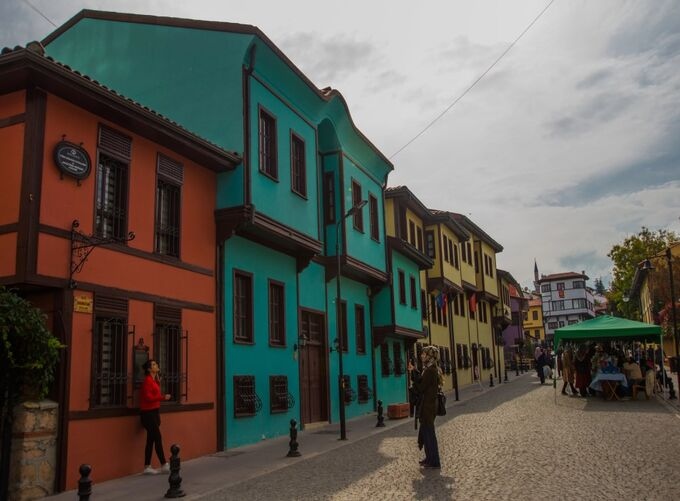
You Start Seeing Spring on the Table
By March, seasonal change becomes easier to taste.
Market stalls begin shifting. Fresh greens take up more space. Artichokes start appearing in western Turkey as the season develops, while the Aegean kitchen makes particularly good use of the wild herbs that flourish during the cooler, greener part of the year.
This is a side of Turkish food that visitors arriving in midsummer can easily miss.
Turkey's culinary identity isn't built only around kebabs, grilled meat or the dishes most commonly recognised abroad. Along the Aegean coast, vegetables, herbs and olive oil have shaped everyday cooking for generations.
March is a good month to discover that lighter, regional vocabulary.
The Countryside Hasn't Turned Gold Yet
Drive through western Turkey in late summer and much of the landscape carries dry, sun-baked colours.
March looks nothing like that.
Winter rain leaves fields and hillsides green. Fruit trees begin adding colour in places, while roads between towns can feel surprisingly lush to anyone whose mental picture of Turkey comes from a summer holiday brochure.
The change is particularly noticeable around archaeological areas.
Ancient stone against fresh green countryside creates an entirely different impression from the same ruins surrounded by the muted tones of August.
Neither is more authentic.
They're simply different seasons telling different versions of the same place.
Istanbul Starts Living Outside Again
Nobody waits for an official announcement.
One bright afternoon is enough.
Chairs appear outside cafés. The waterfront becomes busier. People linger on ferry decks rather than immediately heading inside. Parks that felt sparse a few weeks earlier begin attracting more neighbourhood life.
Then the following morning it rains.
That's March.
The city moves outdoors whenever the opportunity appears and retreats without complaint when the weather changes its mind.
For visitors, copying that behaviour is more useful than following a rigid schedule.
Keep one indoor option available.
But don't spend a clear afternoon inside simply because the museum was written on the itinerary months ago.
March Is a Good Month to Look Sideways
Famous sights naturally command attention.
Spring gives you more reason to notice what surrounds them.
At Ephesus, look beyond the marble towards the hills.
On a Cappadocia walk, notice how vegetation begins returning between the rock formations.
Around the Mediterranean, turn away from the archaeological site for a moment and look at the Taurus Mountains behind it.
Travel photography becomes more interesting when every image isn't centred on the landmark everyone else photographed.
March helps because the landscape is doing some of the storytelling.
A Longer Lunch Can Explain a Region
Regional travel becomes much more interesting when meals aren't interchangeable.
A lunch on the Aegean might revolve around olive oil dishes, herbs and vegetables.
Central Anatolia brings different ingredients, techniques and traditions to the table.
Istanbul collects influences from almost everywhere while maintaining food cultures belonging to individual neighbourhoods and communities.
This makes March particularly suited to journeys where food follows geography rather than appearing as a separate “culinary activity.”
Travellers wanting to explore those regional differences can consider our Turkey food tours, combining cultural sightseeing with the flavours encountered naturally along the route.
Spring Doesn't Mean Perfect Weather
This is worth repeating because travel marketing often makes spring look suspiciously flawless.
It isn't.
March can be wet.
Cappadocia can still be cold.
A beautiful morning can become a grey afternoon.
You may carry a jacket you don't need for three hours and suddenly become very pleased you brought it.
None of that makes March a poor travel month.
It makes flexibility useful.
And there is something satisfying about a day that wasn't perfect but worked anyway.
You changed the order of two visits.
Stopped for lunch when rain arrived.
Came outside an hour later to find blue sky.
Then walked somewhere you hadn't originally planned to go.
That's travel too.
By March, Turkey Feels in Motion Again
January asks you to work with winter.
February reveals the first uneven transition.
March finally creates momentum.
More of the day belongs outdoors. Roads through western Turkey become greener. Archaeological visits stretch longer. Istanbul finds excuses to return to the waterfront, while Cappadocia keeps just enough winter to remain unpredictable.
Nothing is fully settled yet.
That may be March's greatest advantage.
Travellers looking to combine several regions can explore our Turkey explorer tours, but the most memorable moments may still happen between the scheduled stops: beside a market stall, along a green country road or during an afternoon walk that lasted much longer than expected.
Spring is no longer something Turkey is waiting for.
You can see it happening.
Is March the Right Month for Your Turkey Trip?
March suits travellers who like their journeys active but not exhausting.
There is enough daylight for longer sightseeing days, archaeological sites become increasingly pleasant to explore, and western Turkey begins showing the green landscapes that disappear as summer approaches.
The trade-off is predictability.
You need to be comfortable changing a plan when rain arrives or adding another layer when Cappadocia reminds you that winter hasn't entirely gone.
Who Gets the Most From March?
| Traveller | March Fit | The Main Advantage |
|---|---|---|
| History enthusiast | Excellent | Long archaeological walks without summer heat |
| Active explorer | Excellent | More daylight and expanding outdoor options |
| Photographer | Excellent | Green landscapes, changing skies and possible snow inland |
| First-time visitor | Very good | Major touring routes work without peak-season intensity |
| Food traveller | Very good | Spring produce and regional Aegean cooking add seasonal interest |
| Cappadocia hiker | Good | Trails become more inviting, although conditions remain variable |
| Beach traveller | Limited | The coast is better for exploration than swimming |
Frequently Asked Questions About Turkey in March
1. Is March a good time to visit Turkey?
Yes. March is particularly rewarding for travellers interested in archaeology, walking, culture and landscapes. Visitor numbers remain below peak-season levels in many destinations, while longer days create more opportunities for outdoor sightseeing than during the deepest winter months.
2. What is the weather like in Turkey in March?
Conditions vary significantly. Istanbul can alternate between rain, sunshine and cool days. Cappadocia remains colder, while western and Mediterranean Turkey generally experience increasingly springlike conditions. A multi-region itinerary should therefore be planned around layers rather than one forecast.
3. Is Turkey warm in March?
Some southern and western areas can feel pleasantly mild during sunny periods, but March shouldn't be considered consistently warm nationwide. Central Anatolia remains cooler, evenings can be chilly, and changing weather is normal even along the coast.
4. Does Cappadocia still get snow in March?
Yes, snow remains possible during March, particularly earlier in the month. Conditions vary from year to year, however, so neither snow nor clear spring weather can be guaranteed for specific travel dates.
5. Are Cappadocia balloon flights available in March?
Balloon flights can operate throughout March when conditions are suitable and flights receive aviation approval. Wind and other weather factors can cause cancellations, making it sensible to appreciate Cappadocia's valleys, churches and underground cities independently of ballooning.
6. Is Istanbul better in March than winter?
For travellers who prefer spending more time outdoors, March usually offers an advantage through longer daylight and increasing opportunities for walking. However, rain and cool spells remain possible, so Istanbul's museums and indoor landmarks still deserve space in the itinerary.
7. Can I visit Ephesus comfortably in March?
March can be an excellent month for Ephesus. Cooler conditions generally suit extended walking, while the surrounding countryside may appear much greener than during summer. Bring rain protection and footwear suitable for ancient, sometimes uneven surfaces.
8. Is Antalya worth visiting in March?
Yes, particularly for sightseeing. Kaleiçi, Perge, Aspendos and other regional attractions can be explored without peak-summer heat. The Mediterranean adds beautiful scenery, although travellers shouldn't plan March primarily as a swimming holiday.
9. What should I pack for Turkey in March?
Pack adaptable layers, a waterproof jacket and comfortable walking shoes. Include warmer clothing for Cappadocia or inland destinations. Sunglasses are also useful, as sunny periods can alternate quickly with cooler or wetter conditions.
10. Is March suitable for a Turkey road trip?
Western and southern routes become increasingly appealing during March. The Aegean is particularly attractive as landscapes turn green. For inland or elevated routes, check current road and weather conditions before departure.
11. Are tourist sites busy in March?
Many destinations remain considerably calmer than during peak summer months, although famous Istanbul landmarks can be busy throughout the year. March often offers a useful balance between increasing travel activity and relatively relaxed sightseeing conditions.
12. Should I visit Turkey in March or April?
Choose March for greener landscapes, fewer visitors and a stronger sense of seasonal change. April generally brings more established spring conditions and flowers. Travellers prioritising predictability may prefer April; those enjoying transition may favour March.

A travel professional specializing in tailor-made travel planning, guest experience management, and multi-destination tourism operations.
With over 23 years of experience in the travel industry, he designs and manages private and cultural tours for international travelers across Türkiye, Greece, Egypt, Jordan, Morocco, and other destinations.
He has strong expertise in both online and face-to-face guest communication, sales processes, and end-to-end travel operations.
Working closely with hotels, travel agencies, and local partners, he ensures smooth coordination and high-quality travel experiences at every stage of the journey.
His focus is on delivering personalized, reliable, and seamless travel experiences for international guests worldwide.