What to Pack for Turkey: A Practical Holiday Packing Guide
Author: Kenan Ungur
Article Date: 31.12.2024
Reading Time: 16 min

What to Pack for Turkey: A Practical Holiday Packing Guide

Updated: August 2026

Packing for Turkey becomes much easier once you stop trying to pack for “Turkey.”

A journey through Istanbul, Cappadocia, Ephesus and the Aegean coast can place you in several remarkably different travel environments within the same week. You may spend one morning walking over polished stone in Istanbul's Old City, leave your Cappadocia hotel before sunrise in noticeably cooler conditions, cross an exposed archaeological site around midday and finish the trip beside the Mediterranean with half the clothes you packed suddenly feeling unnecessary.

For most travelers, the smartest Turkey packing strategy is therefore a compact wardrobe built around layers, comfortable walking shoes and clothes that can work across several destinations, rather than separate outfits for every possible situation.

The biggest mistake is rarely forgetting one essential item. Most everyday products can be purchased after arrival.

The more common problem is bringing too much.

That becomes noticeable when a journey involves domestic flights, hotel changes, stairs, cobbled streets and several mornings when yesterday's carefully organized suitcase has to be closed again.

Pack for Your Route Before You Pack for the Weather

Looking at the forecast for your arrival city is useful, but it should not determine the entire suitcase on a multi-stop Turkey trip.

Imagine arriving in Istanbul and continuing to Cappadocia, Ephesus and Antalya. The weather shown on your phone for Istanbul says relatively little about how a pre-sunrise Cappadocia morning will feel or what you will want during an afternoon beside the Mediterranean.

Instead, identify the coldest, warmest and most physically active parts of your itinerary.

If Cappadocia creates the coldest morning, one useful outer layer may solve that problem without requiring several heavy outfits. If Ephesus creates the longest exposed walking day, comfortable footwear and sun protection deserve more luggage space than another dinner outfit. If the Turkish coast creates the hottest section, lightweight clothing should form the core of the wardrobe rather than being treated as a small addition.

Packing becomes far more efficient when every item has a job somewhere on the actual route.

One Suitcase Can Handle Several Versions of Turkey

Travelers sometimes respond to Turkey's regional variation by packing a miniature wardrobe for each destination.

There is an easier solution: versatility.

A lightweight layer that works on a cool Istanbul evening can be useful again before sunrise in Cappadocia. Comfortable trousers suitable for sightseeing can also help when visiting religious sites. Shoes chosen for long days in Istanbul can continue through Ephesus rather than being replaced by destination-specific footwear.

Think about the function of each item rather than the photograph you expect to take while wearing it.

Your Route Packing Priority Items That Earn Their Space Common Overpacking Mistake
Istanbul only Urban walking Comfortable shoes, adaptable layers Too many formal outfits
Istanbul + Cappadocia Temperature variation Layers and walking footwear Packing only for daytime temperatures
Ephesus + Pamukkale Exposed sightseeing Hat, sun protection, comfortable shoes Fashion-first footwear
Aegean coast Warm-weather mobility Lightweight clothing, swimwear Heavy clothing “just in case”
Mediterranean holiday Sun and beach time Swimwear, sun protection, light layers Overpacking sightseeing outfits
Winter Turkey Regional temperature differences Practical outerwear and layers Assuming every destination feels identical
Multi-country journey Luggage efficiency Mix-and-match clothing Packing a separate wardrobe for each country

The objective is not to pack as little as humanly possible. It is to make sure everything you carry is useful often enough to justify carrying it.

Comfortable Shoes Will Probably Work Harder Than Anything Else You Bring

Turkey can be surprisingly unforgiving of attractive but impractical footwear.

Istanbul alone involves considerable walking. The historic peninsula contains stone surfaces, slopes and pedestrian areas, while traffic and vehicle restrictions around major historical sites mean a driver cannot always deposit you directly beside every entrance.

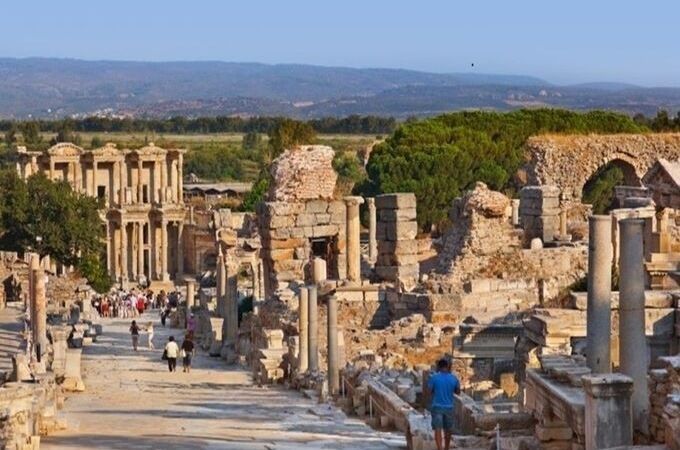
Ephesus presents another version of the same issue. The archaeological site involves extensive outdoor walking across ancient surfaces, and Cappadocia adds hills, valleys, uneven paths and cave-hotel approaches.

This does not mean everyone needs technical hiking boots.

For most conventional sightseeing itineraries, a supportive pair of walking shoes with a sole you trust is more useful than specialized outdoor footwear that occupies half the suitcase.

A second lightweight pair can be worthwhile, particularly on longer trips, but packing four or five pairs for different outfits is where luggage weight begins increasing without improving the journey.

Choose footwear according to the hardest walking day, not the smartest restaurant.

Cappadocia Makes Layering More Valuable Than a Heavy Wardrobe

Cappadocia is where travelers often discover that average daytime temperatures do not tell the whole story.

A balloon-related departure can begin before sunrise, when the air may feel considerably cooler than it does later in the day. By afternoon, you may be walking outdoors under direct sun and carrying whatever felt essential several hours earlier.

Layers handle this better than one bulky item.

A lightweight outer layer, comfortable base clothing and something slightly warmer when the season requires it allow you to adjust throughout the day without dedicating large amounts of suitcase space to single-purpose clothes.

This becomes particularly valuable when traveling in spring or autumn, when the difference between morning and afternoon can influence how comfortable an otherwise excellent sightseeing day feels.

Travelers joining Cappadocia and Turkey discovery tours should therefore pack for the daily sequence rather than simply reading the maximum temperature for Göreme.

Your suitcase does not experience the average temperature.

You do.

The Turkish Coast Needs Less Clothing and More Protection

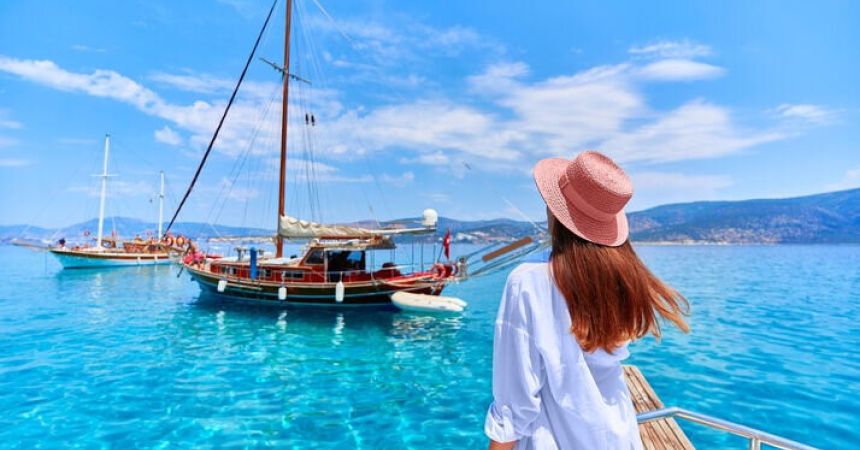
A summer stay around Antalya, Fethiye, Bodrum or other coastal destinations can simplify the clothing side of packing, but it increases the importance of sun protection.

Lightweight, breathable clothing becomes more useful than complicated outfit combinations, while a hat, sunglasses and suitable sun protection deserve space in the day bag rather than remaining buried in the hotel room.

Swimwear is an obvious addition when beaches, hotel pools or boat trips are involved. A light cover-up can also be useful when moving between swimming and public areas.

What travelers often underestimate is how much outdoor time a coastal holiday can involve even when they are not lying on a beach. Archaeological sites, marinas, waterfront walks and boat decks can all mean prolonged sun exposure.

Packing for the Turkish coast should therefore be light, but it should not be careless.

The less clothing you need, the easier it becomes to give useful items the space they deserve.

Mosque Visits Do Not Require a Separate Travel Wardrobe

Some visitors overpack because they believe visiting Istanbul's mosques requires an entirely separate set of clothes.

It does not.

The more practical approach is to make part of your ordinary sightseeing wardrobe adaptable enough for religious sites. Clothing requirements should be respected when entering active mosques, and women may find it useful to carry a lightweight scarf when their sightseeing plans include them.

The objective is preparation rather than spending the entire day dressed specifically for a short mosque visit.

A lightweight layer can also solve several problems simultaneously, providing coverage when needed while remaining useful during cooler mornings or evenings.

Detailed mosque behavior belongs to cultural-etiquette guidance rather than a packing article, but from the suitcase perspective the lesson is straightforward: pack adaptable clothing rather than a separate mosque outfit.

Versatility wins again.

Ephesus and Pamukkale Reward Practical Packing Immediately

Ephesus and Pamukkale expose travelers to the elements in ways that can be underestimated when looking at photographs.

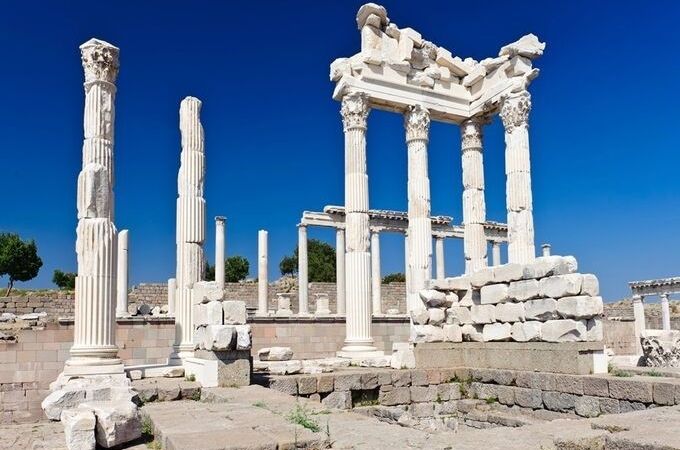
Ephesus involves extensive outdoor sightseeing with relatively limited shade across parts of the archaeological area. Pamukkale combines outdoor exposure with surfaces and conditions that require visitors to pay attention to where and how they are walking.

A hat, sun protection and water are therefore more meaningful than another change of clothes.

Footwear should also reflect the wider sightseeing day, while recognizing that specific protected areas can have their own access requirements.

This is a good example of why destination knowledge improves packing.

Nobody regrets leaving an unnecessary jacket at the hotel while walking through a warm archaeological site. Plenty of people regret discovering halfway through a long outdoor visit that the shoes selected for photographs were never designed for several hours of walking.

Domestic Flights Are Where Overpacking Starts Charging Rent

Many Turkey itineraries use domestic flights because distances between major regions can be substantial.

This introduces a practical reason to control luggage.

Do not assume that the baggage allowance attached to your long-haul international ticket automatically applies to every separately booked domestic sector. Allowances depend on the airline, fare and ticket conditions, so the relevant booking should always be checked before departure.

This is particularly important for travelers who begin the holiday with substantial spare capacity and gradually fill it with shopping.

A suitcase that comfortably meets requirements at the beginning of the journey may become a different proposition after Istanbul, Cappadocia and several souvenir stops.

For guests traveling on multi-city Turkey tour packages, internal transportation is part of the practical structure of the journey, which makes a manageable suitcase considerably more valuable than it appears while packing at home.

Leave some space.

Turkey has a habit of filling it.

Hotel Changes Matter More Than the Number Printed on the Scale

A suitcase can technically be within an airline's baggage allowance and still be too large for the trip you are taking.

This becomes obvious on itineraries involving several hotels.

Every change requires closing the suitcase, moving it through reception, loading it into a vehicle, unloading it and reorganizing it at the next destination. Cave hotels in Cappadocia may also involve slopes, steps or room locations where compact luggage feels considerably more civilized.

The practical question is therefore not only “How many kilograms can I take?”

Ask:

How much luggage do I want to manage six times?

Travelers staying in one resort for ten nights can tolerate a larger suitcase more easily than someone changing cities every second or third day.

The itinerary should determine luggage strategy just as strongly as the airline does.

Laundry Is More Useful Than Packing Fourteen Complete Outfits

Longer holidays often create an unnecessary mathematical approach to packing: fourteen days means fourteen completely different sets of clothing.

That calculation ignores laundry.

Hotels or local services can often make washing a small amount of clothing during a longer journey considerably easier than carrying enough garments to avoid repeating anything for two weeks.

Even basic hand washing of suitable lightweight items can reduce what needs to be packed.

This is especially useful for summer trips, when lighter clothing dries more easily and occupies less suitcase space in the first place.

Repeating clothing while traveling is not a packing failure.

Carrying a heavy suitcase through five destinations so that no shirt appears twice in photographs is rarely an operational improvement.

Pack combinations, not calendar days.

The grand ruins of Istanbul’s ancient cities reveal Turkey’s history

Your Day Bag Deserves More Thought Than Your Main Suitcase

Once the hotel door closes behind you in the morning, the contents of your main suitcase become irrelevant until you return.

The day bag is what actually travels through Turkey with you.

Depending on the season and itinerary, useful items can include water, sun protection, sunglasses, a light layer, required medication, a small amount of cash, essential travel information and a portable charger where appropriate.

Keep the bag light enough that you are happy carrying it for several hours.

This matters particularly in Istanbul and archaeological areas where returning to the vehicle or hotel for a forgotten item may not be practical.

Travel documents and essential medication also deserve more thoughtful placement than ordinary clothing. Anything genuinely difficult to replace should not casually disappear into checked baggage when it is needed during the journey.

The best-packed suitcase cannot rescue an inconveniently packed day bag.

Do Not Carry Everyday Products Across Continents Without a Reason

Turkey's cities and tourism destinations have supermarkets, pharmacies and shops.

That sounds obvious, yet travelers often pack enough toiletries for an expedition because they worry that familiar everyday products will be impossible to replace.

If you require a particular medical, dermatological or personal product, bringing an adequate supply makes sense. The same applies to prescription medication and items where substitution would genuinely create a problem.

Ordinary shampoo is different.

Large bottles of products that can easily be purchased after arrival consume weight and space while increasing the chance of leakage inside the suitcase.

The distinction is simple:

bring what would be difficult to replace; buy ordinary consumables when necessary.

This becomes increasingly valuable on longer itineraries where luggage efficiency matters more.

Leave Space for What Turkey Will Add to Your Suitcase

Travelers rarely return from Turkey with exactly the luggage they brought.

Ceramics, textiles, Turkish delight, coffee, spices and other purchases have a way of appearing as the journey progresses. Even travelers who insist they “don't really buy souvenirs” sometimes revise that position inside the Grand Bazaar.

Starting with a completely full suitcase therefore creates a predictable problem.

Leave physical space and some weight margin, particularly when your itinerary contains domestic flights after the shopping-heavy part of the trip.

Fragile purchases require another layer of planning. Consider how an item will travel before buying it, rather than discovering at the hotel that an attractive ceramic piece does not fit safely anywhere.

Shopping should create memories.

It should not require sitting on the suitcase twenty minutes before an airport transfer.

What We Would Deliberately Leave at Home

The easiest way to improve a Turkey packing list is sometimes subtraction.

Leave behind excessive formal clothing unless the itinerary genuinely requires it. Avoid multiple heavy pairs of shoes performing essentially the same function. Do not pack enormous quantities of toiletries that can easily be replaced, and resist carrying specialist outdoor equipment for an itinerary containing only conventional sightseeing.

Most importantly, avoid packing for hypothetical emergencies involving weather conditions completely unrelated to your season.

Preparedness is useful.

Preparing for every climate Turkey experiences during an entire year is not.

Travelers on customized private Turkey tours can refine packing even further because the actual route, hotel pattern and planned activities are known before departure. A Cappadocia-heavy itinerary deserves different emphasis from a journey dominated by Istanbul and the Mediterranean coast.

The closer the suitcase reflects the real trip, the lighter it tends to become.

The 24-Hour Check Before You Close the Suitcase

The final packing check should happen when the forecast and itinerary are no longer abstract.

Review every destination on the route rather than checking only the arrival city. Confirm the baggage conditions for any internal flights. Look again at outdoor sightseeing days, early departures and coastal sections.

Then separate what you need access to during travel from what can safely remain in checked luggage.

Finally, remove the items packed only because you became nervous while packing.

For most Turkey holidays, the winning combination is surprisingly uncomplicated: comfortable footwear, versatile clothing, useful layers, destination-appropriate sun or cold protection, essential personal items and enough empty space to prevent the suitcase from becoming an additional member of the tour group.

Turkey itself provides plenty of variety.

Your luggage does not need to.

Frequently Asked Questions About Packing for Turkey

1. How much luggage should I bring for a two-week Turkey trip?

A two-week journey does not require fourteen complete outfits. A manageable suitcase containing versatile clothing, layers and comfortable footwear usually works better, particularly when changing hotels. Planning one laundry opportunity can significantly reduce the amount of clothing you need to carry.

2. What shoes should I pack for Turkey?

Bring supportive walking shoes that remain comfortable after several hours. Istanbul, Cappadocia and archaeological sites can involve stone, slopes and uneven surfaces. A second lightweight pair may be useful, but most sightseeing travelers do not need several specialized pairs of footwear.

3. Do I need to pack modest clothing for Turkey?

You do not need a special conservative wardrobe for ordinary sightseeing. Clothing should be adaptable enough to meet requirements when visiting active religious sites, however, so having suitable coverage available is more practical than packing completely separate outfits specifically for mosque visits.

4. Should women bring a scarf to Turkey?

A lightweight scarf is useful when an itinerary includes mosque visits where women may need to cover their hair. It can also work as an additional layer during cooler periods, making it a versatile item rather than something packed exclusively for religious sightseeing.

5. What should I wear for a Cappadocia balloon morning?

Pre-sunrise conditions can feel noticeably cooler than the afternoon, so adaptable layers are useful even when the daytime forecast looks comfortable. Pack according to the actual season and current conditions rather than assuming the temperature later in the day represents the early morning.

6. Do I need a jacket in Turkey during summer?

That depends on the route rather than the word “summer.” Coastal destinations can be very warm, while early mornings or particular inland conditions may feel different. A lightweight layer often provides enough flexibility without adding a bulky jacket that remains unused.

7. What should I pack for Ephesus and Pamukkale?

Prioritize comfortable footwear, sun protection, a hat and clothing suitable for extended outdoor sightseeing. These destinations can involve significant exposure and walking, so practical items generally contribute more to the experience than carrying additional clothes designed primarily for photographs.

8. Can I do laundry during a Turkey holiday?

Laundry can be a practical option during longer journeys, depending on the accommodation and destination. Planning to wash a selection of versatile clothing once during a two-week trip can be considerably easier than carrying enough separate outfits for every individual day.

9. Is a large suitcase practical for a Turkey tour?

It can be manageable, but larger luggage becomes less convenient when the itinerary includes frequent hotel changes, domestic flights or properties with steps and slopes. Pack according to how often the suitcase will move, not simply according to the airline's maximum allowance.

10. What should I keep in my day bag in Turkey?

Carry items you genuinely need while away from the hotel, such as water, sun protection, essential medication, a useful layer, travel information and a portable charger when appropriate. Keeping the bag reasonably light matters when sightseeing involves several hours of walking.

11. Can I easily buy toiletries in Turkey?

Ordinary toiletries and everyday personal products are readily available in cities and major tourism destinations, so carrying oversized supplies is rarely necessary. Bring adequate quantities of specialized products, prescription medication or anything difficult to substitute, while treating normal consumables differently.

12. How should I pack for Istanbul and the Turkish coast together?

Build the suitcase around lightweight clothing for warmer coastal conditions, then add versatile layers for Istanbul according to the season. Comfortable walking shoes remain important in both environments, while swimwear and stronger sun protection become priorities once the itinerary reaches the coast.

packing lighter rather than heavier.

Kenan Ungur
Author

A travel professional specializing in tailor-made travel planning, guest experience management, and multi-destination tourism operations.

With over 23 years of experience in the travel industry, he designs and manages private and cultural tours for international travelers across Türkiye, Greece, Egypt, Jordan, Morocco, and other destinations.

He has strong expertise in both online and face-to-face guest communication, sales processes, and end-to-end travel operations.

Working closely with hotels, travel agencies, and local partners, he ensures smooth coordination and high-quality travel experiences at every stage of the journey.

His focus is on delivering personalized, reliable, and seamless travel experiences for international guests worldwide.
Join The Newsletter

To receive our best monthly deals

Magnificent Travel Logo

Magnificent Travel
Usually responds the same day

Magnificent Travel
Welcome to the Magnificent Travel

How may i help you?
Today
+905324935198
X