Turkey at a Glance: Essential Facts Every Traveller Should Know (2026–2027)
Last Updated: August 6, 2026
Every country has its own personality.
Some are defined by their landscapes, others by their history or cuisine. Turkey is unusual because it combines all of these in one destination. It's a country where two continents meet, ancient civilizations have left their mark for thousands of years, and modern cities exist alongside traditional villages that continue customs passed down through generations.
For many travellers, Turkey is much more diverse than they expected.
Before arriving, it's easy to imagine Turkey as a single destination. After spending time here, you quickly realise that's impossible. The atmosphere of Istanbul feels completely different from the peaceful valleys of Cappadocia. The turquoise coastline of the Mediterranean offers a different experience again, while the ancient cities of the Aegean tell stories that stretch back thousands of years.
Understanding a little about the country before you travel helps everything else make more sense.
Why does the cuisine change from region to region? Why are there so many different architectural styles? Why can the weather be warm enough for swimming in one part of the country while another region is covered in snow?
This guide answers those questions.
Rather than focusing on sightseeing or travel planning, it introduces the country itself—its geography, people, culture, and the practical facts that help visitors understand what makes Turkey one of the world's most fascinating travel destinations.
Where Is Turkey?
Turkey occupies a unique position on the map.
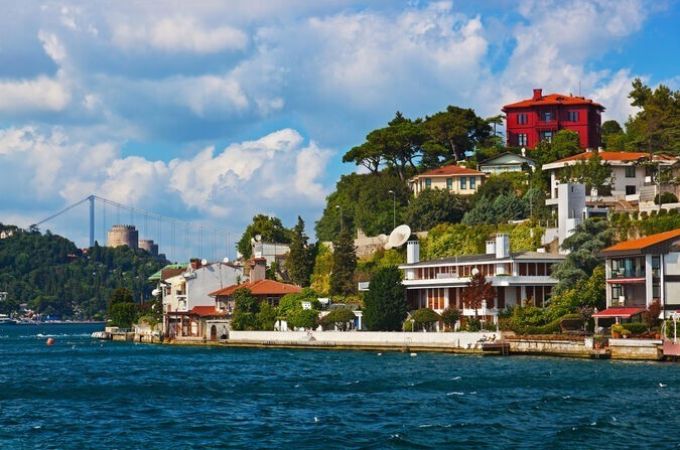
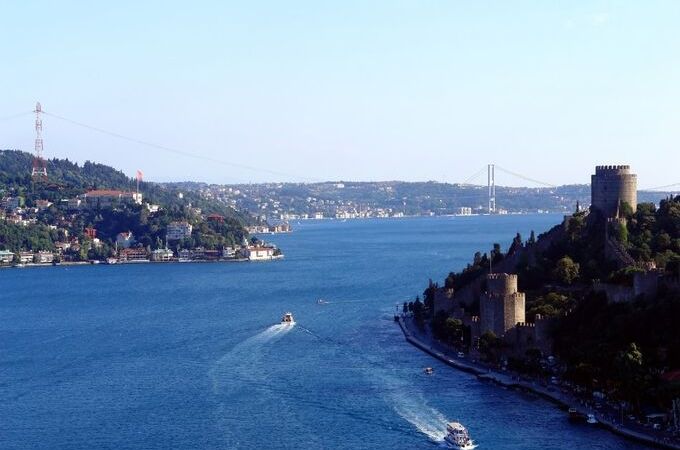
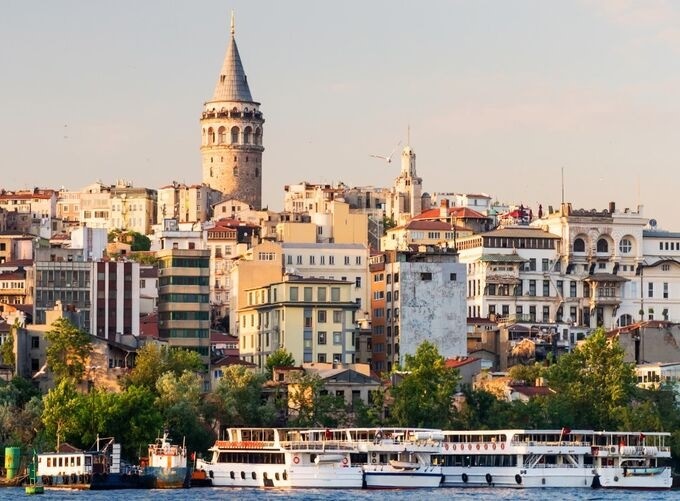
It sits at the crossroads of Europe and Asia, connected by the Bosphorus Strait, one of the world's most famous waterways. Istanbul is the only major city in the world that stretches across two continents, making it a symbol of Turkey's remarkable geographical identity.
This location has shaped the country's history for thousands of years.
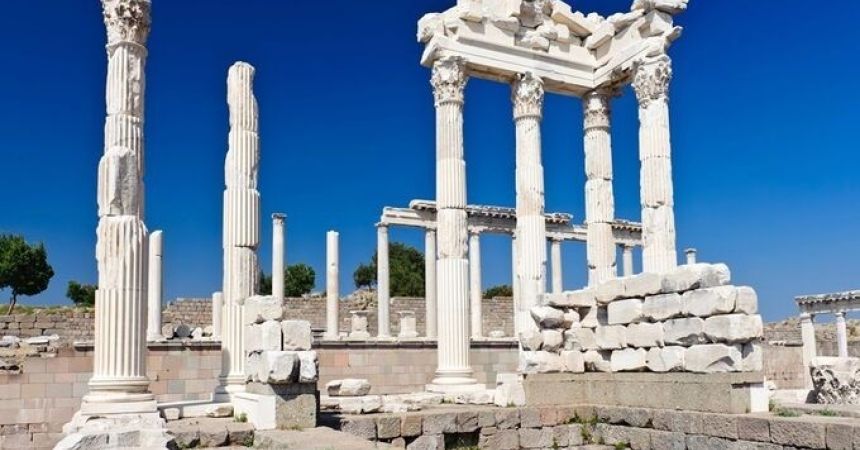
Empires traded through these lands, armies crossed them, and cultures met here long before modern borders existed. As a result, today's Turkey reflects influences from Europe, the Middle East, Central Asia, and the Mediterranean, creating a cultural blend that feels unlike anywhere else.
Because of its strategic location, Turkey also serves as an excellent gateway for travellers exploring the wider region. Many visitors combine Turkey with neighbouring destinations, while others dedicate their entire holiday to discovering the country's extraordinary diversity.
If you're still planning your journey, it's worth taking time to learn how to plan your Turkey itinerary before deciding which regions best suit your interests.
A Country of Remarkable Diversity
One of the first things visitors notice is how quickly the landscape changes.
Drive for a few hours, and it can feel as though you've entered a completely different country.
The lush forests along the Black Sea coast are a world away from the volcanic valleys of Cappadocia. The olive groves and vineyards of the Aegean contrast beautifully with the dramatic peaks of eastern Turkey, while the Mediterranean coastline offers long beaches, hidden bays, and picturesque harbours.
This geographical variety also creates different lifestyles.
Fishing communities thrive along the coast.
Agriculture shapes much of central Anatolia.
Mountain villages preserve traditions that have remained largely unchanged for generations.
Large cities continue to evolve as modern cultural and business centres.
Every region contributes something different to the country's identity.
| Region | Known For |
|---|---|
| Istanbul & Marmara | History, culture, architecture and the Bosphorus |
| Central Anatolia | Cappadocia, cave settlements and volcanic landscapes |
| Aegean Region | Ancient cities, olive groves and charming coastal towns |
| Mediterranean Coast | Beaches, yacht cruises and archaeological sites |
| Black Sea Region | Green mountains, tea plantations and traditional villages |
| Eastern Anatolia | Dramatic scenery, historical landmarks and unique cultural heritage |
For travellers, this means no two journeys through Turkey are ever exactly the same.
Even returning visitors often discover regions that feel completely different from those they explored on their first holiday.
The People Who Make Turkey Memorable
Ask someone who has visited Turkey what they remember most.
Many will mention famous landmarks.
But just as many will talk about the people.
Hospitality has long been part of everyday life in Turkey. Guests are traditionally welcomed with warmth, and simple gestures of kindness often leave a lasting impression.
You might be invited to share a glass of Turkish tea while browsing a small shop.
A restaurant owner may recommend a family recipe that never appears on the menu.
Someone might stop to offer directions before you've even had the chance to ask.
These moments happen naturally.
They're not organised experiences created for tourists—they're simply part of daily life.
That openness helps many first-time visitors feel comfortable very quickly.
Although customs naturally vary between regions and generations, you'll often find that genuine curiosity and polite conversation are appreciated almost everywhere you travel.
For those planning their first visit, it's also helpful to read our first-time visitor guide to Turkey, which explains how to build a comfortable and enjoyable itinerary without trying to see everything in one trip.
More Than One Climate, More Than One Season
Many people imagine Turkey as a country with year-round sunshine.
The reality is far more interesting.
Because of its size and varied geography, Turkey experiences several distinct climate zones.
While travellers relax on Mediterranean beaches during summer, mountain regions may remain noticeably cooler. In winter, ski resorts receive heavy snowfall while coastal cities enjoy comparatively mild temperatures.
This diversity means there is no single "best" time to visit the entire country.
Instead, the ideal season depends on the regions you plan to explore and the experiences you're looking for.
Whether you're interested in cultural sightseeing, hiking, photography, beach holidays, or winter landscapes, Turkey offers opportunities throughout the year.
If you're deciding when to travel, you can find the best time to visit Turkey by comparing seasonal weather, regional conditions, and the experiences each month offers.
Understanding the country before you arrive won't replace the excitement of discovering it for yourself.
But it will help you appreciate why every region feels so different—and why so many travellers leave feeling they've only scratched the surface of everything Turkey has to offer.
Understanding Everyday Life in Turkey
Learning a few practical facts before you arrive can make your journey much smoother.
Fortunately, Turkey is an easy country to navigate for most international visitors. Modern infrastructure, widespread tourism services, and increasingly digital payment options mean that many everyday situations are straightforward, even if it's your first visit.
That said, knowing how things work locally helps you feel more confident from the moment you land.
From paying for your morning coffee to connecting your phone to the internet, a little preparation goes a long way.
Currency and Payments
Turkey's official currency is the Turkish Lira (TRY).
While you may occasionally see prices quoted in Euros or US Dollars at certain hotels or tourism businesses, most everyday purchases are made in Turkish Lira.
Credit and debit cards are widely accepted throughout the country.
Hotels, shopping centres, restaurants, museums, supermarkets, and most larger businesses accept international Visa and Mastercard cards without difficulty. Contactless payments have also become increasingly common in recent years.
However, carrying a small amount of cash is still a good idea.
Local markets, village cafés, small souvenir shops, taxis in some areas, or family-run businesses may prefer cash payments, particularly outside major tourist centres.
ATMs are easy to find in cities, airports, shopping districts, and popular tourist destinations. Most international bank cards work without problems, although your bank may charge foreign transaction or withdrawal fees.
Instead of exchanging a large amount of money before travelling, many visitors simply withdraw Turkish Lira from local ATMs as needed during their trip.
If you're comparing different holiday options before making reservations, you can browse our collection of Turkey tours to see how transportation, accommodation, and sightseeing are typically combined into complete itineraries.
Language: Do You Need to Speak Turkish?
The official language is Turkish.
For many first-time visitors, this raises an understandable concern.
Will communication be difficult?
In reality, probably not.
English is commonly spoken in airports, hotels, museums, restaurants, and most tourism-related businesses across major destinations such as Istanbul, Cappadocia, Ephesus, Antalya, and the Turkish Riviera.
Outside tourist areas, English may be less common, but people are generally patient and willing to help. Simple gestures, translation apps, and a friendly attitude usually solve most communication challenges.
Learning a few Turkish words isn't essential, but it's always appreciated.
Simple expressions like "Merhaba" (Hello), "Teşekkür ederim" (Thank you), and "Lütfen" (Please) often bring a smile and create a warmer connection with local people.
Time Zone, Electricity and Internet
Turkey follows Turkey Time (TRT) throughout the year.
Unlike many countries, Turkey does not change its clocks seasonally, making travel planning slightly simpler.
Electricity operates on 230 volts using Type C and Type F plugs, the same standard found in many European countries. If you're travelling from countries using different plug types, bringing a universal travel adapter is recommended.
Internet access is generally excellent.
Most hotels, cafés, restaurants, airports, and many public spaces provide free Wi-Fi. Connection quality is usually reliable in cities and popular tourist destinations.
Many travellers also choose to purchase a local SIM card or activate an international eSIM shortly after arrival, allowing easy access to maps, messaging apps, online bookings, and translation tools throughout their journey.
Transportation Across the Country
Turkey's size often surprises visitors, but its transportation network makes travelling between regions remarkably convenient.
Domestic flights are the quickest way to cover longer distances.
For example, flying between Istanbul and Cappadocia takes little over an hour, while flights also connect major destinations such as Izmir, Antalya, Ankara, and other regional airports.
For shorter journeys, modern highways and comfortable intercity coaches provide another reliable option.
Within cities, transportation is equally straightforward.
Istanbul offers an extensive public transport system that includes metro lines, trams, ferries, buses, and funicular railways. Other major cities also operate efficient local transport, while taxis and app-based ride services are widely available in many urban areas.
Visitors who prefer maximum convenience often arrange airport transfers or private transportation, especially when travelling with luggage or visiting several destinations during one itinerary.
Practical Information at a Glance
| Information | Details |
|---|---|
| Official Currency | Turkish Lira (TRY) |
| Official Language | Turkish |
| Time Zone | Turkey Time (TRT), UTC +3 |
| Electricity | 230V, Type C & F plugs |
| Internet | Excellent coverage in cities and tourist destinations |
| Credit Cards | Widely accepted |
| ATMs | Readily available throughout the country |
These practical details may seem small, but together they make travelling through Turkey surprisingly comfortable for international visitors.
Once you understand the basics, you can spend less time worrying about logistics and more time enjoying the experiences that brought you here in the first place.
If you're looking beyond general country information, you can also explore Turkey's most popular destinations to better understand how each region offers its own unique history, landscapes, and travel experiences.
Everyday Culture: What Visitors Often Notice First
One of the most enjoyable parts of travelling is discovering how everyday life differs from home.
In Turkey, those differences are usually subtle rather than overwhelming. Daily life feels familiar in many ways, yet there are countless small traditions and customs that give the country its unique character.
You might notice people greeting neighbours as they pass, families gathering for long breakfasts on weekends, or cafés where conversations continue for hours over small glasses of Turkish tea.
Life often feels unhurried when it comes to socialising.
Meals are rarely rushed, hospitality is genuine, and spending time together is considered just as important as the meal itself.
For visitors, these moments often become some of the most memorable parts of the journey.
Hospitality Is Part of the Culture
If there's one thing travellers consistently mention after visiting Turkey, it's the warmth of the people.
Hospitality isn't simply good customer service—it's deeply rooted in Turkish culture.
Guests are traditionally treated with generosity and respect, whether they're visiting someone's home or simply browsing a small local shop.
Don't be surprised if you're offered a glass of Turkish tea while shopping or waiting.
In many places, it's simply a friendly gesture rather than an invitation to buy something.
Restaurant owners often recommend their favourite dishes, hotel staff are usually happy to share local suggestions, and people may go out of their way to help if you appear lost.
These interactions rarely feel formal.
Instead, they reflect a culture where making visitors feel welcome is something people genuinely enjoy.
Local Customs and Social Etiquette
You don't need to memorise a long list of rules before visiting Turkey.
Common courtesy and respect go a long way.
When entering mosques, visitors are expected to dress modestly and remove their shoes before entering the prayer area. Women may be asked to cover their hair in certain places of worship, although scarves are often available at major tourist sites.
Outside religious sites, clothing is generally relaxed, especially in major cities and coastal destinations.
Popular beach resorts naturally have a much more casual atmosphere than traditional neighbourhoods or rural communities.
Greeting people politely, saying thank you, and showing patience are appreciated everywhere.
If you're invited into someone's home, bringing a small gift such as sweets or chocolates is considered a thoughtful gesture, although never expected from tourists.
Turkey is a modern country with regional differences, so attitudes naturally vary between large cities, seaside resorts, and smaller towns.
Most visitors find the atmosphere welcoming, relaxed, and easy to adapt to.
Shopping Is More Than Buying Souvenirs
Shopping in Turkey is often an experience in itself.
Of course, you'll find modern shopping malls with international brands, but many travellers are drawn to traditional bazaars, artisan workshops, and family-owned stores.
Markets are full of colour, local products, spices, handmade ceramics, textiles, leather goods, jewellery, and Turkish delights displayed in ways that invite you to slow down and explore.
In some traditional markets, friendly bargaining is still part of the shopping culture.
It's usually done with a smile and good humour rather than confrontation.
Fixed-price stores, supermarkets, shopping centres, and most larger retailers operate just like those in Europe or North America.
Rather than focusing only on souvenirs, many visitors enjoy bringing home locally produced olive oil, Turkish tea, handmade ceramics, woven textiles, spices, or regional delicacies that remind them of their journey.
Turkish Cuisine Is About Sharing
Food in Turkey is far more than simply eating.
Meals bring people together.
Whether you're enjoying breakfast with friends, a family lunch, or dinner overlooking the Bosphorus, the experience often unfolds slowly.
Sharing is part of the tradition.
Instead of ordering individual starters, many restaurants serve colourful plates of meze that everyone enjoys together before the main course arrives.
Regional diversity also plays an important role.
Seafood dominates many coastal menus.
Olive oil dishes are especially popular around the Aegean.
Central Anatolia is known for hearty traditional recipes, while southeastern Turkey is famous for rich flavours and distinctive spices.
No matter where you travel, fresh ingredients remain at the heart of Turkish cooking.
Bread is baked daily, vegetables are seasonal, and desserts such as baklava have become internationally recognised for good reason.
Visitors with vegetarian, vegan, or special dietary requirements will usually find plenty of suitable options, particularly in larger cities and established tourist destinations.
Understanding Religion and Daily Life
Turkey is a secular republic with a predominantly Muslim population.
For many visitors, this simply becomes part of the atmosphere rather than something that affects their holiday.
Throughout the day, you may hear the call to prayer echo across cities and towns.
It's a beautiful reminder of the country's cultural heritage and continues to be part of everyday life for many communities.
At the same time, daily life varies greatly across different regions.
Large cities such as Istanbul, Izmir, and many coastal destinations are highly cosmopolitan, while smaller towns may follow more traditional customs.
This diversity is one of Turkey's defining characteristics.
Rather than seeing one version of the country, travellers experience many different lifestyles during a single journey.
If you're interested in understanding how these regions come together in one itinerary, you can discover our Turkey travel planning guide before deciding which parts of the country you'd most like to explore.
A Culture That Values Time Together
Perhaps the biggest cultural difference visitors notice isn't found in museums or historical sites.
It's found around the table.
Friends meeting for tea.
Families sharing long evening meals.
Neighbours stopping for conversation.
Shopkeepers chatting with regular customers.
Life often feels less hurried than many visitors expect.
Even in busy cities, people frequently make time for conversation and connection.
For travellers, this creates an atmosphere that feels welcoming rather than transactional.
Instead of simply moving from one attraction to the next, you gradually begin to experience the rhythm of everyday life.
And that's often when Turkey feels less like a destination on a map and more like a place you'll want to return to.
Useful Information Before You Explore Turkey
By the time you arrive in Turkey, you'll probably be thinking more about the places you want to visit than practical details.
Even so, understanding a few everyday essentials can save both time and unnecessary stress during your trip.
Museums and historical attractions generally open in the morning and close in the late afternoon or early evening, although opening hours vary depending on the season and the site itself. During national holidays or religious celebrations, some attractions and businesses may operate on different schedules, so it's always worth checking in advance.
Pharmacies are easy to find in cities and tourist areas. Outside normal business hours, designated on-duty pharmacies remain open every day, ensuring visitors can access essential medications whenever needed.
Drinking bottled water is common throughout the country, although tap water is widely used for cooking and everyday household purposes.
If you're travelling during summer, carrying a reusable water bottle, sunscreen, and a hat will make sightseeing much more comfortable, especially when visiting archaeological sites with limited shade.
Safety and Confidence While Travelling
One question that appears in almost every travel forum is whether Turkey is safe for visitors.
For the vast majority of tourists, the answer is yes.
Millions of international travellers visit Turkey every year without experiencing any significant problems. Popular destinations such as Istanbul, Cappadocia, Ephesus, Pamukkale, Antalya, Bodrum, and other tourism centres have well-developed visitor infrastructure and are accustomed to welcoming guests from around the world.
Like travelling anywhere, basic precautions are always sensible.
Keep personal belongings secure in crowded places, use licensed taxis or reputable transportation services, and stay aware of your surroundings in busy tourist areas.
Most visitors find that common sense is all that's needed.
In return, they'll experience a country known not only for its famous landmarks but also for the kindness and helpfulness of its people.
Turkey at a Glance
| Essential Information | Details |
|---|---|
| Official Name | Republic of Türkiye |
| Capital City | Ankara |
| Largest City | Istanbul |
| Official Language | Turkish |
| Currency | Turkish Lira (TRY) |
| Time Zone | UTC +3 (Turkey Time) |
| Electricity | 230V, Type C & F plugs |
| Driving Side | Right-hand side |
| International Dialling Code | +90 |
| Emergency Number | 112 |
Having these basics in one place makes it easier to prepare before travelling and gives you a quick reference during your trip.
If you're now ready to move beyond country information and start organising your holiday, you can discover our Turkey travel planning guide to understand how different regions fit together into a well-balanced itinerary.
Frequently Asked Questions
1. Where is Turkey located?
Turkey is a transcontinental country connecting Europe and Asia. Its unique location has influenced trade, culture, and history for thousands of years, making it one of the world's most culturally diverse destinations.
2. What language is spoken in Turkey?
Turkish is the official language. English is widely spoken in hotels, airports, restaurants, and major tourist destinations, making communication relatively easy for most international visitors.
3. What currency is used in Turkey?
The official currency is the Turkish Lira (TRY). Credit cards are widely accepted, although carrying some cash is useful when visiting local markets, cafés, or smaller businesses.
4. Which plug adapter do I need?
Turkey uses Type C and Type F electrical sockets with a 230-volt supply. Travellers from countries using different plug types should bring a universal travel adapter.
5. Is Wi-Fi available?
Yes. Most hotels, cafés, restaurants, airports, and many public spaces provide free Wi-Fi. Mobile coverage is also excellent across most of the country.
6. Is Turkey suitable for family holidays?
Absolutely. Turkey offers family-friendly accommodation, historical attractions, beaches, outdoor activities, and efficient transportation, making it an excellent destination for travellers of all ages.
7. Should I carry cash?
Yes, but only a modest amount. Cards are accepted almost everywhere, while cash is helpful for small purchases, local markets, taxis in some areas, and independent shops.
8. What should I wear when visiting Turkey?
Comfortable clothing suitable for the season is ideal. When visiting mosques, modest attire is recommended, and shoes should be removed before entering the prayer area.
9. Is tipping expected?
Tipping is appreciated but generally modest. Many visitors leave small tips for restaurant staff, hotel porters, drivers, and guides as a gesture of thanks for good service.
10. Can I drink tap water?
Most visitors choose bottled drinking water, which is inexpensive and widely available. Bottled water is commonly provided by hotels and sold throughout the country.
11. Is public transportation reliable?
Yes. Turkey has an extensive network of domestic flights, buses, metro systems, trams, ferries, and taxis, making it easy to travel both within cities and between regions.
12. What makes Turkey different from other destinations?
Turkey offers an exceptional combination of history, natural beauty, diverse landscapes, welcoming hospitality, and cultural heritage. Few countries allow visitors to experience so many different environments and traditions within a single journey.

A travel professional specializing in tailor-made travel planning, guest experience management, and multi-destination tourism operations.
With over 23 years of experience in the travel industry, he designs and manages private and cultural tours for international travelers across Türkiye, Greece, Egypt, Jordan, Morocco, and other destinations.
He has strong expertise in both online and face-to-face guest communication, sales processes, and end-to-end travel operations.
Working closely with hotels, travel agencies, and local partners, he ensures smooth coordination and high-quality travel experiences at every stage of the journey.
His focus is on delivering personalized, reliable, and seamless travel experiences for international guests worldwide.