How Long Should You Stay in Istanbul? A Realistic Guide
Updated: August 2026
The most common answer to “How long should I stay in Istanbul?” is three days.
It is also one of the least useful answers.
Three days can be enough for one traveler and frustratingly short for another. A first-time visitor interested mainly in the Blue Mosque, Hagia Sophia, Topkapı Palace and the Grand Bazaar can see a substantial amount in three well-organized days. Someone who wants those landmarks plus Kadıköy, Balat, a proper Bosphorus experience, several museums, long meals and evenings that do not feel rushed will need considerably more time.
The real problem is that travelers often count hotel nights instead of usable days.
A four-night Istanbul booking sounds generous until the flight arrives at 18:30 on the first day and departs at 08:00 on the last. Suddenly the traveler has three real days rather than five calendar dates.
That distinction changes everything.
So instead of asking for one universal number, the better question is:
How much Istanbul do you actually want, and how much time are you willing to take away from the rest of Turkey to get it?
For most first-time visitors, the sweet spot is four nights, producing three full days plus arrival or departure time. Travelers who enjoy cities deeply often benefit from five or six nights, while two nights should be treated as a compressed introduction rather than a complete Istanbul experience.
Count Full Days Before You Count Nights
This is the first planning rule.
Imagine two travelers.
Traveler A books four nights and arrives at 10:00 on Day 1, departing late on Day 5.
Traveler B also books four nights but arrives after dinner and leaves before breakfast.
They technically have the same hotel stay.
They do not have the same Istanbul trip.
For sightseeing purposes, think in usable blocks of time:
- full sightseeing day;
- half arrival day;
- half departure day;
- late arrival with almost no usable time;
- early departure with no usable time.
This matters especially in Istanbul because airport transfers, check-in and city traffic can consume meaningful time.
A “three-day trip” should therefore mean three usable days rather than three dates appearing on the booking confirmation.
Two Full Days: Possible, but Ruthless
Two full days can work if Istanbul is only one stage in a larger Turkey itinerary and you accept that many things will remain unseen.
The city must be treated almost surgically.
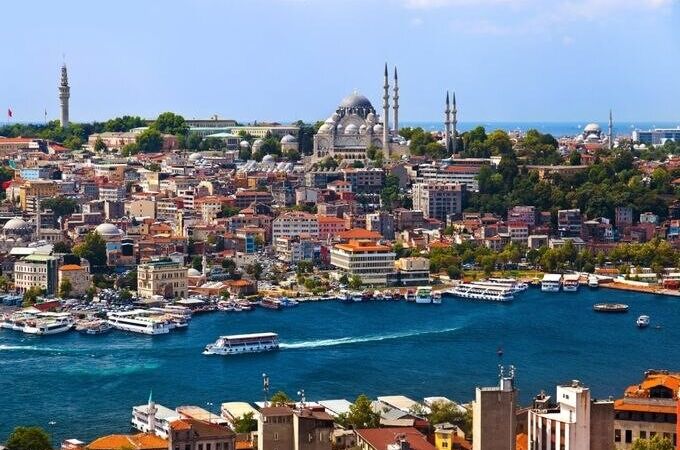
One day can concentrate on the historic peninsula. Another can introduce the Bosphorus, Beyoğlu or another major district depending on your interests.
The problem is not that Istanbul lacks efficiency.
It is that the city rewards distraction.
A market street makes you stop.
Lunch takes longer.
A mosque closes temporarily for prayer.
A ferry becomes more appealing than the museum you intended to visit.
With only two days, every unplanned hour feels expensive.
This duration suits travelers who prefer major highlights over atmosphere and who know they are likely to return.
It is much less satisfying for travelers who judge a city by neighborhoods, food and ordinary daily life rather than monuments alone.
Three Full Days: The Minimum I Would Recommend for a First Visit
Three full days is where Istanbul begins to feel coherent.
You can give one substantial block to the historic peninsula without trying to force Topkapı Palace, Hagia Sophia, the Blue Mosque, Basilica Cistern and every nearby museum into one breathless sequence.
Another day can move toward the Bosphorus and Beyoğlu.
The third creates flexibility: perhaps the Asian side, another neighborhood, a museum, a hammam or a slower food-focused day.
This is the crucial difference from two days.
You stop asking:
“What can I cut?”
and begin asking:
“What kind of Istanbul do I want after the major sights?”
For many first-time visitors on a ten- to twelve-day Turkey journey, three full Istanbul days provide the best balance.
Four Full Days: Where Istanbul Starts Feeling Like a City, Not a Stop
A fourth day does not simply add four more attractions.
It changes the pace of the previous three.
That is much more valuable.
You can revisit somewhere at a better time rather than forcing every sight into its first available slot. You can cross to Kadıköy or Üsküdar without worrying that the Asian side is stealing time from the Blue Mosque. Lunch can last ninety minutes.
A Bosphorus ferry no longer needs to double as a transportation shortcut.
You can walk through a neighborhood where nothing famous is scheduled.
This is why four full days often feels disproportionately better than three.
The extra day buys permission to waste time well.
In a city such as Istanbul, that is not wasted time at all.
Five Full Days: Best for Travelers Who Actually Like Large Cities
Five days is where traveler personality becomes more important than attraction count.
People who love London, Paris, Rome, New York or Tokyo tend to understand why five Istanbul days can disappear easily. They enjoy urban systems rather than only landmarks.
One neighborhood leads into another.
Food becomes part of the itinerary.
Ferries become enjoyable in their own right.
Museums can receive actual attention.
You can spend an afternoon in Kadıköy, return to the European side, and not feel you sacrificed anything critical.
This duration is particularly good for travelers who want Istanbul to be one of the central destinations of the trip, not merely the airport gateway to Cappadocia and Ephesus.
Six or Seven Days: Excellent for the Right Traveler, Excessive for the Wrong One
A week in Istanbul is not too long.
It can still be the wrong choice.
If your entire Turkey trip lasts eight days and you also dream of Cappadocia, seven Istanbul nights probably distort the itinerary.
If you have three weeks, enjoy cities and want to explore Istanbul slowly, a week can be wonderful.
Longer stays allow you to stop treating geographic areas as sightseeing missions.
You can spend different days around the Asian side, Bosphorus neighborhoods, local markets and less central districts without constantly returning to the famous core.
The distinction is simple:
stay longer because you want deeper Istanbul, not because you are afraid of missing something.
You will miss something regardless.
The city is too large to complete.
A Better Way to Choose: What Does Each Extra Day Buy?
| Usable Istanbul time | What it realistically gives you | Main compromise |
|---|---|---|
| 1 day | Snapshot of major historic core | Almost no city context |
| 2 days | Historic center + one additional Istanbul layer | Highly compressed |
| 3 days | Strong first-time highlights + some variety | Limited neighborhood depth |
| 4 days | Highlights + Bosphorus/Asian side + slower rhythm | Less time elsewhere in Turkey |
| 5 days | Deeper city experience and better pacing | Requires real interest in urban travel |
| 6–7 days | Neighborhood-level exploration and repeat experiences | Only sensible in longer Turkey trips |
This is much more useful than declaring a winner.
The correct duration depends on what the rest of the journey needs.
The Historic Peninsula Can Consume More Time Than You Expect
Travelers often estimate Sultanahmet by counting buildings.
That is not how the day behaves.
Topkapı Palace can consume significant time if you explore it properly.
Basilica Cistern may involve queues.
Mosques remain functioning religious spaces, so worship schedules matter.
The Grand Bazaar pulls people sideways even when they intended to stay thirty minutes.
Then there is walking, security, lunch and simply looking around.
This is why allocating one “Old City day” and expecting every major historical site to fit comfortably can create unnecessary frustration.
Istanbul’s headline attractions are geographically concentrated.
That does not mean they are temporally compressed.
Do Not Let the Bosphorus Become Something You See From a Taxi
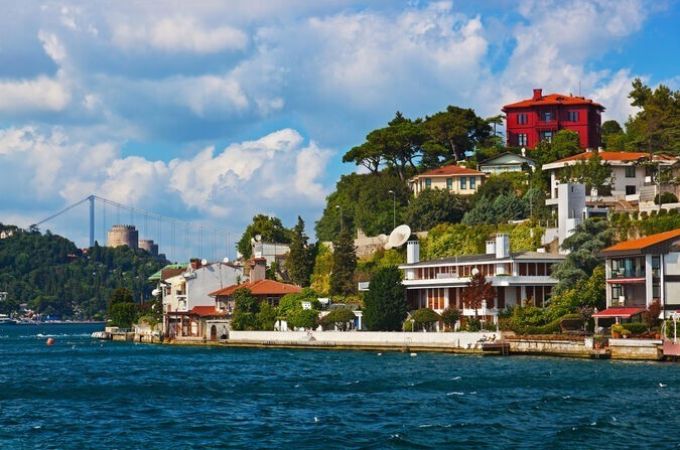
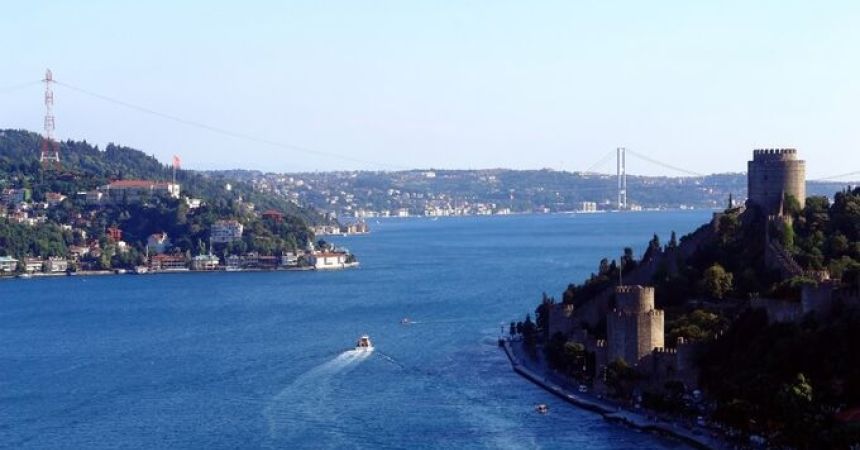
The Bosphorus is one of the defining reasons Istanbul feels unlike almost any other major city.
Yet short itineraries often treat it as background.
Travelers cross a bridge, photograph the water from a palace, perhaps see ferries while moving between sights, and then declare they experienced the Bosphorus.
Give it time.
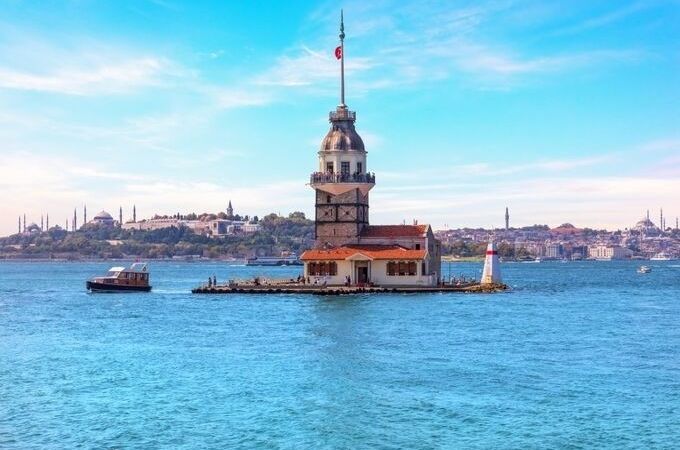
A public ferry, a proper cruise or simply moving between neighborhoods by water changes the scale of Istanbul.
The city begins to make geographical sense.
This is one of the strongest arguments for a fourth day.
Travelers who want the water to become a meaningful part of the visit can consider Istanbul Bosphorus tour routes rather than squeezing the experience into whatever time remains after museums.
The Asian Side Is Not Mandatory — but It Reveals a Different Istanbul
First-time visitors sometimes feel pressured to visit Kadıköy or Üsküdar because someone told them the “real Istanbul” is on the Asian side.
That framing is unhelpful.
Sultanahmet is real Istanbul.
Beyoğlu is real Istanbul.
Kadıköy is real Istanbul.
They simply express the city differently.
The Asian side becomes particularly valuable once you have four or more days because you can experience it without treating the ferry crossing as a sacrifice.
Kadıköy suits travelers interested in food, ordinary neighborhood life and a less monument-driven afternoon.
Üsküdar offers another relationship with the Bosphorus and the European skyline.
Neither needs to be squeezed into a two-day itinerary merely to prove you crossed continents.
Museum Travelers Need More Time Than Landmark Travelers
Two people can visit Istanbul with completely different time requirements.
A landmark traveler sees Topkapı Palace and moves on.
A museum traveler reads.
Looks.
Returns to a room.
Visits another collection nearby.
The same building can therefore consume one hour or three.
If Ottoman, Byzantine or archaeological history genuinely interests you, add a day.
Do not respond by moving faster.
Depth is the reason you traveled.
The itinerary should support that.
This applies especially to travelers who already know that museums are not merely rainy-day alternatives.
Food Travelers Should Add Time Instead of More Restaurants
Food-focused travelers make another common mistake: they keep the same three-day itinerary and add ten places to eat.
The result is meals scheduled like medical appointments.
Istanbul food works better when time exists around it.
Breakfast can run late.
A market becomes lunch.
Tea interrupts the afternoon.
Dinner may shift neighborhoods entirely.
If food is one of your major interests, four or five days becomes far more comfortable because you are not constantly choosing between eating properly and seeing something major.
Travelers who want food woven naturally into sightseeing can use Istanbul private cultural journeys rather than stacking separate experiences until the city begins feeling over-programmed.
Families Usually Need More Time but Fewer Sights
Families often underestimate how long ordinary transitions take.
Breakfast.
Getting everyone downstairs.
Transport.
Toilets.
Lunch.
Someone becoming tired inside a palace.
That does not mean families need seven days.
It means they should reduce the attraction density inside whichever duration they choose.
Four nights can work beautifully when the itinerary includes fewer major targets each day.
A three-night family stay attempting to reproduce an ambitious adults-only schedule can become exhausting quickly.
The strongest family Istanbul trips are not those where children survive the maximum number of monuments.
They are the ones where nobody spends the final afternoon wishing they had left yesterday.
Older Travelers Should Budget Energy, Not Just Time
Istanbul can be physically demanding.
Hills matter.
Stone surfaces matter.
Large palaces matter.
Long museum corridors matter.
Even short distances on a map can become more tiring when crowds, stairs and uneven streets enter the equation.
For older travelers, an extra day can dramatically improve the trip because the same experiences are spread across shorter daily periods.
This is not about seeing more.
It is about seeing the same amount better.
Private transportation or guiding can help, but no vehicle can completely remove the physical reality of historic Istanbul.
Arrival Day Should Rarely Carry an Important Reservation
International arrivals are unpredictable.
Immigration can take time.
Luggage can take time.
Traffic can take time.
Jet lag can take everything else.
The smartest first day usually contains nothing that creates anxiety if the flight is delayed.
Check in.
Walk nearby.
Eat.
Perhaps explore a neighborhood or waterfront depending on arrival time.
Do not build the entire itinerary around reaching a specific museum before closing three hours after the aircraft lands.
Arrival day should help you enter Istanbul.
It should not test whether your logistics worked perfectly.
Your Last Day Is More Valuable Than You Think
Travelers often psychologically abandon the departure day.
That is unnecessary when the flight leaves late.
A well-located hotel can allow breakfast, a final walk, shopping or one additional experience before the airport transfer.
This is another reason to think in usable hours rather than nights.
A five-night stay with an evening departure may effectively deliver substantially more Istanbul than another five-night stay with a dawn flight.
When comparing flight options, consider the time they create inside the destination, not simply the airfare.
Do You Need a Day Trip From Istanbul?
Not on a first short stay.
This is one of the clearest duration rules I would apply.
If you have three full Istanbul days, stay in Istanbul.
There is already more city than you can reasonably experience.
Day trips become more interesting when you have five or six days, have visited before, or have a specific historical interest strong enough to justify leaving.
Otherwise, traveling away from a city you have barely begun understanding often creates more checklist satisfaction than actual value.
The destination outside Istanbul may be worthwhile.
That does not mean this particular trip is the right time to see it.
Istanbul and Cappadocia Compete for Days in Most First Trips
This is where the duration decision becomes strategic.
Suppose you have seven nights in Turkey.
Five in Istanbul and two in Cappadocia gives Istanbul excellent depth but makes Cappadocia fragile, particularly if ballooning matters.
Three in Istanbul and four in Cappadocia reverses the balance.
Neither is inherently wrong.
The important thing is acknowledging the trade.
With ten to twelve days, a much more comfortable structure becomes possible.
Travelers connecting the two major destinations can use Istanbul Cappadocia travel programs to organize transport efficiently while protecting enough full days in each.
A city should not receive extra nights merely because it happens to be where the international flight lands.
Repeat Visitors Should Stay Differently, Not Necessarily Longer
A second Istanbul trip should not simply repeat Sultanahmet more slowly.
Change the base.
Stay in another neighborhood.
Spend more time on the Asian side.
Focus on food, Bosphorus districts, museums or everyday urban life.
Three days on a repeat visit can feel deeper than five days on a first visit because orientation has already happened.
You know how ferries work.
The street layout feels less intimidating.
You are less anxious about completing famous attractions.
This is why duration and familiarity interact.
The right number of days changes after the first trip.
So, How Long Should You Actually Stay?
For most first-time visitors, I would recommend three full days as the minimum and four full days as the ideal starting point.
Two days works when the wider Turkey itinerary genuinely needs the time elsewhere.
Five days suits travelers who enjoy cities deeply, care about food and neighborhoods or prefer slower sightseeing.
Six or seven days becomes excellent in longer journeys or for repeat visitors.
The important number is not nights.
It is full usable days after arrival and departure logistics are removed.
If you remember only one rule from this guide, make it that.
Three real days in Istanbul are more valuable than a five-day booking that delivers only two and a half.
Frequently Asked Questions About How Long to Stay in Istanbul
1. Is three days enough for Istanbul?
Three full days can provide a strong first introduction covering major historical areas plus some Bosphorus or neighborhood time. It becomes less comfortable for travelers interested in museums, food, the Asian side and slower exploration because each additional interest competes for the same limited hours.
2. Is four days in Istanbul too much?
Not at all. Four full days often provide an excellent first-time balance because major sights can be spread more comfortably while leaving room for a Bosphorus experience, another neighborhood, longer meals or the Asian side without creating an exhausting schedule.
3. Can Istanbul be seen in two days?
You can see important highlights in two full days, but the experience will be compressed and heavily selective. This duration works best when Istanbul is one part of a larger Turkey journey and you are comfortable leaving neighborhoods and secondary experiences for another visit.
4. Is five days worth spending in Istanbul on a first trip?
Yes for travelers who enjoy large cities, food, museums and neighborhood exploration. Five days allows Istanbul to become more than a collection of monuments, although travelers on shorter Turkey itineraries should consider whether the extra city day weakens another major destination.
5. How many nights should I book for three full Istanbul days?
That depends on flight times. Four nights commonly produce three useful full days, but a late arrival or very early departure can reduce effective sightseeing time significantly. Always calculate usable hours rather than assuming hotel nights translate directly into travel days.
6. Should I spend more time in Istanbul or Cappadocia?
The answer depends on interests and total trip length. Istanbul rewards history, food and urban exploration, while Cappadocia needs enough nights for landscapes, sightseeing and weather-dependent activities. Short itineraries should protect meaningful time in both rather than maximizing one automatically.
7. Is the Asian side worth adding on a three-day stay?
It can be, particularly if food and neighborhood life interest you, but it is not mandatory for a short first visit. Travelers with four or more days can usually explore Kadıköy or Üsküdar more comfortably without sacrificing major historic priorities.
8. Should families spend more days in Istanbul?
Often yes, but primarily to slow the daily pace rather than add attractions. Families benefit from fewer major sights per day, flexible meal breaks and easier evenings, making four nights or more comfortable when Istanbul is an important part of the trip.
9. Do I need a full day for Sultanahmet?
Many travelers benefit from giving the historic peninsula most of a day because major sites require more time than their geographic proximity suggests. Palace visits, queues, mosque schedules, meals and walking can make an overly ambitious half-day plan unnecessarily rushed.
10. Should I take a day trip if I only have four days in Istanbul?
Usually not on a first visit unless the excursion reflects a very specific interest. Istanbul itself offers more than enough for four days, and leaving the city can reduce the time available for neighborhoods, museums and the Bosphorus disproportionately.
11. Is a week in Istanbul too long?
No for travelers who genuinely enjoy cities or are returning for a deeper visit. A week allows neighborhood-level exploration and much slower days, although spending seven nights in Istanbul may be difficult to justify inside a short first-time Turkey itinerary.
12. What is the biggest mistake when deciding how long to stay in Istanbul?
The biggest mistake is counting nights instead of usable days. Flight arrival times, airport transfers and early departures can remove large portions of the stay, so duration should be planned according to real sightseeing hours and the traveler’s preferred pace.

A travel professional specializing in tailor-made travel planning, guest experience management, and multi-destination tourism operations.
With over 23 years of experience in the travel industry, he designs and manages private and cultural tours for international travelers across Türkiye, Greece, Egypt, Jordan, Morocco, and other destinations.
He has strong expertise in both online and face-to-face guest communication, sales processes, and end-to-end travel operations.
Working closely with hotels, travel agencies, and local partners, he ensures smooth coordination and high-quality travel experiences at every stage of the journey.
His focus is on delivering personalized, reliable, and seamless travel experiences for international guests worldwide.