Egypt Weather in March: Spring Heat Begins to Build
Last Updated: August 8, 2026
March is when Egypt begins changing the rules of the day.
The difference may not seem dramatic at first. An early morning in Cairo can still feel fresh enough for a light jacket, while evenings beside the Nile remain comfortable rather than hot. Travel south, however, and the seasonal shift becomes harder to ignore. Luxor warms more quickly, Aswan feels increasingly sun-soaked, and the hours you choose for archaeological sightseeing begin to matter more than they did a few weeks earlier.
This is what makes March interesting. It still offers much of the outdoor freedom associated with Egypt's cooler travel season, but it also provides an early lesson in how the country should be explored as temperatures rise: start intelligently, respect the midday sun and don't assume Cairo's weather tells you anything useful about Abu Simbel.
For travellers combining history, desert landscapes and perhaps the Red Sea, March can be exceptionally rewarding. It simply asks for a little more thought about when you do things.
March Is a Month of Movement, Not a Fixed Season
Calling March “spring in Egypt” is convenient, but it doesn't explain very much.
Egypt's geography creates several versions of the month. Cairo and the north may still produce mild conditions, while Upper Egypt can feel considerably warmer. The Red Sea has its own coastal character, and desert environments can move between warm afternoons and surprisingly cooler evenings.
| Region | March Character | What Changes for Travellers |
|---|---|---|
| Cairo & Giza | Mild to increasingly warm | Excellent walking weather on many days |
| Luxor | Warm, sunny and dry | Earlier archaeological visits become smarter |
| Aswan | Warmer southern conditions | Shade and timing gain importance |
| Abu Simbel | Warm and exposed | Early excursions work particularly well |
| Hurghada | Pleasant Red Sea conditions | Outdoor and marine activities strengthen |
| Sharm el-Sheikh | Increasingly warm | Beach and reef time become more appealing |
| Western Desert | Warm days, cooler nights | Good period, but conditions deserve attention |
March therefore isn't a month to plan according to one national average. A route through Egypt can still cross noticeably different conditions, and that variety should influence both your suitcase and your daily schedule.
Cairo Still Gives You Room to Wander
March can be an excellent time to discover how much of Cairo exists beyond the places everyone already knows.
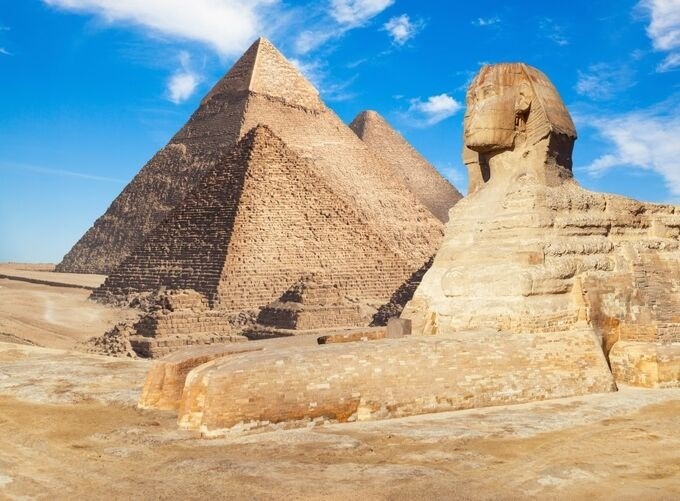
Of course you should see Giza. Standing beside the Great Pyramid is one of those rare travel experiences where familiarity does very little to reduce the impact of the real thing. What often gets sacrificed, however, is the city surrounding it.
Cairo deserves another day.
Walk through historic districts, visit mosques and museums, spend time around the Nile, and allow yourself to enter a café without having calculated exactly how many minutes you can afford to stay. March often gives you the weather to do this comfortably, particularly when you begin earlier in the day.
Travellers wanting a broader introduction can explore Cairo heritage experiences, combining Egypt's ancient landmarks with later chapters of a city that never stopped accumulating history after the pyramids were completed.
Giza Is Better When It Isn't a Race
The Giza Plateau looks deceptively compact in photographs. Once you're there, distances become more obvious, as does the amount of time you can spend outside.
March is still generally favourable for this, but the strengthening sun makes sensible timing increasingly useful. Arriving earlier allows you to explore before the warmest part of the day and often gives the visit a better rhythm.
Don't turn that into an obsession with beating everyone to the pyramids. Giza is one of the world's most famous archaeological landscapes; expecting solitude is an excellent way to begin the morning disappointed.
Instead, give yourself enough time that crowds stop being the only thing you notice.
Walk farther from the obvious viewpoint. Look back towards Cairo. Notice how abruptly one of the world's largest cities meets the desert plateau.
That contrast tells you something no pyramid photograph can.
Luxor Is Where March Starts Feeling Serious
If Cairo eases into March, Luxor is less subtle.
Daytime warmth becomes more noticeable, particularly as the month advances, and exposed archaeological sites begin rewarding earlier starts.
This doesn't mean racing through breakfast in darkness every morning. It means using the coolest hours for places where you will spend the most time outside.
The West Bank is the obvious example.
Valley of the Kings, Hatshepsut's temple and other sites sit within a dry landscape that offers little illusion about where you are. The desert is right there, and by March the sun is beginning to remind you of it.
A sensible day might place the most exposed sightseeing in the morning, allow a genuine break around lunch, then return to another experience later rather than insisting on continuous touring simply because the itinerary contains enough attractions to fill every hour.
This is the month when pacing begins becoming part of destination knowledge.
The Nile Becomes More Than a Route South
March sunshine changes the relationship with the river.
During winter, deck time can occasionally involve deciding whether you need another layer. As conditions warm, being outdoors on the Nile becomes increasingly easy, particularly during the middle and later parts of the day.
This makes cruising attractive for reasons beyond logistics.
You visit.
Then you stop.
The ship moves while you don't.
After several days in Egypt, that becomes a surprisingly sophisticated luxury.
Our March Nile cruises can connect Luxor and Aswan while preserving this alternation between intense archaeological experiences and long stretches where the landscape does the work for you.
Don't fill those stretches with activities.
Watch the river.
Aswan Begins Asking for Shade
By March, Aswan is moving more decisively towards its warmer personality.
This doesn't make it uncomfortable by definition, but the relationship between sun and schedule becomes more important. Early sightseeing can be rewarding, while the middle of the day may encourage slower plans depending on conditions.
Fortunately, Aswan is unusually good at slowing down.
A felucca doesn't need to achieve anything.
Neither does an hour beside the river.
The city works best when you resist turning it into a base from which to launch a relentless series of excursions.
Yes, Abu Simbel matters.
So do Philae and the region's other historical sites.
But so does sitting somewhere and realising you've been watching boats for half an hour.
That's not wasted time.
That's Aswan.
March Is When Your Packing Strategy Changes
January and February reward layers because morning-to-evening temperature changes can be pronounced. Layers remain useful in March, but sun management now deserves equal attention.
Bring breathable clothing, comfortable walking shoes, sunglasses, sunscreen and a hat that you'll actually wear rather than one purchased specifically for the holiday and abandoned after the first photograph.
A light additional layer remains sensible for Cairo evenings, desert excursions and time on the water, depending on conditions.
Most importantly, pack for your route rather than the word “March.”
Cairo, Luxor, Aswan and the Red Sea do not consult one another before deciding what weather to provide.
March Is a Conversation With the Clock
The month isn't difficult.
It simply begins rewarding travellers who understand that the same attraction can feel completely different at 8:00 a.m. and 2:00 p.m.
That idea will become increasingly important as Egypt moves towards hotter months, but March is where you first begin to notice it.
Go to the exposed sites earlier. Let lunch become an actual break. Use the Nile rather than merely travelling along it. Give Cairo enough time to become a city instead of an arrival point, and allow Aswan to slow the pace rather than filling every available hour with another excursion.
March still gives you considerable freedom.
The difference is that now, Egypt is beginning to ask what you're going to do with it.
Upper Egypt Starts Rewarding Better Timing
By March, the classic journey from Luxor to Aswan still works beautifully, but the most enjoyable version of it is no longer the one that treats every daylight hour equally.
The sun has begun to gain authority.
That doesn't mean hiding indoors every afternoon or setting an alarm before dawn for every excursion. It means recognising that an archaeological site exposed to the desert feels different in the morning than it does several hours later.
Once you understand that, the itinerary becomes easier rather than more restrictive.
Give Luxor's West Bank the Morning
If you have one early start to spend in Luxor, the West Bank is a sensible place to use it.
The Valley of the Kings sits within an exposed desert landscape, and March mornings give you the opportunity to explore before the day reaches its warmer rhythm. Continue towards the Temple of Hatshepsut and the benefit becomes even more obvious; the architecture is extraordinary, but shade is not its defining feature.
This is where good planning should feel invisible. You shouldn't spend the entire visit thinking about weather strategy. You should simply arrive at a sensible hour, walk comfortably and have enough attention left to notice what you're looking at.
Travellers who want to explore the region in greater depth can consider West Bank tours, leaving enough time for individual sites rather than trying to compress thousands of years into a single hurried morning.
Karnak Doesn't Need to Follow Immediately
A common itinerary problem in Luxor is not lack of time.
It's enthusiasm.
You finish the West Bank and think: We could do Karnak this afternoon.
You could.
The more useful question is whether you should.
March gives you enough flexibility to break archaeological sightseeing into better pieces. A long lunch, some time at the hotel or a quieter afternoon beside the Nile can make a later temple visit far more enjoyable than continuing simply because the vehicle is already waiting.
Ancient Egypt isn't going anywhere before tomorrow.
This is one of those rare occasions when history is extremely accommodating.
Cruise Days Need a Different Kind of Planning
The Nile naturally introduces pauses that road-based itineraries often lack, and March is an excellent month to use them properly.
As daytime conditions become warmer, the rhythm of sightseeing followed by sailing begins making even more sense. Visit a site during the more comfortable part of the day, return to the ship, have lunch, and allow the river to carry the afternoon for a while.
| March Cruise Moment | Better Approach |
|---|---|
| Early morning | Prioritise exposed sites |
| Late morning | Continue touring with sun protection |
| Early afternoon | Lunch and slower deck time |
| Late afternoon | Outdoor scenery becomes attractive again |
| Sunset | Stay outside and watch the Nile change |
| Evening | Enjoy the slower cruise rhythm |
You don't need to follow this sequence every day. The value lies in understanding that the cruise itself deserves space in the itinerary.
Abu Simbel Rewards the Early Departure
Nobody particularly enjoys hearing an alarm before sunrise on holiday, but March makes the logic of an early Abu Simbel departure increasingly clear.
The journey from Aswan takes you through a landscape with very little protection from the sun, and reaching the temples earlier generally provides more comfortable conditions for exploring the site.
Once you arrive, resist the temptation to treat the four colossal statues on the façade as the entire experience. The interiors matter, as does the extraordinary modern story of relocating the temples during the construction of the Aswan High Dam.
Travellers continuing this far south can include southern Egypt tours as part of a longer Upper Egypt route, but Abu Simbel deserves enough time to feel like a destination rather than a photograph obtained at the end of a long drive.
Aswan Should Be Where the Schedule Softens
After Luxor's extraordinary concentration of monuments, Aswan provides a useful change of pace.
Use it.
The temptation is to arrive with another list: Philae, Abu Simbel, felucca, Nubian experiences, unfinished obelisk, next flight.
By the time you've completed everything, you've somehow missed Aswan.
March afternoons offer a good reason to avoid that mistake. When the sun becomes stronger, slower time beside the Nile isn't a concession to the weather; it's one of the pleasures of being there.
Take the felucca later.
Sit somewhere with a view.
Order something cold.
Watch the river traffic without needing to know where anyone is going.
You have spent several days studying a civilisation obsessed with eternity.
Surely you can spare an hour.
March Makes Good Itineraries Feel Less Busy
This is the paradox of the month.
As temperatures rise, you might assume the journey becomes harder to organise. In reality, March can improve the itinerary because it encourages a more intelligent rhythm.
Important outdoor sites move earlier.
Lunch becomes a real pause.
Nile sailing gets the time it deserves.
Late afternoon becomes useful again.
Instead of sightseeing continuously, the day develops in chapters.
That's a much better way to experience Upper Egypt than treating every available hour as an empty space waiting for another temple.

March Makes the Red Sea Harder to Ignore
By March, adding the Red Sea to an Egypt itinerary starts to feel less like escaping winter and more like choosing a second kind of holiday.
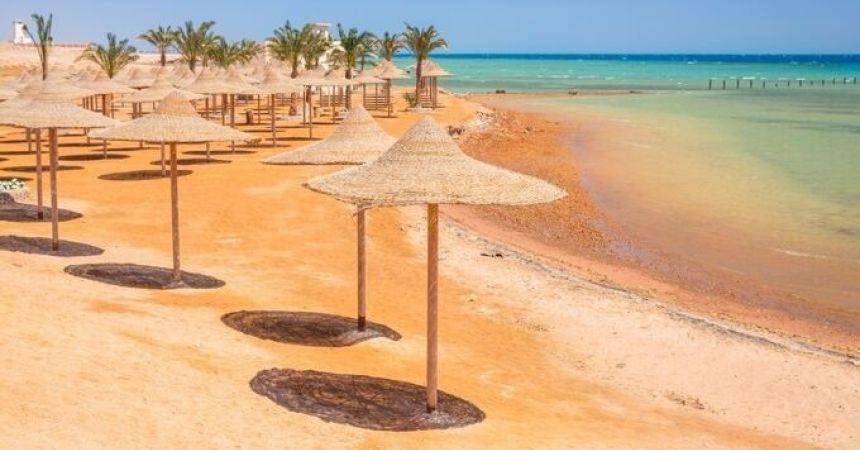
The cultural route remains compelling, of course, but coastal conditions are becoming increasingly attractive. Days generally feel warmer, the sea becomes a more natural part of the schedule, and spending three or four nights in Hurghada or Sharm el-Sheikh no longer needs much explanation.
After Cairo and Upper Egypt, that contrast can be exactly what the journey needs.
One week, you are discussing the symbolism carved into a temple wall. A few days later, somebody is handing you a snorkel.
Egypt contains both experiences comfortably. The challenge is giving each enough time.
Hurghada Can Change the Ending of the Trip
Hurghada makes particular sense after Luxor because the two regions can be connected without returning to Cairo first. That geographical advantage matters when you are trying to avoid turning a holiday into a collection of airport lounges.
March also gives the Red Sea more authority in the itinerary. Sunshine becomes stronger, marine activities remain central, and beach or pool time feels increasingly natural, although daily wind and individual weather conditions still matter.
Travellers looking for this combination can consider Upper Egypt escapes, linking historical sightseeing with a few slower days by the sea.
The key word is slower.
If you arrive in Hurghada and immediately book a boat excursion, desert safari, diving day and another full-day activity, you've simply moved the schedule to a different landscape.
Leave an afternoon empty.
See what happens.
Sharm el-Sheikh Works When the Sea Is the Point
Sharm el-Sheikh deserves slightly different treatment because it doesn't slot into the Luxor–Aswan route as naturally as Hurghada.
Choose it because you want what Sharm does well: reefs, diving, snorkelling and a genuine resort stay.
March can be an attractive period for these experiences as the season warms without yet reaching the intensity of summer. Sheltered locations can feel particularly pleasant, although local conditions vary and the occasional windy day should never be ruled out.
The Red Sea is also a useful reminder that Egypt's best scenery isn't always ancient.
Some of it is underwater.
Desert Days Are Changing Too
March remains attractive for desert excursions, but the increasing strength of the sun begins changing how those days should be organised.
Earlier departures become more useful. Water and sun protection become less of a polite recommendation and more of an actual plan. At the same time, evenings can still cool considerably once direct sunlight disappears.
This creates a temperature range that surprises travellers who associate desert exclusively with heat.
| March Experience | What Matters Most |
|---|---|
| Red Sea beach day | Sunshine, wind and exposure |
| Snorkelling or diving | Local marine conditions |
| Boat excursion | Sun protection and wind |
| Desert drive | Water and daytime heat |
| Sunset excursion | Bring an extra layer |
| Outdoor dinner | Conditions vary by region |
March isn't complicated. It simply punishes the assumption that one outfit will work everywhere from breakfast until bedtime.
Culture and Coast Need Enough Time Apart
A Cairo–Luxor–Aswan journey is intellectually busy. Every day brings names, dates, dynasties and monuments of a scale that can become strangely normal after a week.
Then you reach the coast and nobody asks you to remember when anything was built.
That pause has value.
For a 12- to 14-day trip, several Red Sea nights can provide a natural ending after the Nile. On a shorter itinerary, however, forcing the coast into the route may weaken both experiences.
Seven days divided between Cairo, Luxor, Aswan and Hurghada isn't variety.
It's luggage management.
March gives you options, but good travel still requires editing.
The Month Works Because It Hasn't Chosen Summer Yet
This is March's sweet spot.
Upper Egypt is clearly warming, so smart timing begins to matter. Cairo can still feel comparatively gentle. The Red Sea is becoming increasingly persuasive, while desert travel remains realistic without the full intensity associated with hotter months.
The country is moving towards summer, but it hasn't arrived there yet.
That makes March unusually flexible for travellers who want Egypt to be more than one kind of trip. You can build around archaeology, add the Nile, spend time in the desert or finish beside the sea without any of those choices feeling seasonally misplaced.
Just don't add all of them because you can.
The most successful March itinerary isn't the one that proves how much Egypt fits into two weeks.
It's the one where, somewhere along the way, you stop checking what comes next.
March Suits Travellers Who Can Read the Day
You don't need specialist knowledge to travel through Egypt in March, but a little flexibility makes a noticeable difference.
If the forecast suggests a warmer day in Luxor, start the West Bank earlier. When Aswan is bright and hot in the afternoon, don't feel guilty about slowing down beside the Nile. If Cairo gives you a mild morning, use it for walking rather than automatically spending those hours indoors.
March rewards travellers who respond to the day in front of them instead of following the same timetable regardless of conditions.
| Travel Priority | March Suitability | Why |
|---|---|---|
| First-time cultural trip | Excellent | Cairo and Upper Egypt remain highly workable |
| Archaeology | Excellent | Earlier starts provide comfortable touring |
| Nile cruise | Excellent | Warm days and longer outdoor opportunities |
| Red Sea extension | Excellent | Coastal conditions become increasingly attractive |
| Desert travel | Very good | Still favourable with sensible timing |
| Photography | Very good | Strong light and varied landscapes |
| Heat-sensitive travel | Good | Upper Egypt is already warming |
| Culture + coast | Excellent | Both sides of the itinerary work naturally |
For travellers who want that combination without constantly changing hotels, Egypt spring itineraries can connect the major cultural regions with carefully chosen coastal or desert extensions.
March Is the Month to Start Looking at the Clock
This doesn't mean scheduling every hour.
Quite the opposite.
Good March planning is about placing the demanding outdoor experiences where they naturally work best and leaving the rest of the day room to breathe.
The Valley of the Kings at a sensible morning hour makes sense. So does a slower afternoon on the Nile. A desert excursion requires more attention to sun exposure than it did during the coolest part of winter, while the Red Sea increasingly deserves several nights rather than being treated as an optional overnight stop.
Once those decisions are right, the itinerary can feel remarkably relaxed.
Frequently Asked Questions About Egypt in March
1. What does Egypt feel like in March?
March feels like a country moving towards its warmer season at different speeds. Cairo can remain mild and comfortable, while Luxor and Aswan generally feel warmer and sunnier. The Red Sea becomes increasingly appealing, and stronger daytime sun makes timing more important for desert and archaeological excursions.
2. Is March too hot for sightseeing in Egypt?
For most travellers, March is still a very good month for cultural sightseeing, although Upper Egypt can become noticeably warm. Visiting exposed archaeological sites earlier in the day, carrying water and using sun protection can make a substantial difference, particularly later in the month.
3. Where is hottest in Egypt during March?
Southern destinations such as Aswan and Abu Simbel generally experience warmer conditions than Cairo and northern Egypt. Exact temperatures vary, so travellers moving through several regions should check local forecasts rather than using a single Egypt-wide weather prediction.
4. When should I visit Luxor's outdoor sites in March?
Morning is increasingly valuable in March, especially for exposed West Bank sites. An earlier visit can provide more comfortable walking conditions and leave the warmer part of the day for lunch, relaxation, museums or time beside the Nile before returning outdoors later.
5. Is March suitable for a Nile cruise?
Yes. March can be excellent for Nile cruising because warmer daytime conditions make deck time appealing while major archaeological excursions remain manageable with sensible scheduling. The cruise format also provides natural breaks between more demanding temple and tomb visits.
6. Should I visit Abu Simbel in March?
Yes, if Abu Simbel interests you and fits naturally into the route. Early departures from Aswan become increasingly useful as conditions warm. Give the temples sufficient time once there, including their interiors and the remarkable story of their modern relocation.
7. Is Hurghada good in March?
March can be an attractive time for Hurghada, particularly for travellers combining the Red Sea with Luxor. Warmer conditions make beach, diving and snorkelling experiences increasingly appealing, although wind and daily weather variations should still be considered.
8. Is Sharm el-Sheikh warm in March?
Sharm el-Sheikh generally moves into warmer conditions during March, making it attractive for travellers prioritising reefs, diving, snorkelling and resort time. Local exposure and wind can affect how individual days feel, particularly on boats or immediately after swimming.
9. Can I take a desert tour in March?
Yes. March can still offer favourable desert conditions, but stronger daytime sunshine means water, sun protection and sensible departure times become increasingly important. Temperatures may fall after sunset, so an additional layer remains useful for excursions continuing into the evening.
10. What clothes work best for Egypt in March?
Lightweight, breathable clothing works well for many daytime activities, accompanied by comfortable walking shoes, a hat, sunglasses and sunscreen. A light additional layer remains useful for cooler Cairo evenings, boat journeys and desert trips extending beyond sunset.
11. Is March a good month for a first trip to Egypt?
Yes. March offers a broad range of possibilities for first-time visitors, including Cairo, Luxor, Aswan, Nile cruising and the Red Sea. The main difference from midwinter is that increasingly warm southern conditions make intelligent sightseeing times more important.
12. Should I choose March or April for Egypt?
March generally suits travellers who want warmer conditions while retaining more flexibility for extensive outdoor sightseeing. April moves further towards Egypt's hotter season, making daily timing increasingly important, particularly in Upper Egypt. Heat-sensitive travellers may therefore prefer March.
A travel professional specializing in tailor-made travel planning, guest experience management, and multi-destination tourism operations.
With over 23 years of experience in the travel industry, he designs and manages private and cultural tours for international travelers across Türkiye, Greece, Egypt, Jordan, Morocco, and other destinations.
He has strong expertise in both online and face-to-face guest communication, sales processes, and end-to-end travel operations.
Working closely with hotels, travel agencies, and local partners, he ensures smooth coordination and high-quality travel experiences at every stage of the journey.
His focus is on delivering personalized, reliable, and seamless travel experiences for international guests worldwide.