Egypt Weather in May: Hot, Sunny & Mostly Dry
Last Updated: August 8, 2026
By May, asking whether Egypt is “too hot” is the wrong question.
Too hot for what?
A morning at Giza? Probably not for many travellers. Spending an entire afternoon crossing exposed archaeological sites around Luxor is a different proposition. Sitting beside the Red Sea with nowhere particularly urgent to be is different again.
This is what makes May worth understanding properly. Egypt's geography has always mattered, but as summer approaches, regional differences begin shaping the holiday more decisively. A route designed around Cairo and the coast can feel very different from one that spends most of its time between Luxor, Aswan and Abu Simbel.
May therefore rewards selectivity. Instead of starting with every famous place you could possibly fit into ten days, decide which version of Egypt you actually want and build the trip around that.
You will see less.
You may enjoy considerably more.
There Are Several Versions of Egypt in May
Weather averages can be useful, but they become less helpful when they encourage travellers to think of Egypt as a single climate zone.
By May, Upper Egypt is moving firmly into hot-season conditions. Cairo is warm to hot but has a different urban climate and greater access to indoor attractions, while the Red Sea offers another experience altogether, shaped by water, coastal breezes and resort life.
| Region | May Travel Character | What It Means for Your Trip |
|---|---|---|
| Cairo & Giza | Hotter, but varied | Mix outdoor landmarks with indoor culture |
| Luxor | Hot and intensely sunny | Give archaeology the earliest hours |
| Aswan | Very warm to hot | Slow the daytime rhythm considerably |
| Abu Simbel | Hot, dry and exposed | Early visits become especially valuable |
| Hurghada | Hot, coastal and activity-friendly | Strong culture-and-coast option |
| Sharm el-Sheikh | Hot with Red Sea focus | Excellent for marine-led holidays |
| Alexandria | More Mediterranean influence | Useful northern contrast to Upper Egypt |
That final destination is worth noticing.
Not every Egypt weather article needs to send you immediately south.
May Is a Good Month to Remember Alexandria Exists
First-time itineraries understandably focus on Cairo and the Nile Valley, but May creates an interesting reason to look north as well.
Alexandria faces the Mediterranean rather than the desert interior, and its atmosphere is entirely different from Luxor or Aswan. The city comes with layers of Greek, Roman, Egyptian and later history, but its greatest contrast may simply be geographical.
You have arrived at the sea.
The Corniche stretches along the waterfront, seafood becomes an obvious lunch decision, and the pace feels removed from the temple-heavy itinerary farther south.
For travellers who have already visited Egypt's classic highlights—or simply prefer not to spend most of May in Upper Egypt—Alexandria coastal tours can introduce a side of the country that receives surprisingly little attention in standard itineraries.
It won't replace Luxor.
It isn't trying to.
Cairo Works Better When You Stop Treating Everything as Outdoor Sightseeing
May encourages a more balanced Cairo day.
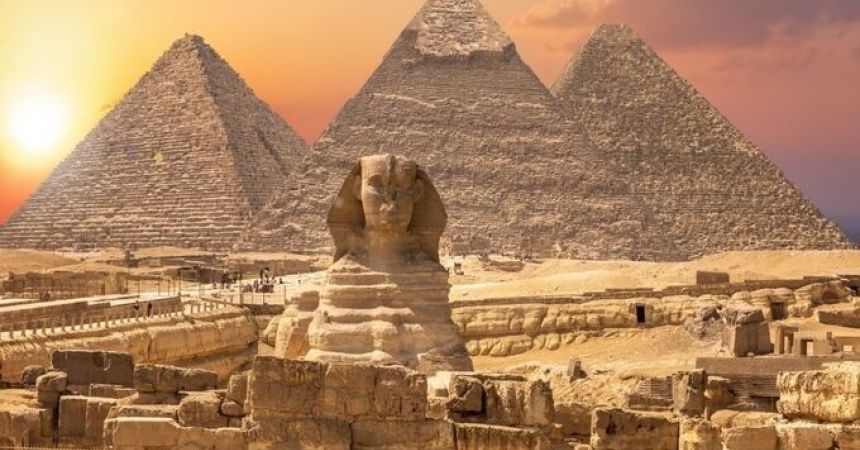
Visit Giza earlier, when walking around the plateau is more comfortable, then let the city provide alternatives once the temperature rises. Museums, mosques, historic interiors and a proper lunch can divide the day naturally without making it feel as though you're hiding from the weather.
This is one of Cairo's advantages over more exposed archaeological regions: the city has layers.
A hot afternoon doesn't automatically mean an empty afternoon.
It may mean spending longer somewhere you would otherwise have rushed through before moving to the next landmark.
That can improve the trip.
Not every weather adaptation is a compromise.
Luxor in May Is a Question of Priorities
Luxor remains extraordinary in May.
The temples have not become less important because the temperature increased, and the tombs haven't suddenly moved somewhere cooler.
What changes is the amount of archaeology most travellers will genuinely enjoy in one day.
This is where honesty helps.
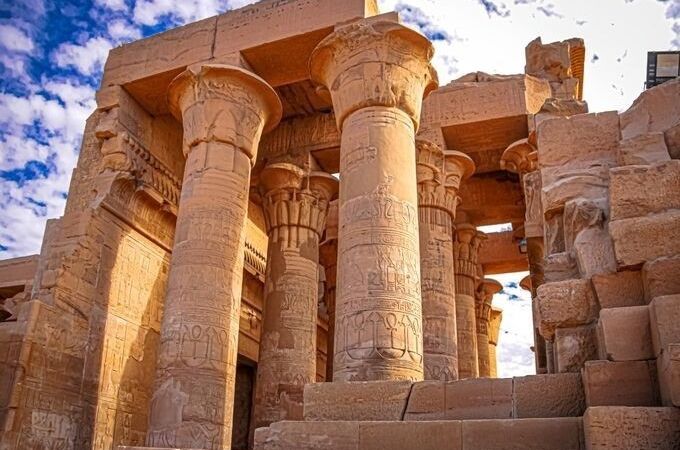
If ancient Egypt is the central reason for your journey, then an early start at the West Bank may be worth the alarm. Karnak deserves another carefully timed visit, and a slower afternoon can prevent the day from becoming an endurance exercise.
If archaeology interests you but isn't your life's great passion, there is no requirement to visit every available site.
Choose well.
The difference between three memorable monuments and six increasingly blurry ones is usually not historical knowledge.
It's energy.
The South Makes You Earn It
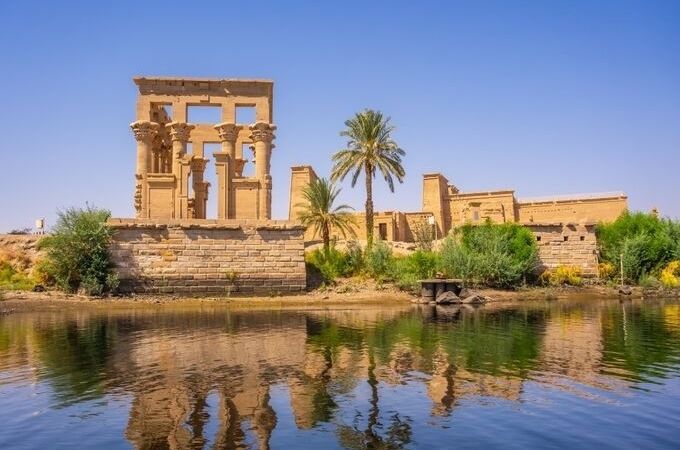
Aswan and Abu Simbel remain compelling, but May makes the decision to travel farther south more deliberate.
This isn't a reason to skip them automatically. It is a reason to ask whether they belong in your itinerary.
For a first-time visitor fascinated by ancient Egypt, Abu Simbel may remain non-negotiable. For someone more interested in Cairo, food, contemporary culture and the Red Sea, adding several days of southern travel simply because “everyone does it” may make less sense.
That distinction is important.
A good travel hub shouldn't tell every traveller that every famous place is essential.
It should help them understand the trade-off.
May Makes Hurghada More Than a Place to Recover
Hurghada's relationship with Luxor becomes especially useful as temperatures rise.
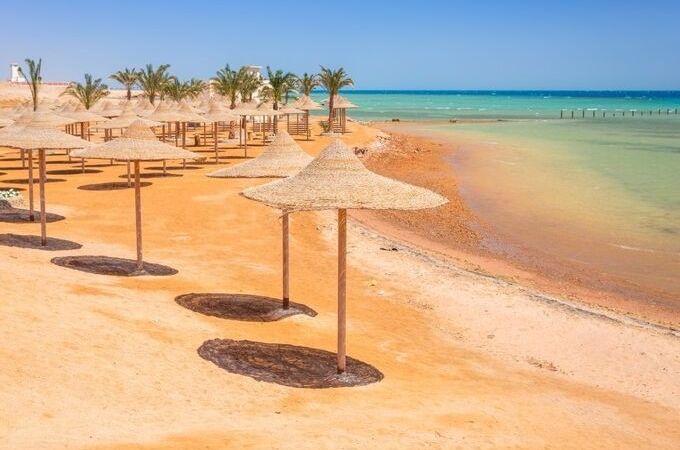
After several days of early archaeological starts, the coast offers a completely different schedule. Swimming, diving, snorkelling and boat trips replace tombs and temples, while a resort afternoon can remain completely empty without producing any guilt.
For travellers who genuinely want both sides of the country, Nile Red Sea trips can create a route where the change of pace feels intentional rather than added at the end because somebody thought every Egypt holiday needed a beach.
The number of nights matters.
Two nights disappear quickly.
Three or four begin to feel like a second chapter.
Sharm Can Be the Main Holiday, Not the Extension
This is another way May separates itself from the cooler months.
An Egypt trip doesn't have to begin with Cairo, continue through every major Nile site and eventually earn the right to reach the beach.
For divers, snorkellers or travellers primarily interested in the Red Sea, Sharm el-Sheikh can sit at the centre of the holiday, with Cairo added as the extension.
That reversal sounds small.
It completely changes the itinerary.
A Red Sea-led journey has fewer transfers, more water time and considerably less archaeological intensity. Someone who has visited Egypt before may find that exactly right.
Our Sinai diving holidays can suit travellers whose idea of Egyptian exploration includes coral walls and reef life rather than another temple façade.
Ancient history will still be there next time.
May Rewards Fewer Hotel Keys
There is a simple way to test a May itinerary.
Count the hotels.
If a ten-day journey includes five different properties, look again.
Every change means packing, checking out, travelling, arriving, checking in and learning where breakfast is served all over again. In cooler weather, that can merely be tiring. As temperatures rise, unnecessary movement becomes even less appealing.
May is a good month to stay longer.
Three nights in Cairo rather than two.
A properly paced Luxor stay rather than a frantic archaeological sprint.
Four nights on the Red Sea instead of two nights that barely justify unpacking.
This isn't slow travel as a fashionable concept.
It's simply good logistics.
Choose Geography Before You Choose the Schedule
April teaches you to reorganise the day around increasing heat.
May asks a larger question: should every region be in the itinerary at all?
That is what gives the month its own place in this cluster.
You can still travel through classic Egypt. Cairo, Luxor, Aswan and the Nile remain available, but the journey benefits from stronger editing. The Red Sea has become important enough to compete for time rather than merely receive whatever days remain, while northern Egypt offers alternatives for travellers who don't need every holiday to follow the standard route south.
Before deciding what time to visit the Valley of the Kings, decide whether the Valley of the Kings belongs in this particular trip.
It probably does if you've dreamed about it for years.
If you haven't, Egypt has other ideas.
Three Ways to Travel Egypt in May
There is a habit in Egypt planning that deserves challenging: start in Cairo, fly to Luxor, continue to Aswan, add Abu Simbel and finish somewhere on the Red Sea.
It is a wonderful journey when it matches the traveller. It is not a compulsory national curriculum.
May makes that distinction particularly useful because the regions are beginning to demand different amounts of energy. Instead of asking how to fit everything into the trip, decide what you want the trip to feel like.
Three approaches work particularly well.
Route One: Ancient Egypt Is the Reason You're Coming
If the pyramids, tombs and temples are what brought you to Egypt, May doesn't require abandoning the classic route. It requires treating it with more respect.
Begin in Cairo, where Giza can take the cooler morning hours while museums and historic interiors provide balance later. Continue south to Luxor, but resist the urge to compress both banks of the Nile into one archaeological marathon. The West Bank deserves an early morning, while Karnak can occupy another carefully chosen period rather than becoming whatever fits after lunch.
From there, a Nile cruise can provide the journey's natural slowdown before Aswan.
This version works because every transfer serves the central interest: ancient Egypt.
| Archaeology-First Day | Better May Rhythm |
|---|---|
| Early morning | Major exposed archaeological site |
| Late morning | Continue before stronger heat |
| Midday | Lunch and genuine rest |
| Afternoon | Museum, cruise time or lighter visit |
| Late afternoon | Return outdoors when appropriate |
| Evening | Dinner rather than another checklist |
The key is accepting that seeing fewer sites in a day may result in remembering considerably more of them.
Route Two: You Want Egypt, but You Also Want a Holiday
This is perhaps May's most balanced option.
Combine Cairo with a focused Upper Egypt experience, then move towards the Red Sea rather than continuing to add archaeological stops.
For example, Cairo → Luxor → Hurghada creates three very different chapters without excessive complexity. You get the pyramids and capital, several days of serious ancient history, then a coastal finish where nobody expects you to identify a pharaoh before breakfast.
A Cairo Luxor escape can provide the cultural backbone before the itinerary changes pace completely at the coast.
This route works particularly well for couples, families and first-time visitors who are interested in history but don't necessarily want the entire holiday to become an intensive course in Egyptology.
Three well-chosen regions can be enough.
More than enough, actually.
Route Three: Let the Red Sea Lead
For some travellers, this is the version that makes the most sense in May.
Base the trip around Hurghada or Sharm el-Sheikh and choose one cultural extension rather than treating the beach as something you earn after completing the Nile Valley.
A Red Sea-led holiday can include diving, snorkelling, boat trips and relaxed resort days, with Cairo added for the pyramids or Luxor included for a concentrated encounter with ancient Egypt.
The difference is subtle but important: culture becomes the extension rather than the coast.
This approach can also suit returning visitors. If you have already seen Cairo, Luxor and Aswan, there is little reason to repeat the entire classic circuit simply because that's what a standard Egypt itinerary looks like.
May gives the coast enough seasonal strength to build the holiday around it.
What About a Nile Cruise?
A cruise still fits May well when it serves the route rather than complicating it.
Its practical advantage becomes increasingly obvious as Upper Egypt warms: you unpack once and the hotel moves with you. Excursions happen around the sailing schedule, meals are organised, and the hours between sites provide natural recovery time.
What changes in May is how you use the deck. Early mornings and later afternoons can be particularly appealing, while the strongest part of the day may be better spent somewhere shaded or indoors.
The cruise therefore isn't just transportation between Luxor and Aswan.
It becomes part of the pacing strategy without feeling like one.
A Good May Itinerary Has Something Missing
This may be the most useful test.
Look at your route and ask what famous place you've deliberately left out.
If the answer is “nothing,” the itinerary may be too ambitious.
Perhaps Abu Simbel waits for another trip because the Red Sea matters more this time. Maybe Aswan stays but Hurghada disappears because ancient Egypt is your priority. Perhaps you've already visited Luxor and can spend this journey between Alexandria, Cairo and the coast.
Leaving somewhere out doesn't make the trip incomplete.
It gives the places you kept enough room to matter.
May makes that trade-off easier to see because unnecessary transfers and overfilled sightseeing days become increasingly tiring as temperatures rise.
The best route isn't the one that covers Egypt most efficiently.
It's the one where you still care about what you're seeing on the final day.
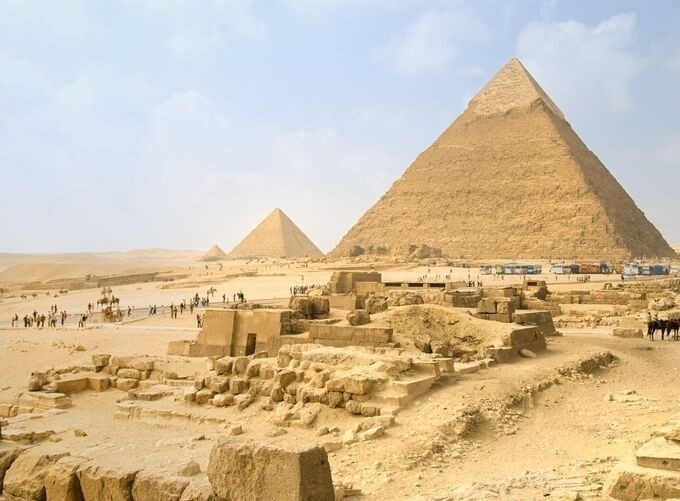
In May, Small Decisions Start Having Bigger Consequences
The difference between a tiring May trip and a comfortable one is often surprisingly mundane.
It may be the hotel you chose because it was twenty euros cheaper but sits an inconvenient drive from everything you want to see. It may be the shoes that looked perfectly comfortable until the second hour at Giza, or the bottle of water you decided not to carry because the vehicle was “only ten minutes away.”
None of these decisions are exciting enough to appear on a bucket list, yet as Egypt gets hotter, practical details begin influencing the holiday more than another carefully saved photograph on your phone.
Choose the Hotel for the Day You Will Actually Have
Location matters in Egypt throughout the year, but May makes unnecessary journeys increasingly irritating.
In Cairo, the “best” hotel location depends on what you intend to do. A traveller concentrating on Giza may value a different base from someone planning several days around central Cairo, museums and historic districts. There is no universally perfect neighbourhood, despite what hotel booking filters sometimes suggest.
The same principle applies on the Red Sea. A beautiful resort may be ideal if you genuinely intend to stay there, while someone planning diving, restaurants and repeated excursions may care more about practical access.
Choose the hotel around the trip rather than building the trip around the hotel you happened to book first.
Hydration Should Be a Habit, Not an Emergency
Nobody needs to turn a holiday into a water-consumption spreadsheet.
You do, however, need to drink regularly.
May's dry heat can be deceptive, particularly during long archaeological visits where you're concentrating on what you're seeing rather than how long you've been outside. Carry water before you feel you need it, and replenish it during the day.
Sun protection works the same way. Sunscreen applied after you've spent three hours outside is an excellent example of solving yesterday's problem.
A hat, sunglasses and sensible coverage matter increasingly in May, especially in Upper Egypt.
These are not sophisticated travel secrets.
They are simply the boring things experienced travellers stop forgetting.
Dress for Egypt, Not Just the Temperature
Hot weather often produces an understandable instinct to wear as little as possible.
That isn't necessarily the most comfortable approach.
Lightweight, breathable clothing with reasonable coverage can protect against direct sun while also fitting more naturally within local cultural expectations. This becomes particularly relevant when visiting mosques, religious sites or less resort-oriented communities.
The aim isn't to dress as though you're attending a formal event. It is to find the practical middle ground between climate, comfort and context.
For an itinerary mixing cities, temples and the coast, packing pieces that can work in several settings is far more useful than bringing a completely different wardrobe for every stop.
Families Should Measure the Day Differently
Travelling with children changes the calculation in May.
Adults may be willing to continue through another archaeological site because they've travelled a long way to see it. A tired eight-year-old is unlikely to find that argument historically persuasive.
Families generally benefit from shorter outdoor blocks, reliable meal times, pool access where practical and fewer consecutive days of intensive sightseeing. A private or more flexible itinerary can also make it easier to adjust departure times when somebody needs a slower morning.
Travellers considering Egypt family adventures should therefore judge success differently from an archaeology specialist travelling alone.
If the children remember climbing onto a boat, seeing the pyramids and spending an afternoon in the pool, the trip has not failed because they missed the fifth temple.
It may have succeeded because of it.
Transport Comfort Matters More Than It Looks
Egypt's major destinations involve substantial movement, whether by domestic flight, road, cruise or private vehicle. As temperatures rise, the quality and timing of those transfers become part of the experience.
An early flight may be annoying when the alarm rings, yet useful if it gives you a better arrival time. A private air-conditioned transfer can be worth considerably more than its description suggests after several hours outdoors.
Conversely, unnecessary transfers should be removed whenever possible.
| May Planning Choice | Why It Matters |
|---|---|
| Central or practical hotel | Reduces wasted travel time |
| Earlier outdoor visits | Uses more comfortable hours |
| Reliable transport | Makes hot travel days easier |
| Fewer hotel changes | Reduces physical and logistical fatigue |
| Flexible afternoons | Allows the day to respond to conditions |
| Longer coastal stay | Makes the transfer worthwhile |
None of these choices will become the photograph you show people when you return home.
They are the reason you still look happy in the photographs.
May Doesn't Need to Feel Difficult
Heat often gets discussed as though it automatically turns travel into endurance.
It doesn't.
Poor planning does that much more efficiently.
May is still a highly workable month for many Egypt itineraries, but it rewards travellers who stop thinking exclusively about attractions and start thinking about the spaces between them. Where will you be at midday? How long is the transfer? Is the hotel convenient? Does the family actually want another full sightseeing day? Have you left enough time at the Red Sea to justify going there?
These questions aren't as exciting as choosing between Karnak and Abu Simbel, but they have an outsized effect on how the journey feels.
By May, Egypt is reminding you that a great itinerary is not merely a collection of remarkable places.
It is a comfortable way of moving between them.
How Much Egypt Is Enough in May?
This is probably the most useful question to ask before booking.
Not “How many places can we fit in?”
Enough is different for everyone. An archaeology enthusiast may happily devote most of the trip to Cairo and Upper Egypt, while a family could have a much better holiday with three cultural days followed by several nights beside the Red Sea. Someone returning to Egypt may skip the Nile entirely and concentrate on places missed the first time.
May makes those differences more important because every additional destination carries a cost beyond money. There is another transfer, another check-in and another day partly spent moving through increasingly hot conditions.
A simple way to think about it is to decide what deserves most of your time before filling the gaps.
| Time Available | A Sensible May Approach |
|---|---|
| 5–7 days | Choose Cairo + one additional region |
| 8–10 days | Build around Cairo + Upper Egypt or Red Sea |
| 11–14 days | Culture and coast can combine comfortably |
| 2+ weeks | Add deeper regional experiences without rushing |
These are not fixed itineraries. They are a reminder that Egypt becomes more rewarding when travel time and sightseeing time aren't competing every day.
For a broader journey, May Egypt journeys can connect contrasting regions while keeping the number of hotel changes under control.
Leave Something for Next Time
There is a strange pressure surrounding first visits to Egypt. The country contains so many internationally famous places that leaving one out can feel irresponsible.
It isn't.
If you have always dreamed of Abu Simbel, make room for it. If diving is the reason you chose Egypt, give the Red Sea the days it deserves. If your children have already spent four mornings visiting archaeological sites, perhaps another temple isn't the memory the family needs most.
May is particularly good at exposing the difference between a destination being important and a destination being important to you.
That is a useful distinction in any season.
In warmer weather, it becomes essential.
Frequently Asked Questions About Egypt in May
1. Is May a good time to travel to Egypt?
Yes, provided you are comfortable with heat and plan the route accordingly. Cairo, Upper Egypt and the Red Sea remain accessible, but May rewards more selective itineraries than the cooler months. Earlier sightseeing, fewer unnecessary transfers and realistic midday breaks can substantially improve the experience.
2. How hot is Egypt in May?
Conditions vary considerably. Cairo is generally hot, while Luxor, Aswan and Abu Simbel can experience significantly stronger heat because of their southern and desert locations. Red Sea destinations are also hot, although coastal conditions create a different experience from inland archaeological regions.
3. Is Cairo too hot for sightseeing in May?
Not necessarily. Earlier outdoor sightseeing works well for many travellers, while Cairo's museums, mosques, historic interiors and restaurants provide opportunities to vary the day. Avoid assuming that every attraction needs to be visited consecutively outdoors simply because you have limited time.
4. Should I visit Luxor in May?
Yes, if Luxor's archaeological sites are important to you and you tolerate hot weather reasonably well. Early starts become highly valuable, particularly on the West Bank. Keeping afternoons lighter can make a substantial difference to how much you enjoy the overall stay.
5. Is Aswan worth visiting in May?
Aswan remains rewarding, but travellers should expect hot conditions and organise sightseeing intelligently. Early visits, slower afternoons and time beside the Nile work better than continuous outdoor touring. If your itinerary is already crowded, consider whether southern Egypt is a genuine priority rather than an automatic addition.
6. Are Nile cruises operating in May?
Nile cruises can operate during May, subject to individual cruise schedules and operating arrangements. The format can suit warmer weather because sailing provides natural downtime between excursions. When comparing cruises, check the specific vessel's schedule rather than assuming every departure operates identically throughout the year.
7. Is May good for Hurghada?
Yes. Hurghada becomes particularly attractive in May for swimming, diving, snorkelling and resort stays. It can also pair efficiently with Luxor, allowing travellers to combine ancient sites and the Red Sea without unnecessarily returning to Cairo between the two regions.
8. Should I choose Hurghada or Sharm el-Sheikh in May?
Choose according to the itinerary rather than weather alone. Hurghada integrates conveniently with Luxor and Upper Egypt, while Sharm el-Sheikh can be particularly appealing for travellers building the holiday around diving, reefs and a longer resort stay.
9. What should I wear in Egypt in May?
Lightweight, breathable and reasonably covering clothing is generally practical. Add comfortable walking shoes, a hat, sunglasses and reliable sun protection. Respectful coverage is particularly useful when visiting mosques and local communities, while resort clothing can naturally be more relaxed within appropriate areas.
10. Is May suitable for travelling with children?
It can be, especially when the itinerary includes shorter sightseeing periods, reliable transport, regular breaks and accommodation with facilities the family will actually use. Avoid planning consecutive full days of exposed archaeological sightseeing simply because adults are willing to tolerate them.
11. Do I need to start sightseeing early in May?
In Upper Egypt, earlier starts are increasingly sensible because they allow you to explore exposed sites before the strongest daytime heat. Cairo offers more flexibility because indoor attractions can balance outdoor visits. There is no need to force identical schedules onto every destination.
12. Is May or June better for Egypt?
May generally gives culture-focused travellers slightly more flexibility before the full summer rhythm becomes established, particularly in Upper Egypt. June can still work well, but heat plays a larger role in itinerary design. Travellers who are sensitive to high temperatures would usually favour May.

A travel professional specializing in tailor-made travel planning, guest experience management, and multi-destination tourism operations.
With over 23 years of experience in the travel industry, he designs and manages private and cultural tours for international travelers across Türkiye, Greece, Egypt, Jordan, Morocco, and other destinations.
He has strong expertise in both online and face-to-face guest communication, sales processes, and end-to-end travel operations.
Working closely with hotels, travel agencies, and local partners, he ensures smooth coordination and high-quality travel experiences at every stage of the journey.
His focus is on delivering personalized, reliable, and seamless travel experiences for international guests worldwide.