August in Sharm El Sheikh Feels Different Once You Enter the Sea
Updated: August 12, 2026
Travelers arriving in Sharm El Sheikh during August rarely need convincing that they have come in summer. The heat is immediate, the landscape looks intensely sunlit, and even after sunset there is little resemblance to the cooler Red Sea evenings experienced earlier in the year.
The more interesting change, however, is happening in the water.
After absorbing months of strong Egyptian sunshine, the Red Sea reaches one of its warmest periods of the annual cycle. For travelers who normally need time to adjust before swimming, that first entry can be unexpectedly effortless. There is less of the familiar contrast between hot air and noticeably cooler water, while longer periods of swimming can feel very different from a winter or spring visit.
August therefore deserves to be understood from the water outward rather than from the thermometer inward.
Daytime temperatures frequently sit around the upper 30s°C and can exceed 40°C, while nighttime temperatures remain high. Rainfall is extremely unusual and sunshine is intense, but those facts belong to the broader summer climate story. August's more distinctive travel question is what happens when the Red Sea itself has become deeply warmed and the coastal experience continues well beyond the traditional daytime beach window.
The First Swim Tells You More Than the Forecast
Anyone who has entered the sea during a cooler month knows the small sequence that often follows. You approach the water comfortably, feel the first temperature change around your feet, hesitate briefly, then gradually adjust.
August can remove much of that ceremony.
For many swimmers, entering the Red Sea feels immediately comfortable, which changes more than the first few seconds in the water. When there is little psychological resistance to getting in, swimming becomes easier to repeat and longer water sessions may feel more appealing.
This is particularly relevant for travelers who genuinely enjoy being in the sea rather than merely sitting beside it. A Sharm warm-water escape in August offers a different sensory experience from the same coastline during winter, even though the reef and resort have not moved.
The season has changed the medium you came to enjoy.
Warm Water Can Change Your Sense of Time
A cooler sea naturally provides feedback. After a while, some swimmers begin thinking about leaving because they feel chilled, particularly when snorkeling involves relatively slow movement near the surface.
Very warm summer water can weaken that signal.
You may remain in the sea longer simply because nothing is encouraging you to finish. A snorkeling session that felt substantial in another season can pass surprisingly quickly when both air and water feel thoroughly summery.
This is where August differs from July.
July focused on how frequently water appears throughout a peak-summer resort day. August asks what happens inside those water sessions themselves, particularly when comfortable sea temperatures make prolonged immersion easier.
That does not mean longer is automatically better. It means travelers may need to become more conscious of duration because comfort is no longer giving them an obvious stopping point.
A Swimmer and a Snorkeler Experience August Differently
The phrase “sea temperature” sounds universal, yet different water activities produce very different experiences.
A recreational swimmer is usually moving continuously and may enter for a relatively short period. A snorkeler can remain close to the surface for considerably longer while concentrating on the reef below. Divers operate in another environment entirely, with depth, equipment and professional planning affecting the experience.
August therefore cannot be reduced to the statement that the sea is warm.
| Water Experience | How August Warmth Changes It | What Becomes More Noticeable |
|---|---|---|
| Casual swimming | Entry feels easy for many visitors | Repeated spontaneous swims |
| Longer swimming | Less temperature-driven urge to leave | Awareness of time in water |
| Snorkeling | Extended sessions may feel comfortable | Surface exposure and fatigue |
| Diving | Warm-season marine conditions | Operator-led planning and equipment |
| Evening water time | Air remains warm after sunset | A broader coastal day |
The distinction helps explain why two travelers staying at the same hotel can describe August very differently. One may spend ten minutes in the sea at a time, while another realizes they have been snorkeling for more than an hour.
The Reef Can Make You Forget the Clock
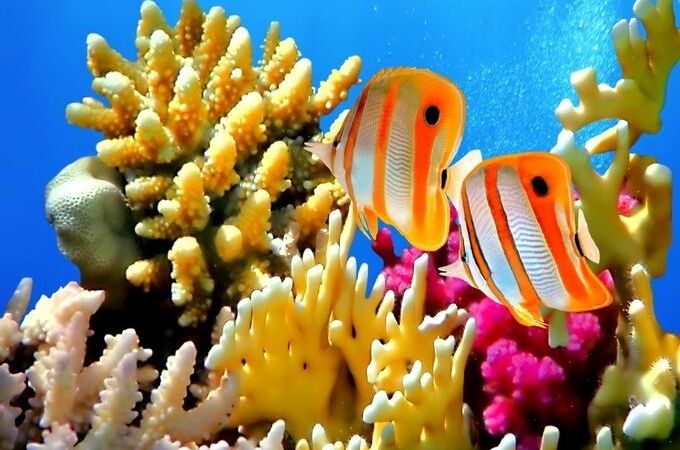
Sharm El Sheikh creates a particular problem for enthusiastic snorkelers: there is always something else to look at.
A reef edge does not provide a natural finishing point in the way a swimming pool does. You follow a section of coral, notice movement farther ahead, stop to watch fish below you and gradually lose track of how long you have been in the water.
During August, comfortable sea temperatures can make that absorption even easier.
This is one reason a Red Sea reef experience should not be measured purely by how many minutes you can remain underwater. A shorter session enjoyed with energy and attention can be more rewarding than staying out simply because the water still feels comfortable.
Returning later is usually an option, particularly when your resort provides direct reef access.
August Introduces a Different Kind of Evening
The daytime heat receives most of the attention in discussions about August, yet the evening may be one of the month's most distinctive parts.
Sharm does not suddenly become cool when the sun disappears. The accumulated warmth remains, and the Red Sea does not lose its summer character simply because dinner is approaching.
This creates an evening atmosphere quite unlike the winter resort experience.
Outdoor restaurants remain part of the coastal environment, walks beside the resort can feel thoroughly summery, and hotels offering appropriate evening water access may allow guests to experience the relationship between warm air and warm water after the intensity of direct daytime sunshine has gone.
This does not mean assuming that every beach or pool allows swimming after dark. Resort policies, lifeguard hours, reef safety and local rules must always be respected.
The important point is broader: in August, sunset changes the atmosphere without necessarily ending the coastal day.
Sunset Can Feel Like a Second Arrival
During cooler months, sunset often marks the transition from beachwear toward dinner and evening activities.
August can feel less abrupt.
You may leave the water, remain outside, sit near the coast and gradually notice that the resort has changed character around you. The direct sunlight disappears, but the warmth does not, allowing the evening to feel connected to the beach day rather than separated from it.
For travelers on a Sinai summer coast journey, this can become one of August's underrated pleasures. The experience is not about trying to squeeze another activity into the itinerary; it is about discovering that the Red Sea remains part of the setting even when you are no longer actively swimming.
Very Warm Water Is Not Automatically Everyone's Ideal
Weather articles often treat warmer sea temperatures as though improvement continues indefinitely.
Travel preferences are more complicated.
Some swimmers love water that feels immediately comfortable and allows them to stay in for long periods. Others prefer a stronger contrast between hot air and cooler sea because they find the latter more refreshing.
August therefore should not be marketed as objectively “better” water.
It offers a particular type of Red Sea experience.
If your ideal holiday involves easy entry, repeated swimming and long periods in warm water, August may align very well with that preference. If you want the sea primarily as a sharp cooling contrast to the air, your reaction may be different.
Recognizing that distinction is more useful than assigning a universal comfort score.
Don't Turn a Long Snorkel Into an Endurance Test
Because August water can feel inviting for extended periods, it is easy to assume that staying longer automatically produces a better reef experience.
It does not.
Attention declines when people become tired, and the excitement of seeing marine life can sometimes delay recognition that it is time for a proper break. This matters especially when snorkeling independently from a resort rather than following the structure of an organized excursion.
A better approach is to let the reef remain something you can revisit. When conditions and resort access allow, two focused sessions can offer more enjoyment than one unnecessarily prolonged outing.
August gives you enough warm-water opportunity that there is little reason to extract everything from a single entry.
The Month Extends the Red Sea Beyond “Beach Hours”
This is the point that gives August its own semantic territory.
The Red Sea in August is not merely somewhere to cool down during a hot afternoon. Its warmth changes the experience of being immersed, can encourage longer swimming and snorkeling sessions, and contributes to a coastal atmosphere that remains strongly present after direct sunshine disappears.
June taught us to think about exposure. July reorganized resort life around repeated access to water.
August goes one step further by asking what happens when the water itself becomes one of the defining seasonal experiences.
The result is a month where the Red Sea is not simply visited several times during the day. It becomes a warm environment you can remain in longer, return to easily and continue feeling connected to well into the evening.
When Warm Water Removes the Usual Stopping Signal
One of August's less obvious characteristics is that comfortable water can change how swimmers judge time. During cooler seasons, temperature often creates its own limit; eventually you begin to feel ready to leave the sea, even when the snorkeling remains interesting.
August may provide much less of that natural signal.
This is especially noticeable while snorkeling because attention is directed downward toward coral and marine life rather than toward how long you have been swimming. When the water remains pleasantly warm, an intended half-hour session can easily stretch much longer without feeling particularly demanding at the time.
There is nothing inherently wrong with enjoying a longer swim, but duration should follow your energy and experience rather than becoming a target. When direct resort reef access makes another entry possible later, there is rarely any advantage in treating the first session as though it were your only opportunity.
A Warm Sea and a Refreshing Sea Are Not Quite the Same Thing
Travelers often search for the warmest sea temperature assuming that warmer automatically means more comfortable. August demonstrates why personal preference matters.
Someone who dislikes the initial shock of cooler water may love the almost effortless transition into the Red Sea at this time of year. Another traveler may enjoy swimming just as much but miss the stronger cooling sensation that comes from entering comparatively fresher water after sitting outside.
Neither reaction makes August unsuitable. They simply describe two different expectations of what the sea should provide.
If swimming is one of the main reasons for your holiday, it is worth considering whether you prefer warm-water comfort or a more noticeable contrast between air and sea. Monthly averages cannot decide which sensation you will enjoy more.
Snorkeling Can Become More About Quality Than Duration
The temptation to remain in the water is particularly strong when the reef is accessible directly from the hotel. There is no excursion schedule telling you when the session ends, and August conditions may provide little temperature-related encouragement to return to shore.
A better measure of a snorkeling session is how engaged you still feel.
Once concentration begins fading, extending another twenty minutes simply because the sea remains comfortable may add surprisingly little. Leaving the water, resting properly and returning with renewed attention can make familiar sections of reef interesting again, particularly as light and marine activity change during the day.
This approach also preserves one of the greatest advantages of resort reef access: freedom to experience the same coastline more than once rather than trying to consume it all at once.
After Sunset, Sharm Changes Mood Rather Than Season
August evenings deserve more attention than they usually receive in weather guides.
When direct sunshine disappears, the visual character of the resort changes quickly, but the atmosphere does not suddenly become cool. Warm air remains around the coast, outdoor dining feels entirely natural, and sitting beside the Red Sea after dark can become as much a part of the holiday as the hours spent swimming earlier.
That continuity creates a distinctive late-summer rhythm.
A traveler who has found the middle of the day intense may discover that the hours around and after sunset are among the most enjoyable periods for walking through the resort, eating outdoors or simply spending time near the coastline.
The beach day may have ended operationally, yet the Red Sea day has not necessarily ended emotionally.
Evening Swimming Depends on the Resort, Not the Month
Warm August evenings can naturally make travelers wonder whether they can swim after sunset. This is one area where weather cannot provide the answer.
Many resorts restrict pool use to designated hours, while swimming or snorkeling around reefs after dark introduces considerations that are completely different from ordinary daytime access. Hotel rules, lifeguard arrangements and local safety procedures should always determine what is permitted.
If evening swimming matters to you, ask the property directly rather than assuming that warm weather means unrestricted access.
Even without entering the water, August evenings still preserve the coastal character of the holiday remarkably well.
Late August Doesn't Suddenly Become September
Toward the end of August, travelers sometimes expect an immediate seasonal shift because September is approaching on the calendar. Sharm's climate does not change according to hotel check-in dates, and firmly summery conditions can continue through the final days of the month.
The Red Sea retains the warmth accumulated during the preceding months, while daytime conditions remain strongly characteristic of summer.
September will have a different role in this cluster because its story is about the first rebalancing of the summer resort day, when changing conditions gradually broaden the ways travelers can use their time beyond the deepest peak-summer pattern.
August should remain firmly focused on the experience immediately before that transition: a thoroughly warmed Red Sea and a coastal day whose atmosphere continues long after the strongest sunlight has passed.
What August Really Adds to a Sharm Holiday
If you compare August only with July temperatures, the difference can appear relatively uninteresting. Both belong unmistakably to Sharm's hot summer season, and both support extensive swimming.
The experiential difference is more subtle.
By August, months of accumulated warmth have changed the character of the Red Sea itself. Entering can feel effortless, long snorkeling sessions become easier to lose yourself in, and warm evenings maintain a strong connection with the coastline even when daytime swimming has finished.
That is why August does not need to compete with July for the same “hot summer holiday” keyword territory. Its value lies in describing what a deeply warmed Red Sea actually changes for the traveler.
August Questions, Answered From the Water Outward
1. How warm is Sharm El Sheikh in August?
August is firmly within Sharm's peak summer period, with daytime temperatures frequently reaching the upper 30s°C and sometimes exceeding 40°C. Nights remain warm as well, creating a distinctly summer atmosphere that continues well beyond sunset rather than disappearing with daylight.
2. Is the Red Sea warm in August?
Yes, August falls within one of the warmer periods of the Red Sea's annual cycle around Sharm El Sheikh. Many swimmers find entry immediately comfortable, although travelers who prefer cooler water for refreshment may experience that warmth differently.
3. Is August sea water warmer than July?
The Red Sea generally continues accumulating summer warmth into this part of the season, although actual temperatures vary. For holiday planning, the more meaningful point is that both months provide warm water, with August particularly associated with the deeply established warm-water phase.
4. Can I snorkel for a long time in August?
Warm water can make extended snorkeling feel comfortable, but there is no reason to turn duration into a goal. Energy, experience and actual conditions should determine when you leave the water, particularly when another reef session can easily be enjoyed later.
5. Does the sea feel refreshing when the weather is very hot?
That depends partly on personal preference. August water can feel wonderfully comfortable without necessarily providing the sharp cooling contrast some swimmers associate with the sea. Travelers differ considerably in whether they prefer warmer immersion or noticeably cooler water.
6. Is August suitable for people who dislike cold sea water?
It can be particularly attractive to swimmers who hesitate before entering cooler water because the Red Sea is thoroughly warmed by late summer. Individual sensitivity still differs, but cold-water concerns are generally far less relevant than during Sharm's winter season.
7. Can I swim after sunset in Sharm El Sheikh?
Do not assume so simply because the evening is warm. Pools and beaches may have restricted operating hours, while reef access after dark involves different considerations. Always follow the resort's specific rules and local professional guidance regarding permitted swimming times.
8. What are August evenings like in Sharm?
Evenings generally remain warm and strongly suited to outdoor resort life. Once direct sunshine disappears, dining outside, walking around the property or spending time near the coast can provide a different perspective on the destination without losing its summer atmosphere.
9. Is August good for a reef-focused holiday?
Travelers who enjoy warm water and expect substantial swimming or snorkeling can find August appealing. Reef conditions on a particular day should still be assessed locally, since monthly climate information cannot determine real-time marine conditions at individual sites.
10. Should I plan one long snorkel or several shorter sessions?
Where convenient reef access allows it, several focused sessions can provide greater flexibility and reduce the temptation to remain in the water simply because it still feels comfortable. There is no universal formula, so personal energy and enjoyment should guide duration.
11. Does Sharm begin cooling down at the end of August?
Do not expect a dramatic change. Late August remains firmly summery, and the Red Sea retains substantial accumulated warmth. Seasonal transitions are gradual, which is why September requires its own travel perspective rather than being treated as an immediate switch to autumn.
12. What makes August different from July in Sharm El Sheikh?
July's defining experience is the water-first resort rhythm, where repeated swimming naturally organizes meals, rest and the use of hotel facilities. August moves the focus into the water itself, exploring deeply established sea warmth, longer immersion and the way the Red Sea remains part of the holiday atmosphere after sunset.

A travel professional specializing in tailor-made travel planning, guest experience management, and multi-destination tourism operations.
With over 23 years of experience in the travel industry, he designs and manages private and cultural tours for international travelers across Türkiye, Greece, Egypt, Jordan, Morocco, and other destinations.
He has strong expertise in both online and face-to-face guest communication, sales processes, and end-to-end travel operations.
Working closely with hotels, travel agencies, and local partners, he ensures smooth coordination and high-quality travel experiences at every stage of the journey.
His focus is on delivering personalized, reliable, and seamless travel experiences for international guests worldwide.