
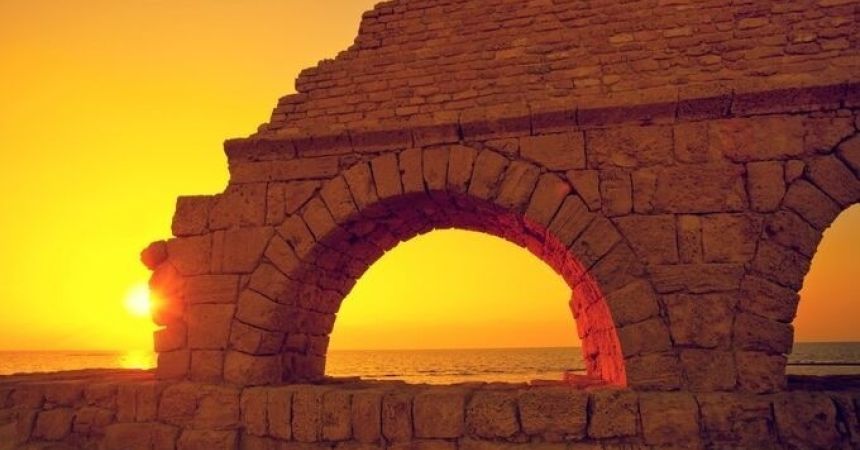
Haifa Weather in February: The City After the Rain
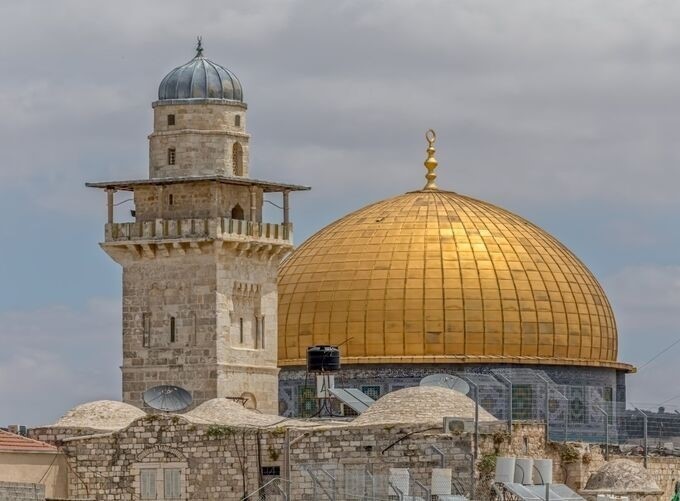
Sometimes the Right Decision Is to Do Nothing for a While
There is a habit many of us fall into when traveling: once we have left the hotel, every hour should produce something measurable. Another attraction, another photograph, another neighborhood crossed off the list.
February weather in Haifa occasionally rewards a less disciplined approach.
If rain has just passed and the forecast suggests improving conditions, sitting over coffee for another twenty minutes may make more sense than arriving immediately at the outdoor place you most wanted to see. You are not losing sightseeing time. You are allowing the atmosphere to change before spending that time somewhere where the difference matters.
There is no guarantee of a dramatic transformation, of course. Weather rarely performs according to itinerary. Yet Haifa is one of those cities where waiting can occasionally pay off because so much of its visual identity stretches beyond the place where you are standing.
When the Mediterranean Returns to the Picture
During dull weather, the sea can almost disappear.
It is still there, obviously, but a grey horizon and low cloud can flatten the distinction between water and sky. Then conditions begin improving and the Mediterranean slowly becomes a visual presence again.
This changes more than the photograph.
From higher parts of Haifa, a clearer horizon helps you understand how closely the city is tied to the coast. Streets and neighborhoods that seemed like separate pieces start making geographical sense when you can see how they descend toward the water.
That is one reason February deserves more nuanced advice than “bring rain protection.”
The interesting part can begin when you no longer need it.
Three Signs That an Outdoor Stop May Be Worth Moving
You do not need to become an amateur meteorologist. A few ordinary observations are enough.
| What You Notice | What It May Mean for Your Plans |
|---|---|
| Rain ending but heavy cloud remaining | No urgency; give conditions some time if your schedule allows |
| Cloud beginning to break | Consider moving a visually important outdoor stop forward |
| Mediterranean horizon becoming clearer | Elevated views may become more rewarding |
| Bright intervals appearing | Photography conditions may change quickly |
| Rain stops but strong wind continues | Clearer does not necessarily mean more comfortable |
| No meaningful improvement forecast | Follow the itinerary rather than waiting for a transformation |
The final row is probably the most useful.
Weather flexibility only makes sense when there is something worth waiting for. If the forecast remains consistently overcast, spend the day experiencing Haifa rather than sacrificing hours to a blue sky that may never arrive.
Clearer Does Not Always Mean More Comfortable
There is an important distinction between a day becoming better visually and becoming easier physically.
Rain may stop and visibility may improve while wind remains noticeable, particularly in exposed locations. Temperatures do not suddenly rise because the cloud has broken either.
This matters because photographs can make a clearing February afternoon look deceptively gentle.
Keep the clothing that suits the actual conditions. The fact that the Mediterranean has suddenly turned blue is not an instruction to remove your jacket.
Photography Works Best When You Stop Demanding Perfection
February can produce skies that travel brochures would probably consider inconvenient: broken cloud, darker patches over the sea, sudden brightness and uneven light across the city.
They can also make memorable photographs.
At the Baha'i Gardens, changing light may emphasize different sections of the terraces. From higher ground, patches of sunlight across the lower city can give the landscape depth that a uniformly bright day does not provide.
Rather than waiting for a completely cloudless frame, work with the weather you have.
A photograph that genuinely looks like Haifa in February is often more interesting than one trying to pretend you visited in June.
A Clearing Afternoon Shouldn't Hijack the Whole Day
Once visitors realize that improving weather can create excellent outdoor conditions, there is a temptation to reorganize everything around it.
That is unnecessary.
If an indoor attraction matters to you, see it. If lunch is going well, finish lunch. If you have arranged something at a specific time, do not abandon it because the sky has developed a photogenic gap in the clouds.
February's lesson is simply to recognize opportunity when the itinerary has room for it.
Good flexibility feels almost accidental.
You notice that the weather has improved, change the order of two things, and carry on.
Haifa After Rain Has Its Own Atmosphere
Perhaps the most appealing part of a February clearing period is not any single viewpoint.
It is the city in between.
Pavements remain damp. Trees and gardens look freshly washed. The air can feel different from the heavier atmosphere that preceded the rain, while sunlight may appear only intermittently.
Those ordinary details make seasonal travel worthwhile. They cannot be reduced effectively to an average temperature or monthly rainfall total because they describe an experience rather than a statistic.
And that is precisely where a Haifa-specific monthly article earns its place alongside the broader Israel weather cluster.
February Doesn't Promise Blue Sky
It would be easy to oversell this idea.
Not every rainy morning clears beautifully. Some February days remain grey. Others may be windy, wet or unsettled for longer than you hoped. Occasionally the forecast suggesting improvement will simply be wrong.
That uncertainty should remain visible in the article.
The useful advice is not “wait for the sun.”
It is:
When the weather genuinely begins improving, recognize which parts of Haifa gain the most from that change.
Then use the opportunity if it fits naturally.
12 Questions About Haifa in February
1. What is the weather like in Haifa in February?
February remains part of Haifa's Mediterranean winter, so cool periods, rain, cloud and wind are all possible. Conditions can also improve noticeably after weather systems pass, sometimes bringing clearer views across the city, Mount Carmel slopes and Mediterranean coastline.
2. Does it rain in Haifa in February?
Yes, February falls within Haifa's wetter season, although rain does not necessarily continue throughout an entire day. Individual weather systems vary, making an hourly forecast more useful for sightseeing decisions than simply seeing a rain symbol beside the date.
3. Is Haifa cold in February?
Haifa can feel cool during February, particularly with wind, rain or extended time outdoors, although conditions vary and personal cold tolerance differs. Adaptable layers are generally more practical than choosing clothing from monthly temperature averages alone.
4. Can February rain clear later in the day?
It can, depending entirely on the weather system affecting Haifa that day. When improvement is forecast, look at expected cloud, wind and visibility as well as precipitation because stopping rain does not automatically guarantee clear or comfortable conditions.
5. What should I do when the weather clears in Haifa?
If your itinerary is flexible, consider using clearer conditions for experiences that benefit strongly from visibility, such as elevated viewpoints, Mediterranean-facing areas or outdoor architectural settings. Indoor experiences can often remain where they are unless changing the order genuinely improves the day.
6. Are the Baha'i Gardens good to visit in February?
They can be rewarding when access and weather conditions are suitable. Clearer periods may improve the broader visual relationship between the gardens, city and Mediterranean, while rain or wind can naturally influence how much outdoor time feels comfortable.
7. Is February good for photography in Haifa?
Yes, particularly for photographers who enjoy changing winter light rather than requiring cloudless skies. Broken cloud, post-rain brightness, damp surfaces and improving Mediterranean visibility can produce distinctive scenes that look genuinely seasonal rather than conventionally summery.
8. What should I wear in Haifa in February?
Layered clothing generally works well, with rain protection when precipitation is forecast. Do not assume that improving visibility means warmer conditions; wind and temperature can remain distinctly wintry even after rain stops and sunlight begins returning.
9. Should I wait for clear weather before sightseeing?
Usually not. If conditions remain suitable, begin the day normally. Waiting becomes worthwhile only when a meaningful improvement is reasonably close and you can easily move a visually important outdoor experience without sacrificing something else you wanted to do.
10. Can I see the Mediterranean clearly in February?
Visibility varies considerably with cloud, haze, precipitation and the particular weather system. After some winter fronts pass, conditions can become clearer, making the Mediterranean and Haifa's relationship with the coastline more visually pronounced from suitable locations.
11. Is February the best time to visit Haifa?
That comparison belongs to a dedicated Best Time to Visit Haifa page. February's much narrower purpose here is explaining how Haifa changes visually when Mediterranean winter weather begins clearing and how travelers can use those improving conditions naturally.
12. How is February different from January in Haifa?
January concentrates on what winter rain does to Haifa's slopes, stairways and vertical movement, including conditions that remain underfoot afterward. February deliberately looks in another direction, exploring what happens visually when winter weather moves away and the city, Carmel landscape and Mediterranean horizon begin opening again.

A travel professional specializing in tailor-made travel planning, guest experience management, and multi-destination tourism operations.
With over 23 years of experience in the travel industry, he designs and manages private and cultural tours for international travelers across Türkiye, Greece, Egypt, Jordan, Morocco, and other destinations.
He has strong expertise in both online and face-to-face guest communication, sales processes, and end-to-end travel operations.
Working closely with hotels, travel agencies, and local partners, he ensures smooth coordination and high-quality travel experiences at every stage of the journey.
His focus is on delivering personalized, reliable, and seamless travel experiences for international guests worldwide.
