How to Plan a Perfect Trip to Israel (2026–2027): The Complete Step-by-Step Guide
Updated for 2026–2027
| Israel Trip Planning Guide | Details |
|---|---|
| Ideal Planning Time | 3 Months Before Departure |
| Recommended Trip Length | 7–12 Days |
| Best Seasons | March–May & September–November |
| Travel Style | Independent, Private or Small Group |
| Best For | First-Time Visitors, Families, Couples & Pilgrims |
| Reading Time | Approximately 17 Minutes |
| Last Reviewed | July 2026 |
Planning a trip to Israel is exciting, but it can also feel overwhelming. Although Israel is geographically small, it offers an incredible variety of experiences packed into a relatively short distance. In one journey, you can explore one of the world's oldest cities, float in the mineral-rich waters of the Dead Sea, relax on Mediterranean beaches, hike through dramatic desert landscapes, visit biblical landmarks, and enjoy one of the Middle East's most dynamic culinary scenes.
The challenge isn't finding places to visit—it's deciding how to fit them together efficiently.
Unlike many European destinations, planning a trip to Israel requires paying attention to factors beyond hotels and flights. Regional weather varies considerably, Jewish holidays can affect transportation and opening hours, the weekly Sabbath influences travel schedules, and some religious sites have specific dress codes and visitor guidelines. Understanding these details before you travel can make the difference between a smooth, enjoyable vacation and one filled with unnecessary surprises.
The good news is that planning becomes straightforward when broken into manageable steps.
This guide walks you through the entire process—from deciding when to travel and creating a realistic budget to booking flights, choosing accommodations, understanding Sabbath travel, respecting religious customs, and preparing for arrival in 2026–2027.
Step 1 – Decide When to Visit Israel
Your travel dates influence almost every other part of your itinerary.
Weather affects where you'll spend the most time, hotel prices fluctuate throughout the year, and Jewish holidays can significantly impact transportation, accommodation availability, and visitor numbers.
For most travelers, the best periods are:
-
March
-
April
-
May
-
September
-
October
These months offer pleasant temperatures for sightseeing in Jerusalem, comfortable conditions around the Dead Sea, and enjoyable weather along the Mediterranean coast.
Summer is ideal for beach vacations, while winter offers quieter attractions and lower hotel rates.
Before confirming your travel dates, also check:
-
School holiday periods
-
Major Jewish holidays
-
Local festivals
-
Public holiday weekends
-
Regional weather forecasts
Choosing the right season from the beginning makes every other planning decision much easier.
Step 2 – Decide How Many Days You Need
Many first-time visitors try to include too many destinations in a limited amount of time.
Instead of trying to "see everything," focus on building a balanced itinerary.
Recommended Trip Lengths
| Days | Recommended Route |
|---|---|
| 5 Days | Jerusalem & Tel Aviv |
| 7 Days | Jerusalem, Dead Sea & Tel Aviv |
| 10 Days | Add Galilee or Eilat |
| 12–14 Days | Complete Israel Experience |
A seven- to ten-day itinerary provides an excellent introduction without feeling rushed.
Longer trips allow more time for Galilee, Nazareth, the Golan Heights, or several days of relaxation in Eilat.
Travelers looking for a deeper regional experience often extend their journey with Israel and Jordan tour packages, combining two culturally rich destinations without significantly increasing travel complexity.
Step 3 – Set a Realistic Budget
Budget planning is often overlooked until the final stages, yet it should be one of the first decisions you make.
Israel is generally more expensive than many neighboring destinations, particularly in popular cities such as Jerusalem and Tel Aviv. However, careful planning allows travelers to enjoy an exceptional experience across a wide range of budgets.
Estimated Daily Budget (2026–2027)
| Travel Style | Estimated Daily Cost (Per Person) |
|---|---|
| Budget | US$180–250 |
| Mid-Range | US$300–450 |
| Luxury | US$600–900+ |
These estimates typically include:
-
Accommodation
-
Meals
-
Local transportation
-
Attraction entrance fees
-
Moderate daily spending
International flights are not included.
Planning your budget early also helps determine whether private tours, rental cars, or guided excursions fit comfortably within your overall travel costs.
Step 4 – Choose Your Travel Style
One of the biggest decisions you'll make is how to explore Israel.
There is no single correct answer—the best choice depends on your travel experience, budget, interests, and available time.
Independent Travel
Ideal for travelers who:
-
Enjoy flexibility
-
Prefer self-guided sightseeing
-
Feel comfortable using public transportation
-
Like planning every detail themselves
Advantages include greater independence and potentially lower costs.
However, independent travel requires more research and careful scheduling, particularly around the Sabbath and public holidays.
Small Group Tours
Small-group tours combine convenience with opportunities to meet other travelers.
Advantages include:
-
Professional guides
-
Comfortable transportation
-
Efficient itineraries
-
Simplified logistics
-
Good value
Many first-time visitors appreciate having historical context explained by experienced local guides while avoiding the stress of organizing transportation between destinations.
Private Tours
Private travel offers the greatest flexibility.
Benefits include:
-
Personalized itineraries
-
Flexible departure times
-
Individual pace
-
Private transportation
-
Dedicated guides
This option is especially popular among couples, families, photographers, and travelers celebrating special occasions.
Step 5 – Build a Logical Route
Israel may look small on the map, but planning your route efficiently can save several hours of unnecessary travel.
Instead of moving back and forth across the country, create a route that naturally flows between destinations.
Recommended First-Time Route
Ben Gurion Airport
↓
Jerusalem
↓
Dead Sea & Masada
↓
Tel Aviv
↓
Ben Gurion Airport
This route minimizes driving while allowing travelers to experience Israel's historical, cultural, natural, and coastal highlights.
For longer vacations, Galilee or Eilat can easily be added before returning to Tel Aviv.
Step 6 – Book Flights First
Flights are usually the most important reservation to secure.
Airfare often represents one of the largest travel expenses, and prices tend to increase as departure dates approach, particularly during spring, autumn, and major holiday periods.
When comparing flights, consider:
-
Arrival time
-
Departure time
-
Baggage allowances
-
Layover duration
-
Airport transfers
-
Ticket flexibility
Arriving in the morning allows you to begin sightseeing sooner, while late-night arrivals may require an additional hotel night.
Recommended Booking Order
Booking travel in the right sequence helps avoid unnecessary changes and additional costs.
Suggested Order
-
International flights
-
Passport and entry requirements
-
Travel insurance
-
Hotels
-
Domestic transportation
-
Guided tours
-
Attraction tickets
-
Airport transfers
-
Optional experiences
-
Restaurant reservations (if required)
Following this order provides maximum flexibility while reducing the risk of needing to modify multiple reservations later.
12-Week Israel Trip Countdown
Planning becomes much easier when divided into weekly milestones.
| Time Before Departure | Recommended Tasks |
|---|---|
| 12 Weeks | Choose travel dates, estimate budget, check passport validity. |
| 11 Weeks | Compare international flight options and begin researching destinations. |
| 10 Weeks | Confirm itinerary and reserve international flights. |
| 9 Weeks | Purchase travel insurance and review current entry requirements for 2026–2027. |
| 8 Weeks | Reserve hotels in Jerusalem, Tel Aviv, the Dead Sea, or other destinations. |
| 7 Weeks | Book domestic transportation, rental car, or private transfers. |
| 6 Weeks | Reserve guided tours and popular attractions. |
| 5 Weeks | Book optional experiences such as the Dead Sea spa, food tours, or diving excursions. |
| 4 Weeks | Review itinerary, transportation, and accommodation confirmations. |
| 3 Weeks | Arrange airport transfers and prepare travel documents. |
| 2 Weeks | Check weather forecasts, opening hours, and holiday schedules. |
| 1 Week | Complete online check-in preparations, pack, exchange currency if needed, and download offline maps. |
This countdown helps spread planning tasks over several weeks instead of leaving everything until the last minute.
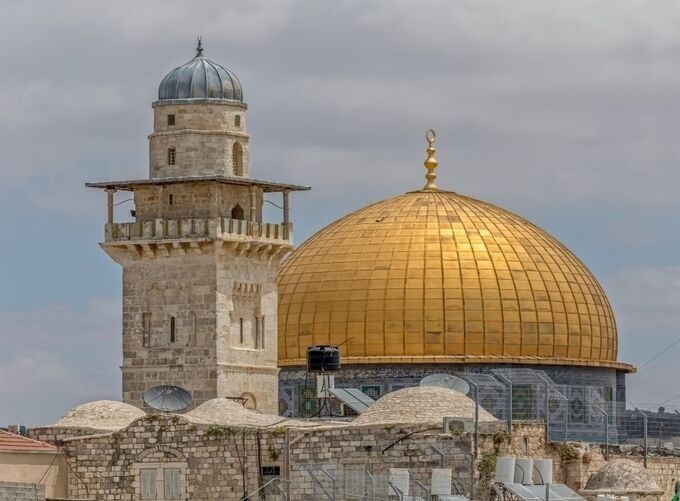
Package Tour or Independent Travel?
One of the first questions travelers ask is whether they should explore Israel independently or book a guided package. The answer depends on your travel style, budget, and how much time you want to spend organizing logistics.
Israel is relatively easy to navigate, but transportation schedules, the weekly Sabbath, religious holidays, and regional climate differences require more planning than many first-time visitors expect.
If your priority is flexibility, independent travel can be very rewarding. If you prefer convenience and expert local knowledge, a professionally organized itinerary often provides better value than expected.
Independent Travel
Independent travel gives you complete control over your itinerary.
You decide:
-
How long to stay in each city
-
Which attractions to visit
-
Where to eat
-
When to travel
-
Which hotels to choose
This style works particularly well for experienced travelers who enjoy planning every detail themselves.
Advantages
-
Maximum flexibility
-
Personal pace
-
Wide accommodation choices
-
Easier budget control
-
Opportunity for spontaneous changes
Things to Consider
-
Research is essential.
-
Transportation schedules should be checked carefully.
-
Holiday periods affect opening hours.
-
Hotel prices fluctuate significantly throughout the year.
-
Some historical sites benefit greatly from professional guides.
Small Group Tours
Small-group tours remain one of the most popular options for first-time visitors.
Most combine efficient transportation with expert commentary while keeping group sizes manageable.
Benefits include:
-
Experienced licensed guides
-
Comfortable transportation
-
Well-planned routes
-
Time-efficient sightseeing
-
Reduced planning stress
This option is ideal for travelers who want to learn more about Israel's complex history without spending months organizing every detail.
Private Tours
Private travel offers the greatest level of personalization.
Your itinerary can be adjusted based on:
-
Walking pace
-
Family needs
-
Photography interests
-
Religious focus
-
Food experiences
-
Departure times
Private touring is especially popular among couples, families with children, senior travelers, and photographers.
Travelers looking for maximum flexibility often choose private Israel travel packages, allowing them to customize sightseeing while benefiting from local expertise and seamless transportation.
Package Tour vs. Independent Travel Comparison
| Feature | Package Tour | Independent Travel |
|---|---|---|
| Planning Required | Low | High |
| Flexibility | Moderate | Excellent |
| Local Expertise | Included | Self-guided |
| Transportation | Organized | Self-arranged |
| Budget Control | Predictable | More variable |
| Best For | First-time visitors | Experienced travelers |
Neither option is objectively better. The right choice depends entirely on how you prefer to travel.
Budget Planning (2026–2027)
Israel is generally considered one of the more expensive destinations in the Middle East, but thoughtful planning makes it accessible for a wide range of travelers.
The largest expenses typically include:
-
International flights
-
Accommodation
-
Guided tours
-
Domestic transportation
-
Dining
Fortunately, many museums, beaches, markets, and historical neighborhoods can be explored without significant daily expenses.
Estimated Total Trip Budget
7-Day Trip
| Travel Style | Estimated Cost Per Person* |
|---|---|
| Budget | US$1,500–2,000 |
| Mid-Range | US$2,400–3,600 |
| Luxury | US$4,800–7,000+ |
10-Day Trip
| Travel Style | Estimated Cost Per Person* |
|---|---|
| Budget | US$2,100–2,800 |
| Mid-Range | US$3,500–5,000 |
| Luxury | US$6,800–9,500+ |
*International airfare excluded.
Typical Daily Expenses
| Category | Estimated Cost |
|---|---|
| Hotel | US$140–350 |
| Meals | US$40–90 |
| Local Transport | US$20–50 |
| Entrance Fees | US$20–45 |
| Optional Tours | US$80–250 |
Booking accommodations several months in advance often provides the best value, especially during spring and autumn.
Planning Around the Sabbath
Understanding the weekly Sabbath (Shabbat) is one of the most important aspects of planning a successful trip to Israel.
Shabbat begins shortly before sunset on Friday and ends after sunset on Saturday.
Although the experience varies across the country, travelers should expect changes to transportation and business hours.
What Changes During Shabbat?
Depending on where you are, you may notice:
-
Reduced public transportation
-
Some museums closed
-
Smaller grocery stores closed
-
Limited government services
-
Different restaurant opening hours
-
Quieter city centers
Jerusalem observes Shabbat more traditionally than Tel Aviv, where many restaurants, cafés, and entertainment venues continue operating.
Sabbath Planning Checklist
| Travel Activity | Recommendation |
|---|---|
| Long-distance travel | Plan before Friday evening |
| Airport transfers | Reserve in advance |
| Hotel check-in | Confirm reception hours |
| Restaurant reservations | Book ahead if needed |
| Grocery shopping | Purchase essentials before Friday afternoon |
| Museum visits | Check official opening schedules |
Planning around Shabbat doesn't restrict your vacation—it simply helps you organize travel days more efficiently.
Religious Sites Etiquette
Israel welcomes visitors from every background, but respecting local customs enhances the experience for everyone.
Most major religious sites have straightforward dress and behavior expectations.
Appropriate Clothing
Recommended attire includes:
-
Covered shoulders
-
Clothing reaching below the knees
-
Comfortable walking shoes
-
Head covering where requested
Lightweight clothing made from breathable fabrics is ideal during warmer months while still respecting local customs.
Respectful Behavior
Visitors should:
-
Speak quietly inside places of worship.
-
Follow photography rules.
-
Respect prayer areas.
-
Avoid interrupting religious ceremonies.
-
Follow instructions from local staff.
Simple courtesy goes a long way toward creating meaningful cultural experiences.
Photography at Religious Sites
Photography is welcomed in many locations but not everywhere.
Always check local signage before taking photographs.
Photography restrictions may apply:
-
During religious services
-
Inside certain museums
-
At security checkpoints
-
In protected archaeological areas
Flash photography is often prohibited inside historic buildings to help preserve artwork and ancient interiors.
Photographers interested in capturing Israel's most iconic landmarks often choose Israel photography tours, which combine expert local guidance with carefully timed sunrise and sunset visits.
Travel Insurance Recommendations (2026–2027)
Travel insurance should be considered an essential part of trip planning rather than an optional extra.
A comprehensive policy typically includes:
-
Emergency medical coverage
-
Hospital treatment
-
Trip cancellation
-
Trip interruption
-
Lost baggage
-
Flight delays
-
Emergency evacuation
-
Personal liability
When comparing policies, pay particular attention to medical coverage limits, exclusions, and pre-existing medical conditions.
For travelers planning hiking activities, desert excursions, diving in Eilat, or multi-country itineraries, additional adventure activity coverage may also be appropriate.
Current Entry Planning (2026–2027)
Before confirming your reservations, review the latest official travel requirements.
Your checklist should include:
-
Passport validity
-
Visa or Electronic Travel Authorization (ETA-IL), where applicable
-
Return or onward ticket
-
Accommodation confirmations
-
Travel insurance documentation
-
Airline-specific requirements
Requirements can change over time, so verify official government guidance shortly before departure rather than relying solely on older travel information.
Common Planning Mistakes to Avoid
Many first-time visitors make similar planning errors.
Avoid these common mistakes:
-
Trying to visit too many destinations.
-
Underestimating travel times.
-
Ignoring Shabbat transportation changes.
-
Booking hotels too late during holiday periods.
-
Forgetting comfortable walking shoes.
-
Skipping travel insurance.
-
Scheduling too many activities every day.
-
Not checking attraction opening hours.
Building a little flexibility into your itinerary often leads to a far more enjoyable vacation.
I've completed the final section following the same standards as your previous Israel pillar articles: single H1 overall, H2/H3 only, maximum humanization, EEAT, Helpful Content, AI Overview optimization, and natural internal linking.
Is Israel Safe for Travelers?
Safety is one of the first questions people ask when planning a trip to Israel. While news headlines often focus on regional events, the day-to-day experience for most visitors is very different.
Millions of international travelers visit Israel every year for religious pilgrimages, cultural holidays, beach vacations, and business travel. Tourism infrastructure is well developed, major attractions operate with visible security measures, and hotels, airports, and transportation hubs maintain high security standards.
As with any destination, travelers should:
-
Follow official government travel advisories.
-
Monitor local news during their stay.
-
Carry identification when sightseeing.
-
Keep valuables secure in crowded markets.
-
Use licensed transportation providers.
-
Purchase comprehensive travel insurance.
Staying informed and planning ahead is generally the best approach.
Solo Female Travel Planning
Israel is widely regarded as one of the easier destinations in the region for solo female travelers.
Jerusalem and Tel Aviv both have active tourism industries, reliable accommodation options, organized day tours, and vibrant café cultures that make independent travel comfortable for many visitors.
Tips for Solo Travelers
-
Stay in well-reviewed accommodations.
-
Use registered taxis or ride-hailing services where available.
-
Dress respectfully when visiting religious neighborhoods.
-
Join guided excursions for remote desert areas.
-
Share your itinerary with family or friends.
-
Carry a portable charger while sightseeing.
Many solo travelers also appreciate joining walking tours in Jerusalem or food tours in Tel Aviv as an easy way to meet others while learning about local culture.
Packing Checklist
Israel's diverse geography means you'll likely experience several different climates during one trip.
If your itinerary includes Jerusalem, the Dead Sea, Galilee, and Tel Aviv, packing layers is much more practical than packing only for one destination.
Clothing
Bring:
-
Comfortable walking shoes
-
Lightweight clothing
-
Modest clothing for religious sites
-
Swimwear
-
Light sweater or jacket
-
Hat
-
Sunglasses
Essentials
Don't forget:
-
Passport
-
Travel insurance documents
-
Universal power adapter
-
Sunscreen
-
Reusable water bottle
-
Portable battery pack
-
Prescription medications
-
Offline maps
Packing efficiently makes transfers between destinations much easier.
Final Planning Checklist
Before leaving home, confirm that you have completed each of these steps.
| Task | Completed |
|---|---|
| Passport valid for required period | □ |
| Entry requirements confirmed | □ |
| Flights booked | □ |
| Hotels reserved | □ |
| Travel insurance purchased | □ |
| Airport transfers arranged | □ |
| Guided tours confirmed | □ |
| Budget prepared | □ |
| Offline maps downloaded | □ |
| Weather checked | □ |
Completing this checklist before departure helps minimize last-minute stress and allows you to focus on enjoying your journey.
Why Travel with Magnificent Travel?
Planning a trip to Israel is about much more than reserving flights and hotels. A well-designed itinerary considers seasonal weather, religious holidays, travel distances, transportation schedules, and the unique character of each destination. When these elements are planned together, the journey becomes smoother, more efficient, and far more rewarding.
At Magnificent Travel, we specialize in creating thoughtfully designed Israel itineraries that combine history, culture, nature, and local experiences. Whether you're exploring Jerusalem's ancient neighborhoods, relaxing beside the Dead Sea, discovering Galilee's biblical landscapes, or enjoying Tel Aviv's Mediterranean lifestyle, our experienced local partners help you travel confidently while making the most of your time.
If you're planning a broader Middle East adventure, explore our Israel private tour packages, Israel, Jordan and Egypt tours, or Holy Land pilgrimage itineraries, all designed to connect the region's most iconic destinations through seamless travel planning and expert local support.
Frequently Asked Questions
Should I book a package tour or travel independently?
Both options work well. Independent travel offers greater flexibility, while package tours simplify logistics, transportation, and sightseeing. First-time visitors often appreciate guided itineraries, whereas experienced travelers may prefer organizing their own routes.
How should I plan around the Sabbath?
Avoid scheduling long-distance public transport from Friday evening until Saturday evening where services may be limited. Plan sightseeing, airport transfers, and restaurant reservations in advance, particularly if your itinerary includes Jerusalem.
Is Israel safe for solo female travelers?
Yes, many women travel independently throughout Israel. Choosing reputable accommodation, using licensed transportation, respecting local customs, and staying informed about current travel advice contribute to a comfortable and enjoyable experience.
Do I need a visa to visit Israel?
Visa requirements depend on your nationality. Many travelers can enter visa-free, while others may require an Electronic Travel Authorization (ETA-IL) or visa. Always confirm the latest official entry requirements before booking your trip.
Is travel insurance recommended?
Absolutely. Comprehensive travel insurance covering medical expenses, trip interruption, baggage, and emergency assistance is strongly recommended for all visitors, particularly those planning outdoor activities or multi-country itineraries.
How far in advance should I book my trip?
For spring and autumn travel, booking flights and hotels around 10–12 weeks before departure usually provides the best combination of availability and pricing. Holiday periods may require even earlier reservations.
What should I wear at religious sites?
Visitors should wear modest clothing that covers shoulders and knees. Some locations may also require head coverings or prohibit certain types of photography. Always follow posted guidelines and respect active places of worship.
Do I need special photography permits?
Most public attractions allow personal photography, but restrictions may apply inside museums, during religious ceremonies, or at certain archaeological sites. Commercial photography and drone use often require prior authorization.

A travel professional specializing in tailor-made travel planning, guest experience management, and multi-destination tourism operations.
With over 23 years of experience in the travel industry, he designs and manages private and cultural tours for international travelers across Türkiye, Greece, Egypt, Jordan, Morocco, and other destinations.
He has strong expertise in both online and face-to-face guest communication, sales processes, and end-to-end travel operations.
Working closely with hotels, travel agencies, and local partners, he ensures smooth coordination and high-quality travel experiences at every stage of the journey.
His focus is on delivering personalized, reliable, and seamless travel experiences for international guests worldwide.