Israel in 3 Days: What Is Actually Worth Doing?
Updated: August 2026
Three Days Is Not Too Short Until You Start Pretending It Is Seven
A three-day Israel trip can be surprisingly rewarding because several major experiences sit within relatively manageable geographical distances. That same compactness, however, creates the biggest planning mistake: travelers assume that because places can be reached, they should all be included.
Jerusalem, Tel Aviv, the Dead Sea and northern Israel can all appear temptingly close on a map. Add Masada, Nazareth or the Sea of Galilee and the itinerary still looks technically possible if every transfer is calculated optimistically.
What disappears from the calculation is the experience between those transfers.
Three days does not give you enough time to treat Israel as a national circuit. It gives you enough time to build one strong story, perhaps with one carefully chosen contrast.
That distinction matters more than the precise destination list.
A successful short trip should make you feel that you genuinely encountered Israel rather than spent seventy-two hours repeatedly checking the time.
The First Question Is Whether You Really Have Three Days
A three-night hotel booking does not automatically mean three full days.
If you arrive at 18:30, clear the airport, collect luggage and reach the hotel later in the evening, the first day is effectively an arrival night. If your departure requires leaving the hotel at 06:00 on the final morning, that day contributes almost nothing to sightseeing.
Before planning anything else, calculate the hours you actually control.
This sounds obvious, yet short itineraries are especially vulnerable to optimistic counting because there is pressure to make every calendar date feel productive.
A traveler with three full days and a traveler with two full days plus two travel evenings are planning very different journeys.
The route should acknowledge that from the beginning.
Jerusalem Alone Can Justify the Entire Trip
For travelers motivated primarily by history, religion or first-time cultural discovery, spending all three days in Jerusalem is not a failure of ambition.
It may be the strongest option.
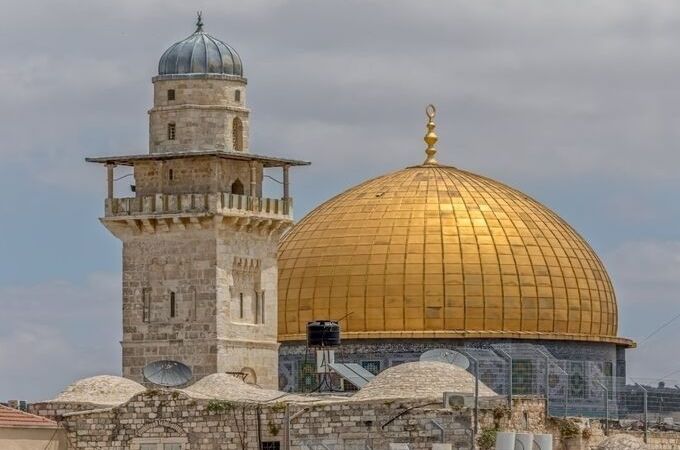
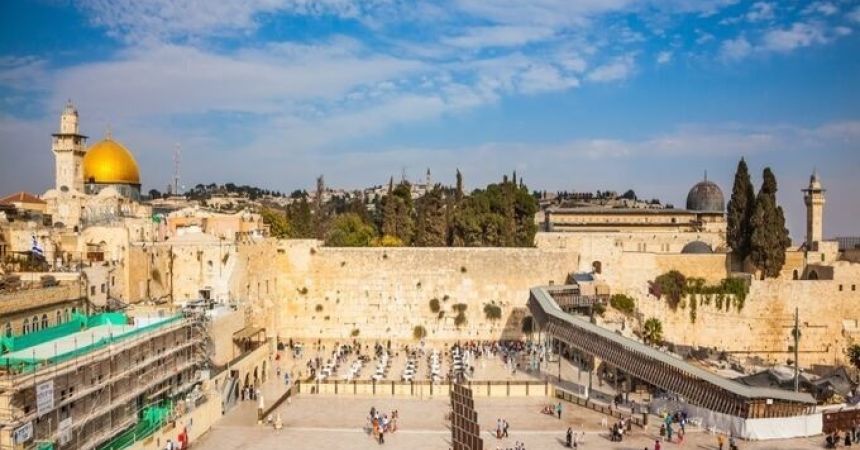
The city contains enough Jewish, Christian and Muslim sacred geography, archaeology, historic neighborhoods and contemporary culture to occupy a much longer stay. A concentrated three-day visit gives travelers enough time to experience the Old City without reducing it to a sprint between the Western Wall and Church of the Holy Sepulchre.
It also creates room for something many short itineraries eliminate: returning.
A place seen once with a guide can feel completely different when revisited independently later that day or the following morning.
Three days in one city allows Jerusalem to become more than a collection of internationally famous names.
That depth can be far more memorable than seeing Jerusalem, Tel Aviv and another region only briefly.
A Jerusalem-First Trip Works Best When the Third Day Is Flexible
If Jerusalem is the clear priority, I would resist locking all three days into equally dense guided programs.
The first day can establish the city through a strong guided introduction, particularly around the Old City and major sacred sites.
The second can deepen the experience through selected historical, museum or broader Jerusalem interests.
The third should remain more adaptable.
That flexibility might be used for additional Jerusalem time, a Dead Sea experience, or another personally important excursion depending on season, energy and flight logistics.
This is where Private Jerusalem Short Breaks can be more useful than standard three-day packages, because the trip does not need to pretend that every traveler arrives with identical religious or historical priorities.
The third day should solve the traveler’s biggest remaining curiosity rather than automatically follow a template.
Tel Aviv and Jerusalem Can Work Together, but Only if the Contrast Is the Point
Combining Jerusalem and Tel Aviv in three days is possible because the cities provide dramatically different experiences without requiring a cross-country expedition.
This can be an excellent choice for travelers who want both historical depth and contemporary urban Israel.
The mistake is dividing the time mechanically.
“One and a half days each” sounds fair but may produce awkward hotel changes and partial sightseeing windows.
A better approach is to make one city the anchor and the other the contrast.
If Jerusalem matters more, give it roughly two days and allow Tel Aviv to provide a shorter contemporary chapter through Jaffa, neighborhoods, food and the Mediterranean.
If Tel Aviv is the primary reason for traveling, reverse the weighting.
The trip becomes stronger once equality stops being the objective.
Tel Aviv Works Especially Well for Travelers Who Do Not Want a History Marathon
Not every first-time visitor wants three days of religious and archaeological intensity.
Some travelers are more interested in contemporary city life, food, architecture and Mediterranean culture, with perhaps one substantial historical day added for contrast.
For them, Tel Aviv can be the better base.
Jaffa introduces historical depth without requiring the entire stay to become heritage-focused, while neighborhoods, markets, restaurants and beachside public life make independent exploration straightforward.
A Jerusalem day trip can then provide the historical and sacred contrast the trip would otherwise lack.
This version of three days is very different from a pilgrimage-focused visit, which is exactly why ultra-short itineraries should begin with traveler identity rather than destination rankings.
The Dead Sea Is the Most Tempting Third-Day Addition
The Dead Sea has one major advantage in a three-day itinerary: the experience is immediately distinctive.
Floating in hypersaline water does not require several days of interpretation to feel different from anything else on the trip.
This makes it attractive as a contrast to Jerusalem.
Masada may also be paired with the regional day, although travelers need to be realistic about how much historical sightseeing, road movement and Dead Sea time can comfortably coexist before the return journey.
The Dead Sea should be included because its physical experience matters to you.
If you are adding it merely because it appears on every Israel highlights list, another day in Jerusalem may create more value.
The more compressed the trip, the more strongly optional experiences need to justify themselves.
Northern Israel Usually Costs Too Much Time in a Three-Day First Visit
Nazareth and the Sea of Galilee can be central to a Christian pilgrimage, but for a general first-time traveler they often require too much of a three-day itinerary.
The issue is not whether northern Israel is worth visiting.
It clearly is.
The issue is what must be sacrificed to include it.
A short northern segment can consume a substantial part of the trip through transportation and the fact that biblical sites are distributed across a region rather than concentrated in one easily walkable center.
Christian travelers may reasonably make the opposite decision and build the entire three days around Jerusalem plus northern heritage.
That works because the trip has a clear religious purpose.
Trying to add the north to an already full Jerusalem–Tel Aviv–Dead Sea itinerary does not create variety.
It creates fragmentation.
A Christian Three-Day Trip Should Be Built Around Narrative, Not Geography
For travelers whose primary reason for visiting Israel is Christian heritage, the three-day problem changes completely.
The strongest route might focus on Jerusalem and one carefully selected northern extension, depending on arrival and departure logistics.
Jerusalem can cover the final days of Jesus’ life, major pilgrimage sites and central Christian traditions, while Nazareth and the Sea of Galilee can introduce the geography associated with his early life and ministry.
This creates a coherent religious narrative even if the route itself covers more distance than a general cultural itinerary would justify.
The difference is purpose.
Customized Israel Christian Heritage Tours should therefore protect devotional and interpretive time rather than simply adding more biblical names to the schedule.
A pilgrimage stop visited too quickly has not necessarily been visited well.
Three Days Rewards Travelers Who Stay in One Hotel
Frequent hotel changes are particularly expensive during short trips because each transition consumes a larger percentage of the total journey.
Packing, checking out, moving luggage, reaching the next accommodation and reorienting yourself may take only a few hours, but three hours represents a substantial part of a three-day trip.
One-base planning can therefore be extremely effective.
Jerusalem as a base allows deep city sightseeing plus a selected regional excursion.
Tel Aviv as a base can support urban exploration and one significant historical day.
Even when a hotel change appears geographically efficient, it should be questioned if the new accommodation is used for only a few waking hours.
The traveler should gain more than the itinerary loses.
A Three-Day Trip Should Have One Theme and One Contrast
This is the editorial principle I would use rather than a standard itinerary table.
| Main trip theme | Strongest contrast | What should usually be excluded |
|---|---|---|
| Sacred Jerusalem | Dead Sea or short Tel Aviv chapter | Northern circuit and Eilat |
| Contemporary Tel Aviv | One Jerusalem day | Multiple regional detours |
| Christian pilgrimage | Jerusalem + selected northern heritage | Leisure-focused additions |
| History and archaeology | Jerusalem + Masada | Broad urban variety |
| Relaxed city break | Tel Aviv + Jaffa | Long-distance touring |
| First-time essentials | Jerusalem + one contrast | “Top destinations” checklist |
| Repeat visit | One specialist theme | Recreating a national highlights tour |
The table is deliberately about theme discipline rather than route order.
Three days becomes manageable once the traveler accepts that most worthwhile places will remain outside the trip.
One Big Day Is Fine; Three Big Days Usually Are Not
Short trips create pressure to maximize productivity.
This often results in three consecutive full-day programs beginning early and ending late.
The traveler sees more.
The quality of attention usually declines.
A strong three-day journey can absolutely contain one intensive day, especially in Jerusalem or on a regional excursion. What it should not assume is that the body and mind will respond identically on the second and third morning.
Even one unstructured evening or slower afternoon can preserve energy disproportionately.
The purpose of a short trip is not proving that every minute was used.
It is ensuring the most important minutes were good.
Lunch Is More Important When the Trip Is Short
This sounds counterintuitive because three days seems to demand speed.
Yet meals can prevent the trip from becoming mechanical.
A proper lunch separates morning interpretation from afternoon sightseeing, gives travelers time to discuss what they have already seen and protects attention for the second half of the day.
Skipping or aggressively shortening meals may recover forty minutes while making the following three hours significantly less enjoyable.
This is particularly relevant in Jerusalem, where historical and religious information can accumulate quickly.
A short trip does not eliminate the need for human pacing.
It increases it.
Guided Time Should Be Concentrated Where It Produces the Most Clarity
When every hour matters, travelers sometimes assume they need a guide continuously.
That is not necessarily the best use of the budget or the day.
Jerusalem is one of the strongest places to use professional guiding because context dramatically changes what visitors understand. Jaffa or another complex historical environment may also benefit from focused interpretation.
Tel Aviv neighborhoods, food, waterfront time or a free Jerusalem evening may be more rewarding independently once the traveler has enough orientation.
Private Israel Three-Day Tours should therefore concentrate guiding where information changes the experience and leave ordinary urban exploration to the traveler when structure adds little.
The goal is clarity, not supervision.
The Wrong Third Destination Can Damage the First Two
This is the hidden danger of three-day planning.
Suppose Jerusalem and Tel Aviv already fit comfortably.
Then someone notices that another famous site can technically be added.
To make it work, the second Jerusalem morning becomes shorter, lunch moves earlier, Tel Aviv arrival moves later and the final evening becomes a check-in exercise rather than an experience.
The third destination did not merely consume its own hours.
It reduced the quality of the two destinations already included.
This is why short itineraries should be evaluated systemically.
Every addition changes the rest of the trip.
What I Would Remove First From an Overloaded Three-Day Plan
Eilat would usually disappear immediately unless the Red Sea is the primary purpose of the trip.
A broad northern circuit would also be removed from a general cultural itinerary, although Christian travelers may reasonably retain it.
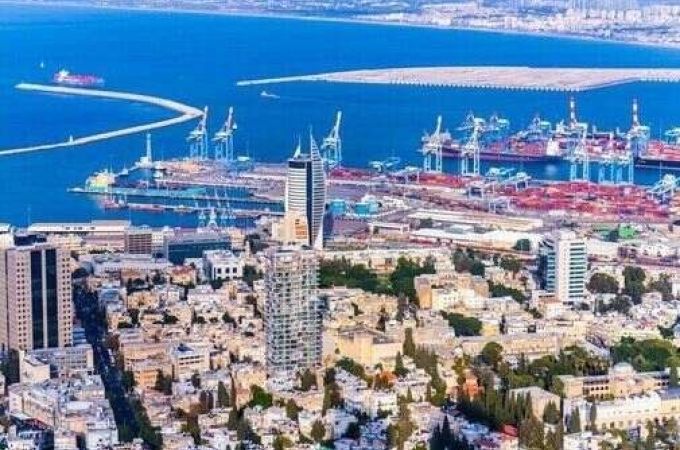
Haifa and Caesarea are worthwhile but rarely more important than protecting Jerusalem during an ultra-short first trip.
The Negev deserves more time than a token drive-through.
The Dead Sea survives more easily because its experience can be geographically compact and highly distinctive.
Tel Aviv survives when contemporary Israel matters to the traveler.
Jerusalem survives in almost every historically or religiously focused version because removing it changes the character of the trip fundamentally.
This is triage, not destination ranking.
The Arrival Evening Should Be Allowed to Stay an Arrival Evening
One of the least useful habits in short-trip planning is forcing sightseeing into an international arrival day because the schedule looks empty.
After immigration, luggage, airport transfer and hotel check-in, most travelers benefit more from dinner and a simple walk than from an ambitious timed program.
This does not waste the evening.
It protects the first full day.
Likewise, if the arrival is unusually early and the traveler feels energetic, the additional time becomes a bonus rather than something the entire itinerary depends upon.
A resilient three-day trip should improve when the flight arrives early without collapsing when it arrives late.
Three Days Works Best When the Trip Has a Sentence
Try describing the journey in one sentence before booking anything.
“We want three days focused on Jerusalem, with one Dead Sea contrast.”
“We want contemporary Tel Aviv plus one serious Jerusalem day.”
“We are coming for Christian heritage and want Jerusalem plus the strongest northern biblical context we can reasonably include.”
If the sentence requires several commas and the word “also” four times, the itinerary is probably already too broad.
This is how Focused Israel Short Tours should be designed.
The trip needs a thesis.
Once that exists, every proposed addition can be tested against it.
The Best Three-Day Trip Leaves You Wanting Another Trip
Travelers sometimes feel disappointed by how much has to be removed from a short Israel plan.
That is the wrong measure.
A three-day journey can never resolve the country’s religious, historical, urban and natural complexity. Trying to make it do so produces exactly the rushed experience travelers fear.
A better outcome is returning home with one or two places understood well enough that the destinations you missed still feel meaningful rather than merely unchecked.
Three days should create curiosity rather than exhaustion.
That is a far better reason to return.
Questions That Only Ultra-Short Israel Trips Create
Is it better to sleep all three nights in the same city?
Often yes, particularly when Jerusalem or Tel Aviv is the main focus. Staying in one hotel protects time otherwise lost to packing and check-in, while selected day trips can still introduce contrast without changing the overnight base.
Can I visit Jerusalem as a day trip from Tel Aviv?
Yes, but the quality depends on what you expect from Jerusalem. One full guided day can provide a meaningful introduction, although travelers with strong religious or historical interests may regret not staying longer.
Should I choose Masada or the Dead Sea if I cannot do both?
Choose according to the experience you value more. Masada emphasizes archaeology, desert geography and history, while the Dead Sea provides a distinctive physical experience that generally requires less interpretation to appreciate.
Is a late-night hotel change ever worth it during three days?
Only when it materially improves the following day or departure logistics. Moving after dinner merely to wake in another city can consume energy without creating enough new sightseeing time to justify the disruption.
Can three days support both Jewish and Christian heritage interests?
Yes, especially in Jerusalem, where major Jewish and Christian sacred sites exist within a compact area. The challenge is interpretation and pacing rather than distance, so a knowledgeable guide can add substantial value.
Should I book every dinner because the trip is short?
Not necessarily. One or two important reservations can be useful, but leaving some flexibility allows the evening to respond to sightseeing, energy and local recommendations rather than forcing the entire day around restaurant timing.
Is the Sea of Galilee realistic if I only have one northern day?
It can be for a focused Christian heritage visit, particularly when paired selectively with key sites. Attempting Nazareth, multiple Galilee stops and additional northern attractions in the same day usually reduces depth substantially.
Can I use the departure day for serious sightseeing?
Only when flight timing leaves a generous margin. The final day should contain experiences you can shorten or remove without major disappointment, because airport logistics should not compete with a non-negotiable historical or religious visit.
Does private touring make three days much more effective?
It can improve efficiency and tailor site emphasis, especially in Jerusalem or regional touring, but private services cannot create additional hours. The route still needs strict geographical discipline even when transportation and guiding are highly efficient.
Should repeat visitors also avoid moving around too much?
Usually, although repeat travelers have one major advantage: they can ignore first-time highlights completely. Three days devoted to one specialist interest may justify a route that would make little sense for someone trying to understand Israel broadly.
What is the most expensive mistake in a three-day itinerary?
Booking accommodation and transfers around too many destinations before deciding what the trip is actually about. Once hotels become non-refundable, travelers often preserve a weak route simply because changing it feels financially painful.
How do I know when the three-day plan is finally simple enough?
If one main theme is obvious, hotel changes are minimal, the arrival and departure periods can absorb delays, and removing one minor stop would not destroy the itinerary, the trip is probably concentrated enough to work well.

A travel professional specializing in tailor-made travel planning, guest experience management, and multi-destination tourism operations.
With over 23 years of experience in the travel industry, he designs and manages private and cultural tours for international travelers across Türkiye, Greece, Egypt, Jordan, Morocco, and other destinations.
He has strong expertise in both online and face-to-face guest communication, sales processes, and end-to-end travel operations.
Working closely with hotels, travel agencies, and local partners, he ensures smooth coordination and high-quality travel experiences at every stage of the journey.
His focus is on delivering personalized, reliable, and seamless travel experiences for international guests worldwide.