Israel Weather in November: Cooler Days, Rain & Travel Conditions
Last Updated: August 9, 2026
November is the month when checking the weather becomes interesting again.
During summer, a traveller can reasonably expect dry conditions and build much of the itinerary around heat. October begins relaxing those rules, opening longer walking windows and making outdoor sightseeing easier.
November introduces a different kind of uncertainty.
A Jerusalem morning can be beautifully clear and comfortable. Another day may arrive cooler, cloudier or wet enough to change the order of sightseeing. Tel Aviv can still produce surprisingly mild Mediterranean afternoons, while the Dead Sea may feel almost disconnected from the season unfolding at higher elevation.
This does not make November unreliable.
It makes it responsive.
The best November itinerary is not the one built around an imaginary promise of perfect autumn weather.
It is the one that can change its mind.
Welcome to the November Control Room
Imagine the itinerary displayed across three screens.
The first contains activities that can remain fixed.
The second contains plans whose timing should stay flexible.
The third contains experiences that deserve another weather check shortly before they happen.
This is a better way to understand November than simply asking whether it is “rainy season.”
SCREEN 1 — KEEP THE PLAN
Jerusalem's museums, markets, historical interiors, religious sites and substantial parts of its cultural programme belong here.
A rainy period may change how they are ordered, but it rarely destroys the reason for visiting the city.
Tel Aviv works similarly.
Neighbourhoods, restaurants, museums, markets and Jaffa provide enough variety that a less favourable beach afternoon does not collapse the destination.
This makes cultural travel particularly resilient in November.
Travellers planning a history-focused journey can explore Israel heritage itineraries, where the programme has enough indoor and outdoor depth to adapt rather than depending on continuous sunshine.
SCREEN 2 — KEEP THE DAY, MOVE THE HOURS
Long outdoor walking belongs on the second screen.
November can provide excellent conditions for exploring Jerusalem on foot, and comfortable days may actually suit substantial cultural walking better than hotter months.
But the itinerary should no longer assume that every outdoor period will behave identically.
If rain is expected in the afternoon, the walking programme can move forward.
If the morning begins wet and conditions improve later, museums or markets can take the first part of the day.
The attraction does not disappear.
The schedule moves around it.
SCREEN 3 — CHECK AGAIN
Nature and weather-sensitive outdoor activities deserve greater attention.
The return of rainfall is not merely an umbrella question.
In desert environments, rainfall occurring in drainage areas can create flash-flood hazards, sometimes affecting places far from where the rain itself falls. Hiking decisions therefore need current, authoritative information rather than a monthly climate description.
November rewards flexibility, but flexibility must be informed.
A traveller should never interpret “the weather looks fine outside my hotel” as sufficient evidence that every outdoor route elsewhere is appropriate.
The November Decision Board
| Travel Plan | Status | What to Do |
|---|---|---|
| Jerusalem museums & interiors | Fixed | Book normally |
| Old City walking | Flexible | Move around rain if needed |
| Tel Aviv city touring | Fixed/Flexible | Keep alternatives available |
| Mediterranean beach time | Opportunistic | Decide from daily conditions |
| Masada | Flexible | Check local forecast |
| Dead Sea day | Usually workable | Adjust timing if needed |
| Negev hiking | Recheck | Weather and flood risk matter |
| Outdoor nature day | Recheck | Confirm actual conditions |
The advantage of this system is psychological as much as practical.
Bad weather stops feeling like cancellation when the itinerary already contains another place for the experience to go.
Jerusalem Becomes a Two-Version City
November travellers should mentally prepare two versions of a Jerusalem day.
Version A: Clear and Comfortable
This may be one of the most enjoyable cultural days of the trip.
Lower seasonal temperatures can support extensive walking, archaeological exploration and neighbourhood wandering without summer's heat-management requirements.
A clear November day should not be wasted indoors merely because the itinerary originally placed a museum there.
Use it.
Version B: Cool, Cloudy or Wet
This is not automatically a lost day.
Jerusalem has enough historical interiors, religious sites, museums, markets and food experiences to absorb periods of poorer weather. Outdoor sections can be shortened, moved or returned to later if conditions improve.
The difference between a frustrating November itinerary and a successful one may simply be whether these two versions were considered before breakfast.
Tel Aviv Loses Certainty, Not Value
The Mediterranean becomes less predictable as a beach destination in November.
That distinction matters.
Tel Aviv does not suddenly stop being worthwhile because swimming can no longer be treated as a dependable daily component of the trip. The city's food scene, Jaffa, neighbourhoods, cultural attractions and waterfront remain relevant regardless of whether travellers enter the sea.
On suitable days, the coast can still be extremely pleasant.
That makes beach time a bonus rather than the structural centre of the itinerary.
This is a very different relationship with Tel Aviv from August or September, which is precisely why November deserves separate cluster ownership.
The Dead Sea Can Feel Like a Seasonal Escape
November's regional contrasts become particularly useful around the Dead Sea.
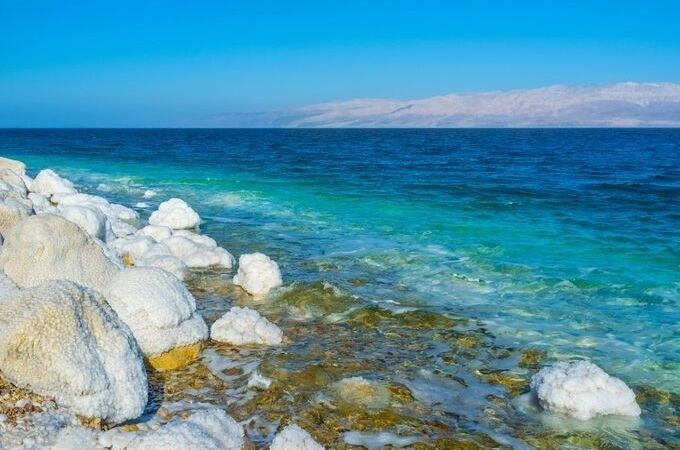
Travellers leaving a cooler Jerusalem morning may descend into conditions that feel noticeably milder or warmer, giving the itinerary a change of season within a relatively short journey.
This makes the region attractive for travellers seeking some warmer outdoor time without building the entire holiday around a beach destination.
Those interested in combining these contrasting environments can consider Israel winter sun tours, particularly when Jerusalem and the Dead Sea are deliberately used to create two different November experiences.
However, the warmer climate should not create false confidence about outdoor conditions.
Weather still needs checking, particularly when desert environments are involved.
November Rain Is About More Than Getting Wet
For urban travellers, rain may mean a jacket, umbrella and revised sightseeing order.
For desert travellers, the conversation is more serious.
Flash flooding can occur in desert channels and low areas, which means travellers should follow official warnings, local guidance and current conditions before undertaking relevant outdoor activities.
This is why generic advice such as “November only has a few rainy days” is not enough.
Frequency alone does not explain travel impact.
One appropriately timed weather system can matter far more to an outdoor itinerary than several days of average monthly statistics.
The 72-Hour Rule
November is an excellent month to introduce a simple planning habit.
Three days before a weather-sensitive activity, check again.
Not three months before.
Not only when packing.
Again.
This is particularly useful for:
- desert activities,
- long nature walks,
- exposed archaeological days,
- beach plans,
- substantial road-based outdoor itineraries.
The forecast will continue changing, but the 72-hour point begins turning seasonal assumptions into useful planning information.
For highly weather-sensitive activities, checking again closer to departure remains important.
A November Trip Should Have Swap Pairs
Every weather-sensitive experience should have a natural partner.
Outdoor Jerusalem walk ↔ museum or market
Tel Aviv beach afternoon ↔ Jaffa and neighbourhood exploration
Nature programme ↔ cultural sightseeing
Exposed afternoon site ↔ indoor heritage visit
These are not backup plans in the pessimistic sense.
They are two equally valid versions of the same day.
That difference matters because travellers are less disappointed when flexibility is designed into the trip rather than improvised after something goes wrong.
November Rewards Multi-Region Travel
The month's contrasts can actually improve a longer journey.
Jerusalem may provide crisp cultural sightseeing. Tel Aviv introduces Mediterranean influence. The Dead Sea can feel considerably warmer, while desert regions offer another landscape entirely.
Travellers wanting to use those differences rather than chase one perfect forecast can explore Israel multi-region journeys, where movement between climates becomes part of the experience.
This is November's hidden strength.
The weather is less predictable nationally, but the country gives travellers more than one environment to work with.
Don't Pack for the Average Day
Monthly averages create imaginary weather.
Nobody experiences the average November day.
You experience Tuesday.
That Tuesday may be sunny.
Thursday may require a jacket.
Saturday may produce conditions that completely change a desert plan.
Packing therefore needs flexibility: comfortable walking footwear, layers, a useful rain option and clothing suitable for milder conditions around the Dead Sea or during warmer periods.
The objective is not bringing everything.
It is being able to adjust without rebuilding the wardrobe.
November's Real Travel Skill Is Adaptability
October gives travellers increasing freedom from summer heat.
December will belong more clearly to winter travel and its regional contrasts.
November owns the handover.
Rain returns to the conversation, but sunshine has not disappeared. Mediterranean beach certainty declines, but mild coastal days remain possible. Jerusalem becomes cooler and highly attractive for cultural walking, while the Dead Sea can provide a dramatically different experience.
Trying to force November into a single weather description misses what makes it useful.
The month works best when the itinerary contains certainty where certainty is possible and flexibility where it is not.
Book the cultural experiences.
Protect the important destinations.
Leave movable outdoor pieces movable.
Then, three days before the weather-sensitive part of the journey, open the control room again.
That is when November stops being unpredictable and starts becoming manageable.
The November Weather Insurance Policy
You cannot insure a holiday against clouds.
You can insure the itinerary against disappointment.
November makes that distinction useful because not every activity carries the same weather risk. A museum visit remains valuable during rain, while a long outdoor nature programme may depend heavily on actual conditions.
The solution is not creating two complete itineraries.
Only insure the vulnerable parts.
Policy A: No Backup Required
Some experiences are strong enough to remain fixed.
Major museums, historical interiors, markets, food experiences and many religious sites do not need a second version merely because November weather can change.
These activities actually become useful anchors.
If tomorrow's outdoor programme needs to move, the fixed cultural experience gives it somewhere to swap.
The mistake is putting every indoor attraction on the same day.
Spread weather-resistant experiences across the itinerary instead.
They become your flexibility reserve.
Policy B: Same Experience, Different Hour
Long Jerusalem walks often need only light insurance.
Suppose rain is expected around midday but conditions look better during the morning and later afternoon.
The walking day does not need cancellation.
Move the exposed section earlier, allow lunch or an indoor visit to absorb the wetter period, then return outside afterwards if conditions permit.
The backup is not another attraction.
It is another clock.
Policy C: Same Destination, Different Experience
Tel Aviv fits this category particularly well.
Plan A: Mediterranean afternoon and waterfront time.
Plan B: Jaffa, markets, neighbourhoods, museums, cafés and food experiences.
Both belong naturally to the destination.
This makes Tel Aviv unusually resistant to November weather changes because a poor beach day does not require replacing the city itself.
The traveller simply experiences another version of it.
Policy D: Weather Has Final Authority
Desert hiking and some nature activities require the strongest policy.
A traveller may have the right footwear, transport and reservation, yet actual conditions can still override the programme.
This is especially important where rainfall may create flash-flood risks.
In these cases, Plan B should not be “do a shorter version anyway.”
It should be a genuinely different activity that remains appropriate under the actual conditions and follows authoritative local guidance.
What Needs Insurance?
| Experience | Backup Level | Best Strategy |
|---|---|---|
| Museum / indoor heritage | None | Keep fixed |
| Jerusalem walking | Light | Move the hours |
| Tel Aviv beach time | Medium | Switch to city experiences |
| Masada / exposed archaeology | Medium | Adjust timing to conditions |
| Dead Sea leisure | Light–Medium | Keep day flexible |
| Nature excursion | High | Prepare alternative |
| Desert hiking | Very High | Current conditions decide |
The point is not expecting poor weather.
It is knowing which part of the holiday would suffer most if conditions changed.
Never Use the Best Day for the Most Weather-Proof Activity
Imagine the forecast shows one beautifully clear day between two unsettled periods.
That is probably not the day to spend six hours inside museums.
Give the strongest weather to the experience that benefits most from it.
Move indoor cultural attractions towards less favourable periods whenever opening times and reservations allow.
This is one of November's simplest itinerary upgrades.
Weather does not only tell you what to cancel.
It tells you what to promote.
Don't Insure Every Hour
Overplanning can become its own problem.
Travellers sometimes respond to seasonal uncertainty by building backup activities for every morning, afternoon and evening. The result is an itinerary so complicated that checking the plan becomes more tiring than checking the weather.
November rarely requires that.
Choose the genuinely vulnerable experiences.
Give those a credible alternative.
Leave the rest alone.
A successful November itinerary should feel flexible on the ground, not look like an emergency manual before departure.
The Best Plan B Should Still Feel Like Israel
This is the final test.
If rain removes a long outdoor programme, the replacement should not feel like something chosen merely to fill four hours.
A Jerusalem market, historical interior, food experience or museum still deepens the trip. Jaffa on a cloudy afternoon is still Jaffa.
Good weather insurance protects the quality of the holiday, not simply the timetable.
That is why November can remain a strong cultural travel month even when the forecast contains a few question marks.
The itinerary has enough depth to answer them.
The November Forecast Translator
Three days before departure, your weather app shows a rain symbol over Jerusalem.
What should you actually do with that information?
Probably less than you think.
Forecast icons compress an entire day into one tiny image, which makes them useful for quick checking but surprisingly poor at explaining how much of a travel day may actually be affected.
November travellers need to read one level deeper.
“40% Chance of Rain” Does Not Mean 40% of Your Day Is Ruined
A precipitation percentage is one of the easiest forecast details to misinterpret.
It should not be converted directly into lost sightseeing hours.
Instead, look at when precipitation is expected, how long it may last and whether the forecast changes during the day.
A wet period around lunchtime may barely affect a Jerusalem itinerary if outdoor sightseeing happens earlier and an indoor attraction occupies the affected hours.
The icon says rain.
The itinerary may say almost nothing changed.
“Showers” and “Rain All Day” Are Different Travel Problems
Intermittent showers often create a scheduling problem.
Persistent rainfall can create a programme problem.
That distinction matters.
If showers are expected, travellers may still complete substantial outdoor sightseeing by using indoor stops strategically. A more sustained period of rain may justify moving the day's most exposed experiences altogether.
This is why checking the hourly forecast closer to the travel date is more useful than repeatedly studying monthly rainfall averages.
“Cloudy” Can Be Excellent Sightseeing Weather
Travellers planning photographs naturally hope for blue skies, but a cloudy November day is not necessarily poor travel weather.
For long cultural walks, reduced direct sunshine and cooler conditions may actually create a comfortable sightseeing environment, provided rain and strong wind are not significant issues.
Jerusalem does not need postcard skies to be rewarding.
Markets remain active.
Historical streets retain their atmosphere.
Archaeological sites remain archaeological sites.
Do not cancel a good walking day because the forecast icon is grey.
“Windy” Deserves More Attention Near the Coast
Wind can change how a Mediterranean day feels even when the temperature appears mild.
A Tel Aviv afternoon that looks perfectly suitable numerically may feel considerably cooler or less attractive for extended beach time if stronger winds develop.
This is one reason November swimming decisions should be made from actual daily conditions rather than monthly sea-temperature expectations alone.
The coast is still valuable.
Its role simply becomes less predictable.
Read Forecasts Differently by Region
| Forecast | Jerusalem | Tel Aviv | Dead Sea / Desert |
|---|---|---|---|
| Cloudy | Often good for walking | Good city weather | Usually manageable |
| Light showers | Rearrange outdoor periods | Use city alternatives | Check regional impact |
| Persistent rain | Shift towards interiors | Reduce exposed plans | Reassess outdoor programme |
| Strong wind | Consider exposed viewpoints | Coast affected more noticeably | Check local conditions |
| Rain nearby | Mostly itinerary issue | Mostly itinerary issue | Potentially more significant for desert plans |
The final row deserves attention.
Rain in a desert context is not simply about whether you personally expect to get wet.
Water can move through drainage systems, which means relevant outdoor activities require official warnings and reliable local information rather than casual interpretation of the weather visible from your hotel.
Never Read Jerusalem's Forecast for the Whole Country
A sunny Jerusalem forecast does not confirm conditions in the Negev.
A wet Tel Aviv morning does not prove that the Dead Sea day should be cancelled.
Israel's relatively short travel distances can make visitors underestimate how strongly elevation, Mediterranean influence and desert geography affect local conditions.
Check the destination where the activity actually happens.
This sounds obvious.
Surprisingly many travellers do not do it.
Look at the Forecast Again the Night Before
November planning improves dramatically when weather checking becomes a sequence rather than a single event.
A few days beforehand, use the forecast to identify which activities might need flexibility.
The night before, refine the order.
On the morning itself, check relevant current conditions if the programme is weather-sensitive.
For ordinary city sightseeing, this may simply determine whether the umbrella goes into the day bag.
For desert activity, the consequences can be more significant.
The Best Forecast Is Not Necessarily the Sunniest One
A clear, warm day may be ideal for the Dead Sea.
A cooler cloudy day may be excellent for six hours of Jerusalem walking.
A mild coastal afternoon with little wind may be more valuable in Tel Aviv than a hotter but uncomfortable one.
November teaches travellers to stop ranking weather as:
sunny = good
rain = bad
The more useful question is:
Good for what?
Once the forecast is matched to the activity rather than judged by its icon, November becomes much easier to plan intelligently.
12 Questions Travellers Ask About Israel Weather in November
1. Is November a good time to visit Israel?
November can be a very rewarding month for travellers interested primarily in history, culture and substantial sightseeing. Temperatures are generally easier for walking than during summer, while regional differences allow Jerusalem, Tel Aviv and the Dead Sea to deliver noticeably different experiences. Greater weather flexibility should simply be built into the itinerary.
2. Is Israel rainy in November?
November moves farther into the wetter part of the year, so rainfall becomes more relevant than it was during early autumn. This does not mean travellers should expect continuous rain throughout the trip. Conditions vary considerably between days and years, making short-range forecasts more useful than monthly rainfall totals alone.
3. Does rain usually ruin sightseeing in Jerusalem?
Not necessarily. Jerusalem has enough museums, religious interiors, markets and historical attractions to keep a cultural programme moving during unsettled periods. When rainfall is intermittent, outdoor sightseeing can often be moved around it, which is why a flexible order generally works better than cancelling an entire day in advance.
4. How cold is Jerusalem in November?
Jerusalem becomes noticeably cooler than during early autumn, particularly in the evenings, but November should not automatically be imagined as severe winter weather. Conditions can vary considerably, so layers are more practical than one heavy garment, especially for travellers moving between Jerusalem and warmer lower-elevation regions.
5. Can I still swim in Tel Aviv in November?
Swimming may be possible on suitable days, particularly for travellers comfortable with cooler conditions, but it should no longer be treated as a dependable part of every itinerary. Air temperature, wind, sea conditions and individual preference all matter, making November beach time better regarded as an opportunity than a promise.
6. Is the Dead Sea warm in November?
The Dead Sea can feel considerably warmer than Jerusalem because of its very low elevation and desert setting, making it an appealing addition to a November cultural journey. Nevertheless, daily conditions vary, and travellers should continue checking the local forecast rather than assuming the region guarantees summer-like weather.
7. Is November a good month for Masada?
November can provide excellent conditions for exploring Masada because the intense summer heat has generally eased, potentially allowing more comfortable archaeological sightseeing. However, the site's exposed location means wind, rain and changing regional conditions still matter, so checking the local forecast shortly before the visit remains sensible.
8. Can I hike in the Negev in November?
November can offer attractive conditions for desert activity, but rainfall introduces an important consideration alongside temperature. Flash flooding can affect desert channels and routes, sometimes because of rainfall occurring elsewhere. Travellers should therefore follow current official warnings, route-specific information and reliable local guidance before hiking.
9. What clothes should I pack for Israel in November?
A layered wardrobe works better than packing exclusively for either warm or cold weather. Comfortable walking shoes, lightweight daytime clothing, warmer evening layers and practical rain protection can cover most multi-region itineraries. Travellers visiting the Dead Sea may also appreciate lighter clothing and swimwear on suitable days.
10. Is early November better than late November?
Neither period is universally better, although later November generally moves farther towards winter and may bring a greater chance of cooler or unsettled conditions. Early dates can retain more autumn warmth. Travellers prioritising outdoor sightseeing may favour earlier November, while cultural itineraries can work well throughout the month.
11. Is November suitable for families and older travellers?
Yes, particularly when summer heat would otherwise make long sightseeing days tiring. Cooler conditions can improve extensive cultural touring, but itineraries should retain alternatives for rainy periods and avoid excessive daily schedules. Layers and flexible timing are especially useful for multi-generational groups moving between different elevations and climates.
12. Should I check weather forecasts before booking November activities?
For ordinary cultural sightseeing, long-range forecasts are unnecessary because they cannot provide reliable day-specific information months ahead. Weather-sensitive outdoor activities deserve another check much closer to travel, particularly desert programmes where rainfall and flash-flood warnings may have implications beyond simple sightseeing comfort.

A travel professional specializing in tailor-made travel planning, guest experience management, and multi-destination tourism operations.
With over 23 years of experience in the travel industry, he designs and manages private and cultural tours for international travelers across Türkiye, Greece, Egypt, Jordan, Morocco, and other destinations.
He has strong expertise in both online and face-to-face guest communication, sales processes, and end-to-end travel operations.
Working closely with hotels, travel agencies, and local partners, he ensures smooth coordination and high-quality travel experiences at every stage of the journey.
His focus is on delivering personalized, reliable, and seamless travel experiences for international guests worldwide.