Israel Travel Guide (2026–2027): The Complete Guide to Jerusalem, Tel Aviv & the Dead Sea
Updated for 2026–2027
| Israel Travel Guide | Details |
|---|---|
| Guide Updated | July 2026 |
| Ideal Trip Length | 7–10 Days |
| Best For | History Lovers, Families, Pilgrims, Couples & First-Time Visitors |
| Main Destinations | Jerusalem, Tel Aviv, Dead Sea, Masada & Bethlehem |
| Best Travel Season | March–May & September–November |
| Reading Time | Approximately 18 Minutes |
| Last Reviewed | July 2026 |
Israel is one of the world's most fascinating travel destinations, where thousands of years of history meet vibrant modern cities, Mediterranean beaches, remarkable archaeological sites, and deeply significant religious landmarks. Within a relatively small country, travelers can walk through Jerusalem's ancient streets in the morning, relax on Tel Aviv's beaches by afternoon, and float effortlessly in the mineral-rich waters of the Dead Sea the following day.
Although many visitors initially associate Israel with religious tourism, the country offers much more than pilgrimage sites. Contemporary art, innovative cuisine, lively nightlife, desert landscapes, UNESCO World Heritage Sites, nature reserves, and world-class museums make Israel an attractive destination for travelers with a wide range of interests.
One of Israel's greatest advantages is its compact size. Well-developed highways and short travel distances make it easy to experience several regions during a single trip. A carefully planned itinerary allows visitors to combine Jerusalem's historic neighborhoods, Tel Aviv's cosmopolitan atmosphere, and the unique landscapes of the Judean Desert without spending excessive time in transit.
This comprehensive 2026–2027 Israel Travel Guide explains how many days you should spend in the country, compares the best itineraries, outlines current visa and entry requirements, estimates travel costs, and introduces Israel's most rewarding destinations.
Why Visit Israel?
Few countries offer such remarkable diversity within a relatively short distance.
Israel combines:
-
Ancient religious landmarks
-
Mediterranean beaches
-
Modern architecture
-
Desert landscapes
-
UNESCO World Heritage Sites
-
National parks
-
World-famous museums
-
Outstanding culinary experiences
Whether your interests focus on history, photography, archaeology, family travel, or food, Israel provides an itinerary that can easily be adapted to your travel style.
Israel at a Glance
| Quick Facts | Information |
|---|---|
| Capital | Jerusalem |
| Largest Metropolitan Area | Tel Aviv |
| Currency | Israeli New Shekel (ILS) |
| Language | Hebrew & Arabic |
| Time Zone | Israel Standard Time (UTC+2 / UTC+3 DST) |
| Best First Trip | Jerusalem • Tel Aviv • Dead Sea |
How Many Days Are Enough for Israel?
The ideal duration depends on how deeply you wish to explore the country.
A five-day visit covers the major highlights, seven days offers a balanced itinerary, and ten days allows visitors to include additional historical sites, national parks, and slower cultural experiences.
For most first-time visitors, seven to ten days provides the best overall experience.
Israel in 5 Days
Five days is suitable for travelers with limited vacation time or those combining Israel with Jordan or Egypt.
A typical itinerary includes:
-
Jerusalem
-
Bethlehem
-
Dead Sea
-
Masada
-
Tel Aviv
Although the pace is relatively active, it introduces Israel's most recognizable landmarks while minimizing unnecessary travel.
Ideal For
-
First-time visitors
-
Pilgrimage groups
-
Short Mediterranean cruises
-
Travelers combining multiple countries
Israel in 7 Days
A seven-day itinerary is the most popular option.
It allows travelers to spend additional time exploring Jerusalem while also discovering Tel Aviv's beaches, markets, museums, and modern neighborhoods.
Suggested distribution:
| Destination | Nights |
|---|---|
| Jerusalem | 3 |
| Dead Sea Region | 1 |
| Tel Aviv | 3 |
This itinerary offers an excellent balance between history, relaxation, and contemporary Israeli culture.
Travelers looking for professionally planned Israel tour packages often choose a seven-day itinerary because it includes the country's most iconic attractions without feeling rushed.
Israel in 10 Days
Ten days allows travelers to move beyond the classic route and discover more of Israel's regional diversity.
Possible additions include:
-
Galilee
-
Nazareth
-
Acre (Akko)
-
Caesarea
-
Haifa
-
Golan Heights
-
Ramon Crater
Longer stays also provide opportunities for cooking experiences, wine tastings, hiking, and additional archaeological sites.
Recommended For
-
Families
-
Photography enthusiasts
-
History lovers
-
Repeat visitors
-
Travelers interested in biblical heritage
Jerusalem: The Heart of Israel
No visit to Israel is complete without spending several days in Jerusalem.
Few cities anywhere in the world hold such historical, cultural, and religious significance.
For Jews, Christians, and Muslims alike, Jerusalem contains some of the world's most important sacred sites. Beyond its religious importance, the city offers vibrant markets, outstanding museums, impressive viewpoints, and diverse neighborhoods reflecting thousands of years of history.
Unlike many historic cities, Jerusalem constantly evolves while preserving its remarkable heritage.
Jerusalem Deep Dive
A single day is rarely enough to appreciate Jerusalem properly.
Three days allows visitors to explore both famous landmarks and quieter neighborhoods beyond the Old City walls.
Old City Highlights
-
Western Wall
-
Church of the Holy Sepulchre
-
Via Dolorosa
-
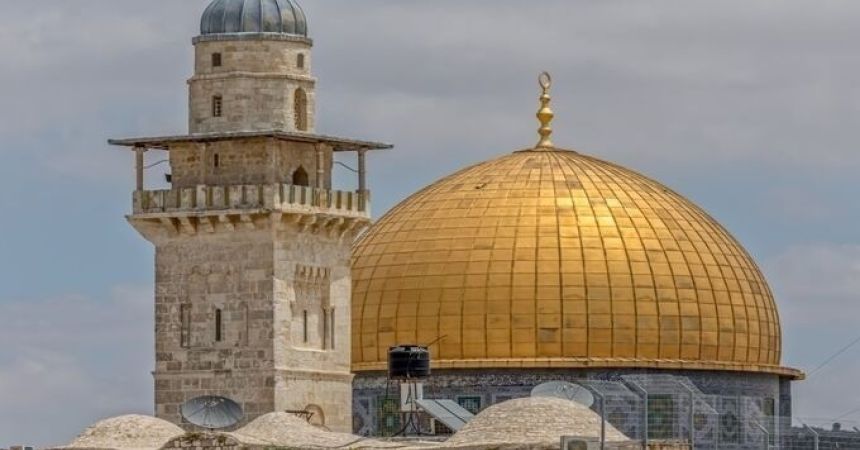
Dome of the Rock (external visit unless permitted)
-
Temple Mount (subject to opening schedules)
-
Jewish Quarter
-
Armenian Quarter
-
Muslim Quarter
-
Christian Quarter
Walking through the Old City reveals layers of history stretching back more than three thousand years.
Each quarter has its own atmosphere, architecture, and traditions, making repeated visits worthwhile.
Beyond the Old City
Modern Jerusalem offers many attractions often overlooked by first-time visitors.
Recommended experiences include:
-
Mahane Yehuda Market
-
Israel Museum
-
Yad Vashem
-
Mount of Olives
-
Garden of Gethsemane
-
Haas Promenade
-
German Colony
These locations provide valuable historical context while showcasing Jerusalem's contemporary cultural life.
Food Experiences in Jerusalem
Jerusalem's culinary scene reflects the city's multicultural identity.
Popular local specialties include:
-
Fresh hummus
-
Falafel
-
Shawarma
-
Sabich
-
Bourekas
-
Jerusalem mixed grill
-
Fresh pastries
-
Israeli wine
Mahane Yehuda Market transforms from a bustling produce market during the day into one of Jerusalem's most vibrant dining districts after sunset.
Visitors interested in authentic culinary experiences often include local food tours when choosing private Israel tours, combining traditional markets with family-owned restaurants and neighborhood cafés.
Suggested Three-Day Jerusalem Itinerary
Day One
-
Western Wall
-
Jewish Quarter
-
Church of the Holy Sepulchre
-
Via Dolorosa
-
Rooftop viewpoints
Day Two
-
Israel Museum
-
Dead Sea Scrolls
-
Yad Vashem
-
Mahane Yehuda Market
Day Three
-
Mount of Olives
-
Garden of Gethsemane
-
City of David
-
Evening light show (seasonal)
This slower approach allows visitors to appreciate Jerusalem's history rather than rushing between attractions.
Why Jerusalem Deserves More Than One Day
Many organized itineraries allocate only one full day to Jerusalem.
While it is possible to see the major landmarks quickly, doing so leaves little opportunity to understand the city's extraordinary cultural complexity.
Three days provides time to:
-
Explore each quarter of the Old City
-
Visit important museums
-
Experience local markets
-
Enjoy panoramic viewpoints
-
Discover contemporary neighborhoods
-
Appreciate Jerusalem after dark
The city changes noticeably throughout the day, making morning and evening walks completely different experiences.
Visual Suggestion: Israel Route Map
Create a full-width route map showing:
Jerusalem → Bethlehem → Dead Sea → Masada → Tel Aviv
Include approximate driving times:
-
Jerusalem → Bethlehem: 20–30 minutes
-
Jerusalem → Dead Sea: 1.5 hours
-
Dead Sea → Masada: 20–30 minutes
-
Masada → Tel Aviv: 2–2.5 hours
This visual helps readers understand how easily Israel's major attractions can be combined into a single itinerary.

Tel Aviv: Israel's Modern Mediterranean City
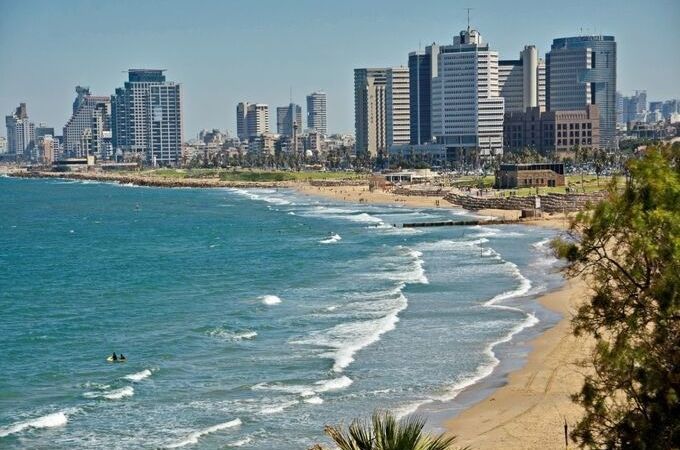
While Jerusalem preserves thousands of years of history, Tel Aviv showcases Israel's contemporary lifestyle. Modern architecture, Mediterranean beaches, creative restaurants, nightlife, museums, and one of the world's largest collections of Bauhaus buildings give the city a completely different atmosphere.
Many travelers are surprised by how different Tel Aviv feels from Jerusalem. The contrast between the two cities is one of the highlights of any Israel itinerary.
Top Things to Do in Tel Aviv
A two- or three-day stay allows enough time to experience the city's diverse neighborhoods and coastal lifestyle.
Recommended attractions include:
-
Old Jaffa (Yafo)
-
Rothschild Boulevard
-
Carmel Market
-
Neve Tzedek
-
Tel Aviv Promenade
-
Gordon Beach
-
Frishman Beach
-
Tel Aviv Museum of Art
-
Sarona Market
-
Independence Hall Museum
Walking or cycling along the beachfront is one of the best ways to experience Tel Aviv, especially during the late afternoon when locals gather at cafés, parks, and beaches.
Where to Stay in Tel Aviv
Choosing the right neighborhood depends on your travel style.
| Area | Best For |
|---|---|
| Old Jaffa | History, boutique hotels, couples |
| City Center | First-time visitors |
| Beachfront | Luxury hotels and relaxation |
| Rothschild Boulevard | Nightlife and dining |
| Neve Tzedek | Boutique shopping and cafés |
Because the city is compact, most attractions are within walking distance or easily reached by taxi or public transportation.
Food & Nightlife
Tel Aviv is considered one of the Middle East's leading culinary destinations.
Don't miss:
-
Fresh seafood
-
Israeli breakfast
-
Hummus restaurants
-
Shakshuka
-
Sabich
-
Street food markets
-
Craft coffee shops
-
Mediterranean fine dining
The city's nightlife is equally impressive, with rooftop bars, live music venues, beach clubs, and late-night cafés remaining active well into the evening.
Travelers looking for a balanced itinerary often combine Jerusalem's historic atmosphere with Israel private tours that include Tel Aviv's culinary and cultural experiences.
The Dead Sea Guide
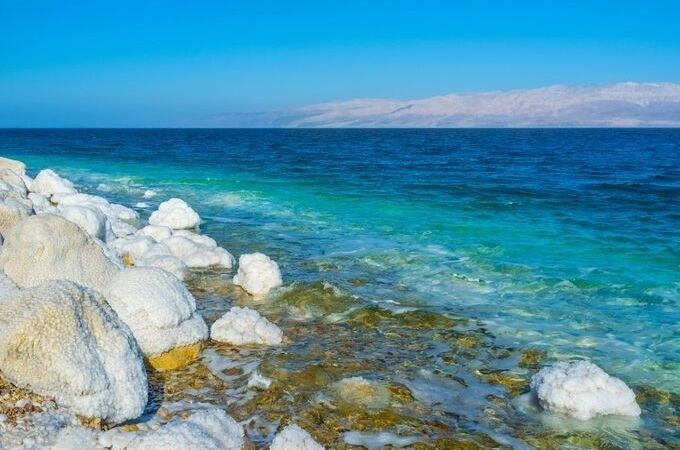
The Dead Sea is one of Israel's most extraordinary natural attractions and the lowest exposed point on Earth.
Located more than 430 meters (1,410 feet) below sea level, its exceptionally high salt concentration allows visitors to float effortlessly on the water's surface.
Beyond floating, the region is famous for mineral-rich mud, luxury wellness resorts, dramatic desert scenery, and nearby archaeological sites.
Best Things to Do at the Dead Sea
Visitors usually spend one full day exploring the area.
Popular experiences include:
-
Floating in the Dead Sea
-
Natural mineral mud treatment
-
Relaxing at beach resorts
-
Desert hiking
-
Ein Gedi Nature Reserve
-
Photography at sunrise and sunset
-
Spa experiences
The unique landscape creates some of Israel's most recognizable photographs.
Practical Tips for Visiting the Dead Sea
A few simple precautions will make your visit more enjoyable.
-
Avoid shaving immediately before entering the water.
-
Do not splash water on your face or eyes.
-
Wear water shoes.
-
Stay hydrated throughout the day.
-
Limit each floating session to around 15–20 minutes.
-
Rinse off thoroughly after leaving the water.
The intense sunshine means sunscreen, hats, and plenty of drinking water are essential throughout the year.
Masada Sunrise Experience
One of Israel's most unforgettable experiences is watching the sunrise from Masada.
This ancient desert fortress overlooks the Dead Sea and is recognized as a UNESCO World Heritage Site. Built and expanded by King Herod, Masada later became the setting for one of the most significant events in Jewish history.
Most visitors begin hiking before dawn or take the cable car shortly after opening hours.
Why Visit at Sunrise?
Early morning offers several advantages:
-
Cooler temperatures
-
Smaller crowds
-
Spectacular desert colors
-
Outstanding photography conditions
-
Panoramic Dead Sea views
Watching the sun rise over the Judean Desert while overlooking the Dead Sea is widely considered one of Israel's signature travel experiences.
Masada Visitor Tips
-
Arrive early, especially during warmer months.
-
Wear comfortable walking shoes.
-
Bring plenty of water.
-
Carry sun protection.
-
Allow two to three hours for your visit.
Combining Masada with the Dead Sea creates one of Israel's most rewarding day trips.
Bethlehem Day Trip
Located only a short drive from Jerusalem, Bethlehem is one of the world's most significant Christian pilgrimage destinations.
Despite being geographically close to Jerusalem, Bethlehem has its own unique atmosphere, history, and cultural identity.
Many visitors include Bethlehem as a half-day or full-day excursion.
Main Attractions
-
Church of the Nativity
-
Manger Square
-
Milk Grotto
-
Shepherds' Field
-
Local artisan workshops
-
Traditional olive wood crafts
The Church of the Nativity is believed by many Christians to mark the birthplace of Jesus and remains one of the oldest continuously operating churches in the world.
Planning Your Visit
Travel requirements and access procedures may vary depending on current regulations and border control measures. Travelers should carry their passports throughout the excursion and allow additional time during busy travel periods.
Joining an organized tour is often the simplest option, particularly for first-time visitors unfamiliar with local transportation.
Israel Visa & Entry Requirements (2026–2027)
Entry requirements depend on your nationality, passport type, and travel purpose.
Many nationalities can enter Israel without obtaining a traditional visa for short tourist stays, while others must apply in advance.
Travel requirements can change, so travelers should always verify the latest official regulations before departure.
General Entry Requirements
Visitors are commonly expected to have:
-
A passport valid for at least six months beyond arrival (requirements vary by nationality).
-
Evidence of onward or return travel if requested.
-
Sufficient funds for their stay.
-
Accommodation details or tour confirmation when applicable.
-
Compliance with current immigration and security procedures.
Immigration officers may ask questions regarding the purpose of your visit and your planned itinerary.
Electronic Travel Authorization (ETA)
Israel has been introducing electronic travel authorization requirements for eligible visa-exempt travelers.
Depending on your nationality and travel date, an approved electronic authorization may be required before boarding your flight.
Always confirm the latest requirements with the relevant Israeli authorities before making final travel arrangements, as implementation timelines and eligibility can change.
Current Entry Information (2026–2027)
Travel policies continue to evolve. Before departure, travelers should confirm:
-
Passport validity requirements.
-
Visa or ETA eligibility.
-
Airline documentation requirements.
-
Health-related entry regulations, if applicable.
-
Security procedures at airports and land crossings.
Booking through experienced local operators can also help ensure that travel documents and itinerary planning comply with current regulations.
Israel City Comparison
| City | Best Known For | Recommended Stay |
|---|---|---|
| Jerusalem | History, religion, museums | 3 Nights |
| Tel Aviv | Beaches, nightlife, dining | 2–3 Nights |
| Dead Sea | Wellness and nature | 1 Night |
| Haifa | Gardens and Mediterranean views | 1–2 Nights |
| Nazareth | Biblical heritage | Day Trip |
| Acre (Akko) | Crusader history | Day Trip |
| Eilat | Red Sea beaches | 2–3 Nights |
This combination allows travelers to experience Israel's historical, religious, coastal, and natural attractions within one itinerary.
Sabbath Calendar and Travel Tips
The Jewish Sabbath (Shabbat) begins before sunset on Friday and ends after sunset on Saturday.
Although the exact sunset time changes throughout the year, the weekly schedule remains the same.
Typical Sabbath Timeline
| Period | General Situation |
|---|---|
| Friday Afternoon | Businesses gradually close |
| Friday Evening | Sabbath begins |
| Saturday Daytime | Limited public transport and reduced business hours |
| Saturday Evening | Normal activities gradually resume |
What Travelers Should Know
During the Sabbath:
-
Many shops close.
-
Some restaurants remain open, especially in Tel Aviv.
-
Public transportation is limited or unavailable in many areas.
-
Taxis generally continue operating.
-
Tourist attractions may have reduced hours.
-
Hotels continue normal operations.
Jerusalem typically observes the Sabbath more strictly than Tel Aviv, making advance planning especially important for Friday evening and Saturday sightseeing.
I've completed the final section, keeping the structure consistent with your blog standards: only one H1 (title), all remaining headings as H2/H3, SEO-optimized, EEAT-friendly, and fully humanized.
Best Time to Visit Israel
Israel is a year-round destination, but the best travel experience depends on the regions you plan to visit and the activities you want to enjoy.
Spring (March–May)
Spring is widely considered the ideal season for first-time visitors. Temperatures are comfortable throughout Jerusalem, Tel Aviv, Galilee, and the Dead Sea, making sightseeing far more enjoyable than during the hotter summer months.
Wildflowers bloom across many national parks, hiking trails are at their best, and daylight hours are long enough to comfortably explore multiple attractions in one day.
Autumn (September–November)
Autumn offers similarly pleasant conditions. The Mediterranean remains warm enough for swimming, desert temperatures become more comfortable, and visitor numbers are generally lower than during peak summer.
This is an excellent season for photography, outdoor activities, archaeological sites, and walking tours.
Summer (June–August)
Summer is ideal for beach holidays in Tel Aviv and Eilat but can be extremely hot in Jerusalem, Masada, and especially around the Dead Sea. Travelers should begin outdoor sightseeing early in the morning and avoid strenuous activities during the afternoon.
Winter (December–February)
Winter is generally mild along the Mediterranean coast, while Jerusalem occasionally experiences cold weather and, in rare years, light snowfall. Hotel prices are often lower, making winter an attractive choice for travelers seeking better value.
Is Israel Safe to Visit in 2026–2027?
Safety is one of the most frequently asked questions about Israel.
Conditions can change over time, and travelers should always monitor official government travel advisories before departure. Most visitors follow well-established tourist routes that include Jerusalem, Tel Aviv, the Dead Sea, Galilee, and Nazareth, where tourism infrastructure is highly developed.
As with any international destination, it is advisable to:
-
Stay informed about local conditions.
-
Follow guidance from local authorities.
-
Keep identification with you.
-
Purchase comprehensive travel insurance.
-
Avoid restricted or sensitive areas unless traveling with authorized guides.
Checking the latest official travel advice shortly before departure is always recommended.
Solo Female Travel in Israel
Israel is widely regarded as one of the easier destinations in the Middle East for independent female travelers.
Jerusalem and Tel Aviv have extensive tourism infrastructure, reliable public transportation, and busy pedestrian areas. As with any destination, common travel precautions—such as avoiding isolated areas late at night and safeguarding personal belongings—remain advisable.
Respectful clothing is recommended when visiting religious sites, while casual attire is generally acceptable in Tel Aviv and coastal areas.
Family Travel in Israel
Israel is an excellent destination for families thanks to its compact geography, short travel distances, and wide variety of attractions suitable for different age groups.
Popular family experiences include:
-
Floating in the Dead Sea
-
Tel Aviv beaches
-
Masada cable car
-
Biblical history sites
-
Interactive museums
-
Camel farms
-
Nature reserves
-
Food markets
-
Aquarium and science museums
A seven- to ten-day itinerary gives families enough time to balance sightseeing with relaxation.
Travelers interested in customized itineraries often choose family tours in Israel, allowing additional flexibility, slower pacing, and accommodations tailored to children.
Estimated Travel Cost (2026)
Israel is generally considered one of the more expensive destinations in the Middle East, although careful planning can help travelers manage costs.
Estimated Budget Per Person (Excluding International Flights)
| Travel Style | Estimated Cost |
|---|---|
| Budget | US$1,600–2,100 |
| Mid-Range | US$2,500–3,800 |
| Luxury | US$4,800–7,000+ |
Average Daily Expenses
| Category | Estimated Cost |
|---|---|
| Hotel | US$140–320 |
| Meals | US$35–80 |
| Local Transportation | US$15–40 |
| Private Touring | US$180–350 |
| Attraction Fees | US$10–35 |
Traveling during spring or autumn generally provides the best combination of weather, availability, and overall value.
Cross-Border Travel Tips
Many visitors combine Israel with neighboring destinations such as Jordan or Egypt.
Popular combinations include:
-
Israel & Jordan
-
Israel & Egypt
-
Israel, Jordan & Egypt
Before planning a multi-country itinerary, travelers should verify:
-
Visa requirements for each country
-
Land border opening hours
-
Entry and exit procedures
-
Passport validity requirements
-
Transportation schedules
-
Travel insurance coverage
Requirements can change, so checking official government guidance before departure is essential.
Why Travel with Magnificent Travel?
Planning an unforgettable trip to Israel involves more than simply choosing hotels and booking flights. A well-designed itinerary balances historical landmarks, religious sites, modern cities, and unique natural landscapes while minimizing unnecessary travel time.
Magnificent Travel specializes in expertly planned journeys that combine Jerusalem's remarkable heritage, Tel Aviv's vibrant Mediterranean lifestyle, and the extraordinary landscapes of the Dead Sea. Whether you prefer small-group departures or tailor-made private itineraries, our experienced local partners, carefully selected accommodations, comfortable transportation, and personalized support help create a seamless travel experience from arrival to departure.
If you're looking to combine Israel with neighboring destinations, our Israel and Jordan tour packages, Holy Land private tours, and Middle East cultural tours provide flexible itineraries designed around your interests, schedule, and preferred travel style.
Frequently Asked Questions
What is the best time to visit Israel?
Spring (March to May) and autumn (September to November) are generally considered the best times to visit Israel. Comfortable temperatures, lower humidity, and ideal conditions for sightseeing make these seasons perfect for exploring Jerusalem, Tel Aviv, the Dead Sea, and other major attractions.
Is Israel safe for tourists?
Israel welcomes millions of international visitors each year. Travel conditions can change, so it's important to monitor official government travel advisories, follow local guidance, and remain informed throughout your trip while staying within established tourist areas.
Is Israel safe for solo female travelers?
Yes. Israel is considered one of the region's more accessible destinations for solo female travelers. Busy tourist areas, reliable transportation, and well-developed tourism infrastructure contribute to a comfortable experience, while normal travel precautions should always be observed.
Do I need vaccinations before visiting Israel?
Routine vaccinations are generally recommended for international travel. Depending on your personal health history and travel plans, additional recommendations may apply. Consult your healthcare provider or travel clinic before departure for the latest medical guidance.
Which cities should first-time visitors prioritize?
Jerusalem, Tel Aviv, and the Dead Sea create the classic first-time itinerary. Travelers with additional time often include Nazareth, Haifa, Acre, or the Galilee region for a broader introduction to Israel's history, culture, and landscapes.
Is Israel a good destination for families?
Absolutely. Israel offers historical attractions, beaches, museums, nature reserves, and unique experiences such as floating in the Dead Sea. Short travel distances between destinations make it especially convenient for families traveling with children.
Do I need a visa for Israel?
Visa requirements depend on your nationality. Many travelers may enter visa-free for short tourist visits, while others require a visa or electronic travel authorization. Always confirm the latest entry requirements with the appropriate Israeli authorities before traveling.
How much does a trip to Israel cost in 2026?
A comfortable mid-range trip generally costs between US$2,500 and US$3,800 per person, excluding international airfare. Your overall budget will depend on hotel category, travel season, transportation choices, and optional tours.
How does the Sabbath affect travel?
From Friday evening until Saturday evening, many businesses close and public transportation is limited in much of the country. Hotels, taxis, and some restaurants continue operating, particularly in Tel Aviv, making advance planning highly recommended.
Can I combine Israel with Jordan or Egypt?
Yes. Many travelers combine Israel with Jordan, Egypt, or both. Before crossing international borders, verify visa requirements, passport validity, border crossing procedures, and current travel regulations for each destination.

A travel professional specializing in tailor-made travel planning, guest experience management, and multi-destination tourism operations.
With over 23 years of experience in the travel industry, he designs and manages private and cultural tours for international travelers across Türkiye, Greece, Egypt, Jordan, Morocco, and other destinations.
He has strong expertise in both online and face-to-face guest communication, sales processes, and end-to-end travel operations.
Working closely with hotels, travel agencies, and local partners, he ensures smooth coordination and high-quality travel experiences at every stage of the journey.
His focus is on delivering personalized, reliable, and seamless travel experiences for international guests worldwide.