
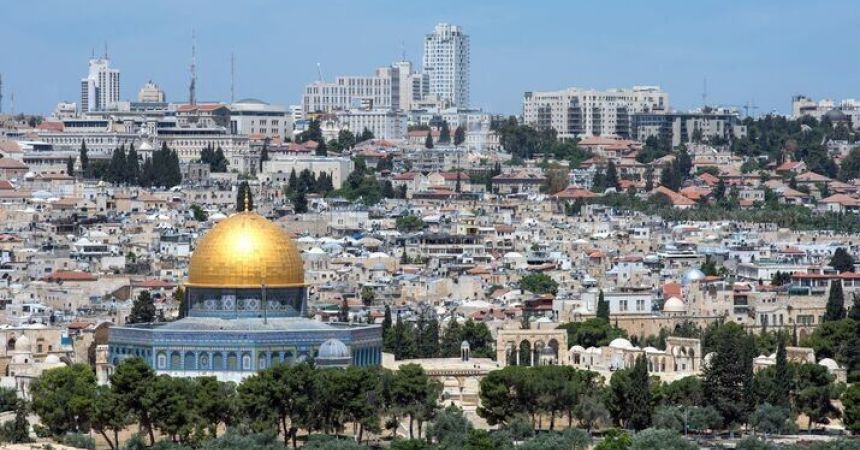
What to Wear in Israel: Holy Site Dress Code, Packing List & Cultural Tips
Israel is a small country with surprisingly diverse dress expectations. In Tel Aviv, beachwear and casual modern clothing are common. In Jerusalem, religious neighborhoods and holy sites require more modest dress. Around the Dead Sea and Eilat, resort clothing is perfectly normal, while desert excursions require practical outdoor wear.
If you are searching for what to wear in Israel, wondering about the Israel holy site dress code, or checking the Western Wall dress code, this guide gives you a clear, practical packing plan for every region and season.
The easiest rule is simple: dress casually for daily travel, but always carry one modest layer for religious sites.
Quick Answer: What Should Tourists Wear in Israel?
For most sightseeing days, travelers can wear comfortable Western-style clothing such as jeans, trousers, T-shirts, dresses, skirts, sneakers, and lightweight jackets.
However, for holy sites in Jerusalem and other religious locations, visitors should dress modestly. This usually means:
- Shoulders covered
- Knees covered
- Avoiding low-cut or transparent clothing
- Carrying a scarf or shawl
- Wearing comfortable walking shoes
A lightweight scarf is one of the most useful items you can pack because it works for sun protection, modesty, and cooler evenings.
Dress Code by Holy Site in Israel: Full Table
| Holy Site | Women | Men | Notes |
|---|---|---|---|
| Western Wall | Shoulders and knees covered; scarf useful | Shoulders and knees covered; head covering usually expected | Shawls or coverings may be available |
| Dome of the Rock / Temple Mount Area | Modest clothing; shoulders and legs covered; scarf recommended | Long trousers preferred; shoulders covered | Rules may be strictly enforced |
| Church of the Holy Sepulchre | Shoulders and knees covered | Shoulders and knees covered | Quiet, respectful behavior expected |
| Mount of Olives Churches | Modest clothing | Modest clothing | Useful to carry a shawl |
| Nazareth Churches | Shoulders and knees covered | Shoulders and knees covered | Avoid beachwear or sleeveless tops |
| Synagogues | Modest clothing; skirt or trousers usually acceptable | Head covering often required | Follow local guidance |
| Mosques | Loose modest clothing; scarf recommended | Long trousers and covered shoulders | Remove shoes if instructed |
This table helps answer several common searches in one place, including western wall dress code women, dome of the rock dress code tourists, and church of holy sepulchre dress code.
Western Wall Dress Code
The Western Wall is one of the most sacred Jewish sites in Jerusalem. Visitors are welcome, but modest dress is expected.
Women should cover shoulders and knees. A scarf, shawl, or cardigan is helpful if your outfit is sleeveless. Men are generally expected to cover their heads, and kippahs are often available near the entrance.
Avoid short shorts, tank tops, beachwear, or anything too revealing. Even if you are not religious, dressing respectfully helps maintain the peaceful atmosphere of the site.
Dome of the Rock Dress Code for Tourists
The Dome of the Rock and Temple Mount area require especially respectful clothing. Visitors should dress conservatively, and entry rules may vary depending on security, religious schedules, and site staff.
Women should cover shoulders, knees, and preferably wear loose-fitting clothing. A scarf is strongly recommended. Men should avoid shorts and sleeveless shirts.
Tourists should also remember that access rules can change, and non-Muslim visitors may have limited visiting times. Always follow instructions from local authorities and site staff.
Church of the Holy Sepulchre Dress Code
The Church of the Holy Sepulchre is one of Christianity's most important pilgrimage sites. Modest clothing is expected for both men and women.
Shoulders and knees should be covered. Avoid sleeveless tops, short skirts, short shorts, and beach-style clothing.
Because the church can be crowded, comfortable shoes are also important. Visitors should speak quietly, avoid blocking prayer areas, and be respectful when taking photos.
Israel Packing List by Season: Summer to Winter
Israel's climate changes significantly by region and season. Jerusalem can feel cool, Tel Aviv can be humid, Eilat can be hot and dry, and northern areas may be rainy in winter.
| Season | What to Pack |
| Spring | Light jacket, jeans, breathable shirts, scarf |
| Summer | Linen clothing, hat, sunglasses, sunscreen |
| Autumn | Layers, walking shoes, light sweater |
| Winter | Waterproof jacket, sweater, umbrella, warm layers |
A good Israel packing list should include clothing for both modern city life and religious sites.
What to Wear in Israel During Summer
Summer is hot, sunny, and dry in many regions. Tel Aviv, Eilat, and the Dead Sea can feel especially warm.
Pack:
- Lightweight cotton or linen shirts
- Breathable trousers or skirts
- Sun hat
- Sunglasses
- Sunscreen
- Sandals
- Swimwear
- Modest cover-up for holy sites
Beachwear is fine at beaches, pools, and resorts, but it is not appropriate for religious areas or traditional neighborhoods.
What to Wear in Israel During Winter
Winter is mild compared with many countries, but it can still be cool and rainy, especially in Jerusalem, Galilee, and northern Israel.
Pack:
- Waterproof jacket
- Sweater
- Long trousers
- Comfortable shoes
- Umbrella
- Scarf
- Warm layers for evenings
Eilat and the Dead Sea remain warmer than Jerusalem in winter, so packing layers is the smartest approach.
What NOT to Wear in Israel: Cultural Tips
Israel is diverse and modern, but certain clothing choices can feel inappropriate in religious or conservative areas.
Avoid wearing:
- Swimwear away from beaches or pools
- Very short shorts at holy sites
- Sleeveless tops in religious places
- Low-cut or transparent clothing at sacred landmarks
- Clothing with offensive slogans
- Uncomfortable shoes for Old City walking
In Tel Aviv, casual clothing is completely normal. In Jerusalem, modesty matters more. The key is adapting your outfit to the location.
What to Wear in Jerusalem
Jerusalem is the most conservative city that most travelers visit in Israel. While modern casual clothing is perfectly acceptable in shopping districts and restaurants, modest attire is strongly recommended whenever you visit religious neighborhoods or sacred sites.
For comfortable sightseeing, consider wearing:
Women
- Lightweight trousers or midi skirts
- Dresses below the knee
- T-shirts with sleeves
- Light cardigan or scarf
- Comfortable walking shoes
Men
- Lightweight trousers or jeans
- Polo shirts or T-shirts with sleeves
- Comfortable sneakers
- Light jacket during cooler months
Since you'll likely visit several holy sites in one day, carrying a lightweight scarf or overshirt makes it easy to adapt your outfit when needed.
What to Wear in Tel Aviv
Tel Aviv has a completely different atmosphere.
As Israel's most modern and cosmopolitan city, casual fashion is the norm.
Popular clothing includes:
- Shorts
- T-shirts
- Summer dresses
- Sandals
- Sneakers
- Beachwear (at beaches only)
If you're planning dinner or nightlife, smart-casual clothing is appropriate, but formal attire is rarely necessary.
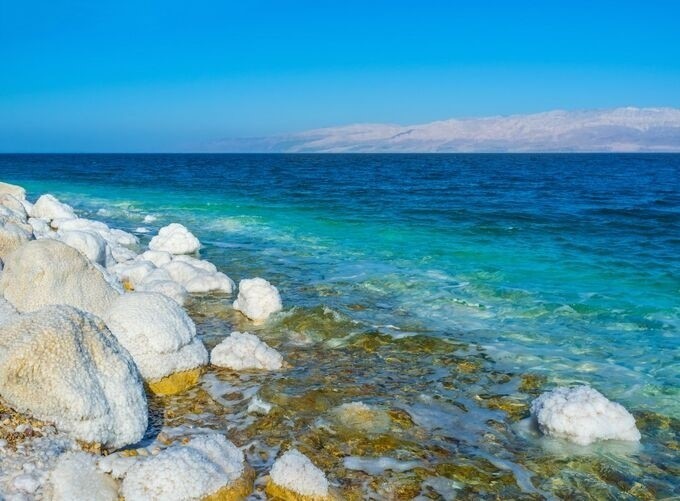
What to Wear at the Dead Sea
The Dead Sea combines spa resorts with outdoor desert scenery.
Recommended clothing includes:
- Swimwear
- Flip-flops or water shoes
- Hat
- Sunglasses
- Sunscreen
- Light cover-up
- Reusable water bottle
After floating in the mineral-rich water, comfortable sandals are much more practical than closed shoes.
What to Wear in Eilat
Eilat enjoys warm weather throughout most of the year.
Pack:
- Lightweight clothing
- Swimwear
- Breathable shirts
- Shorts
- Sandals
- Sun hat
- UV-protection sunglasses
Evenings can occasionally become cooler during winter, so bringing one light sweater is recommended.
What to Wear in Galilee
Northern Israel has greener landscapes and slightly cooler weather than the southern regions.
For hiking and sightseeing, pack:
- Hiking shoes
- Comfortable trousers
- Breathable shirts
- Light waterproof jacket
- Hat
- Small backpack
Layering remains the most practical strategy, particularly during spring and autumn.
Best Shoes for Israel
One of the most common packing mistakes is bringing uncomfortable footwear.
Most visitors walk between 15,000 and 20,000 steps per day, especially in:
- Jerusalem Old City
- Tel Aviv
- Nazareth
- Akko
- Caesarea
- Masada
The best choice is supportive walking shoes with good grip.
If your itinerary includes desert excursions, lightweight hiking shoes provide additional comfort.
Accessories Worth Packing
Besides clothing, a few accessories can make your trip much easier.
Recommended items include:
- Compact umbrella
- Crossbody bag
- Refillable water bottle
- Universal travel adapter
- Portable charger
- Sunscreen
- Sunglasses
- Lightweight scarf
A scarf remains one of the most versatile travel items because it works for modesty requirements, cooler evenings, and sun protection.
Packing Tips for Women
Women visiting Israel should balance comfort with cultural awareness.
A practical suitcase usually includes:
- Two pairs of comfortable trousers
- Midi dress or skirt
- Breathable tops
- Lightweight cardigan
- Scarf
- Walking shoes
- Sandals
- Swimwear
This combination works for beaches, cities, archaeological sites, and religious landmarks.
Packing Tips for Men
Men generally require fewer clothing adjustments, but modest attire is still important at holy sites.
Suggested packing list:
- Lightweight trousers
- Casual shirts
- Polo shirts
- Comfortable walking shoes
- Sandals
- Light sweater
- Waterproof jacket (winter)
Visitors entering certain synagogues may also need a head covering, which is often available on site.
Explore Israel Comfortably
Packing appropriately allows you to focus on enjoying Israel's remarkable history, landscapes, and cultural diversity.
Our carefully designed Israel tour packages combine Jerusalem, Tel Aviv, Nazareth, the Sea of Galilee, the Dead Sea, Masada, and Eilat into seamless itineraries that help travelers experience the country's highlights comfortably in every season.
For travelers seeking a deeper cultural understanding, our guided Israel tours are led by experienced English-speaking guides who explain local customs, religious traditions, and practical travel advice while helping you explore Israel respectfully and confidently.
If you're planning a once-in-a-lifetime journey through the Holy Land, our best Israel travel packages combine carefully selected accommodations, reliable transportation, airport transfers, and unforgettable experiences designed to make every day of your trip enjoyable and stress-free.
About Magnificent Travel
At Magnificent Travel, we believe that understanding local customs enhances every journey. Our expertly crafted Israel itineraries combine world-famous religious landmarks, fascinating historical sites, breathtaking natural scenery, and authentic cultural experiences into unforgettable travel adventures. From the sacred streets of Jerusalem and the Mediterranean beaches of Tel Aviv to the tranquil waters of the Dead Sea and the sunny coastline of Eilat, we carefully plan every detail with experienced English-speaking guides, quality accommodations, reliable transportation, and personalized service to ensure a smooth and meaningful travel experience.
Frequently Asked Questions
1. What should tourists wear in Israel?
Most tourists wear casual Western-style clothing, including jeans, lightweight trousers, T-shirts, dresses, and comfortable walking shoes. When visiting religious sites, modest clothing that covers the shoulders and knees is strongly recommended for both men and women.
2. What is the dress code at the Western Wall?
Visitors should dress modestly. Women are generally expected to cover their shoulders and knees, while men should wear clothing that covers the shoulders and knees and typically cover their heads with a kippah, which is often available at the entrance.
3. Can women wear trousers in Israel?
Yes. Women commonly wear trousers throughout Israel, including in major cities such as Jerusalem and Tel Aviv. At religious sites, the important consideration is modesty rather than whether trousers or skirts are worn.
4. Do I need a scarf when visiting Israel?
A lightweight scarf is highly recommended. It can be used to cover your shoulders or head when appropriate at certain holy sites, while also providing protection from the sun or cooler evening temperatures.
5. Is beachwear acceptable in Israel?
Yes, beachwear is perfectly acceptable at beaches, swimming pools, and resort areas such as Tel Aviv, Eilat, and the Dead Sea. However, it should not be worn when visiting religious sites or conservative neighborhoods.
6. What shoes are best for traveling around Israel?
Comfortable walking shoes are essential because many attractions involve uneven stone streets, archaeological sites, hills, and long walking distances. Lightweight hiking shoes are also useful if your itinerary includes desert trails or nature reserves.

A travel professional specializing in tailor-made travel planning, guest experience management, and multi-destination tourism operations.
With over 23 years of experience in the travel industry, he designs and manages private and cultural tours for international travelers across Türkiye, Greece, Egypt, Jordan, Morocco, and other destinations.
He has strong expertise in both online and face-to-face guest communication, sales processes, and end-to-end travel operations.
Working closely with hotels, travel agencies, and local partners, he ensures smooth coordination and high-quality travel experiences at every stage of the journey.
His focus is on delivering personalized, reliable, and seamless travel experiences for international guests worldwide.


