Jerash, Jordan: The Complete Travel Guide for First-Time Visitors
Jerash, Jordan
When people think about ancient cities, names like Rome, Athens, or Pompeii usually come to mind.
Jerash rarely makes the first list.
Yet that's exactly what makes visiting it such a pleasant surprise.
Located less than an hour from Amman, Jerash is home to one of the world's best-preserved Roman cities. Walking through its streets feels less like visiting scattered ruins and more like stepping into a city that has simply been waiting for people to return.
Towering columns still line the roads. Ancient theaters remain remarkably intact. Massive temples overlook public squares where merchants and citizens gathered nearly two thousand years ago.
Unlike many archaeological sites where imagination has to fill in the gaps, Jerash makes it surprisingly easy to picture everyday life during the Roman era.
Whether you're passionate about history or simply looking for one of Jordan's most rewarding day trips, Jerash deserves a place on your itinerary.
Where Is Jerash?
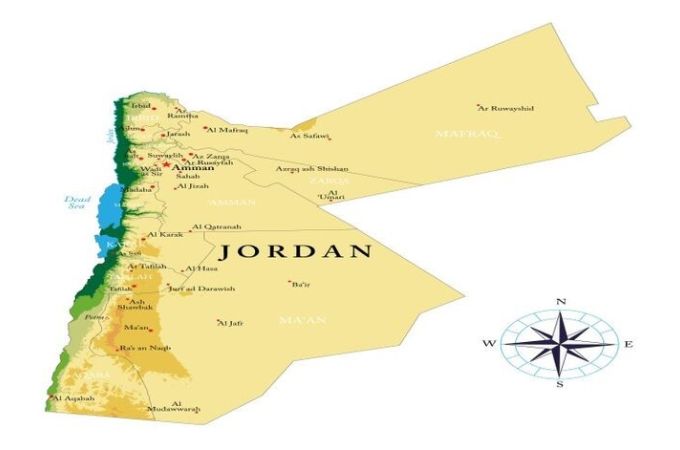
Jerash is located about 50 kilometers (31 miles) north of Amman.
Its convenient location makes it one of Jordan's easiest destinations to visit as a day trip from the capital.
The drive usually takes around an hour, depending on traffic, passing through rolling hills and small towns before reaching the archaeological site.
Many visitors combine Jerash with Ajloun Castle or simply return to Amman in the afternoon.
Why Visit Jerash?
Jordan is famous for Petra.
Jerash offers something completely different.
Instead of sandstone cliffs carved by the Nabataeans, you'll discover an impressive Roman city with paved streets, monumental arches, temples, theaters, churches, fountains, and marketplaces.
The city feels organized, spacious, and surprisingly complete.
Many travelers arrive expecting a short visit.
They often spend several hours exploring because there's far more to see than expected.
The History of Jerash
Jerash has existed for thousands of years, but it reached its greatest prosperity during the Roman Empire.
Known in ancient times as Gerasa, it became one of the cities of the Decapolis, a group of important Roman settlements across the region.
Its wealth came from trade, agriculture, and its strategic location.
Over time, earthquakes, changing trade routes, and shifting political powers led to the city's gradual decline.
Fortunately for modern visitors, much of Jerash remained buried beneath sand for centuries, helping preserve many of its remarkable structures.
Today, it stands as one of the finest surviving examples of Roman urban planning outside Italy.
Top Attractions in Jerash
The archaeological park is extensive, with each section revealing another piece of the ancient city.
| Attraction | Why Visit? |
|---|---|
| Hadrian's Arch | Monumental Roman gateway |
| Oval Plaza | One of Jerash's most famous landmarks |
| Cardo Maximus | Ancient colonnaded main street |
| Temple of Artemis | Impressive hilltop sanctuary |
| South Theatre | Well-preserved Roman theater |
| Nymphaeum | Decorative Roman fountain |
Most visitors spend three to five hours exploring these highlights at a comfortable pace.
Walk Through Hadrian's Arch
Your visit often begins at Hadrian's Arch, built in honor of Emperor Hadrian's visit in the 2nd century AD.
The massive gateway immediately gives a sense of the city's importance during Roman times.
Standing beneath the arch, it's difficult not to imagine travelers, merchants, soldiers, and officials entering Jerash nearly two thousand years ago.
It's one of Jordan's most photographed Roman monuments.
Explore the Oval Plaza
The Oval Plaza is unlike almost any other Roman square.
Its graceful oval shape, surrounded by elegant columns, creates one of Jerash's most recognizable views.
From here, several important streets and monuments connect naturally, making it the heart of the ancient city.
Many visitors pause here for several minutes, simply appreciating the scale and symmetry of the architecture.
Morning light is particularly beautiful for photography.
Walk Along the Cardo Maximus
The Cardo Maximus served as Jerash's main street.
Today, visitors can still walk along the original stone pavement that once carried carts, traders, and Roman citizens through the city.
Rows of columns line both sides of the street, creating one of the most impressive surviving Roman avenues anywhere in the world.
If you look carefully, you can still spot wheel marks carved into some of the ancient stones.
Little details like these help transform history into something tangible.
For travelers interested in Jordan archaeological tours, Jerash is often considered second only to Petra.
Visit the Temple of Artemis
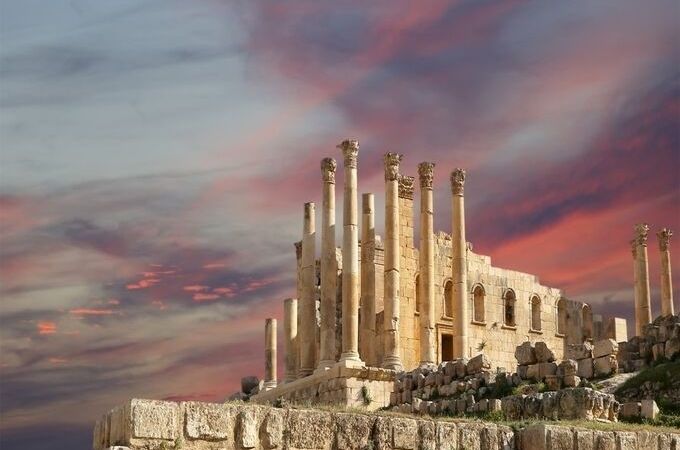
Dedicated to the city's patron goddess, the Temple of Artemis dominates one of Jerash's highest points.
Several enormous columns remain standing, giving visitors an excellent sense of the temple's original scale.
From here, you can also enjoy wide views across the archaeological park and surrounding countryside.
The combination of architecture and scenery makes this one of Jerash's most rewarding stops.
Experience the Roman Theatres
Jerash has two remarkably preserved Roman theaters.
The South Theatre is the larger of the two and still demonstrates the impressive acoustics that Roman engineers achieved centuries ago.
Many visitors are surprised by how clearly voices can carry across the seating area.
Occasionally, cultural performances still take place here, allowing the theater to continue serving the purpose it was built for nearly two millennia ago.
How Many Days Should You Spend in Jerash?
Most travelers visit Jerash as a day trip from Amman.
| Length of Stay | Recommended Experience |
|---|---|
| Half Day | Main archaeological highlights |
| Full Day | Jerash plus Ajloun Castle |
| Two Days | Relaxed northern Jordan exploration |
For first-time visitors, a full-day excursion from Amman is usually the ideal choice.
When Is the Best Time to Visit Jerash?
Spring and autumn offer the most comfortable weather for walking through the extensive archaeological site.
Summer can become hot during the afternoon, so arriving early helps make the visit more enjoyable.
Winter is cooler and generally quieter, although occasional rain is possible.
Many travelers include Jerash at the beginning of Jordan heritage tours, allowing them to explore the Roman city before continuing south toward Petra and Wadi Rum.


A travel professional specializing in tailor-made travel planning, guest experience management, and multi-destination tourism operations.
With over 23 years of experience in the travel industry, he designs and manages private and cultural tours for international travelers across Türkiye, Greece, Egypt, Jordan, Morocco, and other destinations.
He has strong expertise in both online and face-to-face guest communication, sales processes, and end-to-end travel operations.
Working closely with hotels, travel agencies, and local partners, he ensures smooth coordination and high-quality travel experiences at every stage of the journey.
His focus is on delivering personalized, reliable, and seamless travel experiences for international guests worldwide.