
Casablanca in January: The Temperature Is Only the Beginning
Updated: August 2026
Casablanca can be misleading in January if you judge the day entirely from the temperature displayed on your phone.
A forecast that appears relatively mild for winter may encourage you to dress lightly, particularly if you are comparing Casablanca with colder European or North American cities. Once you reach an exposed section of the Atlantic waterfront, however, the combination of wind, moisture and limited protection can produce a noticeably different experience from the number that persuaded you to leave the hotel without another layer.
Move inland between buildings and the situation can change again.
This is the defining January relationship between Casablanca and its weather. The city does not experience winter simply through temperature; its position on the Atlantic means that exposure becomes part of the forecast you physically experience.
Understanding that distinction is considerably more useful than memorizing another monthly average.
Casablanca's Winter Is Coastal, Not Marrakech With Lower Temperatures
Morocco itineraries often connect cities with very different geographical personalities, yet travelers sometimes prepare for them as though the same seasonal logic applies everywhere.
Casablanca sits directly beside the Atlantic Ocean. Marrakech lies inland.
That difference influences wind, humidity, cloud cover, rainfall patterns and the way temperatures are perceived, which means a winter packing decision that worked perfectly somewhere inland should not automatically be transferred to Casablanca.
This article will not turn into a Casablanca-versus-Marrakech climate comparison because that would create unnecessary overlap with broader Morocco weather content. The important point is simpler: when planning a Casablanca coastal journey, treat the city's Atlantic setting as part of its January identity rather than as background scenery.
The Corniche Makes the Forecast Feel Physical
Casablanca's Corniche is one of the clearest places to understand why exposure matters.
There is little mystery involved. You are close to the ocean, substantial sections are open to moving air, and the weather feels immediate rather than filtered through dense urban architecture.
On a calm, bright January day, that openness can be invigorating. When stronger wind or unsettled conditions arrive, the same location can feel considerably more demanding than a protected street farther inland.
This does not make the Corniche unsuitable for winter visits. It simply means you should judge it according to the actual day's conditions, particularly wind and rainfall, rather than deciding that a certain temperature automatically guarantees comfortable waterfront time.
Hassan II Mosque Sits Where City and Atlantic Meet
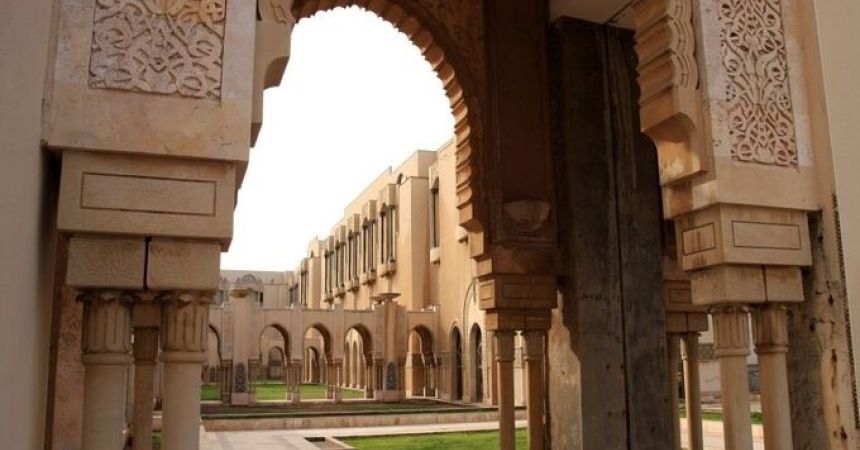
Few Casablanca landmarks demonstrate the city's relationship with the ocean as dramatically as Hassan II Mosque.
Its position beside the Atlantic contributes enormously to the visual experience, but that same openness means weather conditions can become part of the visit. The plaza and surrounding areas offer less of the protection you might experience within narrower urban streets, particularly when wind is noticeable.
If this is one of your priority Casablanca experiences, check the forecast before deciding exactly when to visit. Rain probability and wind can matter as much as temperature, especially if you intend to spend meaningful time outside appreciating the architecture rather than simply arriving for an interior visit.
The landmark should not be reduced to a weather-management problem, of course.
January simply reminds you that its spectacular location and its exposure are two sides of the same geography.
One January Day Can Contain Several Casablancas
The city changes noticeably according to how exposed you are.
| Casablanca Setting | January Exposure | What the Traveler Notices |
|---|---|---|
| Atlantic Corniche | High | Wind and moisture become more noticeable |
| Hassan II Mosque exterior | High | Open setting makes conditions feel immediate |
| Broad city boulevard | Moderate to high | Wind can travel along exposed streets |
| Protected urban street | Lower | Buildings reduce direct exposure |
| Café interior | Minimal | Useful during passing unsettled weather |
| Covered market / indoor visit | Minimal | Provides natural contrast during wetter periods |
This is not a generic “what to do when it rains” table. January's information gain lies in showing how the same Casablanca forecast produces different experiences according to Atlantic exposure.
Wind Deserves Its Own Place in Your Morning Weather Check
Travelers frequently check two things before leaving a hotel: temperature and probability of rain.
In Casablanca during January, wind deserves attention as well.
A relatively mild temperature combined with stronger wind can make a prolonged waterfront visit feel different from a similarly mild but calmer day. This becomes particularly relevant when you plan to remain stationary outside, take photographs or walk along exposed coastal sections rather than moving continuously through protected city streets.
You do not need to become a meteorologist or analyze detailed charts before breakfast. A quick look at expected wind conditions simply gives the temperature more context.
For a Morocco Atlantic itinerary, that habit can become useful in other coastal locations as well, although their individual weather belongs on their own destination pages rather than here.
January Rain Does Not Always Need to Cancel the City Day
Casablanca receives winter rainfall, but a forecast containing rain does not automatically mean an entire sightseeing day will be lost.
What matters is timing and intensity.
If conditions are changeable, an itinerary containing both outdoor and indoor experiences can remain flexible enough to respond without becoming entirely weather-driven. A passing wet period may coincide with lunch, a café stop, museum time or another interior visit, after which outdoor exploration can resume if conditions improve.
This is more useful than constructing a “rainy-day Casablanca itinerary” that would compete with other content.
The principle is simply to avoid making every major January activity dependent on several uninterrupted hours of dry weather.
Moisture Changes How Mild Temperatures Feel
Humidity is another reason Casablanca should not be interpreted solely through numerical temperature.
Two winter days with similar readings can feel different depending on wind, moisture, sunshine and your level of activity. Someone walking briskly through downtown may feel comfortable, while another person sitting beside the coast under the same broad conditions may want an additional layer.
This is why January packing should favor adaptability rather than heaviness.
A waterproof or water-resistant outer layer can sometimes be more useful than simply wearing a very thick garment, particularly when it also provides protection from wind.
Don't Dress for the Hotel Door
The conditions immediately outside your accommodation may not represent where you will spend the next several hours.
If the hotel sits among substantial buildings and your first destination is the exposed waterfront, stepping outside for thirty seconds tells you very little about how the Corniche will feel later.
Think geographically.
Where are you actually going?
For travelers on a Casablanca private discovery, this question becomes particularly useful because private transport can create rapid transitions between protected urban environments and exposed coastal landmarks, making changes in perceived conditions feel surprisingly sudden.
January Photography Depends on the Sky as Much as the Sun
Casablanca does not need a cloudless blue sky to be visually interesting.
Changing Atlantic conditions can produce dramatic light around the coastline and Hassan II Mosque, while cloud cover can give the city a completely different photographic character from the hard brightness associated with warmer months.
Rain, naturally, may complicate outdoor photography, and strong wind can make lingering uncomfortable. Yet January's variability can also prevent the city's waterfront from looking visually flat.
Rather than waiting for an imaginary “perfect” winter day, respond to the conditions you receive.
Casablanca's January personality is partly contained in that unpredictability.
January Owns Casablanca's Atlantic Exposure
The temptation with a 12-month weather cluster is to begin January with a predictable list of average highs, lows, rainfall and clothing recommendations.
We are deliberately not doing that.
Casablanca January owns a more specific question:
Why can relatively mild winter weather feel so different depending on where you stand in the city?
The answer lies in Atlantic exposure, wind, moisture, rainfall and the protection provided by the urban environment. The Corniche, Hassan II Mosque plaza, broad boulevards and sheltered streets do not all translate the same forecast into the same physical experience.
February will receive an entirely different editorial architecture and search intent rather than becoming “January, but slightly warmer.”
January belongs to the Atlantic edge, where Casablanca teaches visitors an important winter lesson: before deciding how the weather feels, look beyond the temperature and ask how exposed your day is going to be.

January Works Better When Outdoor Time Has Somewhere to Go Next
A flexible Casablanca day does not require you to keep changing plans every time the sky changes.
Instead, arrange the itinerary so that exposed outdoor experiences naturally sit near activities where you can move inside if necessary. A waterfront walk followed by lunch, an exterior visit around Hassan II Mosque before an interior activity, or a boulevard walk ending at a café gives the day built-in flexibility without making weather the center of every decision.
This matters because Atlantic winter weather can be changeable. If a shower arrives earlier than expected or the wind becomes less comfortable, you have somewhere worthwhile to go rather than simply returning to the hotel.
The result feels like normal sightseeing rather than an emergency weather plan.
The Corniche Is Better Treated as Flexible Time
Travel itineraries often assign the waterfront a fixed slot: Corniche from 3:00 to 5:00, dinner afterward.
January rewards a less rigid approach.
If the afternoon is calm and reasonably clear, you may want considerably longer beside the Atlantic. If wind and rain make the waterfront less inviting, an hour may provide enough of the experience before you continue elsewhere.
This is one occasion when duration should respond to conditions.
You are not deciding whether the Corniche deserves a visit. You are deciding how much of today's particular weather you want to experience there.
Café Stops Can Become Useful Without Becoming a Rainy-Day Itinerary
Casablanca's cafés fit naturally into January because they allow you to interrupt outdoor sightseeing without making the day feel interrupted.
If a passing shower coincides with coffee, the itinerary has lost almost nothing. If the weather remains pleasant, the same café simply becomes a normal break between city experiences.
That distinction is important for this cluster.
January is not about producing a list of indoor attractions for bad weather. It is about designing enough elasticity into a coastal winter day that changing conditions do not immediately create a planning problem.
What You Wear Should Deal With Wind Before Bulk
Visitors coming from colder climates sometimes see Casablanca's January temperatures and conclude that substantial winter clothing will be unnecessary. Others hear “winter” and pack much more heavily than they eventually need.
Neither extreme is particularly useful.
Layering generally provides more flexibility because you can adjust between active walking, exposed coastal areas, protected streets and indoor spaces. An outer layer capable of dealing with wind and occasional wet conditions can be especially practical, while comfortable footwear matters if the day's forecast suggests damp streets.
The exact combination should always follow the current forecast rather than a fixed packing formula.
Casablanca's January Weather Can Change the Order, Not the Content
Suppose your day includes Hassan II Mosque, central Casablanca, lunch, a market area and time along the Atlantic.
You do not necessarily need to cancel any of them because the morning forecast includes showers.
Instead, change the sequence.
| Forecast Development | Useful January Response |
|---|---|
| Calmer morning, wetter later | Prioritize exposed coastal time first |
| Morning showers, improving afternoon | Begin with protected or indoor experiences |
| Strong coastal wind | Shorten prolonged waterfront exposure |
| Bright but breezy | Keep coastal plans but dress for wind |
| Passing showers | Use lunch or café time as flexible buffers |
| Stable dry conditions | Let outdoor visits extend naturally |
This is a weather-response table, deliberately different from Part 1's exposure table. The first explained where January feels different; this one shows how to preserve the itinerary when conditions evolve.
Don't Let a Grey Morning Decide the Entire Day
Atlantic skies can look discouraging from a hotel window.
That does not necessarily tell you what the afternoon will become.
When conditions are changeable, making a final judgment about the whole day at breakfast can be unnecessarily restrictive. Check the forecast, certainly, but retain enough flexibility to reassess later rather than cancelling outdoor experiences immediately.
Equally, do not assume that a bright morning guarantees an equally settled afternoon.
January rewards travelers who treat weather information as something to respond to rather than something that must produce an irreversible decision before sightseeing begins.
Hassan II Mosque Deserves Enough Weather Margin
Because Hassan II Mosque is likely to be a priority for many first-time Casablanca visitors, avoid squeezing the experience into an extremely narrow outdoor window.
The architecture, Atlantic setting and enormous exterior space deserve time. If you arrive rushing between a vehicle and the entrance because the schedule is overloaded, you lose much of what makes the location distinctive.
January adds another reason to leave margin: weather conditions may influence how long you want to spend outside.
When conditions cooperate, having additional time lets you appreciate the mosque in its coastal setting rather than treating it purely as an interior attraction.
Evening Plans Should Not Be Based on the Afternoon Alone
A pleasant afternoon does not automatically guarantee that you will want to spend the entire evening outdoors.
Once daylight fades and temperatures change, wind and moisture can alter how comfortable an exposed setting feels. If dinner involves outdoor seating or a long waterfront walk afterward, check the evening forecast separately rather than assuming the afternoon conditions will continue unchanged.
This is not Marrakech December's sunset boundary concept being reused.
Casablanca January remains specifically about Atlantic exposure. The question is whether your evening location leaves you exposed to coastal conditions or protected within the urban environment.
January Makes Casablanca's Geography Easier to Understand
Weather can sometimes reveal a city more effectively than a map.
Spend part of a January day near the Atlantic, then move through broader avenues into more protected streets and interior spaces, and Casablanca's geography becomes something you physically experience rather than merely observe.
The coastline is not decorative background.
It influences the character of the city, and January makes that relationship particularly visible because wind, moisture and changing conditions continually remind you how close the ocean is.
That is why this month's article does not need to declare Casablanca warm, cold, wet or pleasant.
Its useful message is more precise: in January, where you stand can matter almost as much as the temperature itself.
12 Questions About Casablanca in January
1. What is the weather like in Casablanca in January?
January generally brings mild winter temperatures alongside a greater possibility of rain, cloud and Atlantic wind than during the dry summer season. Actual conditions vary, and coastal exposure can make the same temperature feel noticeably different across individual parts of Casablanca.
2. Is Casablanca cold in January?
Casablanca is relatively mild compared with many colder winter destinations, but that does not mean every January day feels warm. Wind, humidity, cloud cover, rainfall and whether you are standing in an exposed coastal location can substantially influence perceived comfort.
3. Does it rain in Casablanca in January?
January falls within Casablanca's wetter part of the year, so rain should be considered when planning, although individual days and weeks vary. A forecast showing showers does not necessarily mean continuous rainfall or that an entire sightseeing day will be lost.
4. Is Casablanca windy in January?
Wind can be noticeable, particularly around exposed Atlantic locations such as the Corniche and waterfront areas. Conditions vary from day to day, so checking wind alongside temperature and rain probability gives a more useful picture before planning prolonged outdoor activities.
5. What should I wear in Casablanca in January?
Adaptable layers are practical because conditions can change between protected city streets, indoor spaces and exposed coastal locations. A wind-resistant or water-resistant outer layer can be useful, while exact clothing choices should reflect the forecast for your specific travel dates.
6. Can I visit the Corniche in January?
Yes. The Corniche can be enjoyable throughout winter, but the length and timing of your visit should respond to current wind and rain conditions. A calm bright period may invite a longer walk, while unsettled weather may justify a shorter visit.
7. Is Hassan II Mosque worth visiting in January?
Absolutely. Its Atlantic setting is fundamental to the Casablanca experience, although that location also creates greater exposure to wind and changing weather. Leave enough flexibility to appreciate the exterior as well as the mosque itself when conditions cooperate.
8. Do I need an umbrella in Casablanca in January?
Rain preparation is sensible when precipitation appears in the forecast, although wind can make a compact waterproof outer layer more practical than relying entirely on an umbrella in exposed locations. Check the actual forecast shortly before leaving your accommodation.
9. Is January good for walking around Casablanca?
Walking can be enjoyable when conditions are suitable, particularly if your route combines exposed and protected environments. Instead of planning several uninterrupted outdoor hours, allowing cafés, indoor visits and meals to sit naturally within the route creates greater flexibility.
10. Does Casablanca feel humid in January?
Its Atlantic location means moisture can contribute to how winter conditions are perceived. Humidity should not be considered independently, however, because wind, temperature, sunshine, rainfall and your activity level combine to determine how comfortable an individual day actually feels.
11. Is January the best time to visit Casablanca?
That comparison belongs to a dedicated Best Time to Visit Casablanca guide, where January can be evaluated properly against other months and different travel priorities. This page focuses exclusively on Atlantic exposure and how it shapes Casablanca's January weather experience.
12. How is Casablanca January different from Morocco weather in January?
A Morocco-wide January guide should compare regional conditions and help travelers understand the country's broader climate. This Casablanca article has a narrower purpose: explaining how Atlantic wind, moisture, rainfall and urban shelter affect the perceived winter conditions within Casablanca itself.

A travel professional specializing in tailor-made travel planning, guest experience management, and multi-destination tourism operations.
With over 23 years of experience in the travel industry, he designs and manages private and cultural tours for international travelers across Türkiye, Greece, Egypt, Jordan, Morocco, and other destinations.
He has strong expertise in both online and face-to-face guest communication, sales processes, and end-to-end travel operations.
Working closely with hotels, travel agencies, and local partners, he ensures smooth coordination and high-quality travel experiences at every stage of the journey.
His focus is on delivering personalized, reliable, and seamless travel experiences for international guests worldwide.
