What to Know Before Traveling to Turkey for the First Time
Updated: August 2026
A first trip to Turkey becomes considerably easier once you understand a few practical realities that rarely appear in destination wish lists. The country has an extensive tourism infrastructure, major international airports, good domestic connections and an enormous range of accommodation, yet the experience does not work exactly the same way in Istanbul, Cappadocia, the Aegean archaeological regions and the Mediterranean coast.
That distinction matters more than memorising dozens of travel tips.
Before arriving, it helps to know which arrangements should be confirmed, how hotel and transport logistics interact, why domestic travel can consume more time than a map suggests, what happens on guided sightseeing days, and where a little flexibility improves the trip rather than complicating it.
For most visitors, Turkey is not difficult to navigate. It simply rewards travelers who understand how the trip works on the ground before the first airport transfer begins.
Your Arrival Airport Matters More Than You Might Expect
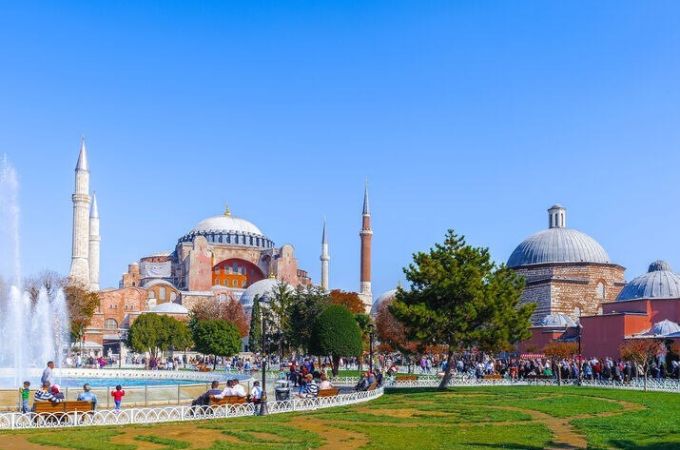
Istanbul is the arrival point for many international visitors, but the city has two major airports: Istanbul Airport (IST) on the European side and Sabiha Gökçen International Airport (SAW) on the Asian side.
They are not interchangeable terminals of the same airport.
When arranging an airport transfer, domestic connection or hotel arrival, check the three-letter airport code rather than relying on the word “Istanbul” on your itinerary. This becomes particularly important if an international flight arrives at one airport and a separately booked domestic flight departs from the other.
The same principle applies elsewhere in Turkey. Travelers heading for Cappadocia commonly use Kayseri or Nevşehir airports, while İzmir provides an important gateway for western Turkey and the Ephesus region.
Before departure, keep your hotel name, flight number, airport code and transfer arrangement accessible somewhere other than your email inbox. After a long flight, those four details are far more useful than a folder full of sightseeing inspiration.
Hotel Location Can Matter More Than an Extra Star
A five-star hotel in an inconvenient location is not automatically a better travel choice than a well-positioned four-star property.
This becomes particularly noticeable in Istanbul, where traffic and geography can affect the amount of usable sightseeing time in a day. Staying close to the areas you intend to explore may reduce unnecessary transfers and make evenings more enjoyable because returning to the hotel does not become another journey.
Cappadocia presents a different consideration. Many visitors deliberately choose cave-style accommodation, but “cave hotel” describes a broad category rather than a standardized room type. Natural cave rooms, carved rooms and stone-built rooms can differ in ventilation, windows, stairs, accessibility and layout.
The practical lesson is straightforward: choose accommodation according to how it affects the trip, not only according to its category label.
| Accommodation decision | Look beyond | Ask yourself instead |
|---|---|---|
| Istanbul hotel | Star rating | How practical is the location for my plans? |
| Cappadocia cave hotel | Photographs | Is this particular room type suitable for me? |
| Coastal resort | Pool and beach | How much sightseeing do I actually intend to do? |
| Short overnight stay | Amenities | Does the location simplify tomorrow's departure? |
| Longer stay | Lowest rate | Will I be comfortable spending several nights here? |
This kind of decision often has more influence on the holiday than choosing between two hotels with similar online ratings.
Check What “Included” Actually Means
Travel packages can look similar while including very different services.
A phrase such as “guided tour” does not automatically tell you whether the service is private or shared, whether entrance fees are included, whether lunch is provided, or whether the guide accompanies you throughout the entire journey.
Likewise, “airport transfer included” should be understood in relation to the actual flight arrangement.
Before traveling, review the itinerary line by line and distinguish between:
accommodation, transfers, domestic transportation, guided sightseeing, entrance fees, meals, and optional experiences.
This is particularly useful in Turkey because one journey can combine very different service styles. You may have a private airport transfer, a small-group Cappadocia excursion, independent free time in Istanbul and a domestic flight connecting two regions.
Travelers who prefer to have these structural arrangements coordinated can compare our private Turkey travel packages while still preserving independent time within the journey.
Domestic Flights Need Their Own Planning
A Turkey itinerary involving Istanbul, Cappadocia, Ephesus and Antalya covers substantial distances. Domestic flights can make those combinations practical, but they should not be treated like short taxi rides between destinations.
Airport transfer time, check-in, baggage, security and the journey from the arrival airport to the next hotel all belong to the travel day.
A flight that lasts roughly an hour does not create a one-hour transition.
This is why experienced itinerary planning looks at door-to-door movement, rather than simply comparing published flight durations.
Also check the baggage allowance attached to the actual fare purchased. International and domestic tickets do not necessarily have identical allowances, particularly when flights are booked separately.
Do not assume. Check the confirmed ticket.
Guided Sightseeing Works Best When You Know the Format
Turkey has places where a good licensed guide can materially change the experience.
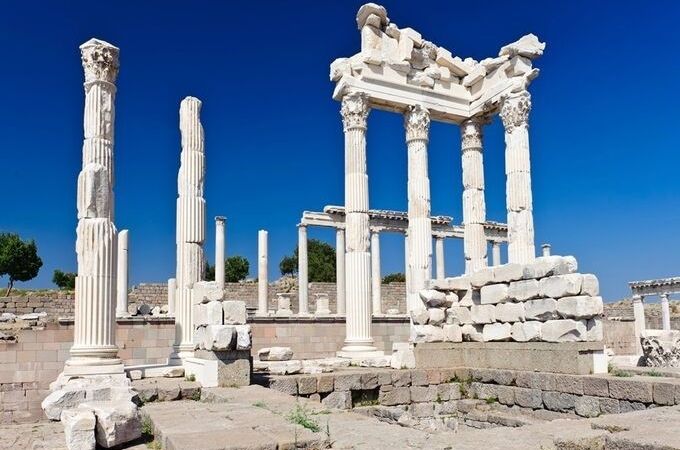
Ephesus is an obvious example. Walking through an archaeological site and recognizing several impressive ruins is very different from understanding how the ancient city functioned, why particular structures mattered and how the site developed.
The same applies to Istanbul's historical layers and Cappadocia's rock-cut heritage.
However, travelers should know whether a tour is private, small-group or regular group service before the day begins.
Private sightseeing normally offers greater flexibility around pacing and timing. Shared tours usually operate according to a predetermined program and involve other travelers, which can provide good value but naturally means less individual control.
Neither format is inherently better. The problem arises when the traveler expects one and has booked the other.
Turkey Does Not Have One Travel Rhythm
One reason generic Turkey advice often feels inaccurate is that the country changes dramatically between destinations.
In Istanbul, the day may revolve around walking, tram connections, museums, mosques, ferries and neighbourhood exploration.
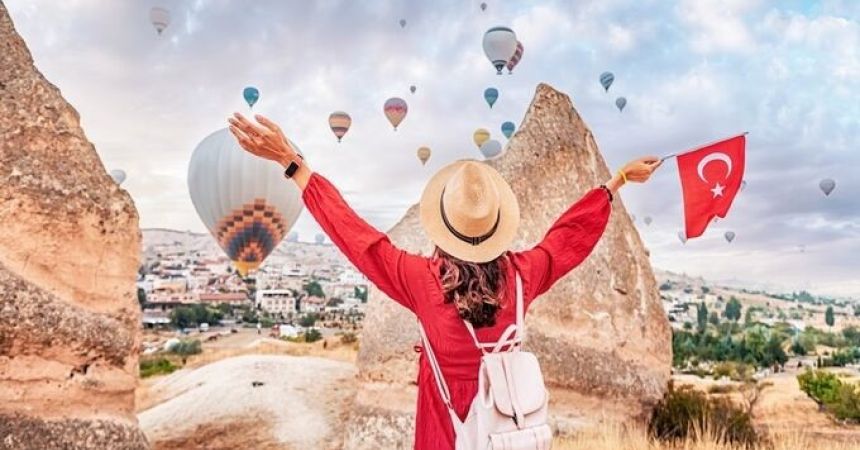
In Cappadocia, an early morning can begin before sunrise if you have a balloon reservation, followed by a regional sightseeing program involving valleys, viewpoints, underground cities or rock-cut churches.
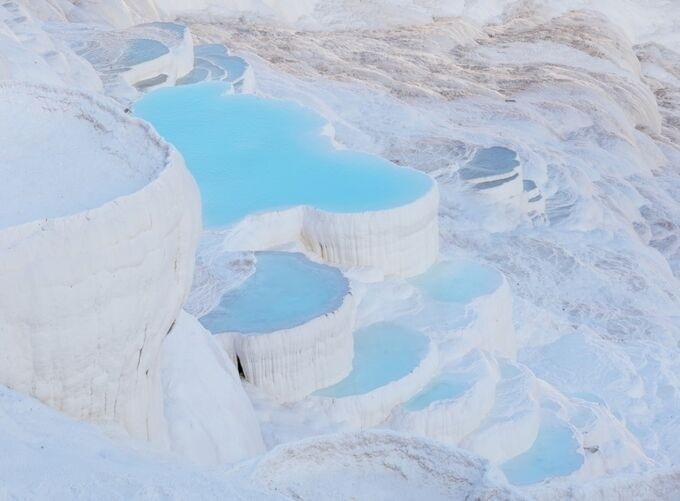
Around Ephesus and Pamukkale, archaeology and outdoor walking become more important, while Mediterranean stays can have a much slower rhythm.
Packing every destination into the same daily schedule ignores those differences.
A better approach is to arrive knowing that the pace of the journey should change with the place.
Do Not Treat Every Free Hour as a Scheduling Problem
Travelers sometimes arrive with every lunch, museum, transfer and evening activity fixed in advance.
That can feel reassuring before departure but surprisingly restrictive once the trip begins.
Turkey rewards some unscheduled time, particularly in Istanbul, where an afternoon can easily develop around a ferry crossing, a neighbourhood, a market or a meal you had not planned several months earlier.
The structural parts of the journey deserve organization: flights, essential transfers, hotels, important guided visits and limited-capacity experiences.
The spaces between them do not always need filling.
For travelers who want the principal logistics arranged without turning the holiday into an hour-by-hour escorted program, our customizable Turkey itineraries can provide that balance.
Understand That Meals Are Part of the Destination
One of the easiest mistakes is treating Turkish food as a checklist of kebab, baklava and Turkish coffee.
Regional variation is much broader.
What appears naturally on the table in Istanbul can differ from Cappadocia, the Aegean region or southeastern Turkey. Breakfast can itself be an experience, while meze, seafood, olive-oil dishes, grilled meats, pastries and regional specialties all belong to different culinary contexts.
Travelers with dietary requirements should communicate them clearly rather than relying on assumptions about dish names.
Vegetarian requirements, allergies and ingredients that must be avoided are easier to accommodate when explained specifically.
For organized sightseeing, communicate dietary requirements before the tour day where possible. That gives the local operator a better opportunity to choose an appropriate restaurant instead of solving the problem after everyone has already sat down.
Cash and Cards: Think in Situations, Not Absolutes
Turkey's currency is the Turkish lira, and cards are widely used in many hotels, restaurants and established businesses. Cash can nevertheless remain useful for smaller transactions and situations where card payment is inconvenient.
This article deliberately does not reproduce the separate currency guide.
The practical pre-departure point is simply to avoid depending on one payment method.
Carry access to more than one card if possible, keep a reasonable cash option available, and understand the amount displayed before confirming a card-terminal or ATM transaction.
Travel becomes easier when payment is treated as routine logistics rather than something you begin researching while standing in front of an unfamiliar machine.
A Balloon Reservation Is Not a Balloon Guarantee
For many visitors, Cappadocia's hot-air balloon flight is one of the most anticipated experiences in Turkey.
It is also weather dependent.
Flights can be cancelled when operating conditions are unsuitable, and that decision is fundamentally about safety rather than the inconvenience caused to a travel itinerary.
This matters before arrival because travelers sometimes build an entire Cappadocia stay around one balloon morning.
If ballooning is a major priority, allowing sufficient time in the region can improve the possibility of trying again after a cancellation, subject to both operating conditions and availability.
What you should not do is design the rest of the Turkey trip as though a specific balloon departure is guaranteed.
Archaeological Sites Require More Physical Effort Than Their Photographs Suggest
Ephesus, Hierapolis and many other historical sites are not indoor museums with controlled walking surfaces.
Expect uneven ground, exposed areas and considerable walking. Appropriate footwear can matter more than fashionable travel clothing, particularly when several archaeological visits occur during the same trip.
This is also where seasonal conditions become relevant, but we do not need another weather guide inside this article.
The practical point is to check the conditions expected for your dates and specific destinations, then prepare accordingly.
Turkey spans different climates and elevations. Clothing advice that makes sense on the Mediterranean coast may be unsuitable for an early morning in Central Anatolia.
Keep Important Information Available Offline
Most travelers now keep reservations, tickets and hotel details on their phones. That is convenient until a battery dies, mobile access fails or an airport Wi-Fi connection becomes unreliable.
You do not need to print a filing cabinet.
However, keeping screenshots or offline copies of essential information is sensible:
| Keep accessible | Why it matters |
|---|---|
| Passport details where appropriate | Booking/check-in reference |
| Hotel names and addresses | Transfers and taxis |
| Flight numbers | Airport coordination |
| Domestic ticket details | Check-in and baggage confirmation |
| Tour contact information | Day-of-service communication |
| Travel insurance details | Unexpected situations |
| Essential medical information | Personal preparedness |
The objective is not to anticipate disaster. It is to prevent a minor connectivity problem from becoming a logistical problem.
Ask About Mobility Before the Trip, Not During It
Turkey can involve stairs, cobbled surfaces, uneven archaeological terrain and hotels whose architecture was never designed around modern accessibility standards.
Cappadocia cave properties deserve particular attention because rooms may involve steps and irregular layouts. Historical districts in Istanbul can also involve slopes and busy pedestrian environments.
If somebody in the traveling party has reduced mobility, difficulty with stairs or another requirement affecting transportation or accommodation, communicate it before confirmation whenever possible.
A small adjustment made during planning is usually easier than improvising after arrival.
Early Departures Are Sometimes Part of a Better Route
Not every attractive itinerary produces leisurely mornings.
Domestic flight schedules, archaeological touring and Cappadocia balloon operations can occasionally require early starts. That is not necessarily poor planning; sometimes an early departure protects the rest of the day.
The important distinction is between purposeful early starts and an itinerary that is exhausting every day.
If several consecutive days involve pre-dawn departures, long transfers and full sightseeing programs, the route probably needs adjustment.
A good Turkey journey should contain momentum without feeling like a logistical endurance test.
Know What Should Remain Flexible
The strongest preparation is not the one with the most reservations. It is the one that removes uncertainty where uncertainty is expensive or disruptive.
Hotels, major transportation, important tours and limited-capacity experiences generally deserve earlier attention.
A café stop does not.
Neither does every dinner.
Neither does the exact hour you will walk across Galata Bridge.
Visitors who prefer a broader organized framework can review our Turkey vacation packages to understand how the country's principal destinations can be connected while still leaving room for personal time.
Once the essential structure is secure, allow Turkey to provide some of the details after you arrive.
Before You Leave: A Practical Readiness Check
A useful final check is not “Have I researched everything?”
It is:
Do I know where I am sleeping?
Do I know how I reach the next destination?
Do I understand which services are confirmed?
Do I know the correct airports?
Have I communicated dietary, mobility or other important requirements?
Do I have essential documents and contact details available?
Have I left enough flexibility for the journey to feel like travel rather than administration?
If those answers are clear, most of the remaining details can be handled naturally as the trip unfolds.
Frequently Asked Questions
1. What should I know before my first trip to Turkey?
Understand your airport arrangements, hotel locations, domestic connections and what your booked services actually include. Turkey is straightforward for visitors, but distances between regions are significant, so knowing how each destination connects to the next prevents many avoidable logistical problems.
2. Should I carry cash when traveling in Turkey?
It is sensible to have access to some Turkish lira even if you expect to use cards frequently. Rather than relying entirely on cash or entirely on cards, maintain more than one payment option and always check transaction amounts before confirming them.
3. Do I need to print all my travel documents?
Usually not, although keeping essential information available offline is wise. Save hotel details, flight information, tour contacts and important confirmations on your phone in a format that does not depend on internet access, and carry physical documents where officially required.
4. Are Turkey domestic flights easy to use?
Domestic flights are extremely useful for connecting distant regions, but travelers should account for airport transfers, check-in and baggage procedures rather than considering only flight duration. Always confirm the airport code and baggage allowance shown on the specific ticket you purchased.
5. What should I know about staying in a Cappadocia cave hotel?
Cave accommodation is not standardized. Room layouts, stairs, windows, ventilation and accessibility can vary significantly, even within one property. If a particular feature matters to you, check the exact room category rather than assuming every room matches the hotel's most attractive photographs.
6. Should I book Cappadocia ballooning before arriving?
Advance arrangements are sensible when ballooning is a priority because availability can become limited. However, flights remain dependent on operating conditions, so booking in advance does not guarantee departure. Avoid constructing an inflexible itinerary around a single balloon morning.
7. Are private tours necessary in Turkey?
No. Private touring is useful when flexibility, personal pacing or specialized interests matter, while small-group sightseeing can offer excellent value. Many travelers combine both approaches, using guided services selectively while keeping free time and some destinations independent.
8. Should I tell the tour company about dietary requirements in advance?
Yes. Providing specific dietary information before sightseeing begins gives the operator more opportunity to coordinate appropriate meal arrangements. Explain ingredients that must be avoided clearly rather than using broad descriptions, particularly when allergies or strict dietary requirements are involved.
9. Is Turkey suitable for travelers with limited mobility?
It can be, but advance planning is important. Archaeological sites, historic districts and cave hotels may involve uneven surfaces, slopes or stairs. Tell your hotel or tour operator about mobility requirements before confirmation so suitable transportation, accommodation and sightseeing arrangements can be considered.
10. How much free time should I leave in a Turkey itinerary?
There is no universal amount, but not every hour should be scheduled. Once hotels, major transport and priority sightseeing are secured, leaving some unscripted time makes it easier to enjoy neighbourhoods, meals, markets and unexpected discoveries without constantly watching the clock.
11. What information should I keep on my phone during the trip?
Keep your hotel names and addresses, flight numbers, transfer details, tour contacts and key confirmations available offline. Having these details immediately accessible is especially useful at airports, during transfers or whenever mobile data and Wi-Fi are temporarily unavailable.
12. What is the most useful preparation for traveling to Turkey?
Focus on logistics rather than trying to learn everything about the country before departure. Knowing your confirmed services, transportation sequence, accommodation details and important personal requirements gives you a reliable framework while leaving enough flexibility to experience Turkey naturally.

A travel professional specializing in tailor-made travel planning, guest experience management, and multi-destination tourism operations.
With over 23 years of experience in the travel industry, he designs and manages private and cultural tours for international travelers across Türkiye, Greece, Egypt, Jordan, Morocco, and other destinations.
He has strong expertise in both online and face-to-face guest communication, sales processes, and end-to-end travel operations.
Working closely with hotels, travel agencies, and local partners, he ensures smooth coordination and high-quality travel experiences at every stage of the journey.
His focus is on delivering personalized, reliable, and seamless travel experiences for international guests worldwide.