The Complete Greece Travel Guide: Planning Your Journey From Start to Finish (2026–2027)
Last Updated: August 7, 2026
Planning a trip to Greece often begins with a simple image.
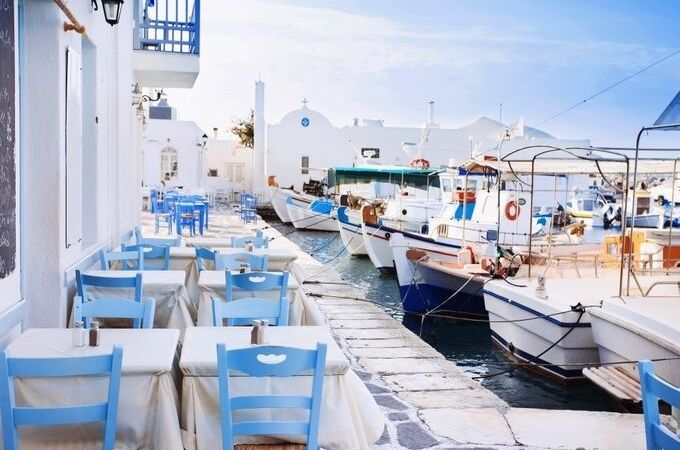
Whitewashed houses overlooking the sea.
A small taverna serving fresh seafood.
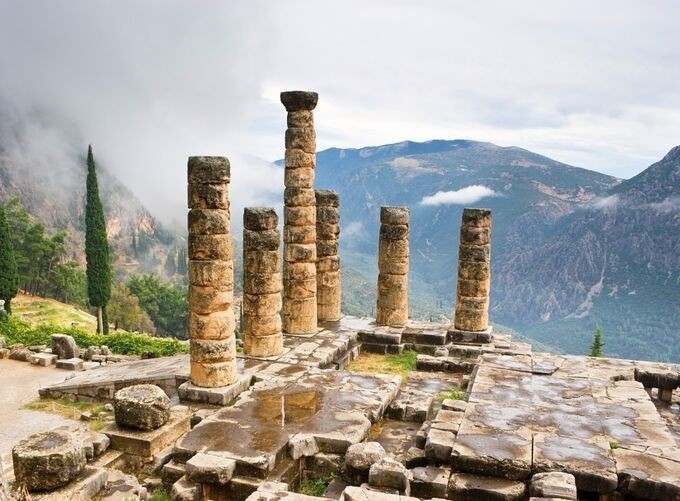
Ancient temples standing beneath brilliant blue skies.
Or perhaps a ferry arriving at a picturesque island harbour as the sun begins to set.
Those images aren't inaccurate.
They're simply incomplete.
Greece is one of Europe's most diverse destinations.
It's a country where ancient history meets contemporary city life, where mountain villages sit only a few hours from sandy beaches, and where every region offers its own traditions, cuisine, landscapes, and pace of life.
That's why planning a trip to Greece can feel surprisingly overwhelming.
Should you focus on the islands?
Spend time on the mainland?
Choose history over beaches?
Travel slowly or visit several destinations?
There isn't one perfect itinerary.
There isn't even one "best" region.
The right journey depends entirely on the experiences you're hoping to have.
This guide brings everything together in one place.
Rather than focusing on a single island, city, or travel tip, it explains how Greece fits together as a destination, helping you understand the country before you begin choosing where to go.
Whether you're planning your first visit or returning to explore another region, this guide will help you build a trip that feels balanced, realistic, and memorable.
Why Greece Continues to Inspire Travellers
Some destinations are known for one outstanding attraction.
Others become famous for a particular type of holiday.
Greece offers something much broader.
It's a country where one journey can combine ancient archaeological sites, lively cities, traditional villages, dramatic mountain scenery, island life, exceptional cuisine, and countless opportunities to slow down and simply enjoy the surroundings.
That variety is one of Greece's greatest strengths.
No two travellers experience the country in exactly the same way.
Some spend their days exploring museums and historical landmarks.
Others travel between islands, discovering quiet beaches and coastal villages.
Many choose a combination of both.
That's one reason so many visitors return.
Every trip reveals another side of Greece.
Is Greece the Right Destination for You?
Before deciding where to travel, it's worth asking a different question.
What kind of holiday are you hoping to have?
If you enjoy history, you'll find thousands of years of civilisation reflected in cities, archaeological sites, monasteries, and traditional towns.
If you prefer nature, you'll discover mountain ranges, dramatic gorges, national parks, and coastlines that stretch for thousands of kilometres.
If food is one of your favourite parts of travelling, every region introduces different recipes, local ingredients, and culinary traditions.
And if your ideal holiday simply involves slowing down, Greece has perfected that art.
The country doesn't ask visitors to rush.
It encourages them to enjoy each destination at its own pace.
Understanding Greece Before Choosing Your Route
One of the biggest mistakes first-time visitors make is treating Greece as though every destination offers the same experience.
It doesn't.
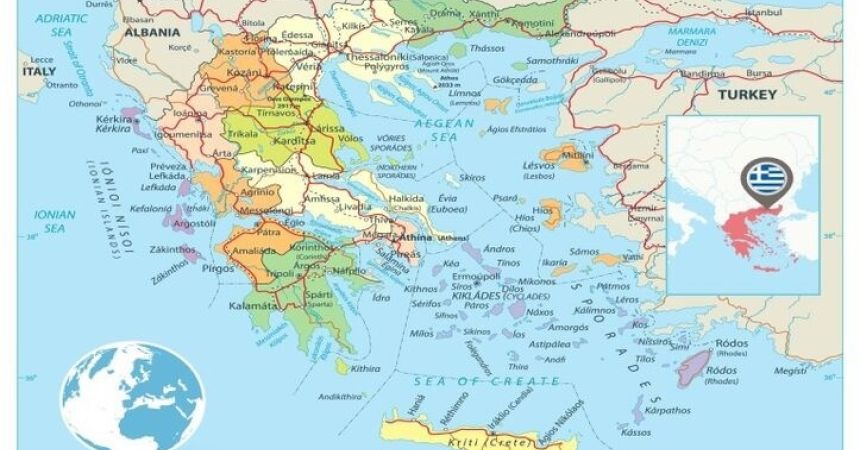
Athens feels completely different from Crete.
The Cyclades have little in common with the mountains of Epirus.
The Ionian Islands create a different atmosphere from the Dodecanese.
That's why choosing regions is usually more important than choosing individual attractions.
Instead of asking,
"Which famous places should I visit?"
consider asking,
"Which part of Greece matches the kind of journey I want?"
That simple shift often leads to a much better itinerary.
If you're still deciding where to begin, it's helpful to compare Greece's most popular cities before selecting individual regions or islands.
Every Journey Begins With Good Planning
The most memorable holidays rarely happen by accident.
They begin with realistic expectations.
Rather than trying to visit every famous destination in a single trip, experienced travellers focus on creating balance.
Enough time for sightseeing.
Enough time for relaxation.
Enough flexibility to enjoy unexpected discoveries.
Enough structure to make travelling between destinations feel effortless.
This doesn't mean every itinerary needs to be carefully scheduled.
In fact, Greece often rewards travellers who leave space for spontaneity.
Some of the best memories begin with plans that changed.
What Makes Greece Different From Other Mediterranean Destinations?
Many Mediterranean countries offer beautiful beaches.
Historic cities.
Excellent food.
Pleasant weather.
Greece certainly has all of those.
But what often surprises visitors is the country's remarkable diversity.
Within one journey, you can experience:
- Ancient monuments and vibrant modern neighbourhoods.
- Island villages and mountain landscapes.
- Traditional family-run tavernas and contemporary fine dining.
- Bustling city squares and peaceful coastal harbours.
- World-famous landmarks and hidden local favourites.
Very few destinations combine so many contrasting experiences within relatively short travelling distances.
That's why Greece appeals equally to first-time visitors and experienced travellers.
There's always another region waiting to be discovered.
If you're looking for inspiration beyond the famous landmarks, many travellers enjoy discovering unforgettable places in Greece before finalising their itinerary, helping them balance iconic destinations with lesser-known experiences.
Greece Isn't One Holiday—It's Many Different Holidays
Perhaps the biggest misconception about Greece is believing there's only one way to experience it.
Some travellers spend two weeks island hopping.
Others never leave the mainland.
Some explore archaeological sites every day.
Others barely visit one.
Every approach can be equally rewarding.
The secret isn't finding the perfect itinerary.
It's finding the itinerary that's perfect for you.
That's exactly what the rest of this guide will help you do.
We'll explore Greece's regions, travel styles, transportation, budgeting, accommodation, practical planning, and the decisions that transform a good holiday into an unforgettable one.
Understanding Greece's Regions Before You Choose Your Itinerary
One of the biggest planning mistakes isn't choosing the wrong hotel.
It's choosing the wrong region.
Many first-time visitors see Greece as a collection of islands connected by ferries.
In reality, the country is far more diverse.
Each region offers a completely different atmosphere, landscape, and travel experience.
Knowing these differences before you start planning makes every later decision much easier.
Rather than asking "Which island is the most famous?", think about what kind of journey you want to have.
The answer will usually point you towards the right region.
Athens: Where Every Journey Naturally Begins
For many international travellers, Greece starts in Athens.
Not simply because it's the country's largest gateway, but because it provides the perfect introduction to modern Greece.
History surrounds you, yet Athens never feels trapped in the past.
Neighbourhood cafés, rooftop restaurants, local markets, museums, and lively squares create a city that feels energetic throughout the year.
Many visitors spend two or three days here before continuing elsewhere, giving themselves time to experience both its famous landmarks and its everyday rhythm.
Athens isn't just somewhere you pass through.
It's part of the journey itself.
The Cyclades: The Greece Most People Imagine
If you've ever seen photographs of whitewashed houses overlooking deep blue water, chances are you've already seen the Cyclades.
This island group includes destinations such as Santorini, Mykonos, Naxos, Paros, and Milos.
Each island has its own personality.
Some are lively.
Others are peaceful.
Some attract honeymooners.
Others appeal to families or independent travellers looking for a slower pace.
Although they share similar architecture, they create very different holidays.
That's why choosing the right island matters far more than simply choosing the most famous one.
The Ionian Islands: A Greener Side of Greece
On Greece's western coast, the scenery changes noticeably.
The Ionian Islands are known for their lush landscapes, dramatic cliffs, olive groves, and emerald waters.
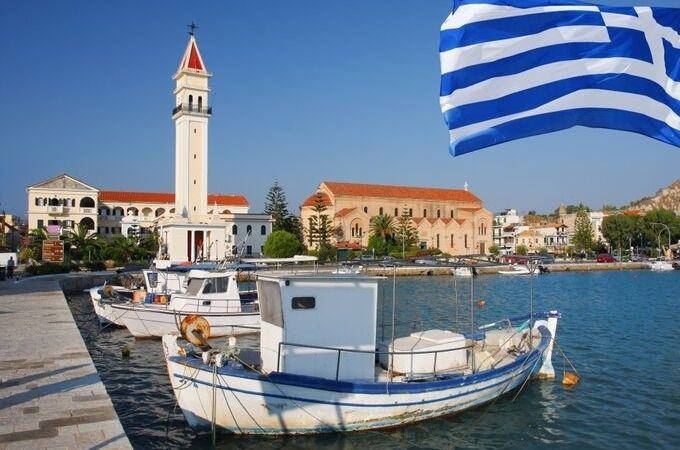
Destinations such as Corfu, Kefalonia, Zakynthos, and Lefkada offer a different atmosphere from the Cyclades.
The pace feels relaxed.
The landscapes are greener.
The coastline is often more rugged.
For travellers seeking a balance between beautiful beaches and natural scenery, the Ionian Islands are an excellent choice.
Crete: A Destination in Its Own Right
Crete deserves to be planned differently.
Rather than adding it to a long list of islands, think of it as a complete destination.
It's Greece's largest island, with enough history, coastline, mountain villages, cuisine, and cultural traditions to fill an entire holiday.
Travelling across Crete feels more like exploring a small country than visiting a single island.
If you only have a few days available, it's often better to experience Crete properly than to combine it with several other destinations.
Mainland Greece: The Side Many Visitors Overlook
While the islands receive much of the international attention, mainland Greece quietly rewards travellers looking for something different.
Here you'll discover mountain villages, dramatic landscapes, traditional towns, archaeological treasures, and quieter roads that reveal a slower side of the country.
Regions such as Epirus, the Peloponnese, Central Greece, and Macedonia each offer experiences that are impossible to replicate on the islands.
For many returning visitors, mainland Greece becomes the highlight of later trips.
How Should You Travel Around Greece?
One of Greece's greatest advantages is the variety of transport options available.
Depending on your itinerary, you may travel by:
- Domestic flights
- Ferries
- Rental car
- Intercity bus
- Train (on selected routes)
- Private transfers
The best choice depends entirely on where you're travelling.
Island hopping naturally relies on ferries.
Longer distances are often easier by air.
Mainland road trips provide the flexibility to explore villages and scenic routes that organised transport can't easily reach.
Rather than focusing on one method of transport, think about how each journey fits naturally into your itinerary.
Travellers planning more complex routes often choose the right Greece itinerary by balancing ferry crossings, flights, and driving times instead of simply connecting the nearest destinations.
Which Travel Style Fits You Best?
There isn't one perfect way to explore Greece.
Different travellers enjoy completely different experiences.
| Travel Style | Best Choice |
|---|---|
| First-time visitor | Athens + one or two islands |
| History enthusiast | Athens + Delphi + the Peloponnese |
| Beach holiday | Cyclades or Ionian Islands |
| Nature lover | Epirus + mainland Greece |
| Food-focused traveller | Crete + mainland regional towns |
| Relaxed slow travel | Crete or Corfu |
| Romantic getaway | Santorini + quieter nearby islands |
| Road trip | Mainland Greece and the Peloponnese |
The best itineraries aren't built around popularity.
They're built around compatibility.
A destination that perfectly matches your interests will almost always be more memorable than one chosen simply because everyone else recommends it.
The Best Itineraries Leave Room to Breathe
It's tempting to include every famous destination.
Athens.
Santorini.
Mykonos.
Crete.
Corfu.
Meteora.
Delphi.
On paper, it sounds exciting.
In practice, it often means spending more time travelling than experiencing Greece itself.
The strongest itineraries usually do less.
They allow extra mornings in beautiful places.
Long lunches by the sea.
Unexpected detours.
Conversations with local people.
Those experiences rarely appear on booking confirmations.
Yet they're often the memories travellers value most.
That's why experienced visitors don't try to see all of Greece.
They simply choose the part of Greece that feels right for this journey—knowing there will always be another reason to return.
If you're travelling as a couple, you may also want to plan a romantic Greece honeymoon differently from a cultural or family itinerary, as the pace and priorities are often completely different.
Choosing Accommodation That Matches Your Trip
Where you stay influences your experience just as much as where you go.
A beautiful destination can feel surprisingly inconvenient if your hotel is too far from the places you want to explore.
Likewise, a well-located hotel often allows you to experience a city or island in a much more natural way.
Instead of thinking only about hotel categories, think about lifestyle.
Do you want to walk to restaurants in the evening?
Would you enjoy waking up by the sea?
Are you planning to spend most of the day sightseeing, or do you expect to relax at the hotel for long afternoons?
The answers help determine the type of accommodation that suits your journey.
Some travellers prefer boutique hotels with local character.
Others value larger resorts with additional facilities.
Neither option is better.
The best choice is simply the one that complements the holiday you've imagined.
Understanding Your Travel Budget
One of the most common questions people ask before visiting Greece is:
"How expensive is it?"
The honest answer is that Greece can suit a surprisingly wide range of budgets.
A relaxing holiday doesn't necessarily require luxury hotels every night.
Equally, choosing the lowest price isn't always the best value.
Instead of focusing only on costs, think about where your budget will create the greatest memories.
For some travellers, that's upgrading to a room with a sea view.
For others, it's enjoying exceptional local restaurants, booking a private sailing excursion, or extending the trip by another night.
A well-balanced budget usually creates a better experience than simply trying to spend as little as possible.
Food Is One of Greece's Greatest Attractions
Many visitors arrive expecting beautiful scenery.
They leave talking about the food.
Greek cuisine isn't based on complicated recipes or elaborate presentation.
Its strength lies in quality ingredients, regional traditions, and meals designed to be shared.
Fresh seafood on the islands.
Olive oil produced only a few kilometres away.
Seasonal vegetables.
Local cheeses.
Traditional desserts prepared using recipes passed through generations.
Dining in Greece is rarely rushed.
Lunch often becomes an afternoon.
Dinner extends well into the evening.
Meals become conversations rather than scheduled breaks between sightseeing.
That's one of the reasons food feels like such an important part of travelling here.
Choosing the Right Season
There's no single "best" time to visit Greece.
Each season offers something different.
Spring brings colourful landscapes, comfortable temperatures, and ideal conditions for sightseeing.
Summer offers lively islands, warm seas, and long evenings beside the water.
Autumn combines pleasant weather with a more relaxed atmosphere after the busiest travel period.
Winter reveals a quieter side of Greece, particularly in cities and mainland regions.
Rather than asking which season is objectively best, ask which season best matches the holiday you're hoping to enjoy.
If weather plays an important role in your planning, it's helpful to learn when to visit Greece, comparing seasonal conditions before deciding on your travel dates.
Common Planning Mistakes
Interestingly, the biggest travel mistakes usually have very little to do with Greece itself.
Instead, they come from unrealistic expectations.
Trying to visit too many islands.
Changing hotels every other day.
Packing every hour with organised activities.
Leaving no time for spontaneous discoveries.
Many travellers arrive believing they need to see everything.
Experienced visitors understand something different.
Greece isn't a destination you complete.
It's a destination you gradually discover.
Slowing down often leads to richer experiences than constantly moving to the next place.
Who Will Enjoy Greece Most?
Greece appeals to a remarkably wide variety of travellers.
Families appreciate its welcoming atmosphere and relaxed pace.
Couples enjoy romantic islands, boutique hotels, and memorable sunsets.
History enthusiasts can spend weeks exploring archaeological sites and museums.
Nature lovers find mountain villages, dramatic coastlines, and national parks.
Food enthusiasts discover regional recipes that change from one area to another.
Solo travellers often appreciate how comfortable and easy the country feels to explore.
Few destinations adapt so naturally to different travel styles.
That's one reason so many people choose Greece for milestone trips such as honeymoons, anniversaries, family holidays, or first visits to Europe.
Greece Rewards Curiosity More Than Checklists
Many visitors arrive with a list of famous places.
The Acropolis.
Santorini.
Mykonos.
Delphi.
They're all extraordinary.
But ask returning travellers about their favourite memories, and you'll often hear completely different answers.
A family-run taverna hidden down a quiet side street.
A conversation with a local shop owner.
An afternoon spent watching fishing boats return to the harbour.
A mountain village they discovered by chance.
Those experiences rarely appear on travel rankings.
Yet they often become the moments people remember most.
That's why Greece rewards curiosity.
The more open you are to exploring beyond the obvious, the more rewarding the journey becomes.
One Trip Is Usually Only the Beginning
Very few travellers leave Greece saying,
"I've seen everything."
Instead, they leave with another list.
Another island.
Another region.
Another season they'd like to experience.
That's because Greece continually offers something new.
Each journey reveals another perspective on the country.
Another landscape.
Another tradition.
Another story.
Travellers who prepare for their arrival in Greece before they leave home often find it easier to settle into this slower rhythm from the very first day, allowing them to focus less on logistics and more on enjoying the journey itself.
Your Complete Greece Trip Planning Checklist
Planning a trip to Greece doesn't have to be complicated.
The key isn't trying to organise every minute of your holiday.
It's making a few thoughtful decisions before you travel.
When you choose the right region, allow enough time in each destination, and leave space for unexpected discoveries, Greece has a way of rewarding you with experiences that no itinerary can fully predict.
Before you book your journey, use this simple checklist.
| Before You Travel | Why It Matters |
|---|---|
| Decide what kind of holiday you want | Your travel style should shape your itinerary, not social media trends. |
| Choose regions before individual attractions | Every part of Greece offers a different experience. |
| Allow enough time in each destination | Fewer hotel changes usually create a more relaxing journey. |
| Travel during the season that suits your plans | Weather and atmosphere change throughout the year. |
| Keep your itinerary flexible | Some of the best experiences happen unexpectedly. |
| Learn a little about local culture | Understanding everyday life makes travelling far more rewarding. |
The strongest itineraries aren't the busiest ones.
They're the ones that leave enough room for Greece to surprise you.
Frequently Asked Questions
1. How many days should I spend in Greece?
For a first visit, 10–14 days offers an excellent balance. It gives you enough time to combine Athens with one or two regions or islands without feeling rushed.
2. Should I visit the mainland or the islands?
Both offer exceptional experiences. The islands are ideal for coastal holidays and island hopping, while mainland Greece rewards travellers interested in history, mountain scenery, traditional villages, and road trips.
3. Is Greece suitable for first-time visitors to Europe?
Yes. Greece is welcoming, relatively easy to travel around, and offers an excellent combination of history, culture, cuisine, scenery, and hospitality.
4. What's the best way to travel around Greece?
That depends on your itinerary. Ferries connect many islands, domestic flights are useful for longer distances, while rental cars are ideal for exploring mainland regions at your own pace.
5. Is Greece an expensive destination?
It can accommodate a wide range of budgets. Your overall cost depends on the season, destinations, accommodation, and travel style you choose.
6. Which region should I visit first?
Athens is the natural starting point for many travellers. From there, you can continue to the Cyclades, Crete, the Ionian Islands, or mainland regions depending on your interests.
7. When should I book my trip?
Booking several months in advance is recommended, particularly if you're travelling during spring or summer when accommodation, ferries, and popular experiences are in high demand.
8. Is island hopping always the best choice?
Not necessarily. Some travellers enjoy exploring one island in depth, while others prefer visiting several destinations. The best option depends on how quickly or slowly you like to travel.
9. Is Greece suitable for families?
Absolutely. Many destinations offer family-friendly accommodation, welcoming beaches, pedestrian-friendly towns, and a relaxed atmosphere that suits travellers of all ages.
10. What should I prioritise when planning?
Focus first on the type of holiday you want rather than creating a list of famous attractions. The best itineraries are built around experiences, not checklists.
11. Can I return to Greece and have a completely different experience?
Without question. Every region has its own landscapes, traditions, cuisine, and character, making each visit feel unique.
12. Why do so many travellers return to Greece?
Because no single trip can fully capture everything the country offers. Each journey reveals new islands, villages, cultural traditions, landscapes, and experiences that inspire visitors to return.

A travel professional specializing in tailor-made travel planning, guest experience management, and multi-destination tourism operations.
With over 23 years of experience in the travel industry, he designs and manages private and cultural tours for international travelers across Türkiye, Greece, Egypt, Jordan, Morocco, and other destinations.
He has strong expertise in both online and face-to-face guest communication, sales processes, and end-to-end travel operations.
Working closely with hotels, travel agencies, and local partners, he ensures smooth coordination and high-quality travel experiences at every stage of the journey.
His focus is on delivering personalized, reliable, and seamless travel experiences for international guests worldwide.