Israel Weather in September: Late Summer & Cooling Evenings
Last Updated: August 9, 2026
September creates one of the easiest weather misunderstandings in Israel.
The calendar says autumn is approaching.
Your first afternoon may disagree completely.
Arrive early in the month and much of the country can still operate according to a recognisably summer rhythm: strong sunshine, Mediterranean swimming, warm evenings and southern itineraries where heat continues to influence what belongs in the middle of the day.
Stay with the month long enough, however, and something begins to change.
Not necessarily dramatically. There may be no morning when everyone suddenly reaches for a jacket, nor a reliable date when summer officially releases its grip. Instead, the travel day gradually becomes easier to stretch. Walking feels less like something that must be strategically protected, evenings change character and the idea of spending more of the afternoon outdoors begins returning to the itinerary.
September therefore contains two journeys.
The first still belongs substantially to summer.
The second is beginning to remember that another season exists.
File A: September Arrives Wearing August's Clothes
A traveller landing during the first part of September should be cautious about reading the month name as a weather forecast.
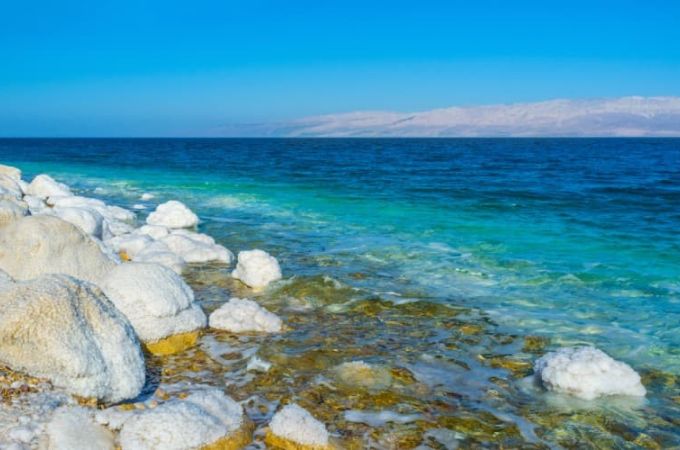
Tel Aviv remains strongly connected to the Mediterranean summer season, with swimming and beach time still natural components of the trip. Jerusalem may continue to reward earlier sightseeing and slower midday pacing, while the Dead Sea and desert regions deserve the same respect for heat that they received only a few weeks earlier.
This is not disappointing weather.
For travellers who want summer, it may be exactly the point.
The mistake is packing or scheduling for autumn before autumn has meaningfully arrived.
What Still Looks Like Summer?
| Travel Experience | Early September Reality |
|---|---|
| Tel Aviv beach time | Still central to the trip |
| Mediterranean swimming | Strong seasonal appeal |
| Jerusalem walking | Earlier hours remain valuable |
| Masada | Early scheduling still important |
| Dead Sea | Heat-aware planning remains necessary |
| Negev activity | Current conditions still control suitability |
| Evenings | Warm and highly usable |
September does not begin by deleting August's rules.
It begins by gradually loosening them.
The First Sign of Change Is Not Temperature
Travellers often wait for a dramatic drop in daytime highs before acknowledging that the season is moving.
The more useful clue is how long you want to remain outside.
A Jerusalem afternoon that would have encouraged a substantial indoor break several weeks earlier may begin feeling more workable. A late-day walk can start sooner. A cultural itinerary may require fewer deliberate recovery periods, particularly as September advances.
These are subtle changes.
They matter because travel comfort is cumulative.
A slightly easier afternoon repeated across a ten-day journey can alter how ambitious the entire itinerary feels.
File B: Jerusalem Begins Giving Back the Afternoon
Jerusalem is one of the best places to notice September's gradual shift because elevation already distinguishes its summer experience from lower regions.
Earlier in the month, sensible warm-weather habits remain valuable: substantial outdoor sightseeing in the morning, shade and indoor cultural stops when needed, followed by another active period later.
As the month progresses, that structure can become less rigid.
This is when a traveller may discover that lunch no longer needs to act as a hard dividing line between two sightseeing sessions. Historical areas can connect more naturally across the afternoon, although actual conditions still matter far more than assumptions based on the date.
Travellers interested in giving the country's history sufficient depth can explore Israel discovery tours, particularly when September's long usable days allow archaeological and cultural experiences to be combined without turning the programme into a race.
The Mediterranean Has Not Received the Autumn Memo
While Jerusalem begins hinting at seasonal change, Tel Aviv can continue feeling thoroughly summery.
This is one of September's defining contrasts.
The Mediterranean retains warmth accumulated through summer, meaning beach and swimming conditions do not necessarily retreat at the same speed as air temperatures or changing daylight elsewhere.
For travellers, this creates an unusually useful combination.
A multi-region itinerary can begin moving towards easier cultural sightseeing while still retaining genuine beach time.
That overlap is one of September's strongest claims to its own cluster.
October will continue the seasonal transition.
September is where summer and easier touring coexist before either one fully wins.
File C: Tel Aviv Still Wants a Swimsuit
Travellers sometimes remove swimwear from their packing list simply because their trip begins after August.
That can be a mistake.
September remains an important Mediterranean month, and coastal time can still provide a substantial part of the travel experience rather than a weather-dependent bonus.
The difference from peak summer is that beach time may increasingly complement longer city exploration rather than serving as the primary answer to a difficult afternoon.
This gives Tel Aviv greater flexibility.
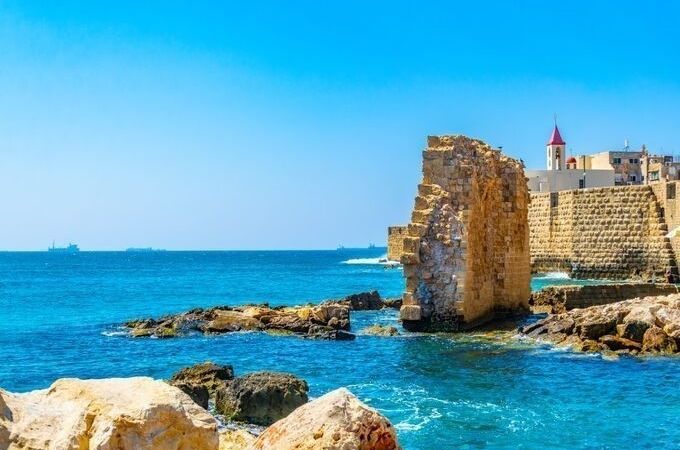
Jaffa, markets and neighbourhoods can occupy more of the day, while the Mediterranean remains available when the traveller wants the pace to change.
Those wanting this city-and-sea combination can consider Israel coast and culture tours, where the Mediterranean is integrated into the journey rather than added as an afterthought.
The South Does Not Change at the Same Speed
Seasonal optimism becomes dangerous when travellers assume that a more comfortable Jerusalem afternoon means the Dead Sea or Negev should follow the same rules.
They do not.
Southern and low-lying regions can remain very hot during September, and strenuous outdoor activities still require decisions based on actual conditions, route and appropriate local guidance.
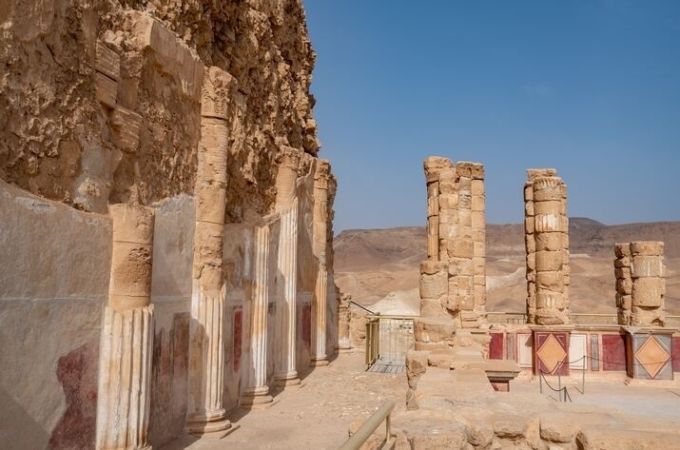
Masada continues to reward an early visit.
The Dead Sea continues to demand serious attention to sun exposure and hydration.
Desert hiking does not become automatically appropriate because a calendar page has changed.
This regional lag is fundamental to September planning.
Autumn does not move across the country as a single front.
File D: The Desert Keeps Summer Longer
If Jerusalem is the first part of the itinerary to loosen its summer schedule, the desert may be the last.
This produces a practical rule for multi-region travel:
Do not allow the easiest weather of the trip to set the timetable for the hottest region.
A 10:00 AM start that feels comfortable in Jerusalem may still be unnecessarily late for an exposed southern experience.
Travellers giving the desert a meaningful place in the itinerary can explore Israel desert journeys, but September programmes should preserve seasonal caution rather than assuming the whole country has entered autumn together.
The Packing List Begins to Split
September luggage should reflect two possibilities rather than one season.
Lightweight summer clothing remains central, particularly for the coast, Dead Sea and southern regions. Sun protection continues to matter, and swimwear absolutely earns its place for travellers visiting the Mediterranean.
At the same time, a light additional layer can begin becoming useful for some evenings, elevated areas or travellers visiting later in the month.
This does not justify packing a winter wardrobe.
September's challenge is almost the opposite: avoiding the assumption that “autumn travel” requires autumn clothing everywhere.
September's Most Important Weather Data Is Your Exact Date
Monthly averages become particularly blunt during a month that is gradually changing.
Someone arriving on September 3 and someone arriving on September 28 may both technically be researching “Israel weather in September,” yet their expectations should not be identical.
The difference is not guaranteed to appear as a dramatic temperature divide every year.
It appears as probability.
Later September increasingly offers the possibility of easier daytime touring, while early September more consistently retains the logic of established summer.
That distinction is much more useful than pretending the entire month has one personality.
The Month's Real Advantage Is Overlap
September is not valuable because summer disappears.
It is valuable because it doesn't disappear immediately.
Mediterranean swimming can remain highly attractive while cultural touring gradually becomes easier. Warm evenings continue to support outdoor life, yet the most demanding summer schedule may begin relaxing in Jerusalem and other areas as the month develops.
The south holds onto heat longer, preventing travellers from becoming careless.
This gives September an unusual travel balance.
You do not have to choose entirely between a summer holiday and a cultural touring season.
For part of the month, you can borrow from both.
That overlap is temporary, which is precisely why September deserves to be planned as its own season rather than described as either “late summer” or “early autumn.”
The September Packing Room: Five Suitcases, Five Different Answers
Imagine five open suitcases on a hotel-room floor.
Every owner is travelling to Israel in September.
If all five contain exactly the same clothes, somebody has probably packed badly.
September sits too close to summer to justify a generic autumn wardrobe, yet the traveller spending a week beside the Mediterranean does not need precisely the same things as someone moving between Jerusalem and the Dead Sea.
So instead of building one packing list, open each suitcase separately.
Suitcase One: Jerusalem, Five Nights
This traveller is not going to the beach and has no desert programme.
Their suitcase should still look much more like summer than autumn.
Lightweight clothing handles most daytime sightseeing, while comfortable walking shoes matter because Jerusalem often involves longer periods on foot than travellers anticipate. Sun protection remains useful even as September progresses.
One light additional layer earns its place for evenings or changing conditions, particularly later in the month.
A heavy jacket does not.
The main packing mistake here is seeing “September” and preparing for cool European-style autumn weather that may never appear.
Suitcase Two: Tel Aviv and the Mediterranean
Open the second suitcase and swimwear should be obvious.
September remains a genuine coastal month, so beach clothing, sun protection and lightweight outfits deserve priority rather than being packed as optional extras.
The Mediterranean also creates another consideration: humidity.
Breathable clothing can matter more than bringing several additional outfits, particularly for travellers who intend to combine substantial city walking with time beside the sea.
This suitcase belongs to someone who expects summer to continue.
Because on the coast, much of it does.
Suitcase Three: Jerusalem + Dead Sea
Now packing becomes more interesting.
The traveller needs clothing suitable for extensive cultural walking in Jerusalem and much hotter conditions at lower elevation around the Dead Sea.
That does not require two separate wardrobes.
It requires versatile pieces.
| Item | Jerusalem | Dead Sea | Worth Packing? |
|---|---|---|---|
| Lightweight clothing | Excellent | Essential | Yes |
| Walking shoes | Essential | Useful | Yes |
| Swimwear | Limited use | Essential | Yes |
| Sun hat | Useful | Very important | Yes |
| Light evening layer | Useful | Less important | Yes |
| Heavy jacket | Unnecessary | Unnecessary | No |
| Large umbrella | Low priority | Low priority | Usually no |
The most important item may still be the least fashionable: a practical way to carry enough water during long sightseeing periods.
Suitcase Four: The Multi-Region Traveller
This traveller is moving through Jerusalem, Tel Aviv, the Dead Sea and perhaps farther south.
Their mistake would be packing for the hottest destination alone.
Yes, lightweight warm-weather clothing should dominate, but a long itinerary introduces different environments, religious sites, strongly air-conditioned interiors, extensive walking and evening conditions.
Versatility matters more than quantity.
A small number of pieces that layer easily can outperform a suitcase containing separate “city,” “beach” and “desert” wardrobes.
Travellers should also remember modest clothing requirements for particular religious locations. Hot weather does not change local expectations.
Suitcase Five: The Active Traveller
This is the suitcase requiring the most caution.
September may encourage hikers because the calendar suggests summer is ending, but suitable equipment does not make every route suitable for the conditions.
Footwear, sun protection, water capacity and appropriate clothing matter, yet decisions about desert activity must still reflect the actual forecast, route and local guidance.
Especially earlier in September, serious heat can remain a major factor in southern areas.
Packing correctly is not permission to ignore it.
The September Item That Changes During the Month
If there is one category whose value gradually rises, it is the light layer.
Early-September coastal travellers may barely touch it.
Someone visiting Jerusalem towards the end of the month may appreciate having it during an evening.
This illustrates the problem with rigid monthly packing lists. They treat September 2 and September 29 as though the season cannot move during those four weeks.
It can.
The solution is not bringing more luggage.
It is bringing one or two items capable of covering the transition.
Pack for the Route, Then Check the Date
September packing works best in that order.
First ask where the trip goes.
Then ask when within September it happens.
A coastal holiday early in the month should look unmistakably summery. A later multi-region cultural itinerary may justify slightly greater flexibility, although lightweight clothing still dominates.
The calendar tells you which direction the season is moving.
Your route tells you what actually belongs in the suitcase.
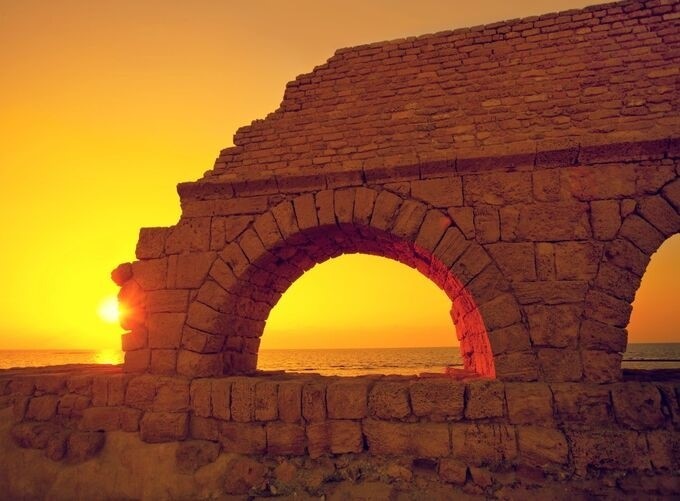
The September Green-Light Board
Some September plans can be placed confidently on an itinerary months before arrival.
Others should be written in pencil.
The distinction matters because September creates a dangerous sense of certainty. Summer is gradually weakening, yet that does not mean every outdoor activity suddenly becomes equally suitable. A cultural walking tour and a strenuous desert hike should not receive the same planning treatment simply because both happen outdoors.
Instead, divide the itinerary into three columns.
Green Light: Book With Confidence
Major cultural sightseeing belongs here.
Jerusalem's historical areas, museums, markets and religious sites remain central to a September journey, while the month's generally dry character makes weather disruption less important than during winter.
Tel Aviv city experiences also fit comfortably into this category, particularly when the programme allows the Mediterranean to influence the pace rather than requiring continuous afternoon walking.
Beach time deserves a green light too, although nobody can guarantee the exact sea or wind conditions of a particular afternoon months in advance.
September remains sufficiently connected to summer for the coast to carry genuine itinerary weight.
Amber Light: Keep the Timing Flexible
Masada is not a question mark in September.
Its time slot is.
An early visit remains considerably more sensible than placing exposed archaeological sightseeing into the hottest part of the day, especially earlier in the month.
Long urban walking days also belong in the amber category. They can work extremely well, particularly as September progresses, but travellers should retain enough flexibility to shorten an exposed afternoon or move indoor sightseeing into warmer hours.
The activity stays.
The clock remains negotiable.
Red Light: Decide From Actual Conditions
Strenuous desert hiking belongs here.
Red does not mean “never.” It means that a monthly climate article cannot responsibly give the final answer.
The suitability of a particular route depends on temperature, exposure, duration, recent conditions and authoritative local advice. This remains especially important in southern regions where September can retain serious summer heat even while Jerusalem begins feeling easier.
A traveller should arrive with possibilities rather than promises.
September Planning Board
| Experience | Planning Status | Why |
|---|---|---|
| Jerusalem cultural touring | Green | Strong core September experience |
| Tel Aviv sightseeing | Green | Easy to combine with coastal rhythm |
| Mediterranean swimming | Green | Summer character remains strong |
| Masada | Amber | Keep early timing |
| Long exposed city walk | Amber | Conditions/date influence comfort |
| Dead Sea outdoor day | Amber | Heat remains important |
| Strenuous Negev hiking | Red | Decide from actual conditions |
| Flexible nature activity | Red/Amber | Location and forecast matter |
This simple board prevents two opposite mistakes.
One is becoming unnecessarily cautious and assuming September heat makes cultural travel difficult everywhere.
The other is seeing “autumn” on the calendar and treating southern outdoor activities as automatically comfortable.
Neither reflects how the month actually behaves.
Move Activities Between Columns as September Progresses
The board is not fixed.
A long Jerusalem walking day that deserves amber status early in September may move closer to green later in the month when conditions cooperate.
The Dead Sea changes more slowly.
Desert hiking should remain condition-dependent regardless of how pleasant the previous evening felt in Jerusalem.
This is the practical meaning of September's seasonal transition: activities do not all change category at the same time.
Build Certainty Around the Important Things
A flexible itinerary does not mean arriving without a plan.
Hotels, transportation, major cultural experiences and essential reservations can be organised well in advance. The uncertainty should remain concentrated around activities whose quality or suitability genuinely depends on weather.
This makes the trip feel structured without pretending that a forecast can be known months ahead.
September is particularly well suited to this approach because so much of the itinerary is dependable.
The Mediterranean remains useful.
Cities remain highly tourable.
Rain generally does not dominate planning.
Only the experiences most sensitive to heat need to remain negotiable.
That is a much smaller uncertainty than it first appears.
12 Questions Travellers Ask About Israel in September
1. Is September a good month to visit Israel?
September can be particularly attractive for travellers wanting summer conditions without restricting the trip to a beach holiday. Mediterranean swimming remains appealing, evenings are warm and cultural touring can gradually become easier as the month progresses. Southern regions, however, may retain significant summer heat and require appropriate scheduling.
2. Is early September still very hot?
Early September can retain much of Israel's established summer character, particularly around the Mediterranean, Dead Sea and southern regions. Jerusalem may also remain warm during substantial daytime sightseeing. Travellers arriving early in the month should therefore plan more like summer visitors than assume autumn conditions have already begun.
3. Is late September noticeably different?
Late September increasingly offers the possibility of easier daytime sightseeing, particularly in Jerusalem and elevated areas, although there is no guaranteed date when conditions suddenly change. The Mediterranean may remain warm while cultural touring becomes more comfortable, creating one of the month's most useful seasonal overlaps.
4. Can you swim in Tel Aviv in September?
Yes, September generally remains an important Mediterranean swimming month, with the sea retaining warmth accumulated through summer. Actual sea and wind conditions naturally vary by day, but travellers should not assume beach season disappears after August. Tel Aviv can still combine cultural sightseeing with genuine coastal time.
5. Does it rain in Israel in September?
September generally remains within the dry part of Israel's annual weather cycle, particularly earlier in the month, although the possibility of changing conditions begins increasing as the country eventually moves towards autumn. Rain should not normally dominate itinerary planning, but checking the short-range forecast remains sensible.
6. Is Jerusalem comfortable for walking in September?
Jerusalem can be excellent for walking, especially as September progresses, but substantial early-month sightseeing still benefits from sensible timing, shade and hydration. The city's elevation helps distinguish it from hotter low-lying regions, while warm evenings provide valuable additional hours for neighbourhood exploration and outdoor dining.
7. Is the Dead Sea too hot in September?
The Dead Sea can remain very hot during September, so travellers should not use comfortable conditions in Jerusalem as evidence that the south has already cooled significantly. Earlier sightseeing, appropriate hydration and sun protection remain important, particularly when combining the region with exposed archaeological sites such as Masada.
8. Can I hike in the Negev during September?
Possibly, but suitability must be determined according to the specific route, actual forecast and reliable local guidance. September can retain serious desert heat, especially earlier in the month. A general monthly climate guide should therefore never be used as confirmation that a strenuous exposed route is safe.
9. What should I wear in Israel in September?
Lightweight summer clothing should still form the core of most September wardrobes, accompanied by comfortable walking shoes, sun protection and swimwear for coastal itineraries. A light additional layer becomes increasingly useful for some Jerusalem evenings or later dates, but heavy autumn clothing is generally unnecessary.
10. Is September better for sightseeing or beach time?
One of September's strongest advantages is that travellers do not necessarily need to choose. Mediterranean swimming can remain highly attractive while cultural touring gradually becomes easier as summer intensity begins declining. A Jerusalem and Tel Aviv combination can therefore deliver two very different seasonal experiences within one journey.
11. Do Jewish holidays affect travel in September?
They can, depending on the year. Major Jewish holidays follow a calendar that does not align permanently with September, so travellers should check the exact dates for their travel year. Holiday periods may influence transportation, opening arrangements, accommodation demand and the atmosphere in particular destinations.
12. Should I choose the beginning or end of September?
Choose according to priorities rather than assuming one period is universally better. Earlier September suits travellers wanting stronger summer and beach conditions, while later dates may provide greater comfort for cultural sightseeing. Those combining both can find the month's gradual transition particularly valuable.
September Does Not Change Seasons All at Once
The easiest way to misunderstand September is to ask whether it is summer or autumn.
For travel purposes, it can contain elements of both without fully belonging to either.
The Mediterranean holds onto summer particularly well, allowing swimming and coastal time to remain substantial parts of the itinerary. Jerusalem can begin giving travellers more freedom for daytime walking as the month progresses, while warm evenings continue to extend cultural and social life beyond conventional sightseeing hours.
The Dead Sea and Negev tell a different story.
They cool more slowly, which means the pleasant evening you experienced in Jerusalem should never become the basis for deciding how to approach tomorrow's desert activity.
That regional mismatch is not an inconvenience.
It is September's defining characteristic.
A well-designed journey can use it deliberately: cultural touring where conditions are becoming easier, genuine summer beside the Mediterranean and carefully timed experiences in regions that have not yet surrendered their heat.
This also explains why September should not compete with October within the weather cluster.
October belongs more clearly to the autumn transition and the return of broader outdoor flexibility. September owns the period immediately before it, when summer remains strong enough to shape the holiday but has begun releasing its control unevenly.
For travellers, the advantage is choice.
You can still pack a swimsuit without building a beach-only holiday. You can spend serious time walking through Jerusalem without pretending summer has vanished. You can include the Dead Sea while respecting that southern conditions operate on their own seasonal timetable.
September works because these experiences overlap.
The month does not offer one consistent version of Israel from the first day to the last.
It offers something more interesting: a summer trip that gradually becomes easier to tour.

A travel professional specializing in tailor-made travel planning, guest experience management, and multi-destination tourism operations.
With over 23 years of experience in the travel industry, he designs and manages private and cultural tours for international travelers across Türkiye, Greece, Egypt, Jordan, Morocco, and other destinations.
He has strong expertise in both online and face-to-face guest communication, sales processes, and end-to-end travel operations.
Working closely with hotels, travel agencies, and local partners, he ensures smooth coordination and high-quality travel experiences at every stage of the journey.
His focus is on delivering personalized, reliable, and seamless travel experiences for international guests worldwide.