
10 Surprising Facts About Jordan Every Traveler Should Know
10 Things You Never Knew About Jordan
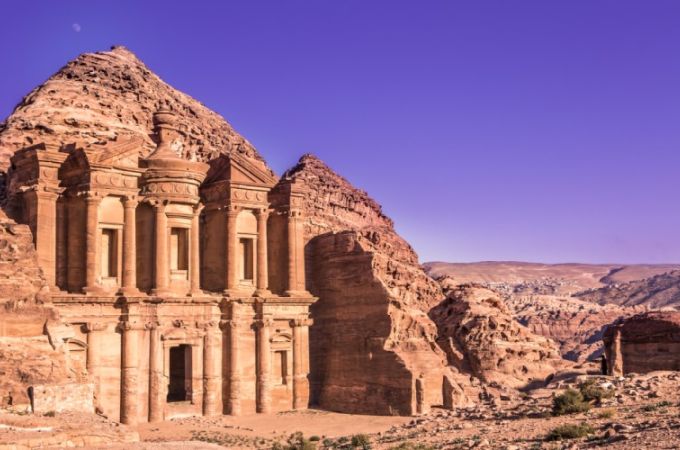
Jordan is often introduced with one famous image: the Treasury at Petra.
And while Petra certainly deserves its reputation, it tells only a small part of the country's story.
Jordan is filled with surprises. It has landscapes that look like another planet, traditions that have remained unchanged for centuries, archaeological discoveries older than the pyramids, and one of the friendliest cultures many travelers ever experience.
What makes Jordan special isn't simply the number of attractions.
It's the way history, nature, and everyday life blend together so naturally.
You can spend the morning exploring Roman ruins, float effortlessly in the Dead Sea during the afternoon, and watch the stars above the desert that evening—all within the same trip.
If you're planning a visit or simply curious about this fascinating country, here are ten facts that many travelers don't discover until they arrive.
1. Jordan Is Home to One of the World's Oldest Cities
Many people assume Egypt or Mesopotamia holds all the oldest settlements in the Middle East.
In reality, Amman is considered one of the world's oldest continuously inhabited cities.
People have lived in the area for thousands of years, and evidence of ancient civilizations can still be seen throughout the city.
The modern capital combines Roman theaters, ancient citadels, lively markets, and contemporary neighborhoods in a way that feels surprisingly natural.
Walking through Amman often means moving between thousands of years of history in just a few minutes.
2. Petra Is Much Larger Than Most Visitors Expect
Many travelers think Petra is simply the famous Treasury.
In reality, the Treasury is only the beginning.
The archaeological city covers an enormous area filled with temples, tombs, stairways, caves, royal facades, and mountain viewpoints.
You can easily spend an entire day exploring Petra and still leave with places you haven't seen.
Those who stay overnight often discover that the quieter early morning hours completely change the atmosphere.
This is one reason many Jordan cultural tours include a full day—or even two days—in Petra rather than treating it as a quick stop.
3. You Can Float Without Swimming
The Dead Sea is one of the lowest places on Earth and one of the strangest swimming experiences you'll ever have.
Because of its extremely high salt concentration, your body naturally floats on the surface.
It feels unusual at first.
Instead of trying to stay afloat, you actually have to make an effort to stand up again.
Visitors also enjoy the mineral-rich mud, which has been used for skin treatments for centuries.
It's one of those travel experiences that photographs simply can't explain.
4. Wadi Rum Looks Like Another Planet
If Wadi Rum seems familiar, there's a good reason.
Its dramatic sandstone mountains and endless red desert have appeared in numerous international films.
Yet standing there feels nothing like watching it on screen.
The silence is remarkable.
The scale of the landscape is even more impressive.
Whether you explore by jeep, camel, or on foot, Wadi Rum quickly becomes one of Jordan's most unforgettable destinations.
Many travelers say it feels less like visiting a desert and more like visiting another world.
5. Jordan Has Roman Cities That Rival Europe's
When people think about Roman history, Italy usually comes to mind first.
Few realize that Jordan preserves some of the best Roman ruins outside Europe.
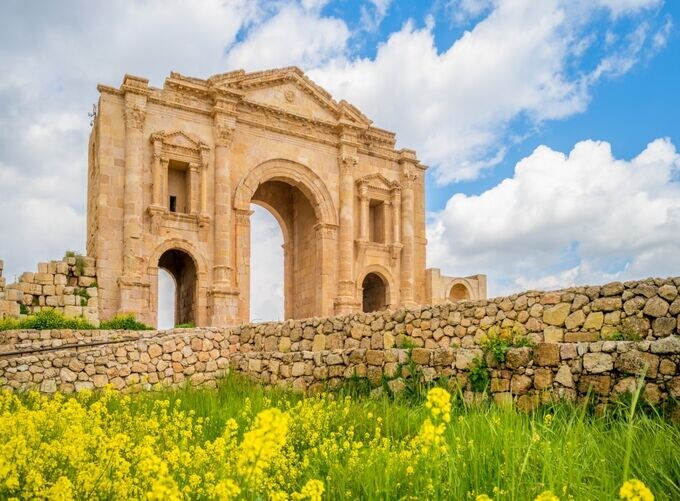
Jerash is particularly impressive.
Its colonnaded streets, temples, theaters, arches, and plazas remain remarkably well preserved.
Walking through Jerash feels surprisingly immersive because so much of the ancient city still stands.
For history lovers, it's often one of the biggest surprises of the entire trip.
6. Hospitality Is Part of Everyday Life
One thing almost every visitor remembers isn't a monument.
It's the people.
Jordanian hospitality is genuine and deeply rooted in local culture.
Being invited for tea, offered coffee, or welcomed into conversation happens naturally throughout the country.
Many travelers arrive expecting impressive historical sites.
They leave talking about the kindness they experienced from complete strangers.
That warmth often becomes one of Jordan's greatest attractions.
7. Jordan Has More Biblical History Than Many Travelers Realize
Jordan is deeply connected to biblical history.
Mount Nebo is traditionally associated with Moses viewing the Promised Land. Bethany Beyond the Jordan is known as the baptism site of Jesus. The ancient lands of Moab, Edom, and Ammon also appear throughout biblical narratives.
For many visitors, these places add a meaningful spiritual layer to the journey.
Even travelers who are not religious often find the landscapes powerful because they connect familiar stories with real geography.
8. The Food Is One of Jordan’s Biggest Surprises
Jordanian food is generous, flavorful, and made for sharing.
The national dish, mansaf, is served with lamb, rice, and a tangy yogurt sauce called jameed. You’ll also find falafel, hummus, fresh bread, grilled meats, stuffed vegetables, dates, sweets, and strong Arabic coffee.
Meals in Jordan are rarely just about eating.
They are about hospitality.
A simple lunch can easily become one of the warmest memories of the trip.
9. Jordan Is Small but Incredibly Diverse
Jordan is not a large country, but the landscapes change quickly.
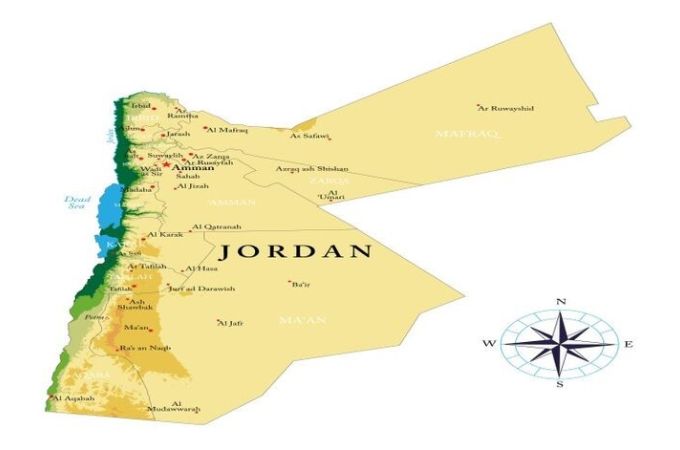
In one itinerary, travelers can move from Amman’s hills to Roman ruins in Jerash, desert canyons in Wadi Rum, rose-colored cliffs in Petra, and the salty shores of the Dead Sea.
| Region | What Makes It Special |
|---|---|
| Amman | Ancient and modern capital |
| Jerash | Roman ruins |
| Petra | Nabataean rock-cut city |
| Wadi Rum | Desert landscapes |
| Dead Sea | Floating and spa resorts |
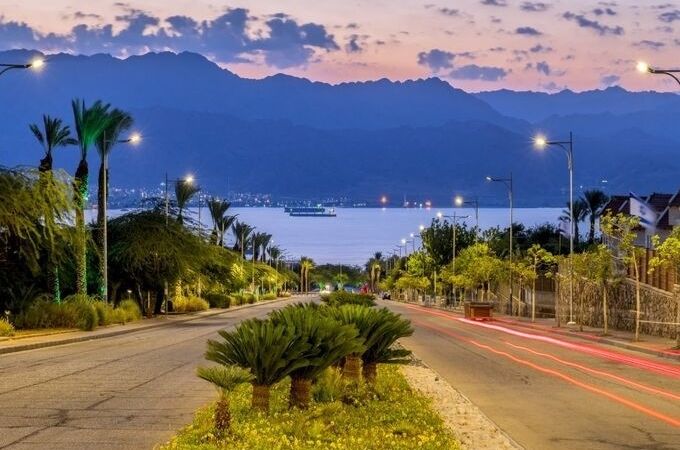
| Aqaba | Red Sea beaches |
This variety makes Jordan ideal for a one-week journey.
Travelers choosing Jordan travel packages often enjoy how much the country offers without requiring long travel distances.
10. Jordan Is Perfect for Slow Travel Too
Although Jordan can be explored in a week, it also rewards travelers who slow down.
Spending two nights in Petra allows time for hidden trails and viewpoints. Staying overnight in Wadi Rum lets you experience sunset, stars, and sunrise rather than just a quick desert visit.
Even Amman becomes more enjoyable when you have time for cafés, markets, and local neighborhoods.
Jordan may be compact, but it should not be rushed.
Some places reveal themselves only when you stay long enough to notice the details.
Best Time to Discover Jordan’s Hidden Side
Spring and autumn are usually the best times to visit Jordan.
March to May brings mild weather and wildflowers in some regions. September to November offers comfortable temperatures for Petra, Wadi Rum, Amman, and the Dead Sea.
Summer is possible, especially if you include Aqaba or the Dead Sea, but Petra and the desert can feel hot during the middle of the day.
Winter brings cooler temperatures and fewer crowds, though evenings in Petra and Wadi Rum can be cold.
| Season | Travel Experience |
|---|---|
| Spring | Mild weather and beautiful landscapes |
| Summer | Hot, better for resorts and early starts |
| Autumn | Comfortable and ideal for touring |
| Winter | Cooler, quieter, cold desert nights |
For most first-time visitors, spring and autumn offer the easiest balance.
Jordan Is More Than One Famous Wonder
Petra may be Jordan’s most famous attraction, but the country’s real beauty lies in its variety. Ancient cities, desert camps, sacred places, local food, and warm hospitality all come together in a journey that feels much richer than many travelers expect.
At Magnificent Travel, we design Jordan itineraries that go beyond the obvious highlights. Whether you want a classic Petra and Wadi Rum route, a cultural journey through Amman and Jerash, or tailor-made Jordan private tours, our local planning helps connect the country’s best experiences with comfortable timing, reliable transfers, and guides who bring each place to life.
Frequently Asked Questions
What is Jordan best known for?
Jordan is best known for Petra, the Dead Sea, Wadi Rum, Jerash, Amman, and warm local hospitality. The country combines ancient history, desert landscapes, biblical sites, Roman ruins, and unique cultural experiences in a compact route.
Is Petra the only major attraction in Jordan?
No. Petra is Jordan’s most famous site, but Jerash, Wadi Rum, the Dead Sea, Mount Nebo, Madaba, Amman, and Aqaba are also important destinations. A good itinerary includes several regions, not Petra alone.
How many days do you need in Jordan?
Most travelers need 6 to 8 days for a strong first visit. This allows time for Amman, Jerash, Petra, Wadi Rum, the Dead Sea, and possibly Aqaba without making the itinerary feel too rushed.
Is Jordan good for history lovers?
Yes. Jordan is excellent for history lovers because it includes Nabataean, Roman, biblical, Islamic, and modern heritage. Petra, Jerash, Mount Nebo, Madaba, and Amman’s Citadel are especially rewarding historical sites.
Is Wadi Rum worth visiting?
Absolutely. Wadi Rum is one of Jordan’s most unforgettable landscapes, known for red desert scenery, sandstone mountains, jeep tours, Bedouin camps, and spectacular night skies. Staying overnight makes the experience much more memorable.
What is the best time to visit Jordan?
Spring and autumn are the best seasons to visit Jordan. March to May and September to November usually bring comfortable weather for Petra, Wadi Rum, Amman, Jerash, and the Dead Sea.

A travel professional specializing in tailor-made travel planning, guest experience management, and multi-destination tourism operations.
With over 23 years of experience in the travel industry, he designs and manages private and cultural tours for international travelers across Türkiye, Greece, Egypt, Jordan, Morocco, and other destinations.
He has strong expertise in both online and face-to-face guest communication, sales processes, and end-to-end travel operations.
Working closely with hotels, travel agencies, and local partners, he ensures smooth coordination and high-quality travel experiences at every stage of the journey.
His focus is on delivering personalized, reliable, and seamless travel experiences for international guests worldwide.