Traveling Jordan During Ramadan: What Really Changes
Updated: August 2026
Travelers who discover that their Jordan holiday overlaps with Ramadan often begin asking the wrong question: should they change their dates?
The concern is understandable, particularly for someone who has never traveled in a Muslim-majority country during the fasting month and has started reading conflicting advice online. One article suggests that almost everything closes, another describes Ramadan as the perfect time to visit, while somebody on a travel forum remembers struggling to find lunch several years ago and concludes that every future visitor will have exactly the same experience.
Jordan during Ramadan is considerably more nuanced than any of those descriptions.
The country continues functioning, archaeological sites continue welcoming visitors, hotels continue accommodating international guests and people continue going to work, driving, shopping and carrying out their daily responsibilities. What changes is the rhythm surrounding those activities, particularly around food, working patterns and the hours immediately before and after sunset.
For a visitor, that rhythm becomes easier to understand after the first day or two. Breakfast at your hotel may feel almost completely familiar, the middle of the day can seem quieter in places where cafés and restaurants would normally be busy, and then, as sunset approaches, attention increasingly turns toward the meal that will break the day's fast.
After sunset, the atmosphere shifts again.
Instead of treating these changes as obstacles to be engineered out of the itinerary, it is more useful to understand why they happen and allow the travel day to move with them.
The First Ramadan Change You Notice May Happen at Breakfast
International hotels can create a slightly unusual bubble during Ramadan because their guests are following many different routines.
While fasting Muslims will have finished their pre-dawn meal before beginning the day's fast, international visitors may walk downstairs several hours later and find a hotel breakfast that looks surprisingly normal. Depending on the property and its arrangements, the buffet or breakfast service may continue much as it would at another time of year.
Outside the hotel, however, the city may be operating according to a different clock.
Some food businesses may open later or adjust their daytime operation, while places serving tourists can follow different arrangements. This variation is precisely why statements such as “restaurants are closed during Ramadan” are not particularly useful.
Some may be closed during daylight hours, some may alter their schedules and others may continue serving visitors, particularly within tourism-oriented environments.
If having lunch at a particular place matters to you, check rather than assume.
If you are comfortable being flexible, the situation usually requires much less planning than anxious online discussions suggest.
Your Guide May Be Fasting Even Though You Are Not
This is one of the most important parts of traveling through Jordan during Ramadan, yet it receives surprisingly little attention in generic travel advice.
The people helping you experience the country may be fasting.
Your guide could be explaining an archaeological site after having eaten and drunk nothing since before dawn. Your driver may have been working for several hours without water. Hotel staff, shopkeepers and other people you encounter may also be observing the fast while continuing with their working day.
You do not need to feel guilty about this, nor should you assume that everybody you meet is fasting.
What helps is awareness.
A long sightseeing day that feels ordinary to you may require considerably more energy from someone observing Ramadan, particularly when the weather is warm. Allowing a natural pause, being patient when the pace changes slightly and understanding why somebody may become quieter toward the end of the afternoon are small forms of consideration that require almost no effort from the traveler.
Respect rarely needs to be theatrical.
Often it simply means noticing the person beside you.
Drinking Water Should Not Become a Test of Your Own Endurance
Visitors sometimes become so determined to show respect that they stop looking after themselves properly.
If you are thirsty, particularly during warm weather or strenuous sightseeing, drink water. Travelers with medical requirements should follow the advice appropriate to their health rather than changing essential eating or hydration routines in an attempt to imitate fasting.
The cultural consideration lies more in how you behave.
There is an obvious difference between discreetly drinking because you need water and turning somebody else's fasting day into the backdrop for an elaborate snack break. When you are uncertain about what feels appropriate in a particular setting, your guide can usually offer much more useful advice than a universal rule found online.
The same principle applies to food.
You are a visitor rather than a participant in the fast unless you personally choose to observe it, but that does not mean the social context disappears.
A little discretion goes much further than unnecessary anxiety.
Lunch Becomes a Practical Question Rather Than a Cultural Crisis
For many travelers, the most immediate Ramadan concern is wonderfully ordinary:
Where am I going to have lunch?
Hotels catering to international guests may continue providing food during the day, while restaurants in tourist areas can have their own Ramadan arrangements. Elsewhere, options may be more limited or businesses may not open until later.
This matters most on touring days when lunch has normally been assumed rather than planned.
If you are traveling privately, ask how the day's meal arrangements will work before setting out. If you are exploring independently, identifying a suitable option in advance can prevent you from spending the middle of the afternoon walking from one closed door to another.
It is also perfectly reasonable to adjust your eating pattern temporarily.
A substantial hotel breakfast, a lighter daytime meal and dinner after sunset may fit naturally into the travel day without requiring you to adopt the fasting schedule yourself.
The important distinction is between adapting and struggling.
You should not spend the holiday hungry merely to prove that Ramadan has not affected your plans.
The Hour Before Sunset Can Be the Most Important Hour You Did Not Plan
A conventional itinerary may show a transfer beginning at 5:30 PM and assume that thirty minutes of driving at that time is equivalent to thirty minutes at any other point in the day.
During Ramadan, that assumption can become unreliable.
As sunset approaches, people who have been fasting are preparing to break the fast, families are gathering, food is being collected and many people are trying to reach wherever they intend to eat. Depending on the location and day, traffic patterns can become noticeably different from what a visitor experienced earlier.
This is not a reason to avoid moving around before sunset.
It is a reason to stop treating the final hour of the fasting day as an ordinary scheduling block.
If you have an airport transfer, dinner reservation, timed activity or another arrangement where punctuality matters, allow appropriate margin and follow local advice.
A flexible schedule absorbs Ramadan easily.
An itinerary constructed to the minute may discover that Jordan has other plans.
Then Sunset Changes the Atmosphere
The transition at sunset is one of the experiences that makes traveling during Ramadan distinctive.
After a full day without food or drink, people observing the fast are ready for iftar, the meal that begins after sunset. Families and friends gather, restaurants serving iftar can become active, and the atmosphere of places that seemed relatively quiet during the afternoon may change noticeably.
Visitors do not need to understand every religious detail to appreciate the significance of this moment.
It helps, however, not to treat iftar simply as “late dinner.”
For people observing Ramadan, the meal marks the end of the day's fast and carries religious, family and social meaning that extends beyond being hungry at a particular hour.
If you happen to be traveling with a fasting guide or driver, remembering that they have been waiting for this moment since before dawn gives the evening a different perspective.
You have reached dinner.
They have reached the end of the fast.
Those are not quite the same thing.
Being Invited to Iftar Is Different From Booking an Iftar Buffet
Travelers may encounter Ramadan through two very different dining experiences.
Hotels and restaurants can offer organized iftar meals, sometimes with extensive selections designed to serve large numbers of diners. These can provide an accessible way for visitors to experience the evening atmosphere while enjoying foods associated with the period.
A personal invitation is something else.
If somebody invites you to share iftar with their family or community, you are being welcomed into a social occasion rather than purchasing a dining experience. There is no need to become nervous about complicated rules, although allowing your host to guide the rhythm of the meal is sensible.
Do not expect the evening to operate like a restaurant reservation.
Conversation, family interaction and the shared significance of breaking the fast are part of what you have been invited to experience.
And if nobody invites you to a private iftar, your Ramadan journey has not somehow failed an authenticity test.
Travel does not need to manufacture intimacy with strangers to be meaningful.
Your Hotel and the Street Outside May Seem to Follow Different Clocks
One of the more interesting aspects of Ramadan travel is the contrast between tourism infrastructure and everyday life.
Inside an international hotel, breakfast may be served at the usual hour, guests may be drinking coffee in the lobby and tour departures may follow familiar schedules. Step outside and the day's rhythm can feel noticeably different, particularly around businesses connected with food and social activity.
Neither environment is artificial.
They simply serve different groups of people.
The hotel needs to accommodate guests who are not fasting, while the surrounding city reflects the routines of residents whose daily lives are being shaped by Ramadan.
Visitors sometimes interpret this contrast as inconsistency.
It is actually one of the clearest demonstrations of how Jordan accommodates tourism without requiring local life to rearrange itself entirely around tourists.
You can have breakfast.
Someone else can fast.
Both things can happen within the same city without requiring a problem to be solved.
Petra During Ramadan Is Still Petra
Travelers occasionally worry that visiting Petra during Ramadan will somehow result in a diminished version of the experience.
The archaeological landscape does not become less extraordinary because the month has changed.
What may require attention are practical details such as current opening arrangements, the availability and timing of services, your lunch plan and the fact that some of the people working around you may be fasting.
Avoid relying on an old blog post for exact Ramadan opening hours because schedules can change. Check current information for the period of your visit, particularly if your plan depends on entering or leaving at a specific time.
The same principle applies elsewhere in Jordan.
Ramadan does not automatically prevent sightseeing, but the daily schedule surrounding sightseeing deserves slightly more attention than it might during another period.
There is an important difference between those two statements.
The Desert Does Not Become Exempt From Ramadan
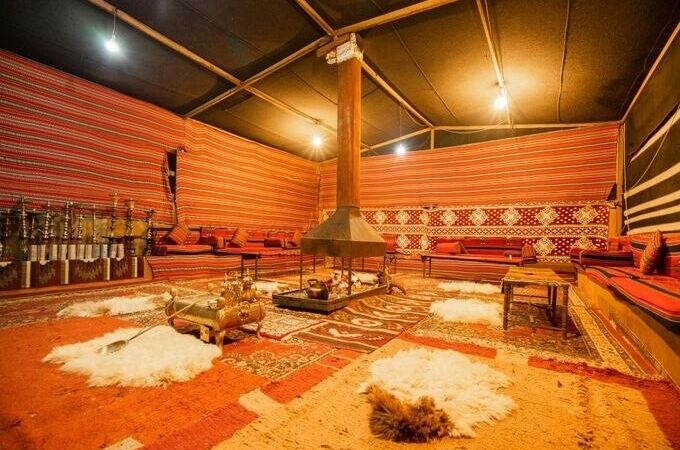
Wadi Rum can make visitors feel far removed from urban routines, but Ramadan remains part of daily life for people observing it there.
If your experience includes local hosts, drivers or camp staff, some may be fasting while carrying out their work. Meal arrangements for guests can still be provided according to the services of the camp or tour, while the evening meal may take on additional significance for staff and local families.
Again, do not assume that every individual follows Ramadan identically.
Religious practice is personal, and travelers do not need to interrogate people about whether they are fasting.
Simply being aware of the possibility changes the way you interpret the day.
That awareness becomes particularly meaningful toward sunset, when the desert evening and the end of the fast can arrive almost simultaneously.
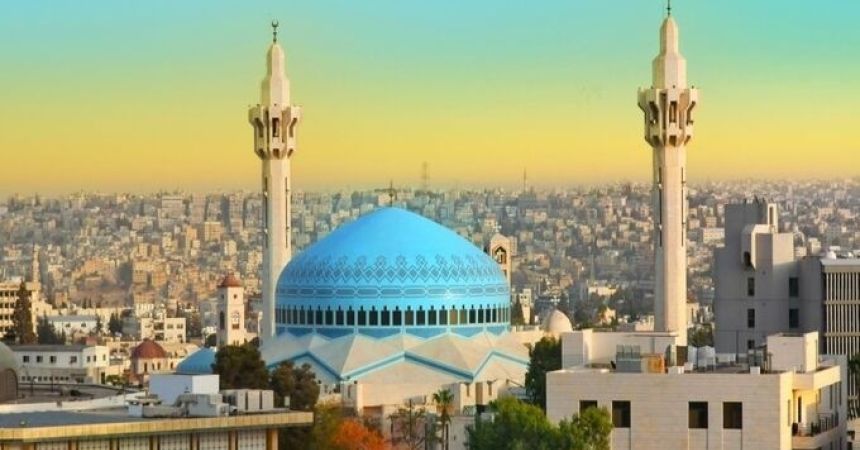
Amman Can Feel Like Two Different Cities in the Same Day
Ramadan's changing rhythm is particularly noticeable in a large city because there are enough restaurants, shops, roads and neighborhoods for the contrast between daytime and evening to become visible.
During parts of the day, some areas may feel quieter than visitors expected, particularly around businesses whose normal activity is closely connected with eating and drinking. As sunset approaches, preparation for iftar introduces another kind of movement, after which evening social life can become considerably more energetic.
For a traveler, this creates an opportunity rather than merely a logistical issue.
Instead of judging Amman exclusively by what it feels like at noon, experience part of the city after iftar as well. The difference helps explain Ramadan far better than reading a list of religious customs.
You are watching the city's clock change.
That is something a normal sightseeing itinerary cannot manufacture.
Ramadan Evenings Can Run Later Than Your Energy Does
Visitors sometimes become enthusiastic after discovering how lively evenings can feel and decide that every night should continue late.
The problem arrives the following morning when the sightseeing itinerary has not changed its departure time.
Ramadan can create a travel rhythm where evenings become socially attractive just as the visitor's normal schedule says it is time to sleep. Restaurants are active, families are out, shops may be busy and the atmosphere encourages you to stay longer.
Enjoy that difference, but remember what you have planned tomorrow.
A late evening followed by an early Petra departure is still a late evening followed by an early Petra departure, regardless of how culturally interesting the reason was.
Choosing two or three evenings to experience more fully can be more enjoyable than attempting to participate in the late-night rhythm every day while maintaining an intensive daytime itinerary.
Cultural immersion is considerably less romantic when everyone is exhausted.
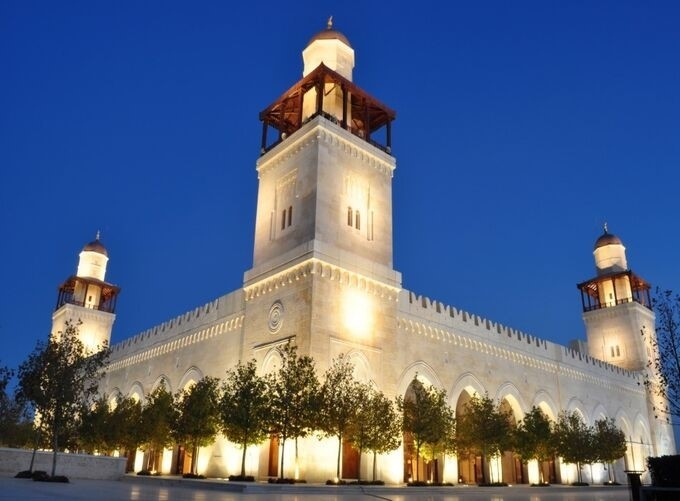
Ramadan Is Not Experienced Identically Everywhere in Jordan
A large international hotel in Amman, a small local business, a resort environment and a community elsewhere in Jordan may handle the month differently.
This is why rigid travel advice fails so easily.
The experience can also vary according to the people you encounter. Some individuals observe the fast strictly, others may not fast for personal, religious or health-related reasons, while non-Muslim Jordanians naturally have their own routines.
Visitors should resist the temptation to turn Ramadan into a set of assumptions about everybody around them.
A country is not a single household.
When practical information matters, ask about the specific hotel, restaurant, attraction or service you intend to use rather than relying on a statement about what “Jordan does during Ramadan.”
Specific questions produce much better travel plans than cultural generalizations.
Modest Clothing Does Not Suddenly Begin on the First Day of Ramadan
Travel advice about Ramadan sometimes creates the impression that visitors need an entirely new wardrobe during the month.
That exaggerates the situation.
Respectful clothing is already a sensible approach when traveling through Jordan, particularly when entering religious places or more conservative environments. During Ramadan, travelers may choose to be somewhat more conscious of local sensitivities, but there is no need to approach packing as though an entirely different country appears for several weeks.
Context matters more than formulas.
What feels appropriate at a resort swimming pool is not necessarily what you would wear when visiting a mosque, walking through a conservative community or attending an iftar.
Travelers generally manage these differences perfectly well once they stop searching for a single outfit that must somehow be appropriate everywhere.
Respectful travel involves reading the environment.
Clothing is only one part of that.
Alcohol Requires More Planning Than Assumption
Travelers who drink alcohol should be prepared for availability and service arrangements to differ during Ramadan depending on the establishment and applicable rules or policies.
This is another area where old travel reports can create confusion because a visitor's experience at one hotel or restaurant in one year does not necessarily establish what another traveler will encounter later.
If alcohol is important to your holiday, check directly with your hotel or relevant establishment before assuming it will be available in the same way as outside Ramadan.
If it is not particularly important, the easiest approach may simply be to accept whatever arrangements apply during your stay.
Either way, Ramadan is not the ideal period for debating local expectations because they differ from your habits at home.
You are visiting during a culturally significant month.
A little adaptability belongs in the luggage.
Friday and Ramadan Should Not Be Treated as Separate Pieces of the Calendar
Friday already has religious and social significance in Jordan, and during Ramadan the interaction between weekly routines and the fasting month can influence how parts of the day feel.
Travelers should therefore be especially cautious about copying opening hours or assumptions from an ordinary weekday onto a Friday itinerary.
Again, the solution is not to spend hours researching every possible closure.
Identify what your day depends upon.
If you need a particular attraction, shop, restaurant or service at a particular hour, verify it. If the plan is flexible, allow the day to reveal its own rhythm rather than trying to force every business into your preferred timetable.
This principle solves a surprising number of Ramadan travel problems.
Confirm what must happen.
Stay flexible about everything else.
The Final Days of Ramadan Have Their Own Energy
As Ramadan approaches its conclusion, attention increasingly turns toward Eid al-Fitr, the celebration marking the end of the fasting month.
For travelers whose dates overlap this transition, the experience deserves separate consideration because Eid is not simply “the day after Ramadan.”
Family gatherings, shopping, travel patterns, business schedules and public activity can change again, which means assumptions developed during the preceding days may suddenly become less useful.
A restaurant schedule that worked earlier in your trip may change.
Traffic patterns may differ.
A business you intended to visit may operate on a holiday schedule.
If your itinerary crosses from Ramadan into Eid, ask your local operator or hotel specifically about those dates rather than assuming the arrangements for the fasting month continue unchanged.
The calendar has moved into another phase.
Your planning should notice.
A Ramadan Trip Benefits More From Flexibility Than From Extra Sightseeing
When considering Jordan Tours During Ramadan, travelers sometimes focus on whether the standard list of attractions remains intact.
That is understandable but incomplete.
The more useful question is whether the itinerary has enough flexibility to accommodate changed meal times, local working rhythms and the practical realities surrounding sunset without making every adjustment feel like a disruption.
A private journey can be particularly helpful for travelers who prefer control over their daily pace. Private Ramadan Travel in Jordan does not need to mean sightseeing alone or avoiding local life; its practical value lies in being able to respond more easily when a departure, meal or break works better at a slightly different time.
This is also where Flexible Cultural Journeys Through Jordan can provide something that a rigid schedule cannot.
Ramadan is predictable in its broad structure.
Individual days are still lived by real people.
An itinerary should leave enough room for that distinction.
You Do Not Need to Perform Ramadan to Respect It
There is an understandable tendency among thoughtful travelers to worry about doing the wrong thing.
Should I hide my water bottle? Is it rude to mention lunch? Can I drink coffee in the hotel? Should I avoid eating altogether until sunset?
Respect does not require visitors to pretend they are fasting.
It requires awareness that many people around them are.
Use appropriate discretion in public settings, follow local guidance where particular expectations apply, dress sensibly, understand why food-related businesses may operate differently and remember that the person working with you may be experiencing the day differently from you.
Then continue traveling.
Overthinking every ordinary action can create unnecessary distance between visitors and the people they are trying so hard to respect.
Courtesy should make interaction easier, not more awkward.
Ramadan Can Show You a Jordan You Would Not See in Another Month
A trip during Ramadan will involve small inconveniences for some travelers.
A preferred lunch restaurant may not be available when expected. Business hours can require checking. The period around sunset may need more careful scheduling, and somebody accustomed to eating whenever and wherever they choose may need to become slightly more organized.
In return, you encounter a daily rhythm that does not exist throughout the rest of the year.
You see the anticipation before sunset, understand why the first meal matters, notice how daytime and evening occupy different social roles and perhaps begin recognizing the fasting experience of the people guiding, driving or serving you.
None of this makes Ramadan objectively the best time to visit Jordan.
That is the wrong comparison.
If your journey happens to fall during Ramadan, the month becomes part of the country you came to experience. Once you stop trying to make every day behave exactly as it would outside Ramadan, many of the differences stop looking like restrictions.
Jordan has not stopped for your holiday.
Nor has it stopped because of Ramadan.
It has simply changed its rhythm, and traveling well means learning to hear it.
12 Questions Travelers Ask About Visiting Jordan During Ramadan
1. Can tourists eat during daylight hours in Jordan during Ramadan?
International visitors are not generally expected to fast simply because they are traveling during Ramadan, although eating openly in public may be culturally insensitive or subject to local expectations. Hotels and tourism-oriented establishments can provide daytime food options, so ask locally and use discretion rather than treating the issue as an all-or-nothing rule.
2. Will my hotel still serve breakfast if most people are fasting?
Hotels catering to international travelers commonly make arrangements for guests who are not fasting, although the exact service depends on the property. If breakfast is particularly important to your routine, confirm the hotel's Ramadan arrangements rather than assuming that every property follows an identical policy.
3. Should I avoid drinking water in front of my guide if they are fasting?
You should not compromise your hydration, particularly during strenuous sightseeing or warm weather, but discretion is considerate. If you need water, drink it without turning the moment into an extended food or drink break directly in front of somebody who has been fasting since before dawn.
4. Does sightseeing become more difficult during Ramadan?
Not necessarily, although meal arrangements, working patterns and attraction schedules may require more attention than usual. Travelers who confirm essential opening times and remain flexible around the period before sunset can generally continue with a substantial sightseeing program without treating Ramadan as a reason to abandon their itinerary.
5. Why can traffic become difficult shortly before iftar?
Many people are trying to finish work, collect food or reach family and friends before the fast ends, which can concentrate movement into the period approaching sunset. If you have an airport transfer or timed appointment, allowing additional margin and following current local advice is sensible.
6. Can a non-Muslim visitor join an iftar?
Yes, when invited or when attending an iftar offered by a hotel or restaurant. A private invitation should be approached as a social and potentially meaningful family occasion, while a commercial iftar operates more like a dining event. In either situation, allowing hosts or local companions to guide the timing is considerate.
7. Will restaurants become extremely crowded after sunset?
Some restaurants and dining areas can become busy around iftar and later in the evening, although this varies by location and establishment. If you specifically want to eat at a popular restaurant at a particular time, advance planning can be useful rather than assuming that the quieter daytime atmosphere will continue after sunset.
8. What happens if my Jordan trip ends just as Ramadan finishes?
Your journey may overlap with Eid al-Fitr, when family gatherings, holiday schedules, shopping patterns and traffic can change again. Ask specifically about your Eid dates because arrangements that applied during the fasting month should not automatically be assumed to continue once Ramadan has ended.
9. Can I still visit Petra during Ramadan?
Ramadan does not inherently prevent a visit to Petra, although travelers should verify current official opening arrangements for their dates rather than relying on previous years. Planning food, water and transportation thoughtfully can also make the day easier, especially when people working around the site may themselves be fasting.
10. Is it rude to ask my guide whether they are fasting?
A respectful conversation about Ramadan is not inherently inappropriate, particularly if the subject arises naturally, but there is no need to investigate somebody's personal religious practice. Whether an individual fasts can depend on many personal circumstances, and good travel etiquette allows people to share as much or as little as they wish.
11. Will I miss the real Jordan because businesses operate differently during Ramadan?
You will experience Jordan differently, not necessarily less authentically. Ramadan is itself part of Jordanian social and religious life, so altered schedules and the changing rhythm around sunset are not interruptions to the culture you came to see; during that month, they are part of it.
12. Is Ramadan a difficult period for a first visit to Jordan?
It can require slightly more flexibility around meals, opening hours and sunset, but first-time visitors who understand those changes can still have a rewarding journey. The advantage is experiencing a culturally significant period firsthand, while the trade-off is accepting that some daily routines will not operate exactly as they would during another month.

A travel professional specializing in tailor-made travel planning, guest experience management, and multi-destination tourism operations.
With over 23 years of experience in the travel industry, he designs and manages private and cultural tours for international travelers across Türkiye, Greece, Egypt, Jordan, Morocco, and other destinations.
He has strong expertise in both online and face-to-face guest communication, sales processes, and end-to-end travel operations.
Working closely with hotels, travel agencies, and local partners, he ensures smooth coordination and high-quality travel experiences at every stage of the journey.
His focus is on delivering personalized, reliable, and seamless travel experiences for international guests worldwide.