Morocco Weather in January: Winter Sun, Snow & City Temperatures
Last Updated: August 9, 2026
January has a habit of surprising people in Morocco.
The surprise usually begins with the suitcase.
Someone sees photographs of Marrakech under blue skies, checks a daytime forecast that looks pleasantly mild and packs as though they are heading somewhere permanently warm. Then evening arrives, the sun disappears behind the rooftops, and dinner in the riad courtyard suddenly requires the jacket that nearly stayed at home.
Travel farther and January becomes even harder to describe with one weather label.
The High Atlas can be unmistakably wintry, with snow at elevation. Cross towards the Sahara and clear desert sunshine may feel wonderfully comfortable during the day, only for temperatures to fall sharply after sunset. Meanwhile, the Atlantic coast follows another rhythm altogether.
This is not a weakness of January.
It is what makes the month interesting.
Morocco Doesn't Have One January
Morocco's geography makes national temperature averages particularly unhelpful for travellers.
A January journey might take you from Casablanca to Fes, across the Middle or High Atlas, through valleys on the desert side of the mountains, into Marrakech and eventually towards Essaouira.
You are not experiencing one climate during that route.
You are moving between several.
| Region | January Character | What Travellers Notice |
|---|---|---|
| Marrakech | Mild days, colder evenings | Strong day-to-night change |
| Fes | Cooler northern winter | Layers useful throughout the trip |
| High Atlas | Genuine mountain winter | Snow and changing road conditions |
| Sahara region | Pleasant sunny periods, cold nights | Large temperature contrast |
| Essaouira | Atlantic influence | Wind and milder coastal feel |
| Casablanca | Coastal winter | Variable sun, cloud and rain |
That regional variety should shape the itinerary before it shapes the packing list.
Marrakech Sunshine Can Be Misleading
January can be a lovely time to explore Marrakech precisely because walking through the medina is far easier than during the strongest summer heat.
The city rewards wandering.
You can spend time around the souks without constantly searching for shade, linger over architectural details and allow lunch to stretch longer than planned. Places that feel physically demanding during hotter months become easier to explore at a natural pace.
Yet Marrakech has a winter personality that photographs do not always capture.
The difference becomes clearer after sunset.
A sunny afternoon can encourage lightweight clothing, while the evening sends you back to the riad for another layer. Traditional accommodation can also feel different from a modern hotel, particularly when courtyards and older architectural designs play a major role in the property.
Do not pack for the Marrakech you see at 2 p.m.
Pack for the one you will meet after dinner as well.
Fes Feels More Like the Winter You Expected
If Marrakech can briefly convince you that January is barely winter, Fes often corrects the impression.
The city lies farther north and has its own seasonal character. Cool mornings and evenings are part of the experience, and unsettled weather is more plausible than travellers expecting a desert climate sometimes realise.
This can actually suit Fes remarkably well.
The medina is dense, layered and full of places where slowing down improves the experience. January encourages that slower rhythm. Instead of racing through a checklist, you can move between workshops, historic buildings, food stops and quieter corners of the old city.
Travellers wanting to connect Morocco's imperial cities rather than base the entire journey around Marrakech can explore Morocco cultural circuits, especially when Fes, Rabat or Meknes matter as much as the country's southern landscapes.
January is a good month to let cities take their time.
The Atlas Mountains Are Not a Scenic Backdrop in January
This is where winter becomes serious.
The Atlas Mountains should never be treated as though they simply provide attractive scenery between Marrakech and the desert. At elevation, January can bring snow, ice and winter road conditions.
That has practical consequences.
A route that looks straightforward on a map may need more attention to current conditions. Mountain excursions and trekking require suitable equipment and local knowledge, while road journeys should be planned with up-to-date information rather than assumptions based on conditions in Marrakech.
For some travellers, this is exactly the appeal.
Snow-covered mountains rising beyond a comparatively mild city create one of Morocco's most striking winter contrasts.
But winter mountains deserve winter respect.
If an itinerary crosses the Atlas, flexibility is more valuable than insisting that every stop and departure happen exactly as originally scheduled.
Crossing the Mountains Changes the Country
One of Morocco's most memorable journeys is not a destination at all.
It is the transition from Marrakech across the Atlas towards the landscapes around Ouarzazate and farther towards the Sahara.
January makes that transition especially visible.
The greener or more cultivated landscapes around one side of the route give way gradually to drier terrain. Mountain conditions can feel unmistakably wintry, while the desert-facing valleys begin creating an entirely different impression.
This is why a multi-day journey towards the Sahara is more rewarding than treating the desert as an isolated attraction.
The road explains how Morocco changes.
Travellers interested in seeing that progression can consider Marrakech desert journeys, allowing enough time for the mountains, kasbah landscapes and desert regions to become separate chapters rather than one exhausting drive.
The Sahara is not sitting next door to Marrakech.
The journey towards it matters.
January Is an Excellent Month to Discover Desert Temperature
Many people know intellectually that deserts become cold at night.
Knowing it and experiencing it are different things.
A January afternoon near the Sahara can feel wonderfully inviting when the sun is out. You walk around comfortably, perhaps remove a layer and wonder whether warnings about winter desert conditions were exaggerated.
Then the light disappears.
The temperature can fall quickly, and sitting outside becomes a completely different activity from walking in the afternoon sunshine.
This day-to-night swing is one of January's defining travel experiences.
It also means camp selection deserves more attention.
Ask about bedding.
Ask about heating if this is important to you.
Understand the difference between a traditional camp and accommodation marketed as luxury.
Beautiful photographs of tents under stars tell you very little about how warm you will be at 3 a.m.
Merzouga Is Not the Whole Sahara Story
Morocco's desert tourism is often reduced to one image: dunes near Merzouga.
They are spectacular, but the route into the southeast contains far more than the final sand dunes.
Valleys, palm groves, fortified villages, rocky desert environments and smaller settlements all contribute to the change in landscape.
January gives travellers a reason not to rush through these areas.
Daytime conditions can favour exploration, while the relatively early evening naturally slows the programme after sunset.
Travellers particularly interested in southern Morocco can look at Sahara discovery tours, where the desert is treated as a region rather than a single camel ride followed by breakfast and departure.
The dunes may provide the photograph.
The journey gives the photograph context.
Essaouira Offers Another Version of Winter
Head west from Marrakech and January changes again.
Essaouira's Atlantic setting gives it a completely different character from the interior. The city is known for wind throughout the year, and winter conditions can be variable, but its coastal environment provides a refreshing counterpoint to Morocco's imperial cities and desert landscapes.
January is not necessarily about planning a conventional beach holiday here.
That is precisely why the city can work.
You walk the medina, spend time around the harbour, eat seafood, watch the Atlantic and allow the destination to be coastal without requiring a sun lounger to justify its existence.
For travellers building longer itineraries, Essaouira can also provide an excellent final change of pace after Marrakech or a desert circuit.
Rain Belongs in the January Conversation
Morocco is often marketed through sunshine, desert and blue skies.
January deserves a more realistic description.
Rain is possible, particularly in northern and coastal areas, and conditions vary from year to year. This does not mean planning the holiday around constant bad weather.
It means leaving room for weather to behave like weather.
A rainy period in Fes does not invalidate a Morocco trip. Nor does cloud in Casablanca mean January was a poor choice.
Carry a suitable outer layer and check forecasts as the journey approaches.
More importantly, understand that heavy rain or winter conditions can have consequences for mountain roads and outdoor activities that go beyond getting your clothes wet.
January Packing Works Best in Layers
Packing one heavy winter wardrobe is almost as impractical as packing only summer clothing.
Your suitcase needs to move through climates with you.
For a typical January circuit, useful categories include:
- comfortable daytime clothes that can be layered;
- a warm sweater or fleece;
- a weather-resistant outer layer;
- comfortable closed walking shoes;
- warmer clothing for desert evenings;
- sun protection for clear days;
- clothing suitable for mountain conditions if the itinerary includes higher elevations.
If you are trekking rather than sightseeing, your equipment requirements are different and should be planned according to the route and professional local advice.
The important principle is adaptability.
The jacket that feels excessive in a sunny Marrakech square may become your favourite possession two nights later.
Don't Judge January by Beach-Holiday Logic
January is not Morocco's best month because it guarantees heat.
It does something more interesting.
It allows travellers to experience the country's geography.
Cities become comfortable places to walk. The Atlas announces that Morocco has a genuine winter. The route towards the Sahara moves through landscapes that seem increasingly distant from the mountain environment behind you, and desert evenings reveal how misleading the phrase “warm country” can be.
The Atlantic coast adds yet another version.
That makes January particularly well suited to travellers who want a journey rather than a single climate.
If the goal is guaranteed hot weather from breakfast until dinner, another season or destination may suit better.
If the goal is to see how dramatically Morocco can change within one trip, January has a strong argument.
The month does not give you winter or winter sun.
It gives you both, often within the same itinerary.
January Rewards a Route That Changes Gradually
A good Morocco itinerary has a sense of progression.
You should notice that the architecture changes, food changes, landscapes change and, in January, the weather changes with them.
This is one reason a frantic itinerary built around domestic flights and disconnected overnight stops can feel less satisfying than a well-designed road journey. Morocco's geography is not empty space between Marrakech, Fes and the Sahara. It explains why those places feel so different.
January makes those transitions especially visible.
A traveller beginning in Casablanca or Rabat may experience a cool Atlantic winter. Fes introduces the inland north. Moving south towards Marrakech changes the atmosphere again, before crossing the Atlas completely rearranges the landscape.
Then comes the desert.
Rather than fighting these differences, build the journey around them.
Which January Route Makes the Most Sense?
There is no single correct Morocco circuit, but three broad styles work particularly well depending on how much time you have.
| Trip Length | Sensible Focus | What to Avoid |
|---|---|---|
| 5–6 days | Marrakech + one nearby region | Trying to reach everything |
| 7–9 days | Marrakech + desert circuit or imperial cities | Too many one-night stays |
| 10–14 days | Cities + Atlas + Sahara + coast | Turning every transfer into a race |
This matters more in January because short daylight hours and changing conditions can make an overloaded route feel even more rushed.
A seven-day trip does not need Casablanca, Chefchaouen, Fes, Marrakech, Merzouga and Essaouira.
Technically connecting the dots is not the same as travelling well.
Five or Six Days: Choose One Morocco
A short January trip benefits from commitment.
If Marrakech is the priority, stay there long enough to understand the city and add one carefully chosen extension. Depending on interests and current conditions, that might mean the Atlas foothills, Essaouira or another nearby experience.
What should you not do?
Spend half the holiday inside vehicles because the Sahara looked close on a small map.
Morocco is larger than many first-time visitors expect, and road journeys can be substantial. Reaching the desert only makes sense when enough time remains to enjoy the route and destination rather than immediately beginning the return journey.
With five days, depth usually beats distance.
Seven to Nine Days: The Desert Starts Making Sense
Once you have a little more time, southern Morocco becomes easier to include without damaging the rest of the itinerary.
A route might begin with several nights in Marrakech before crossing the Atlas and continuing through the southeast towards the desert. The return can then follow a different rhythm depending on available time.
The important point is not the exact number of stops.
It is avoiding the habit of sleeping somewhere new every night.
January evenings naturally encourage a slower pace. After sunset, particularly around the desert, there is less incentive to keep adding sightseeing simply because daylight remains.
Use that.
Arrive somewhere early enough to notice it.
Have dinner without discussing tomorrow's departure every fifteen minutes.
Travel can continue in the morning.
Ten Days or More: Morocco's Contrasts Become the Itinerary
Longer January trips unlock something that shorter visits cannot reproduce.
You can experience Morocco as a sequence of regions rather than a collection of highlights.
A journey might move from Casablanca or Rabat towards Fes, continue south, reach Marrakech, cross the Atlas and eventually arrive in the Sahara. Another version may finish on the Atlantic coast.
The attraction is not simply seeing more places.
It is understanding their relationship.
Fes feels different after Rabat.
Marrakech feels different after Fes.
The Sahara becomes more powerful after crossing the Atlas than it would if you could somehow teleport directly to the dunes.
Essaouira feels especially refreshing after days of inland travel.
Longer itineraries give these contrasts time to register.
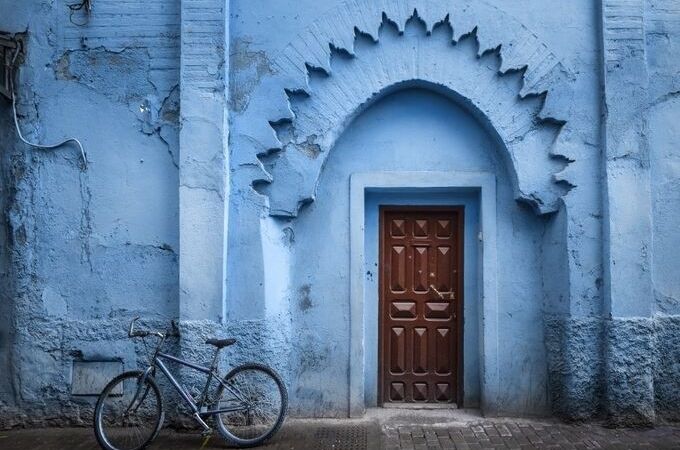
Chefchaouen Is Beautiful, but Geography Still Exists
Chefchaouen creates a particular planning temptation.
Travellers see photographs of its blue streets and immediately add it to an itinerary centred on Marrakech and the Sahara.
The problem is not whether Chefchaouen is worth visiting.
It is.
The problem is whether it belongs in your particular trip.
Northern Morocco requires time. Chefchaouen combines naturally with places such as Tangier, Tetouan, Rabat or Fes more easily than with a short southern circuit.
January makes this even more important because road time consumes daylight that could otherwise be used for exploring.
If your holiday is long enough, include the north properly.
If it is not, save something for the next visit.
Morocco will not disappear because you failed to cover it in nine days.
Don't Build the Trip Around a Single Desert Night
One of the weakest itinerary patterns is the heroic desert dash.
Leave Marrakech.
Drive for most of the day.
Sleep somewhere.
Drive again.
Reach the dunes.
Take photographs.
Sleep.
Begin the long journey back.
The traveller technically visited the Sahara.
The road consumed the holiday.
A desert journey works better when the southeast is allowed to become part of the experience. Kasbah landscapes, valleys, small settlements and the changing terrain between the Atlas and the desert explain where you are going.
January is especially suited to this slower approach because daytime exploration can be pleasant while evenings encourage the journey to settle naturally.
The desert should be the culmination of the route.
Not the excuse for enduring it.
Where Should You Put the Relaxing Days?
Not at the beginning.
At least, not usually.
January circuits often improve when slower time appears after the most travel-intensive section.
If the itinerary includes Fes, Marrakech, an Atlas crossing and the Sahara, placing a quieter coastal stay or additional Marrakech night near the end gives the journey somewhere to exhale.
Essaouira is particularly useful for this because its rhythm is different.
There is less pressure to build a full sightseeing schedule. A walk through the medina, time around the harbour and a long meal can occupy the day without feeling like unfinished tourism.
The trip changes gear.
That is more valuable after a desert circuit than before one.
One-Night Stays Add Up Faster Than You Think
Changing hotels sounds harmless when viewed one day at a time.
Check out.
Drive.
Sightsee.
Check in.
Repeat.
By the fourth or fifth time, luggage begins to feel like another member of the group.
January makes excessive hotel changes particularly noticeable because evenings are shorter and often cooler. Arriving somewhere after dark, checking in, eating and packing again the next morning gives you very little relationship with the destination.
Sometimes a one-night stop is unavoidable.
The problem is when the entire itinerary becomes a chain of them.
Two nights do not merely provide another sleeping period.
They give you one morning when the suitcase stays closed.
That can transform the pace of the trip.
Build Around Experiences, Not Map Coverage
The most useful question when designing a January Morocco route is not:
“How many places can we fit?”
Ask instead:
“What do we want the journey to feel like?”
If food, architecture and urban culture dominate your interests, give Fes and Marrakech more time.
If landscapes matter most, allow the Atlas and southeast to develop properly.
If the desert is the dream, protect enough days to reach it without turning the route into an endurance test.
If you want a slower final chapter, keep the Atlantic coast in reserve.
January supports all of these versions.
It does not support all of them equally well inside the same short holiday.
Winter Makes Good Itinerary Editing Obvious
There is an advantage to January's limitations.
They expose bad planning.
A route with too many stops becomes obviously tiring when daylight is shorter. A rushed Sahara excursion feels particularly unnecessary when the landscapes between Marrakech and the dunes deserve attention themselves. An itinerary that treats every city as a one-night stop quickly becomes more about luggage than Morocco.
That pressure can improve the final journey.
Remove the destination that requires an unreasonable detour.
Add the night where you currently arrive late and leave early.
Give the desert enough time to justify going there.
Let the Atlantic coast be slow.
A January itinerary does not need to be cautious.
It needs to know what it is trying to do.
January Rewards a Route That Changes Gradually
A good Morocco itinerary has a sense of progression.
You should notice that the architecture changes, food changes, landscapes change and, in January, the weather changes with them.
This is one reason a frantic itinerary built around domestic flights and disconnected overnight stops can feel less satisfying than a well-designed road journey. Morocco's geography is not empty space between Marrakech, Fes and the Sahara. It explains why those places feel so different.
January makes those transitions especially visible.
A traveller beginning in Casablanca or Rabat may experience a cool Atlantic winter. Fes introduces the inland north. Moving south towards Marrakech changes the atmosphere again, before crossing the Atlas completely rearranges the landscape.
Then comes the desert.
Rather than fighting these differences, build the journey around them.
Which January Route Makes the Most Sense?
There is no single correct Morocco circuit, but three broad styles work particularly well depending on how much time you have.
| Trip Length | Sensible Focus | What to Avoid |
|---|---|---|
| 5–6 days | Marrakech + one nearby region | Trying to reach everything |
| 7–9 days | Marrakech + desert circuit or imperial cities | Too many one-night stays |
| 10–14 days | Cities + Atlas + Sahara + coast | Turning every transfer into a race |
This matters more in January because short daylight hours and changing conditions can make an overloaded route feel even more rushed.
A seven-day trip does not need Casablanca, Chefchaouen, Fes, Marrakech, Merzouga and Essaouira.
Technically connecting the dots is not the same as travelling well.
Five or Six Days: Choose One Morocco
A short January trip benefits from commitment.
If Marrakech is the priority, stay there long enough to understand the city and add one carefully chosen extension. Depending on interests and current conditions, that might mean the Atlas foothills, Essaouira or another nearby experience.
What should you not do?
Spend half the holiday inside vehicles because the Sahara looked close on a small map.
Morocco is larger than many first-time visitors expect, and road journeys can be substantial. Reaching the desert only makes sense when enough time remains to enjoy the route and destination rather than immediately beginning the return journey.
With five days, depth usually beats distance.
Seven to Nine Days: The Desert Starts Making Sense
Once you have a little more time, southern Morocco becomes easier to include without damaging the rest of the itinerary.
A route might begin with several nights in Marrakech before crossing the Atlas and continuing through the southeast towards the desert. The return can then follow a different rhythm depending on available time.
The important point is not the exact number of stops.
It is avoiding the habit of sleeping somewhere new every night.
January evenings naturally encourage a slower pace. After sunset, particularly around the desert, there is less incentive to keep adding sightseeing simply because daylight remains.
Use that.
Arrive somewhere early enough to notice it.
Have dinner without discussing tomorrow's departure every fifteen minutes.
Travel can continue in the morning.
Ten Days or More: Morocco's Contrasts Become the Itinerary
Longer January trips unlock something that shorter visits cannot reproduce.
You can experience Morocco as a sequence of regions rather than a collection of highlights.
A journey might move from Casablanca or Rabat towards Fes, continue south, reach Marrakech, cross the Atlas and eventually arrive in the Sahara. Another version may finish on the Atlantic coast.
The attraction is not simply seeing more places.
It is understanding their relationship.
Fes feels different after Rabat.
Marrakech feels different after Fes.
The Sahara becomes more powerful after crossing the Atlas than it would if you could somehow teleport directly to the dunes.
Essaouira feels especially refreshing after days of inland travel.
Longer itineraries give these contrasts time to register.
Chefchaouen Is Beautiful, but Geography Still Exists
Chefchaouen creates a particular planning temptation.
Travellers see photographs of its blue streets and immediately add it to an itinerary centred on Marrakech and the Sahara.
The problem is not whether Chefchaouen is worth visiting.
It is.
The problem is whether it belongs in your particular trip.
Northern Morocco requires time. Chefchaouen combines naturally with places such as Tangier, Tetouan, Rabat or Fes more easily than with a short southern circuit.
January makes this even more important because road time consumes daylight that could otherwise be used for exploring.
If your holiday is long enough, include the north properly.
If it is not, save something for the next visit.
Morocco will not disappear because you failed to cover it in nine days.
Don't Build the Trip Around a Single Desert Night
One of the weakest itinerary patterns is the heroic desert dash.
Leave Marrakech.
Drive for most of the day.
Sleep somewhere.
Drive again.
Reach the dunes.
Take photographs.
Sleep.
Begin the long journey back.
The traveller technically visited the Sahara.
The road consumed the holiday.
A desert journey works better when the southeast is allowed to become part of the experience. Kasbah landscapes, valleys, small settlements and the changing terrain between the Atlas and the desert explain where you are going.
January is especially suited to this slower approach because daytime exploration can be pleasant while evenings encourage the journey to settle naturally.
The desert should be the culmination of the route.
Not the excuse for enduring it.
Where Should You Put the Relaxing Days?
Not at the beginning.
At least, not usually.
January circuits often improve when slower time appears after the most travel-intensive section.
If the itinerary includes Fes, Marrakech, an Atlas crossing and the Sahara, placing a quieter coastal stay or additional Marrakech night near the end gives the journey somewhere to exhale.
Essaouira is particularly useful for this because its rhythm is different.
There is less pressure to build a full sightseeing schedule. A walk through the medina, time around the harbour and a long meal can occupy the day without feeling like unfinished tourism.
The trip changes gear.
That is more valuable after a desert circuit than before one.
One-Night Stays Add Up Faster Than You Think
Changing hotels sounds harmless when viewed one day at a time.
Check out.
Drive.
Sightsee.
Check in.
Repeat.
By the fourth or fifth time, luggage begins to feel like another member of the group.
January makes excessive hotel changes particularly noticeable because evenings are shorter and often cooler. Arriving somewhere after dark, checking in, eating and packing again the next morning gives you very little relationship with the destination.
Sometimes a one-night stop is unavoidable.
The problem is when the entire itinerary becomes a chain of them.
Two nights do not merely provide another sleeping period.
They give you one morning when the suitcase stays closed.
That can transform the pace of the trip.
Build Around Experiences, Not Map Coverage
The most useful question when designing a January Morocco route is not:
“How many places can we fit?”
Ask instead:
“What do we want the journey to feel like?”
If food, architecture and urban culture dominate your interests, give Fes and Marrakech more time.
If landscapes matter most, allow the Atlas and southeast to develop properly.
If the desert is the dream, protect enough days to reach it without turning the route into an endurance test.
If you want a slower final chapter, keep the Atlantic coast in reserve.
January supports all of these versions.
It does not support all of them equally well inside the same short holiday.
Winter Makes Good Itinerary Editing Obvious
There is an advantage to January's limitations.
They expose bad planning.
A route with too many stops becomes obviously tiring when daylight is shorter. A rushed Sahara excursion feels particularly unnecessary when the landscapes between Marrakech and the dunes deserve attention themselves. An itinerary that treats every city as a one-night stop quickly becomes more about luggage than Morocco.
That pressure can improve the final journey.
Remove the destination that requires an unreasonable detour.
Add the night where you currently arrive late and leave early.
Give the desert enough time to justify going there.
Let the Atlantic coast be slow.
A January itinerary does not need to be cautious.
It needs to know what it is trying to do.
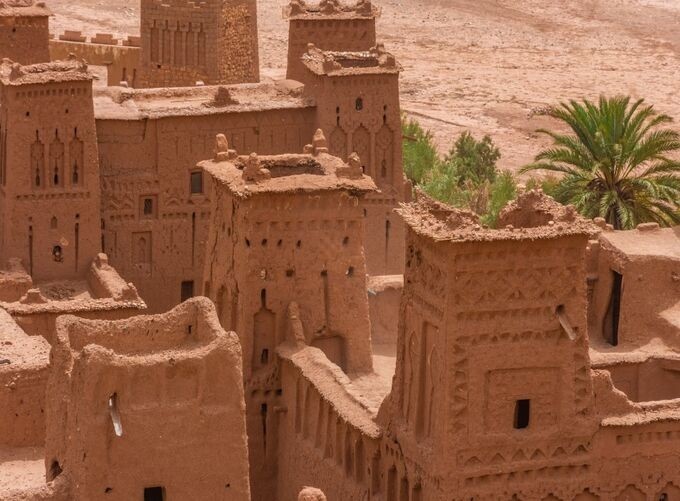
January Weather Changes Where You Sleep, Not Just What You Wear
January planning usually begins with clothing.
Accommodation deserves almost as much attention.
A beautiful riad courtyard, mountain guesthouse or desert camp may look perfect when you book it months in advance, yet winter changes how those spaces are experienced. Morocco's traditional architecture was not designed to behave exactly like a modern international hotel, and heating standards can vary considerably.
This does not make winter accommodation uncomfortable by definition.
It means the right questions are different.
| Stay | January Advantage | What to Check |
|---|---|---|
| Marrakech riad | Atmospheric winter city stay | Room heating |
| Fes riad | Excellent medina experience | Heating and indoor common areas |
| Atlas guesthouse | Mountain scenery | Winter access and heating |
| Desert camp | Clear-night atmosphere | Bedding and heating arrangements |
| Essaouira hotel | Relaxed coastal base | Wind exposure and room comfort |
A January room should be chosen for more than its photographs.
Riads Feel Different From Conventional Hotels
Staying in a riad can become one of the most memorable parts of Morocco.
The architecture turns inward around a courtyard, creating an intimate atmosphere that suits Marrakech and Fes beautifully. In January, however, courtyards can also mean that moving between parts of the property involves passing through cooler spaces.
Room heating therefore matters.
Do not assume that an elegant historic building provides the same temperature control as a modern hotel. Standards differ widely, from highly renovated luxury properties to simpler traditional accommodation.
Read recent reviews and, when necessary, ask directly about heating.
The answer may matter more in January than whether the rooftop has the perfect breakfast photograph.
Breakfast Moves With the Season
That rooftop terrace looked irresistible when you booked.
At 8 a.m. on a cold January morning, the indoor dining room may suddenly look better.
This is one of the pleasant realities of winter Morocco.
The experience adjusts.
Breakfast may move inside. Coffee lasts longer. You may wait for the morning to warm slightly before beginning an unhurried city day.
There is no reason to force summer habits onto a winter trip simply because the terrace exists.
When the sun appears later, the rooftop will still be there.
Desert Camp Comfort Deserves Specific Questions
The Sahara requires more careful accommodation planning.
“Luxury camp” is a broad marketing description rather than a universal standard. Two properties using the same term may provide very different winter facilities.
Before booking a January desert stay, check:
- whether tents have heating;
- what type of bedding is provided;
- whether bathrooms are private or shared;
- whether hot water is reliably available;
- how much of dinner and evening activity happens outdoors.
You may decide that heating is essential.
Another traveller may happily choose a simpler traditional camp because atmosphere matters more than hotel-style comfort.
Both choices are reasonable.
Making the decision without knowing what you booked is not.
Road Journeys Need Winter Flexibility
Accommodation and transportation are closely connected in January.
Crossing the Atlas towards southern Morocco can be one of the highlights of the journey, but winter mountain conditions occasionally affect travel times and routes.
That makes tightly chained arrival schedules less attractive.
If today's drive must finish at exactly 4:00 p.m. because another activity begins immediately afterwards, the itinerary has very little tolerance for delays.
A better winter route leaves some breathing room around mountain crossings.
Current road and weather conditions should always take priority over the original timetable.
Evening Morocco Becomes Part of the Experience
Shorter January days do not necessarily make the holiday feel shorter.
They change where the experience happens.
The medina quietens differently after dark. Dinner becomes less of a pause between activities and more of the evening itself. Riads encourage travellers to slow down, while a desert camp moves naturally from sunset towards food, conversation and the night sky.
This can be one of January's unexpected pleasures.
You stop trying to extend sightseeing indefinitely.
The day ends.
The journey does not.
Winter Comfort Is Mostly About Knowing What You're Booking
January does not require luxury accommodation at every stop.
It requires appropriate accommodation.
A modest riad with effective heating may provide a better winter stay than a more photogenic property where the room never feels comfortable. A traditional desert camp may be exactly what an adventurous traveller wants, while someone sensitive to cold may value stronger heating and better insulation.
Neither traveller is experiencing Morocco more authentically.
They simply have different definitions of comfort.
January works best when those expectations are decided before arrival rather than discovered at midnight in the desert.
December vs January vs February: When Does January Make More Sense?
Morocco's winter months aynı başlık altında toplanabilse de seyahat deneyimleri tamamen aynı değildir. December yıl sonu seyahatleri ve erken kış karakteriyle öne çıkarken, January kışın bölgesel farklılıklarını en açık şekilde hissettiren dönemlerden biridir. February ise mevsimin yavaş yavaş değişmeye başladığı farklı bir geçiş noktasıdır.
| December | January | February | |
|---|---|---|---|
| Main Character | Early winter travel | Strong regional winter contrasts | Late-winter transition |
| Marrakech | Mild winter city break | Sunny days, cool evenings | Gradual seasonal change |
| Atlas Mountains | Winter conditions develop | Strong mountain-winter identity | Winter remains at elevation |
| Sahara | Cold desert nights | Strong day-night contrast | Conditions begin evolving |
| Atlantic Coast | Mild coastal option | Alternative winter climate | Early signs of seasonal shift |
| Best For | Festive winter trips | Multi-region circuits | Travellers approaching spring |
January therefore makes particular sense when you want Morocco's geography to become part of the journey rather than searching for identical weather from beginning to end.
Frequently Asked Questions About Morocco in January
Is January a good time to visit Morocco?
Yes, particularly for cultural sightseeing, city exploration and desert circuits. Marrakech and Fes are generally easier to explore on foot than during intense summer heat, while the Sahara can offer comfortable sunny periods. Travellers should nevertheless prepare for cold evenings, mountain winter conditions and regional weather differences.
Is Marrakech warm in January?
Marrakech can have pleasantly mild and sunny daytime periods, but January should not be treated as guaranteed warm-weather travel. Mornings and evenings may feel considerably cooler, so clothing that can be layered throughout the day is more practical than packing exclusively for either winter or sunshine.
Is the Sahara Desert cold in January?
The difference between daytime and nighttime conditions can be substantial. Sunshine may make daytime desert exploration feel comfortable, while temperatures can fall sharply after sunset. Anyone staying overnight should check camp heating, bedding and facilities in advance rather than judging desert conditions from daytime forecasts.
Does it snow in Morocco in January?
Snow is possible and common at higher elevations in Morocco's mountain regions, particularly in the Atlas. Conditions vary according to altitude and weather patterns, so travellers planning mountain excursions, trekking or road crossings should check current information and use experienced local guidance where appropriate.
Can I cross the Atlas Mountains in January?
Major routes may operate normally during much of winter, but snow, ice or severe weather can occasionally affect mountain travel. Conditions should be checked close to the actual journey, and itineraries should contain enough flexibility to accommodate delays or route changes when necessary.
Does it rain in Morocco during January?
Rain is possible, with regional differences across the country. Northern and Atlantic areas may experience more unsettled periods than travellers expecting a uniformly dry destination realise. January is not necessarily dominated by rain, but carrying a weather-resistant layer and checking local forecasts is sensible.
Is Essaouira worth visiting in January?
Yes, especially if you enjoy coastal atmosphere rather than expecting a conventional hot beach holiday. The medina, harbour, seafood and Atlantic scenery remain central to the experience, while wind and variable winter weather give Essaouira a noticeably different character from inland Marrakech.
What should I wear in Morocco in January?
Layering is the most practical approach because conditions can change significantly between regions and between daytime and evening. Comfortable walking clothes, closed shoes, a warm layer and a weather-resistant outer layer are useful, with additional warmth required for mountain areas and desert nights.
Can I stay in a desert camp in January?
Yes, and January can provide memorable Sahara experiences, but camp facilities vary considerably. Before booking, check the type of accommodation, heating arrangements, bedding, bathrooms and hot water, particularly if you are sensitive to cold or expect hotel-style comfort.
Is January suitable for a Morocco road trip?
January can be excellent for a multi-region journey because cooler daytime conditions make cultural touring and desert exploration appealing. However, routes crossing mountain areas require greater weather awareness, while excessive one-night stays should be avoided because shorter days can make rushed itineraries particularly tiring.

A travel professional specializing in tailor-made travel planning, guest experience management, and multi-destination tourism operations.
With over 23 years of experience in the travel industry, he designs and manages private and cultural tours for international travelers across Türkiye, Greece, Egypt, Jordan, Morocco, and other destinations.
He has strong expertise in both online and face-to-face guest communication, sales processes, and end-to-end travel operations.
Working closely with hotels, travel agencies, and local partners, he ensures smooth coordination and high-quality travel experiences at every stage of the journey.
His focus is on delivering personalized, reliable, and seamless travel experiences for international guests worldwide.