
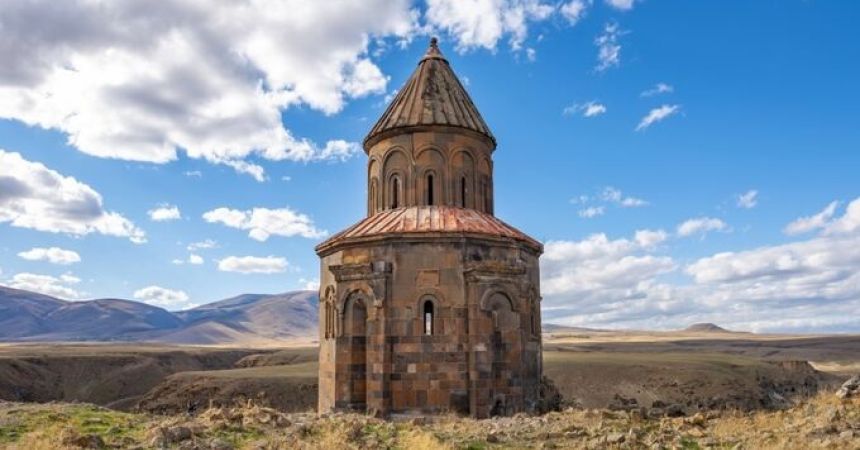
Legacy of Ertugrul: Life, Family, and Historical Achievements
Ertuğrul Gazi is one of the most influential yet often overlooked figures in world history. As the father of Osman I, the founder of the Ottoman Empire, Ertuğrul laid the political, cultural, and moral foundations that would shape one of the longest-lasting empires in history.
Today, his legacy attracts historians, culture enthusiasts, and travelers interested in exploring Turkey’s deep past through meaningful travel, historical sightseeing, and heritage-focused holiday experiences. Many Turkey Tours packages now include destinations connected to Ertuğrul’s life, offering visitors a chance to walk through the early roots of Ottoman civilization.
Who Was Ertugrul Gazi?
Ertuğrul Gazi was a 13th-century leader of the Kayı tribe, part of the Oghuz Turks who migrated westward from Central Asia into Anatolia. Living during a time of political instability caused by Mongol invasions and regional conflicts, Ertuğrul emerged as a respected warrior, tribal chief, and diplomat.
Although he never ruled an empire himself, his leadership created the stable environment that allowed his son Osman to establish what would become the Ottoman state. Without Ertuğrul’s guidance, alliances, and territorial foundations, Ottoman history may never have begun.
Ertugrul’s Role in the Birth of the Ottoman State
Ertuğrul pledged loyalty to the Seljuk Sultanate of Rum and was rewarded with land near Söğüt and Domaniç in northwestern Anatolia. This strategic region became the heartland of early Ottoman expansion.
His policies focused on:
- Protecting trade routes
- Defending Muslim communities
- Establishing justice among tribes
- Encouraging unity and discipline
These principles were later adopted and expanded by his son Osman, shaping the governance style of the Ottoman Empire for centuries.
Leadership Values That Defined His Legacy
Ertuğrul’s legacy is not limited to territorial achievements. His character became a model for future Ottoman rulers.
Key values associated with Ertuğrul include:
- Justice and fairness
- Loyalty to alliances
- Respect for different cultures
- Religious tolerance
- Strategic diplomacy
These qualities contributed to long-term stability and attracted support from neighboring communities, accelerating Ottoman growth.
Sogut and Domanic: Where History Began
Söğüt, located in modern-day Bilecik Province, is considered the symbolic birthplace of the Ottoman state. It served as Ertuğrul’s winter capital, while Domaniç functioned as the summer settlement.
Today, these towns are important cultural heritage sites and increasingly popular for historical sightseeing tours in Turkey. Visitors can explore:
- Ertuğrul Gazi’s tomb
- Ottoman memorial monuments
- Traditional festivals celebrating early Ottoman culture
These destinations are now included in specialized cultural travel packages designed for history lovers.
Ertugrul in Modern Culture and Media
In recent years, Ertuğrul has gained global recognition through the popular television series Diriliş: Ertuğrul. The show introduced millions worldwide to his life, values, and struggles.
This renewed interest has significantly boosted heritage tourism in Turkey. Travelers often seek themed tours connected to filming locations and historical landmarks, combining entertainment with authentic cultural sightseeing experiences during their vacation.
The Influence of Ertugrul on Ottoman Identity
The Ottoman rulers consistently honored Ertuğrul as the spiritual founder of their dynasty. Annual commemorations were held in Söğüt, and his name was respected across generations.
Ottoman identity emphasized:
- Strong leadership
- Moral responsibility
- Protection of the weak
- Respect for law
These ideals were rooted in Ertuğrul’s leadership philosophy and later formalized into Ottoman state traditions.
Why Ertugrul’s Legacy Matters Today
Ertuğrul represents the idea that empires are not built only by conquest, but by character, wisdom, and long-term vision. His story resonates with modern audiences seeking meaningful historical narratives beyond battlefield victories.
For travelers, exploring Ertugrul’s legacy offers:
- Deeper understanding of Turkish history
- Unique cultural sightseeing opportunities
- Educational travel experiences
- Enrichment beyond standard holiday destinations
Many tour operators now design heritage-based vacation packages that focus on early Ottoman history, including Ertuğrul-related sites.
Visiting Ertugrul’s Heritage Sites in Turkey
Travelers interested in Ertuğrul’s history can include the following destinations:
- Sogutt – Tomb and annual Ertuğrul commemorations
- Bilecik – Early Ottoman cultural landmarks
- Bursa – First Ottoman capital after Osman
- Istanbul – Later Ottoman imperial center
These locations are often combined into themed historical travel itineraries.
Combining History with Modern Travel Experiences
Modern Turkey offers the perfect blend of ancient heritage and contemporary comfort. Visitors exploring Ertuğrul’s legacy can also enjoy:
- Istanbul sightseeing tours
- Cappadocia landscapes
- Aegean coast holidays
- Traditional Turkish cuisine
This balance makes Turkey ideal for culturally rich vacations supported by well-organized Istanbul travel packages.
Conclusion: A Legacy Beyond Borders
Ertuğrul Gazi may not have founded an empire himself, but his leadership shaped the destiny of nations. His influence continues to be felt in Turkish identity, Ottoman history, and global cultural awareness.
For travelers seeking meaningful journeys, his legacy offers far more than monuments—it provides insight into the values that shaped centuries of civilization. Exploring his story through historical sightseeing and heritage-focused travel creates a powerful and unforgettable Turkey holiday experience.

FAQs – Historical Legacy of Ertugrul
- Who was Ertugrul Gazi?
Ertuğrul Gazi was a 13th-century Turkish tribal leader and father of Osman I, founder of the Ottoman Empire. - Where did Ertugrul live?
He lived mainly in Sogut and Domanic, regions in northwestern Anatolia, now popular historical sightseeing destinations. - Why is Ertugrul important in history?
He established the foundations of leadership, territory, and unity that enabled the rise of the Ottoman Empire. - Can tourists visit Ertugrul’s tomb?
Yes, his tomb in Söğüt is open to visitors and included in many cultural travel packages. - Is Ertugrul connected to modern Turkish tourism?
Yes, his legacy attracts heritage tourism Turkey, historical sightseeing tours, and themed vacation packages across Turkey.


