Turkish Souvenirs: What to Buy in Turkey and Why It Matters
Some souvenirs are bought quickly at the airport.
Others carry a story.
Turkey is one of those countries where shopping can feel personal, especially when you take time to understand what you are buying. A hand-painted ceramic bowl is not just decoration. A kilim is not just a rug. A small bag of sumac, a copper coffee pot, or a box of Turkish delight can bring back the memory of a market, a conversation, or a meal shared during your trip.
That is why Turkish souvenirs are so popular.
They are colorful, practical, and often deeply connected to local tradition. Many are still made by artisans using skills passed down through families, while others reflect everyday Turkish life in simple but meaningful ways.
If you are wondering what to buy in Turkey, the best answer is not always the most expensive item.
It is the one that reminds you of where you were.
Why Turkish Souvenirs Feel Different
Turkey has always been a meeting point of cultures.
For centuries, trade routes brought silk, spices, ceramics, carpets, metals, and textiles through Anatolia. Markets grew around this movement, and craftsmanship became part of daily life.
That history still appears in Turkish shops today.
You see it in İznik-style ceramics, woven kilims, copper trays, evil eye charms, hand-embroidered textiles, and spice displays arranged like small works of art.
The best souvenirs from Turkey are not only beautiful.
They say something about the country’s history, geography, and culture.
Turkish Ceramics
Turkish ceramics are among the most recognizable souvenirs in the country.
You will see bowls, plates, tiles, cups, and decorative pieces painted in bright blues, reds, greens, and turquoise tones. Many designs are inspired by Ottoman and Seljuk patterns, especially floral motifs, tulips, carnations, and geometric shapes.
Popular places to buy ceramics include Istanbul, Cappadocia, İznik, Kütahya, and traditional bazaars.
If you want something easy to carry, choose a small bowl, tile, or coffee cup set. Larger plates are beautiful, but they require careful packing.
Turkish Carpets and Kilims
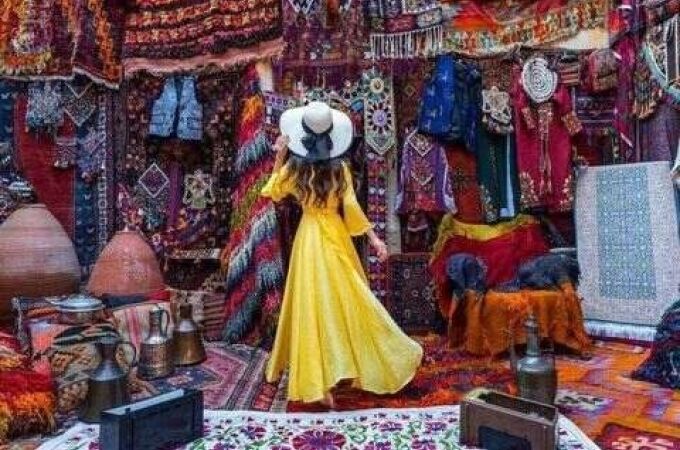
Few Turkish souvenirs are as meaningful as a carpet or kilim.
A Turkish carpet is usually thicker and has a pile, while a kilim is flatwoven and often lighter. Both can feature regional patterns, natural dyes, and symbolic designs.
Buying a carpet should not be rushed.
Take time to ask questions:
- Where was it made?
- Is it handmade or machine-made?
- What material is used?
- What does the pattern represent?
A good seller will explain the difference clearly.
If you are serious about buying one, visit a reputable shop rather than choosing only by price.
Turkish Delight
Turkish delight, known as lokum, is one of the easiest gifts to bring home.
It comes in many flavors, including rose, pistachio, pomegranate, lemon, hazelnut, and chocolate-covered varieties.
Fresh lokum from a trusted shop is usually much better than generic boxed versions.
For gifts, choose vacuum-packed or sealed boxes so they travel well.
It is sweet, lightweight, and widely loved, making it one of the most practical Turkish bazaar gifts.
Turkish Tea and Coffee
Tea is part of everyday life in Turkey.
Bringing home Turkish tea allows you to recreate a small piece of that experience after your trip.
Black tea from the Black Sea region is the classic choice. Apple tea is popular with visitors, although it is more tourist-oriented than traditional Turkish tea.
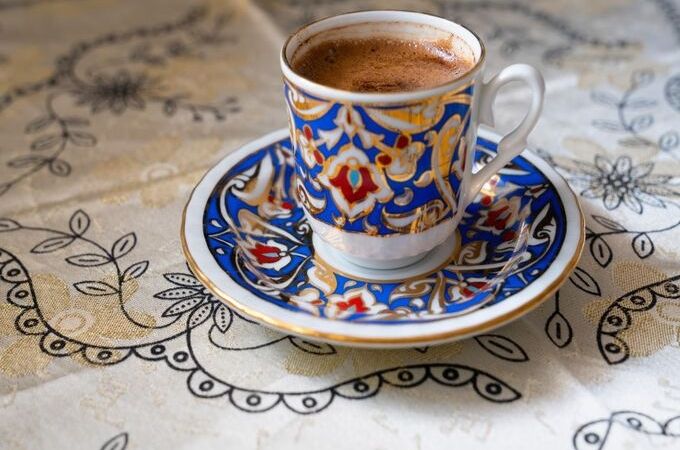
Turkish coffee is another excellent souvenir.
It is finely ground and usually prepared in a small copper pot called a cezve. For a complete gift, buy Turkish coffee with a cezve and small coffee cups.
Spices from Turkey
Spices make wonderful souvenirs because they are useful, affordable, and easy to pack.
Good options include:
Sumac
A tangy red spice often used on salads, kebabs, and onions.
Pul Biber
Mild red pepper flakes used in many Turkish dishes.
Dried Mint
Common in soups, yogurt dishes, and home cooking.
Saffron
More expensive, but available in specialty spice shops.
The Spice Bazaar in Istanbul is famous, but local markets across Turkey also offer excellent options.
Evil Eye Charms
The evil eye charm, or nazar boncuğu, is one of the most common symbols in Turkey.
You will see it hanging in homes, shops, cars, hotels, and jewelry displays.
It is believed to protect against negative energy and jealousy.
Whether you see it as a cultural symbol or a decorative object, it makes a simple and meaningful souvenir.
You can buy it as:
- Wall decoration
- Bracelet
- Keychain
- Necklace
- Magnet
- Small glass ornament
It is also one of the easiest gifts to carry.
Turkish Towels and Textiles
Turkish towels, known as peshtemals, are lightweight, absorbent, and quick-drying.
They are traditionally used in hammams but also work well as beach towels, scarves, throws, or travel blankets.
Textiles are a smart souvenir because they are practical.
Look for cotton, linen, or bamboo blends depending on your preference.
Other textile gifts include embroidered pillow covers, table runners, scarves, and handwoven fabrics.
Copper and Brass Items
Copper craftsmanship has a long history in Turkey.
In bazaars and workshops, you may find copper coffee pots, trays, bowls, lamps, and decorative pieces.
A small cezve is one of the best copper souvenirs because it is both traditional and useful.
If you buy copper cookware, ask whether the inside is properly lined for food use.
Some pieces are decorative only.
Jewelry and Handmade Accessories
Turkey offers a wide variety of jewelry, from modern silver designs to pieces inspired by Ottoman, Byzantine, and Anatolian motifs.
Popular choices include:
Silver Jewelry
Often found in Istanbul, Cappadocia, and coastal towns.
Evil Eye Jewelry
A small and meaningful gift.
Ottoman-Style Pieces
Inspired by historical designs and palace jewelry.
Natural Stone Accessories
Common in local markets and artisan shops.
As with carpets, quality varies, so buy from shops you trust.
Leather Goods
Turkey is known for leather production.
Visitors often buy jackets, bags, belts, wallets, and shoes.
Leather goods can be excellent value, but quality differs widely.
Check stitching, lining, zippers, and leather texture before purchasing.
Do not feel pressured to buy immediately. Good leather should feel durable, well-finished, and comfortable.
Where to Buy Turkish Souvenirs
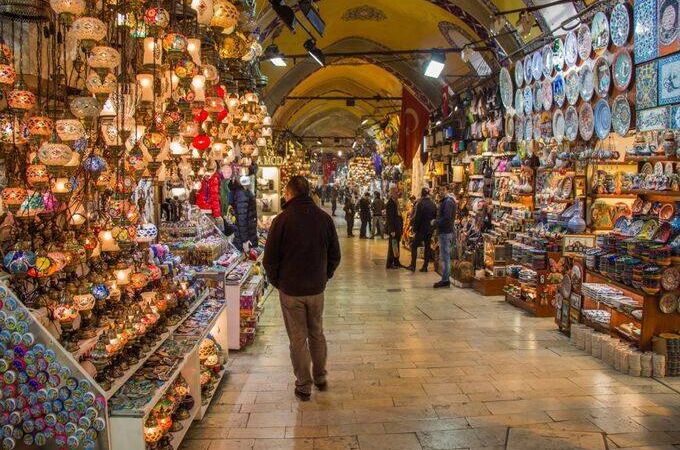
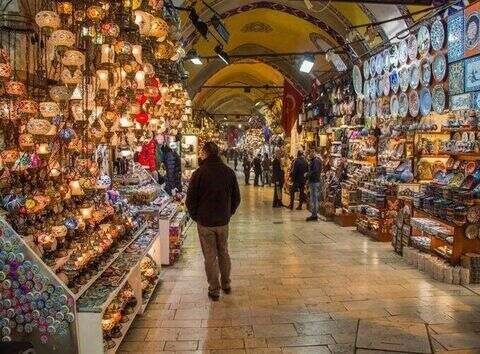
Grand Bazaar
Best for carpets, jewelry, ceramics, leather, and decorative items.
Spice Bazaar
Best for spices, tea, Turkish delight, and dried fruits.
Cappadocia
Best for pottery, local wine, handmade jewelry, and regional crafts.
Ephesus and Kuşadası
Best for leather goods, ceramics, and Turkish textiles.
Local Markets
Best for everyday products, regional foods, and more authentic prices.
For deeper shopping experiences, travelers often explore a Grand Bazaar Shopping Guide before visiting Istanbul’s historic markets.
How to Choose Authentic Turkish Souvenirs
The best souvenirs are usually bought with patience.
Avoid rushing through shops with a checklist.
Instead, look for items that feel connected to the place you visited.
Ask questions.
Compare quality.
Notice whether the seller explains the product clearly or simply pushes for a sale.
For handmade items, small imperfections can be part of the charm. They show that the object was made by a person, not a machine.
What Not to Buy in Turkey
Most souvenirs are easy to bring home, but be careful with antiques and archaeological-looking objects.
Avoid anything that could be considered a historical artifact.
Turkey has strict rules about cultural heritage items, and exporting antiques without proper documentation can cause serious problems.
When in doubt, choose modern handmade products from reputable shops.
Why Turkish Souvenirs Make Good Gifts
A good souvenir should do more than sit on a shelf.
Turkish souvenirs often work well because they can be used.
Tea can be served.
Spices can be cooked with.
Towels can be packed for the beach.
Ceramics can be displayed or used at home.
Coffee can become part of a weekend ritual.
That practicality gives the gift a longer life.
It becomes part of daily routine rather than just a reminder of a trip.
[IMAGE: Turkish coffee set with cezve and cups]
Alt Text: Traditional Turkish coffee set with copper cezve and cups
Why Shopping Is Part of Turkish Culture
Shopping in Turkey is often social.
Especially in bazaars, the experience may include conversation, tea, questions, and sometimes bargaining.
This can feel unfamiliar at first, but it is part of the charm.
You are not only buying an object.
You are participating in a tradition of exchange that has shaped Turkish life for centuries.
That is why many travelers remember the people behind their purchases as much as the items themselves.
Why Discover Turkey’s Culture with a Specialized Tour Operator?
Shopping for Turkish souvenirs becomes more rewarding when you understand the culture behind them. Knowing where to find authentic artisans, how local crafts are made, and which markets are worth visiting can make a real difference.
Many travelers interested in souvenirs also explore Turkish Food and Culture, plan Istanbul Cultural Experiences, or visit historic bazaars with local guidance.
Magnificent Travel specializes in culture-focused and luxury travel experiences throughout Turkey, Greece, Egypt, Jordan, Morocco, and Israel. The company helps travelers discover Turkey through carefully planned itineraries, local expertise, and authentic cultural encounters.
Having welcomed more than 1,100 travelers and maintaining a 5.0/5.0 TripAdvisor rating, Magnificent Travel creates journeys that go beyond sightseeing and connect visitors with the country’s traditions, flavors, and craftsmanship.
Frequently Asked Questions
What are the best Turkish souvenirs to buy?
The best Turkish souvenirs include ceramics, carpets, kilims, Turkish delight, tea, coffee, spices, evil eye charms, copper items, jewelry, leather goods, and textiles. The right choice depends on your budget, luggage space, and personal taste.
What is the most traditional souvenir from Turkey?
Turkish carpets and kilims are among the most traditional souvenirs. They reflect regional craftsmanship, symbolic patterns, and centuries of weaving culture. Smaller items such as evil eye charms, ceramics, and Turkish coffee sets are also deeply connected to Turkish tradition.
Is Turkish delight a good gift?
Yes. Turkish delight is easy to pack, widely available, and popular with many travelers. For the best quality, buy fresh lokum from a trusted sweet shop and choose sealed packaging if you plan to carry it internationally.
Where is the best place to buy souvenirs in Istanbul?
The Grand Bazaar is best for carpets, ceramics, jewelry, leather, and decorative gifts. The Spice Bazaar is better for spices, tea, Turkish delight, nuts, and dried fruits. Smaller neighborhood shops can also offer excellent finds.
Can I bargain when buying souvenirs in Turkey?
Yes, bargaining is common in many bazaars and souvenir shops, especially for carpets, leather goods, ceramics, and jewelry. Keep the conversation friendly and respectful. In fixed-price stores, markets, and modern shops, bargaining may not be expected.
What souvenirs should I avoid buying in Turkey?
Avoid antiques, archaeological objects, old coins, or anything that may be considered cultural heritage unless proper documentation is provided. To prevent problems at customs, choose modern handmade products from reputable sellers.

A travel professional specializing in tailor-made travel planning, guest experience management, and multi-destination tourism operations.
With over 23 years of experience in the travel industry, he designs and manages private and cultural tours for international travelers across Türkiye, Greece, Egypt, Jordan, Morocco, and other destinations.
He has strong expertise in both online and face-to-face guest communication, sales processes, and end-to-end travel operations.
Working closely with hotels, travel agencies, and local partners, he ensures smooth coordination and high-quality travel experiences at every stage of the journey.
His focus is on delivering personalized, reliable, and seamless travel experiences for international guests worldwide.