What to Wear in Turkey: The Ultimate Packing Guide for Every Season and Destination
Turkey has different dress codes depending on region and occasion, making it important to pack with flexibility in mind. While you'll find modern fashion in cities like Istanbul and Izmir, more conservative clothing is appreciated in rural towns and religious sites. The good news is that Turkey is easy to travel with if you prepare for changing weather, cultural customs, and diverse landscapes. Whether you're exploring ancient ruins, relaxing on the Mediterranean coast, hiking through Cappadocia, or visiting magnificent mosques, this guide explains exactly what to wear in Turkey in every season.
Quick Answer: What Should You Wear in Turkey?
If you're wondering what to wear in Turkey, the answer depends on where you're going, the season, and the activities you've planned.
For most travelers, comfortable casual clothing works perfectly. Jeans, lightweight trousers, T-shirts, blouses, dresses, sneakers, and comfortable walking shoes are ideal for everyday sightseeing. However, you'll also need modest clothing for mosque visits and warmer layers if you're traveling during spring evenings or winter.
Essential Turkey Packing Checklist
| Item | Recommended |
|---|---|
| Comfortable walking shoes | ✔ Essential |
| Light jacket | ✔ Spring & Autumn |
| Sunglasses & hat | ✔ Summer |
| Scarf or shawl | ✔ Mosque visits |
| Lightweight trousers | ✔ Highly recommended |
| Breathable shirts | ✔ Summer |
| Sweater or fleece | ✔ Cooler evenings |
| Swimsuit | ✔ Coastal destinations |
| Power adapter (Type F) | ✔ Essential |
This simple Turkey packing list covers almost every itinerary, whether you're spending a week in Istanbul or taking a two-week journey across the country.
Understanding Turkey's Dress Culture
One of the biggest misconceptions about Turkey is that visitors must dress conservatively everywhere. In reality, Turkey blends European lifestyles with traditional customs.
Major cities such as Istanbul, Ankara, Izmir, Bodrum, and Antalya have a very modern atmosphere. Locals wear everything from jeans and sneakers to business suits and fashionable dresses. Tourists generally won't stand out in casual Western clothing.
The situation changes slightly when visiting:
- Small villages
- Religious sites
- Traditional neighborhoods
- Rural eastern regions
In these places, dressing modestly simply shows respect for local customs. It doesn't mean changing your entire wardrobe—it often means avoiding extremely revealing clothing.
A good rule is simple:
Dress for comfort during the day and carry one modest layer for religious or traditional locations.
Does Turkey Have a Dress Code for Tourists?
No. There is no official dress code for tourists in Turkey.
You are free to wear shorts, dresses, skirts, T-shirts, or casual clothing in tourist areas. Beachwear is completely acceptable at resorts, pools, and beaches.
However, locals generally appreciate visitors who adjust their clothing slightly when entering cultural or religious places. This small gesture often leads to warmer interactions and a more comfortable travel experience.
Rather than worrying about strict rules, think of dressing appropriately as part of respecting local culture—just as you would in many countries around the world.
Turkey Mosque Dress Code
One of the most frequently asked questions is about the Turkey mosque dress code.
Fortunately, following the guidelines is simple.
For Women
Women should:
- Cover shoulders
- Cover knees
- Wear loose-fitting clothing
- Cover their hair with a scarf
Many popular mosques provide free scarves and wraps at the entrance if needed, but bringing your own lightweight scarf is more convenient.
For Men
Men should:
- Wear shirts with sleeves
- Avoid very short shorts
- Remove shoes before entering
Everyone Should
- Speak quietly
- Dress respectfully
- Avoid visiting during prayer times if sightseeing
- Follow signs inside the mosque
These recommendations apply to famous attractions such as the Blue Mosque in Istanbul as well as smaller neighborhood mosques throughout the country.
Seasonal Packing Guide for Turkey
Turkey experiences four distinct seasons, and weather can vary dramatically between regions. You might enjoy sunshine on the Mediterranean coast while seeing snow in Cappadocia on the same day.
The table below makes seasonal packing much easier.
| Season | Temperature | What to Wear |
| Spring (March–May) | Mild | Layers, light jacket, jeans |
| Summer (June–August) | Hot | Cotton clothing, shorts, hats |
| Autumn (September–November) | Pleasant | Cardigans, trousers, sneakers |
| Winter (December–February) | Cold | Coat, sweater, boots, gloves |
Packing versatile clothing that can be layered is the easiest way to stay comfortable throughout your trip.
What to Wear in Turkey During Spring
Spring is one of the most beautiful seasons to visit Turkey. Gardens bloom, outdoor cafés become lively, and sightseeing is pleasant without the intense summer heat.
Temperatures usually range from 12°C to 24°C (54°F–75°F), although mornings and evenings can still feel cool.
Recommended clothing includes:
- Long-sleeve shirts
- Comfortable jeans
- Chinos
- Light sweaters
- Waterproof jacket
- Comfortable trainers
- Sunglasses
Spring weather can change quickly, especially if you're visiting Istanbul or Cappadocia, so layering is much more practical than carrying heavy clothing.
What to Wear in Turkey During Summer
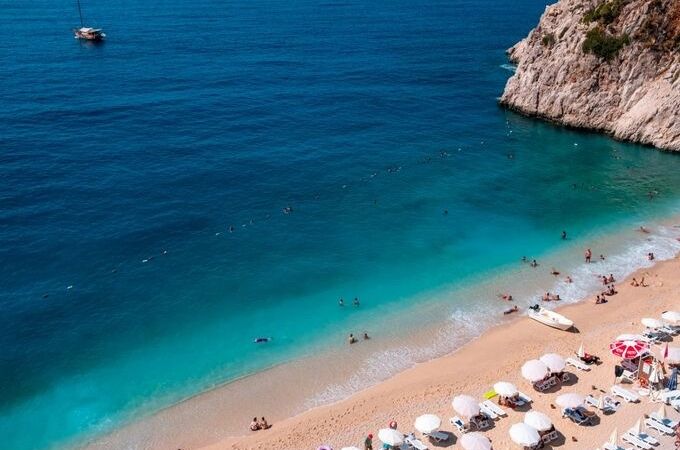
Summer is hot across much of Turkey, particularly along the Aegean and Mediterranean coasts.
Cities like Antalya, Bodrum, Marmaris, and Fethiye often experience temperatures above 35°C (95°F).
Lightweight fabrics become your best friend.
Pack:
- Cotton T-shirts
- Linen shirts
- Breathable dresses
- Shorts
- Sandals
- Sun hat
- UV sunglasses
- High-SPF sunscreen
Although shorts are perfectly acceptable in tourist areas, many travelers prefer lightweight linen trousers while exploring archaeological sites. They help protect against both strong sunshine and uneven terrain.
If your itinerary includes both beaches and historical attractions, combine beachwear with comfortable sightseeing outfits rather than wearing swimsuits away from the coast.
What to Pack for Istanbul
Istanbul deserves special attention because you'll likely walk far more than expected.
Its streets combine steep hills, cobblestones, public transport, museums, markets, rooftop restaurants, and waterfront promenades—all in a single day.
Experienced visitors usually recommend packing:
- Comfortable walking shoes
- Crossbody bag
- Lightweight rain jacket
- Portable umbrella
- Smart-casual outfit for evenings
- Small scarf for mosque visits
Unlike many European capitals, Istanbul's weather can change quickly. Even during summer, a cool breeze from the Bosphorus often arrives after sunset.
What to Wear in Cappadocia
Cappadocia is known for early morning hot-air balloon flights, unique rock formations, and outdoor hiking trails.
Many visitors underestimate how chilly sunrise can feel—even during summer.
A practical outfit includes:
- Comfortable hiking shoes
- Lightweight fleece
- Windproof jacket
- Athletic trousers
- Sunglasses
- Backpack
- Reusable water bottle
By midday, temperatures often become much warmer, making removable layers the smartest choice.
If you're joining one of the guided Turkey tours, dressing in layers allows you to stay comfortable from sunrise balloon rides to afternoon valley walks without needing a complete outfit change.


A travel professional specializing in tailor-made travel planning, guest experience management, and multi-destination tourism operations.
With over 23 years of experience in the travel industry, he designs and manages private and cultural tours for international travelers across Türkiye, Greece, Egypt, Jordan, Morocco, and other destinations.
He has strong expertise in both online and face-to-face guest communication, sales processes, and end-to-end travel operations.
Working closely with hotels, travel agencies, and local partners, he ensures smooth coordination and high-quality travel experiences at every stage of the journey.
His focus is on delivering personalized, reliable, and seamless travel experiences for international guests worldwide.