Cairo in September: The Month That Changes While You're Watching
Updated: August 12, 2026
September creates an unusual problem for anyone trying to describe Cairo's weather in a single sentence.
Call it summer, and you miss what begins happening toward the end of the month. Call it autumn, and you create the wrong expectations for travelers arriving during the first week.
September sits between those descriptions.
Cairo generally remains hot, sunny and overwhelmingly dry, particularly during the first half of the month. Daytime temperatures are often in the low-to-mid 30s°C, while evenings are warmer than travelers arriving from cooler climates may expect. As the month progresses, however, the intensity of summer begins to loosen gradually rather than disappearing on a particular date.
That makes September different from August.
The useful travel question is no longer simply how to operate within persistent summer heat. It becomes:
How much flexibility can you gradually return to the sightseeing day?
The answer depends partly on whether you arrive on September 3 or September 27.
Don't Plan September From One Monthly Average
A monthly average compresses thirty days into a single number.
That is particularly unhelpful during a transitional month.
Someone visiting Cairo in early September should still expect conditions with a strong summer character. Outdoor archaeological sightseeing deserves deliberate planning, and the afternoon may remain demanding during extended exposure.
A traveler arriving toward the end of September may encounter somewhat more forgiving conditions, particularly outside the warmest hours, although genuinely hot days remain entirely possible.
Neither experience contradicts the monthly climate.
They occupy different points within it.
This makes September a month where your exact dates deserve more attention than the average printed beside the month on a climate chart.
Think in Thirds Rather Than Weeks
Instead of pretending September changes neatly halfway through the month, it is more useful to think about three broad phases.
| Travel Period | Likely Character | Planning Mindset |
|---|---|---|
| Early September | Strong summer influence | Keep summer habits in place |
| Mid-September | Warm with increasing variation | Let the forecast guide flexibility |
| Late September | Gradual easing becomes more plausible | Expand outdoor options when conditions allow |
These are not weather guarantees.
A late-September day can still be hotter than an earlier one, and a particularly favorable day can appear at any point in the month. The table describes the seasonal direction, not a daily forecast.
That distinction is important because September rewards travelers who respond to actual conditions instead of deciding months in advance that the season has already changed.
The Afternoon Slowly Becomes Negotiable Again
During the heart of Cairo's summer, extended afternoon exposure deserves careful consideration.
September begins changing that relationship.
Not immediately, and not uniformly.
Earlier in the month, a long afternoon across an exposed archaeological site can still feel firmly summery. Later, there may be days when a broader range of outdoor activities feels reasonable without requiring the same degree of summer-style scheduling.
This does not mean midday suddenly becomes the ideal time for everything.
It means the itinerary gradually acquires more choices.
A museum no longer needs to occupy a particular part of the day primarily because it provides a controlled environment. A historic neighborhood walk can sometimes extend longer. A sightseeing program that finishes later in the afternoon may feel less demanding than it would have several weeks earlier.
September's change is therefore about flexibility before comfort.
Let the Forecast Earn More Authority
For July, monthly climate patterns tell you quite a lot about what to expect.
September gives the short-range forecast more power.
If your travel dates show temperatures remaining firmly summer-like, keep the practical habits that worked in hotter months. If conditions moderate, allow the itinerary to expand naturally rather than following rigid summer rules that no longer serve a purpose.
This is where good planning becomes responsive rather than seasonal.
Travelers beginning a September Egypt discovery tour should check Cairo separately from later destinations. Egypt covers a substantial geographic range, and conditions in Luxor or Aswan should not be inferred from what is happening in the capital.
A Cairo September article should remain about Cairo.
That boundary also prevents this page from drifting into a general Egypt weather guide.
September Rewards the Traveler Who Packs for Overlap
Transitional months create packing problems because people instinctively want one wardrobe category.
Summer clothes or autumn clothes?
In Cairo during September, the answer is simpler: lightweight clothing remains the foundation.
The month is not a signal to begin carrying heavy layers. Breathable fabrics, sun protection and comfortable walking clothes continue to make sense. What changes later is that travelers may find a broader range of hours comfortable for being outside.
The suitcase therefore does not need to transform simply because the calendar says September.
This is a useful example of why weather transition and wardrobe transition do not always occur simultaneously.
Cairo can begin moving away from peak summer conditions while the practical clothing choice remains largely lightweight.
The Same Giza Visit Can Feel Different Three Weeks Apart
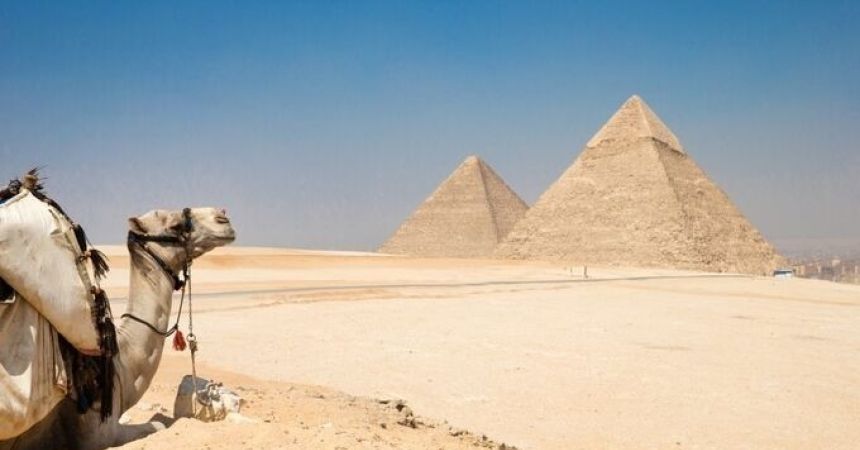
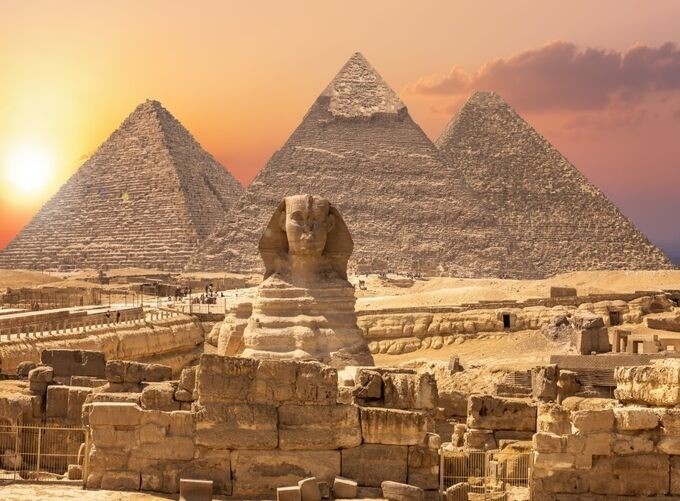
Giza makes September's progression easy to understand because much of the experience occurs in an exposed landscape.
An early-month visit may still benefit from a strongly summer-conscious schedule. The open plateau, walking and direct sunshine can create sustained exposure even when transportation connects the major areas.
Toward the end of September, favorable conditions may allow travelers to be less rigid about timing.
That does not mean Giza itself has changed.
The difference is the margin for error.
If an early-September archaeological visit starts later than intended, the consequences may be more noticeable. On a milder late-September day, the same delay might have little effect on comfort.
For travelers following a Pyramids and Egyptian heritage tour, that increasing margin can make the overall schedule feel less fragile.
Historic Cairo Starts Regaining More of the Day
September's gradual shift can be particularly useful for travelers who enjoy walking rather than moving primarily between headline attractions.
Historic Cairo requires a different kind of energy from Giza. The experience unfolds through streets, architectural details, mosques, courtyards, shops and unexpected stops rather than a small number of monumental viewpoints.
That makes rigid timing less desirable.
As conditions become more forgiving, particularly later in September, these walking-based experiences can begin occupying a larger uninterrupted part of the itinerary.
This is not yet October's semantic territory of broadly comfortable outdoor mobility.
September is the transition toward that freedom.
The distinction matters.
Don't Retire Summer Habits Too Early
The first cooler-feeling morning can create false confidence.
Travelers may reduce water, forget sun protection or assume the afternoon will remain equally mild. September does not always reward that assumption.
The sun remains strong, Cairo remains dry, and warmer conditions can return even after a relatively comfortable day.
Instead of abandoning summer habits, loosen them gradually.
Keep water available. Continue using sun protection during extended outdoor sightseeing. Check tomorrow's forecast. Adjust the schedule when conditions genuinely justify it.
There is no prize for being the first traveler to declare autumn.
September Gives Itineraries Back Their Elasticity
Summer schedules often work best when their most demanding components are deliberately positioned.
September gradually reduces that rigidity.
A museum visit runs longer than expected? The afternoon may still be usable. Lunch takes an extra forty minutes? A later outdoor stop might remain comfortable. Traffic delays the start of a historic walk? The day does not necessarily unravel.
This elasticity can be particularly valuable on a Cairo and Nile cultural journey, where transportation, guided visits and domestic connections make perfectly timed days unrealistic.
The weather is not yet irrelevant.
It is simply beginning to stop controlling every decision.
September's Real Change Is Permission
September does not suddenly deliver a different Cairo.
The Pyramids do not become less exposed. Saqqara does not acquire shade. Historic streets do not shorten. The sun does not lose its strength because the calendar moves beyond August.
What changes gradually is the range of reasonable choices available to the traveler.
That gives September its exclusive position within this weather cluster:
Early in the month, summer still sets many of the rules. As September progresses, Cairo begins giving you permission to become less rigid—but only when the actual conditions support it.

A travel professional specializing in tailor-made travel planning, guest experience management, and multi-destination tourism operations.
With over 23 years of experience in the travel industry, he designs and manages private and cultural tours for international travelers across Türkiye, Greece, Egypt, Jordan, Morocco, and other destinations.
He has strong expertise in both online and face-to-face guest communication, sales processes, and end-to-end travel operations.
Working closely with hotels, travel agencies, and local partners, he ensures smooth coordination and high-quality travel experiences at every stage of the journey.
His focus is on delivering personalized, reliable, and seamless travel experiences for international guests worldwide.