Egypt Weather in December: Winter Sun & Cooler Evenings
Last Updated: August 8, 2026
December creates one of Egypt's more enjoyable travel contradictions.
You can stand beneath a bright blue sky at an ancient temple in the afternoon and reach for a jacket a few hours later.
Travellers arriving from northern Europe or North America often imagine “Egypt in winter” as a slightly cooler version of summer: sunshine, sandals and warm evenings. The daytime part of that picture can sometimes feel convincing, particularly in southern Egypt and around the Red Sea.
Then the sun disappears.
Egypt's dry climate, regional differences and substantial day-to-night temperature changes make December a month when packing and itinerary expectations deserve more thought than the phrase winter sun suggests.
This is not tropical winter.
It is Egyptian winter, and the distinction makes the journey considerably more interesting.
December Is a Tale of Two Temperatures
Summer simplifies packing because almost everything revolves around heat.
December complicates it.
A sunny afternoon in Luxor may feel pleasantly warm, while an early departure or evening beside the Nile can require another layer. Cairo has a more noticeable winter character, and northern Egypt can feel cooler still. The Red Sea remains attractive, but a breezy boat journey is different from lying beside a sheltered pool in afternoon sunshine.
The practical answer is layering.
| Region | December Character | What to Expect |
|---|---|---|
| Cairo & Giza | Mild days, cooler mornings and nights | Carry a layer |
| Luxor | Pleasant daytime touring | Noticeable day/night contrast |
| Aswan | Generally warmer southern conditions | Excellent cultural touring |
| Abu Simbel | Sunny, dry winter environment | Early starts can feel cool |
| Hurghada | Winter sun with coastal influence | Wind can change how warm it feels |
| Sharm el-Sheikh | Popular winter-sun destination | Resort conditions vary |
| Alexandria | Cooler Mediterranean character | Prepare for a different Egypt |
This is why a national average tells only part of the December story.
Your suitcase needs to understand the route.
Cairo Finally Belongs to the Whole Day
December gives Cairo something summer travellers often have to manufacture carefully: a naturally broad sightseeing window.
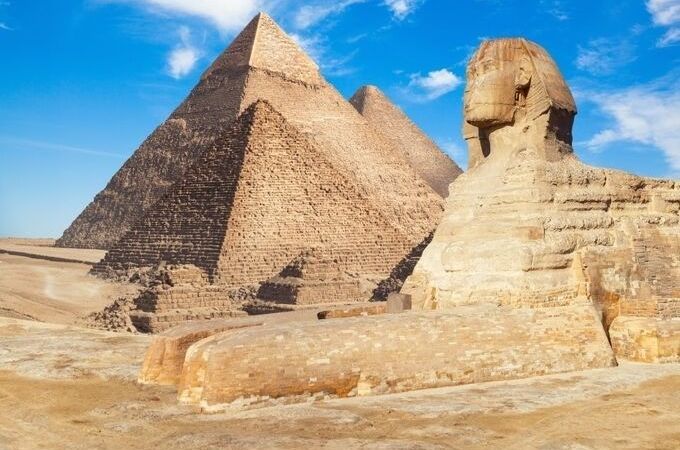
Giza no longer needs to be treated primarily as a race against rising temperatures. An earlier visit still has advantages, but you can spend time exploring the plateau without structuring the entire morning around escaping midday heat.
Historic Cairo benefits even more.
Walking becomes a genuine part of the experience. Streets, mosques, courtyards and neighbourhood details can connect rather than being encountered as isolated stops between vehicle journeys.
There is another advantage too: winter light.
The lower seasonal sun can give stone, desert and city architecture a different visual character from the harder brightness of summer. Photographers may appreciate it, but you don't need an expensive camera to notice.
Travellers wanting a winter cultural itinerary can explore Egypt winter tours, combining Cairo with the Nile Valley while conditions favour substantial outdoor sightseeing.
Luxor Feels Like It Was Designed for December
Of course, it wasn't.
Several thousand years of history would make that a remarkable piece of tourism forecasting.
But December conditions suit the way Luxor deserves to be explored.
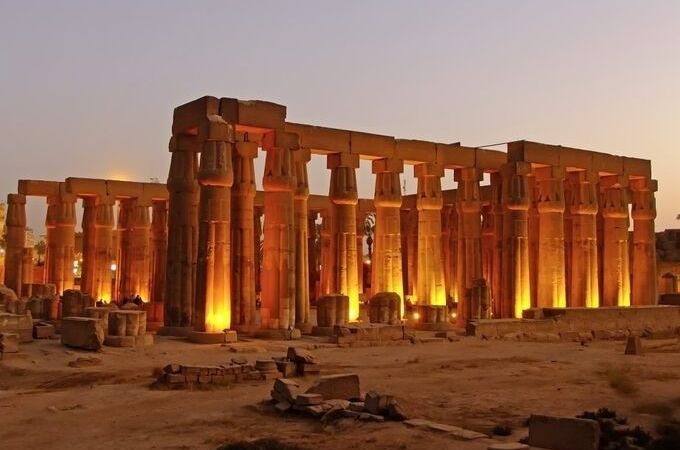
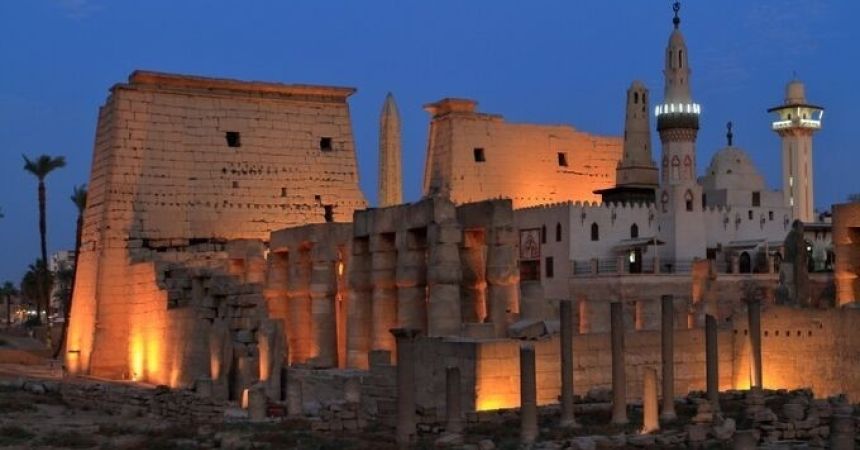
The West Bank can occupy a substantial morning without every minute being calculated around heat. Karnak rewards wandering rather than rushing, and later afternoons beside the Nile can become part of the day instead of recovery from it.
This is where December differs sharply from the summer months.
You don't need to reduce archaeology.
You need to decide how much archaeology your attention can genuinely handle.
Weather is less likely to stop you.
Temple fatigue still might.
The Nile Has a Winter Personality
A December Nile cruise is not simply the November experience with a different calendar page.
The rhythm changes.
Early excursion departures can feel cool, especially before the sun has properly warmed the day. Deck time may be wonderful in sunshine and considerably less appealing once evening arrives. Travellers who packed only lightweight summer clothing sometimes discover this distinction immediately.
Bring layers.
Then use the deck.
Winter conditions can make sailing through the Nile Valley particularly rewarding because daytime outdoor comfort allows you to watch the landscape for longer. Agricultural fields, palms and settlements remain pressed against the river, while desert begins almost immediately beyond them.
The visual contrast never really gets old.
Even when your camera roll suggests otherwise.
The Red Sea Is Winter Sun, Not Guaranteed Summer
This distinction deserves its own section because expectations matter enormously.
Hurghada and Sharm el-Sheikh remain attractive December destinations, particularly for travellers escaping colder climates. Sunny days can feel wonderful, and diving or snorkelling remain important reasons to travel.
But December is not August.
Wind, water conditions, time of day and individual resort location can all influence how warm a coastal day feels. A sheltered afternoon beside the pool may feel completely different from an exposed morning on a boat.
This doesn't make the Red Sea a poor December choice.
It makes realistic expectations a better choice.
If your definition of a successful winter holiday requires intense tropical heat every day, Egypt may not always behave according to the brochure in your imagination.
If you want sunshine, marine experiences and a major contrast with European winter, the argument becomes much stronger.
Christmas and New Year Change More Than the Weather
December also has something most other months in this cluster do not:
the festive travel period.
Christmas and New Year can increase demand for popular hotels, Nile cruises, guides, domestic transport and Red Sea resorts. This matters because the best December itinerary is not only about weather.
It is also about availability.
Travellers with fixed festive dates should generally plan earlier than someone travelling during a quieter period. Waiting for a last-minute deal can occasionally work, but it is a strategy rather than a guarantee.
If a particular cruise, hotel category or route matters to you, availability deserves attention well before December arrives.
The pyramids will still be there.
Your preferred cabin may not.
December Makes Egypt Feel Geographically Larger
Summer heat can dominate conversations about regional differences.
Winter reveals them differently.
Cairo may encourage a jacket in the evening. Luxor can deliver wonderfully pleasant daytime archaeological conditions. Aswan feels distinctly southern. Alexandria reminds you that Egypt also faces the Mediterranean, while the Red Sea offers an entirely separate coastal winter.
You can experience several seasons within one holiday without actually changing seasons at all.
That is December's real cluster identity.
Not merely “good weather.”
Contrast.
The contrast between sun and shade, afternoon and evening, Cairo and Aswan, Nile Valley and coast, archaeological morning and festive hotel dinner.
Pack for those differences rather than for an imaginary single Egyptian climate, and December becomes considerably easier to understand.
Pack for the Journey, Not the Country
“What's the weather like in Egypt in December?”
It sounds like a straightforward packing question until you look at the itinerary.
Three nights in Cairo. Flight to Luxor. Several days on the Nile. Aswan. Perhaps a final stay beside the Red Sea.
You are not packing for one December.
You are packing for several versions of it.
The easiest solution is not a larger suitcase. It is clothing that works in layers and can move between very different parts of the day.
Cairo Mornings Can Surprise You
Travellers arriving from genuinely cold countries sometimes underestimate Cairo's winter because the temperature looks mild compared with home.
The comparison can be misleading.
You may leave the hotel early, spend time outside at Giza and encounter cool air before the day warms. Shade can feel noticeably different from direct sunshine, while evenings bring another change.
A light jacket, cardigan or similar layer therefore earns its place in the suitcase even if the daytime forecast looks pleasant.
The useful question isn't whether Cairo is “cold.”
It is whether you will be comfortable standing outside at 8:00 a.m.
Luxor Can Make You Question Why You Packed the Jacket
Then you fly south.
By afternoon, Luxor may feel warm enough to make the extra layer seem unnecessary. This is exactly why December packing confuses people: the clothing you appreciate at breakfast can be sitting in your bag by lunchtime.
That is fine.
You want removable layers rather than one heavy winter solution.
A breathable base works during warmer sightseeing hours, while something light can return when the day cools. Comfortable walking shoes matter more than fashion because the West Bank and large temple complexes involve substantial time on your feet.
Nobody reaches the end of Karnak wishing their shoes had looked more elegant.
The Nile Evening Is Where Layers Earn Their Ticket
A cruise introduces another change.
During a sunny afternoon, the deck can be one of the most appealing places on the ship. Later, with the sun gone and the vessel moving along the river, conditions may feel noticeably cooler.
This is where the layer you carried all day suddenly stops looking unnecessary.
Travellers exploring Nile winter journeys should pack with both excursions and onboard time in mind. You do not need formal winter clothing for every situation, but something comfortable for cooler evenings can make deck time much more enjoyable.
The ship may also have its own expectations for dinner or common areas, so checking specific cruise information before departure is sensible.
A Red Sea Boat Is Not a Pool Lounger
This distinction causes more packing mistakes than it should.
You spend yesterday beside a sheltered resort pool feeling wonderfully warm, so today's snorkelling boat requires exactly the same clothing.
Then the boat starts moving.
Wind changes everything.
After swimming, it can feel even more noticeable. A lightweight cover-up or additional layer can therefore be useful on marine excursions even when you have no intention of wearing it around the resort.
Pack sun protection too.
Winter sun is still sun, and spending several hours on an exposed boat is very different from walking between shaded areas at a hotel.
One December Suitcase, Four Situations
| Situation | What Helps |
|---|---|
| Early Cairo sightseeing | Light removable layer |
| Luxor afternoon | Breathable daytime clothing |
| Nile cruise evening | Jacket, cardigan or similar layer |
| Red Sea boat trip | Cover-up and wind protection |
| Religious sites | Respectful shoulder/leg coverage |
| Archaeological walking | Proper comfortable footwear |
| Sunny outdoor days | Hat, sunglasses and sun protection |
The objective is versatility.
A piece of clothing that only works for one evening is less useful than something you can wear on an early excursion, Nile deck and coastal boat trip.
Don't Pack for Photographs of Egypt
Travel images create an unusually consistent version of the country.
Blue sky.
Sun.
Desert.
Someone wearing linen.
The photograph rarely shows them reaching into a bag for a jacket fifteen minutes later.
Pack according to your route and activities instead. If Alexandria is included, account for its Mediterranean position. If you're spending most of the holiday in Upper Egypt, your needs will differ. If the Red Sea occupies half the trip, swimwear and marine-day clothing become more important.
December rewards practical packing because conditions change without becoming extreme enough to justify completely separate wardrobes.
Leave a Little Space
There is one final packing strategy that has nothing to do with weather.
Don't fill the suitcase completely.
Egypt is not a difficult country in which to find something you suddenly decide you need, and leaving space also avoids the strange end-of-holiday ritual of sitting on your luggage while trying to close it around things you apparently had no intention of buying.
December requires variety.
It does not require your entire wardrobe.
Pack layers, comfortable shoes and clothing that can move easily between archaeological sites, cities, the Nile and the coast.
Then leave some room.
Egypt has markets.

A travel professional specializing in tailor-made travel planning, guest experience management, and multi-destination tourism operations.
With over 23 years of experience in the travel industry, he designs and manages private and cultural tours for international travelers across Türkiye, Greece, Egypt, Jordan, Morocco, and other destinations.
He has strong expertise in both online and face-to-face guest communication, sales processes, and end-to-end travel operations.
Working closely with hotels, travel agencies, and local partners, he ensures smooth coordination and high-quality travel experiences at every stage of the journey.
His focus is on delivering personalized, reliable, and seamless travel experiences for international guests worldwide.