Egypt Weather in July: Peak Heat Across the Country
Last Updated: August 8, 2026
There is little value in pretending July is simply another sunny month in Egypt.
It is hot.
In Upper Egypt, it can be extremely hot. Luxor, Aswan and Abu Simbel sit within landscapes where the summer sun is not a background detail but one of the main conditions shaping the day. Cairo is also hot, while the Red Sea offers a different relationship with summer because much of the experience is built around water, resorts and marine activities.
So the useful question is not whether Egypt can be visited in July. Of course it can.
The better question is whether you should visit Egypt in July.
For some travellers, the answer is yes. School holidays may dictate the dates, high temperatures may not be a major concern, or the Red Sea may be the main purpose of the trip. Others have dreamed of spending long days exploring temples and archaeological sites on foot, in which case a cooler month would probably provide the experience they actually want.
July is not a month that needs defending. It needs explaining properly.
Start With Your Heat Tolerance, Not the Itinerary
People experience heat differently, which makes blanket statements about July almost useless.
Someone accustomed to hot climates may find an early archaeological visit entirely manageable, while a traveller from a much cooler environment could feel drained considerably sooner. Age, health, activity level and personal preference all influence the experience.
The itinerary should come after that assessment.
| Travel Style | July Reality |
|---|---|
| Long archaeological days | Challenging |
| Selective early sightseeing | Much more realistic |
| Cairo city break | Possible with indoor balance |
| Nile cruise | Possible with carefully timed excursions |
| Red Sea holiday | Strong for heat-tolerant beach travellers |
| Diving-focused trip | Strong option |
| Family cultural circuit | Requires careful pacing |
| Heat-sensitive traveller | Cooler months are preferable |
This is not about telling people they cannot travel.
It is about preventing someone who hates heat from booking ten days of exposed archaeological sightseeing because a travel article described July as “warm and sunny.”
Warm is not the word I would choose.
July Changes What Counts as a Good Archaeology Day
During winter, an enthusiastic traveller can spend hours moving between outdoor sites and still have enough energy for another visit later.
July changes the calculation.
A successful archaeological day may involve one major outdoor area visited properly rather than several rushed stops stitched together because they happen to be nearby.
That can feel counterintuitive. You have travelled to Egypt to see ancient Egypt, so surely the logical response is to see as much as possible.
Not necessarily.
If the second half of the day becomes an exercise in walking quickly from shade to vehicle, quantity has stopped helping.
In July, selectivity becomes a quality decision.
Cairo Has More Escape Routes Than Luxor
This is one reason Cairo can work better than people expect during peak summer.
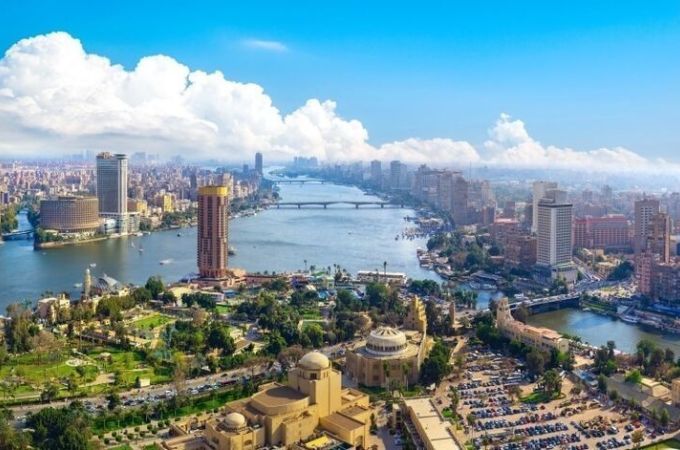
Yes, the city is hot. Giza remains exposed, traffic does not become more charming because it is July, and long outdoor walks need sensible timing.
But Cairo has alternatives.
Museums can occupy the hotter part of the day. Historic religious buildings offer a different kind of sightseeing from an exposed plateau. Lunch can last longer. The Nile can become an evening experience rather than something squeezed between daytime attractions.
A carefully designed Cairo history tour can therefore use the city's variety rather than asking visitors to remain outdoors continuously.
This flexibility matters enormously in July.
Upper Egypt Is a Deliberate Choice
Luxor and Aswan remain extraordinary.
July does not diminish their historical importance by a single hieroglyph.
What changes is the effort required to experience them comfortably.
If Luxor is the reason you have wanted to visit Egypt for years, then July can still work with very early starts, air-conditioned transport, sensible site selection and substantial downtime.
If you are visiting Luxor merely because every standard Egypt itinerary includes it, think more carefully.
The same applies to Aswan and Abu Simbel. Travelling farther south means entering some of the country's most intense summer conditions, and the reward needs to matter enough to you personally.
This is where honest planning beats bucket-list planning.
July Can Actually Improve Your Focus
There is an unexpected benefit to having limits.
You stop pretending you can see everything.
Instead of racing through a long list of tombs, you choose the ones that interest you most. Instead of combining the West Bank, Karnak and another major site because the map suggests it is possible, you divide the experience.
The result can be more attentive travel.
You know the outdoor hours are valuable, so you stop wasting them.
That doesn't make July better than January for archaeology.
It makes July different, and travellers who accept those limits generally have a better experience than those who spend the entire trip wishing the weather were something else.
A Nile Cruise in July Is About the Ship as Much as the Nile
Cruising remains possible during summer, subject to individual vessel schedules, but the onboard experience becomes particularly important.
Air conditioning matters.
Shaded spaces matter.
The timing of excursions matters.
You are no longer choosing a cruise only according to cabin photographs and the list of temples included in the itinerary.
You are choosing the place where you will spend significant portions of the hottest part of the day.
Travellers considering July Nile cruises should therefore pay attention to the vessel and operating schedule rather than assuming all cruises provide essentially the same summer experience.
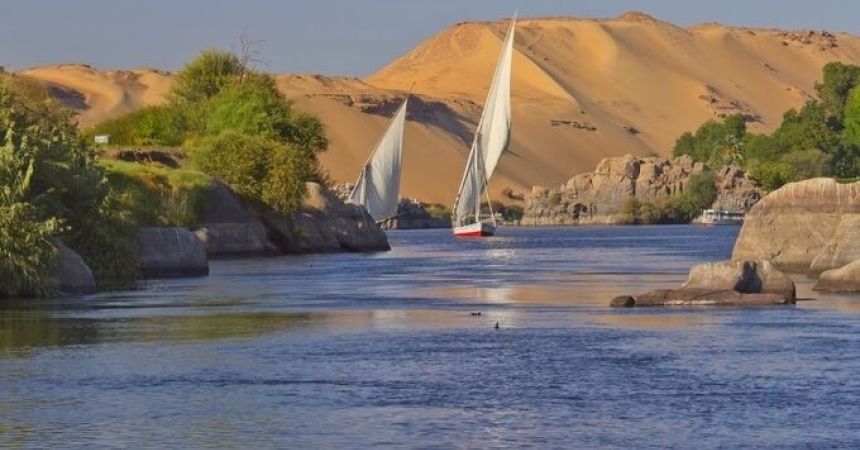
The Nile itself remains beautiful.
July simply makes you appreciate the cabin door more than you might in February.
Don't Confuse Fewer Crowds With Empty Egypt
Summer may bring different visitor patterns from peak cultural touring periods, but it is unwise to build an entire July trip around the fantasy of having Egypt's great monuments to yourself.
Giza is still Giza.
Major temples remain major attractions.
Domestic and international visitors continue travelling.
If you encounter quieter moments, enjoy them, but treat them as a benefit rather than the central reason to endure a season you otherwise dislike.
There are easier ways to avoid a queue than choosing a month whose weather doesn't suit you.
July Works Best When You Know Why You're Coming
This is the month's defining question.
If your dates are fixed by school holidays, July can be planned intelligently.
If you love hot climates, there is no reason to assume everyone else's discomfort will be yours.
If diving or the Red Sea is central to the trip, summer has an entirely different logic.
If you've already visited Egypt and want a more selective return journey, you can build around a small number of experiences rather than recreating the classic circuit.
But if you have complete flexibility, dislike heat and dream of spending long days wandering around Luxor's archaeological sites, there is no medal for choosing July.
Come when the trip you want matches the season.
Egypt will still be here.
It has demonstrated considerable patience.
July Isn't a Challenge to Complete
Travel writing sometimes turns difficult conditions into a strange badge of honour.
“We survived Egypt in July.”
That's not the objective.
The objective is to have a good trip.
July can absolutely provide one, but only when the itinerary acknowledges what the month is. The days need stronger editing, Upper Egypt needs genuine commitment, indoor experiences become more valuable and the Red Sea starts making an increasingly persuasive argument for a larger share of the holiday.
The right July itinerary may look nothing like the classic Egypt route you originally saved.
That is not a problem.
It may be the first sign that you're planning for the country you're actually visiting rather than the itinerary you imagined six months earlier.
In July, Edit the Itinerary Before the Weather Does
A classic Egypt itinerary is usually written as though every famous attraction deserves equal time in every season.
It doesn't.
The Great Pyramid is no less important in July, but the way you experience Giza should change. Luxor remains one of the world's great archaeological destinations, yet spending consecutive full days outdoors may not be the best use of your energy. Abu Simbel is still extraordinary, although travelling farther south during peak summer deserves more thought than simply adding another line to the itinerary.
Before booking, take the route you originally planned and divide it into three categories: keep, shorten and reconsider.
Not because the sites have changed.
Because July has.
Keep: The Places You Would Regret Missing
Start with the experiences that brought you to Egypt.
For most first-time travellers, Giza belongs here. If ancient Egypt is the main reason for travelling, Luxor probably does too. A Nile experience may be equally important, whether that means a multi-night cruise or simply spending meaningful time beside the river.
Protect those experiences rather than protecting the entire original itinerary.
If Giza matters, give it a properly timed visit rather than combining it with several other outdoor stops because they fit geographically. If the Valley of the Kings has been on your list for twenty years, spend your best hours there and accept that another site may need to disappear.
July is not the month for sightseeing by obligation.
Shorten: Repetitive Days That Look Better on Paper
Egypt has an unusual problem for first-time visitors: there are too many important ancient sites.
After several days, the itinerary can begin reading like a university syllabus. Another temple, another tomb, another dynasty, another explanation of why this particular pharaoh was unusually important.
In cooler weather, curiosity may carry you through a very full schedule. Peak summer makes repetition more noticeable because physical energy is already being spent on the conditions.
This doesn't mean reducing Luxor to one photograph outside Karnak. It means deciding whether you genuinely need every archaeological stop available.
| Classic Plan | July Adjustment |
|---|---|
| Several Giza-area stops | Prioritise the sites you value most |
| Full-day West + East Bank | Divide major visits where possible |
| Multiple consecutive temple days | Add variety between archaeology |
| Long afternoon walking tours | Shorten or replace with indoor time |
| Every optional excursion | Choose according to genuine interest |
| Coast as a quick add-on | Give it meaningful time or skip it |
Editing is not the same as downgrading.
Sometimes it is what makes the important parts survive.
Reconsider: Abu Simbel as an Automatic Addition
Abu Simbel deserves special treatment because it is both magnificent and logistically demanding.
For many travellers, it remains worth the journey in July. The colossal temples, their remote setting and the extraordinary modern relocation project make the site unlike anything else on a classic Egypt route.
But “worth seeing” and “must be included in every itinerary” are not identical statements.
If Abu Simbel has always been one of your priorities, keep it and organise the excursion carefully. If you are adding it because you feel an Egypt trip would somehow be incomplete without travelling as far south as possible, reconsider whether those hours could improve another part of the journey instead.
Travellers determined to include it can explore Abu Simbel journeys with the understanding that early timing and efficient transport become particularly important during peak summer.
Keep the Nile, but Rethink What You Want From It
The Nile is not merely a route connecting temples.
July makes that clearer.
If your cruise schedule becomes a relentless sequence of excursions followed by meals followed by another excursion, much of the benefit disappears. The ship should provide a genuine change in pace, particularly when the middle of the day becomes less attractive for outdoor activity.
Spend time inside.
Take a nap without guilt.
Watch the river through a window if the deck feels too hot.
Return outside later.
The Nile does not become less authentic because you viewed part of it from an air-conditioned cabin.
Reconsider Long Transfers That Add Little
Travel days have a cost that is easy to underestimate when planning from home.
A destination may look close enough on a map, yet reaching it can consume a substantial portion of the day once hotel departures, road journeys, airport procedures or waiting times are included.
July magnifies that cost.
A long transfer followed immediately by outdoor sightseeing is rarely an elegant combination. Neither is changing hotels repeatedly simply to add one more overnight destination.
If the route contains several places where you arrive late and leave early, ask what those stops actually contribute.
Sometimes the best July itinerary improvement is deleting a hotel reservation.
Keep Something Indoors Because You Want It, Not Because You Need Air Conditioning
Indoor attractions shouldn't become emergency shelters from the weather.
Choose them because they are worth seeing.
Egypt's museums contain enough material to justify serious time in their own right, and Cairo's historic religious architecture provides another dimension beyond the pharaonic story dominating many first itineraries.
This creates a better summer balance because the day changes intellectually as well as physically.
You move from a pyramid plateau to a museum collection, from ancient monumental architecture to later Cairo, rather than spending the entire journey comparing one temple with the next.
The air conditioning is useful.
It just doesn't need to be the headline.
July Forces a Useful Question: What Would You Miss?
Imagine returning home without seeing one item on your original list.
Which absence would bother you?
That attraction stays.
Now look at everything else.
This simple exercise is more useful in July than trying to preserve a standard itinerary created for all twelve months of the year.
Peak summer rewards conviction. Keep the places you care about, shorten repetitive days and reconsider the excursions included only because somebody labelled them “must-see.”
The resulting itinerary may contain fewer stops.
It will probably contain more attention.
And in July, attention is one of the most valuable things you can conserve.

A travel professional specializing in tailor-made travel planning, guest experience management, and multi-destination tourism operations.
With over 23 years of experience in the travel industry, he designs and manages private and cultural tours for international travelers across Türkiye, Greece, Egypt, Jordan, Morocco, and other destinations.
He has strong expertise in both online and face-to-face guest communication, sales processes, and end-to-end travel operations.
Working closely with hotels, travel agencies, and local partners, he ensures smooth coordination and high-quality travel experiences at every stage of the journey.
His focus is on delivering personalized, reliable, and seamless travel experiences for international guests worldwide.