Egypt Weather in September: Summer Heat Starts to Ease
Last Updated: August 8, 2026
September is one of Egypt's more interesting transition months because the calendar says summer is ending before the country entirely agrees.
Arrive at the beginning of the month and the heat can still feel firmly established, particularly in Luxor and Aswan. Travel later and the shift becomes easier to notice. The days remain warm, the Red Sea still feels thoroughly summery, yet cultural touring gradually begins reclaiming more of the itinerary.
That makes September fundamentally different from August.
You no longer need to build the entire journey around escaping peak summer conditions, but neither should you arrive expecting the comfortable touring rhythm of late autumn. September sits between those two versions of Egypt, and its real advantage lies in understanding the transition rather than pretending it has already finished.
Early September and Late September Are Not Quite the Same Trip
Monthly averages flatten a useful distinction.
September 3 and September 28 may belong to the same weather table, but travellers can experience them differently. Seasonal change is gradual rather than punctual, and southern Egypt usually holds onto summer longer than the Mediterranean north.
This makes the timing within the month more relevant than it was during July or August.
| September Period | Travel Character |
|---|---|
| Early month | Summer-style planning still makes sense |
| Mid-month | Transitional conditions become more noticeable |
| Late month | Cultural touring begins gaining flexibility |
| Upper Egypt | Remains hotter than Cairo |
| Red Sea | Still strongly suited to water-based travel |
| Northern Egypt | Seasonal change may feel more apparent |
These aren't fixed meteorological boundaries. A particularly hot late-September day is entirely possible.
Think of the month as a slope rather than a switch.
The Pyramids Begin Reclaiming More of the Morning
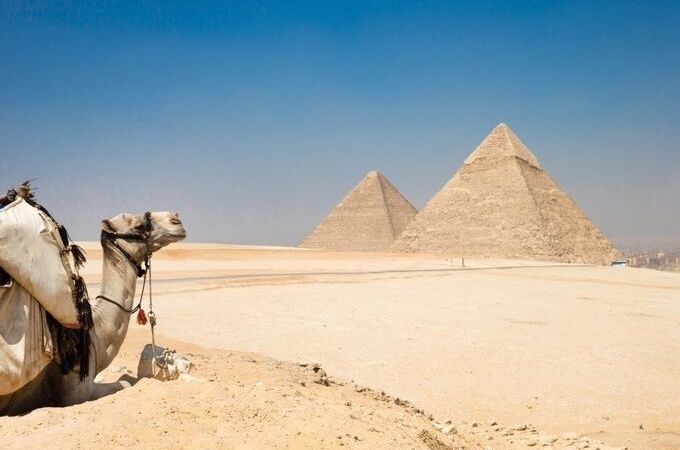
During peak summer, Giza strongly rewards an early start because the plateau offers limited escape from direct sunshine.
September doesn't remove that logic, especially early in the month, but it begins making the cultural day feel less defensive. You may find it easier to spend proper time around the plateau without thinking continuously about returning to air conditioning.
That matters because Giza deserves curiosity rather than endurance.
Look beyond the three famous pyramid silhouettes. Spend time understanding how the plateau fits together, see the Sphinx within its wider setting and allow enough time for the sheer scale of the place to register.
Travellers building the historical side of the journey can consider Egypt heritage routes, using Cairo as the beginning of a cultural itinerary rather than merely a stop before heading to the coast.
Luxor Is Still Hot—Just Increasingly Worth the Trade-Off
This is where September needs honest writing.
Luxor does not suddenly become cool because August has ended. Early starts remain valuable, exposed sites can still feel intensely warm, and midday deserves respect.
What changes is the direction of travel.
Conditions are moving towards the stronger cultural season rather than deeper into summer, which makes late September particularly interesting for travellers whose priorities sit firmly with archaeology.
You can begin giving Luxor more space again.
Not necessarily more sites per day, but more of the trip.
That distinction matters.
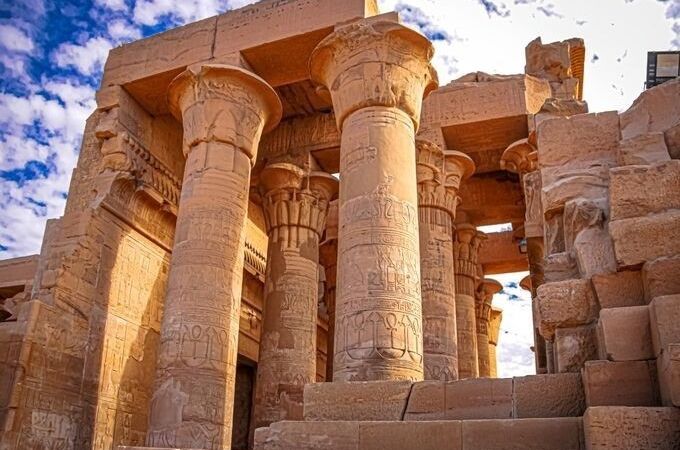
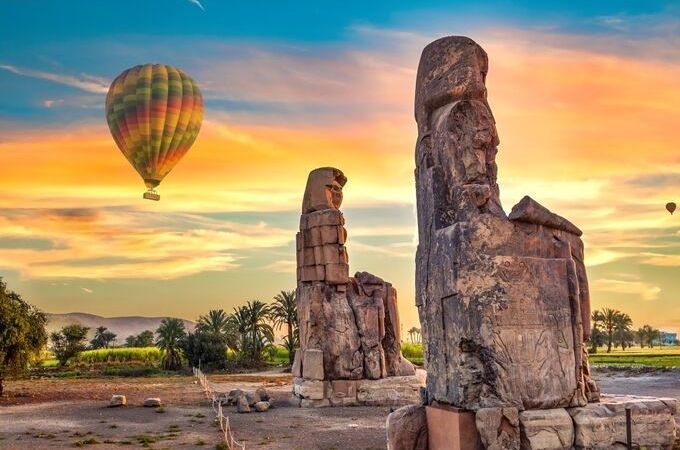
After the coast-led logic of August, September allows the Valley of the Kings, Karnak and the Nile to start moving back towards the centre of the itinerary.
The Red Sea Doesn't Disappear When Culture Returns
Seasonal transitions rarely involve one destination replacing another.
The Red Sea remains an excellent reason to travel in September. Swimming, diving, snorkelling and resort time can still occupy a major part of the holiday, and travellers who prefer a coast-heavy itinerary have no reason to abandon it simply because cultural touring is becoming easier.
What September changes is the balance.
A culture-and-coast journey begins making more sense again without requiring the cultural portion to be reduced to one carefully rationed excursion.
You might spend several days in Cairo, continue towards Luxor and still finish beside the Red Sea. The itinerary begins to widen.
Summer has not disappeared.
Your choices are simply returning.
September Is About Regaining Possibilities
That is the month's place within this weather cluster.
August asks you to simplify and let the Red Sea lead. October will offer a more naturally balanced environment for broad cultural touring.
September belongs between them.
It is the month when travellers can begin expanding the itinerary again, particularly later on, while still remembering what summer taught them about sensible pacing.
Keep the earlier starts where they help. Don't turn midday into an archaeological endurance test simply because the season is changing. Leave enough space around major sites to actually enjoy them.
The difference is that those decisions now feel less like restrictions and more like good travel habits.
Egypt's cultural season is beginning to wake up again.
September simply asks you not to wake it too quickly.
September Is Really Three Travel Windows
Most monthly weather guides treat September as a single block, but that isn't always the most useful way to plan Egypt.
The seasonal transition happens gradually, and it doesn't move through the country at exactly the same pace. Early September can still demand something close to a summer approach in Upper Egypt, while the final part of the month begins making a broader cultural itinerary easier to justify.
This doesn't mean you need three separate packing lists.
It means your dates can influence where you spend the larger share of the trip.
Early September: Keep One Foot in Summer
If you're arriving during the first part of September, don't assume the change of month has switched off the summer heat.
Upper Egypt can remain demanding during the day, making early archaeological visits and substantial downtime sensible. A classic Cairo–Luxor–Aswan route is certainly possible, but travellers who aren't deeply committed to extensive archaeology may still prefer giving the Red Sea a generous share of the holiday.
This is particularly relevant for families and travellers who enjoy the coast.
A few carefully chosen cultural days followed by a longer stay beside the sea can provide enough variety without asking every destination to compete for equal time.
The key is not expecting early September to behave like autumn simply because your flight ticket says September.
Mid-September: The Itinerary Starts Opening Up
By the middle of the month, the most interesting change isn't necessarily a dramatic fall in temperature.
It is flexibility.
Culture and coast begin sitting more comfortably beside one another. Cairo can carry several serious sightseeing days, Luxor becomes easier to justify as a meaningful stop rather than a tightly controlled excursion, and the Red Sea remains strong enough to provide a completely different second half of the trip.
This is where Nile coast journeys can start making particular sense: not because the Nile or Red Sea suddenly changed overnight, but because the seasonal balance allows both experiences to occupy meaningful space.
You no longer have to decide quite so aggressively between history and water.
Late September: Give Culture More Room
Travellers arriving towards the end of September can begin leaning further into Egypt's archaeological route, while remembering that Upper Egypt remains warm and year-to-year conditions vary.
This is an excellent point in the calendar for people who want substantial cultural sightseeing but still enjoy warm weather. The Nile begins reclaiming more attention, and longer stays in Luxor become easier to build into the route without making every afternoon revolve around escaping peak-summer conditions.
| Your September Dates | Consider Emphasising |
|---|---|
| Early September | Coast + selective culture |
| Mid-September | Balanced culture and Red Sea |
| Late September | Stronger cultural route + optional coast |
These are planning tendencies, not rules.
A diver arriving on September 27 may still spend the entire holiday beside the Red Sea. An archaeology enthusiast arriving on September 2 may happily dedicate most of the trip to Luxor.
The calendar should inform your priorities, not replace them.
Don't Pack Three Holidays Into the Transition
As the itinerary becomes more flexible, another problem appears: travellers start adding everything back.
Cairo.
Luxor.
Aswan.
Abu Simbel.
Nile cruise.
Hurghada.
Perhaps Alexandria because there are still two empty lines on the spreadsheet.
September gives you more possibilities than August, but it doesn't require you to use all of them. The best consequence of improving conditions is not that you can visit more destinations; it is that you can experience the destinations you choose with greater freedom.
That is a much better use of the seasonal transition.
September's Real Luxury Is Choice
During peak summer, weather can become the dominant voice in itinerary planning. By late September, your interests begin speaking louder again.
If ancient Egypt is the priority, you can start giving it more time. If the Red Sea is why you're travelling, nothing requires you to reduce the coastal stay. If you want both, the month increasingly supports that combination without forcing one side of the journey to feel like an afterthought.
That is why September shouldn't be described merely as “still hot.”
It is a month in motion.
And the later you travel through it, the more Egypt starts handing the itinerary back to you.

A travel professional specializing in tailor-made travel planning, guest experience management, and multi-destination tourism operations.
With over 23 years of experience in the travel industry, he designs and manages private and cultural tours for international travelers across Türkiye, Greece, Egypt, Jordan, Morocco, and other destinations.
He has strong expertise in both online and face-to-face guest communication, sales processes, and end-to-end travel operations.
Working closely with hotels, travel agencies, and local partners, he ensures smooth coordination and high-quality travel experiences at every stage of the journey.
His focus is on delivering personalized, reliable, and seamless travel experiences for international guests worldwide.