
Visiting Egypt’s Temples and Tombs: Complete Travel Guide
Egypt’s temples and tombs are among the most extraordinary historical treasures on Earth. From the towering columns of Karnak to the hidden chambers of the Valley of the Kings, these sacred sites reveal stories of pharaohs, gods, and ancient beliefs that shaped civilization for thousands of years.
For travelers planning cultural sightseeing, memorable holidays, or even a romantic honeymoon vacation, exploring Egypt’s temples and tombs is an essential experience. This guide explains where to go, how to plan, and how to include these landmarks in well‑organized travel packages and tours in Egypt.
Why Egypt’s Temples and Tombs Are Must‑See Attractions
Egyptian temples were built to honor gods, while tombs were created to protect rulers in the afterlife. Together, they form an open‑air museum stretching along the Nile Valley.
Visiting these sites allows travelers to walk through 4,000 years of history, admire ancient engineering, and understand religious traditions that still influence modern culture. Few destinations offer such powerful and educational sightseeing experiences within one country.
Most Famous Temples to Visit in Egypt
Karnak Temple (Luxor)
The largest religious complex ever built, Karnak impresses visitors with massive columns, sacred lakes, and intricate hieroglyphs.
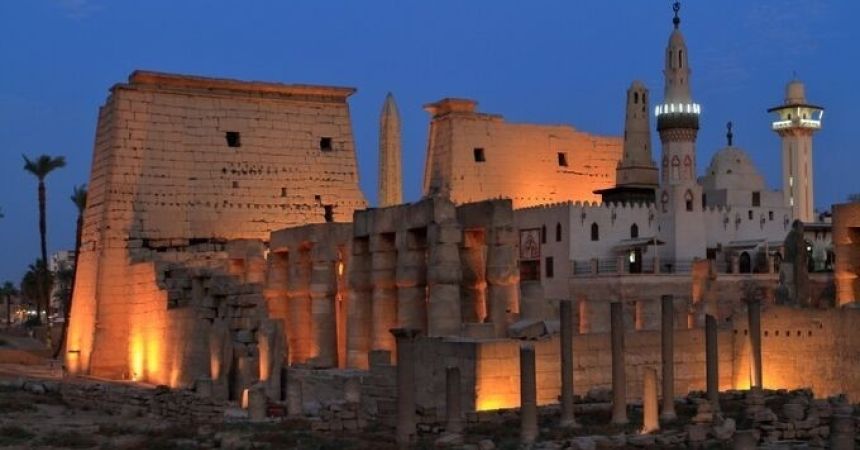
Luxor Temple
Located in the heart of Luxor, this temple is beautifully illuminated at night and often included in evening tours.
Abu Simbel
Carved into solid rock, these colossal temples were built by Ramses II and relocated to save them from flooding. They are highlights of many premium travel packages.
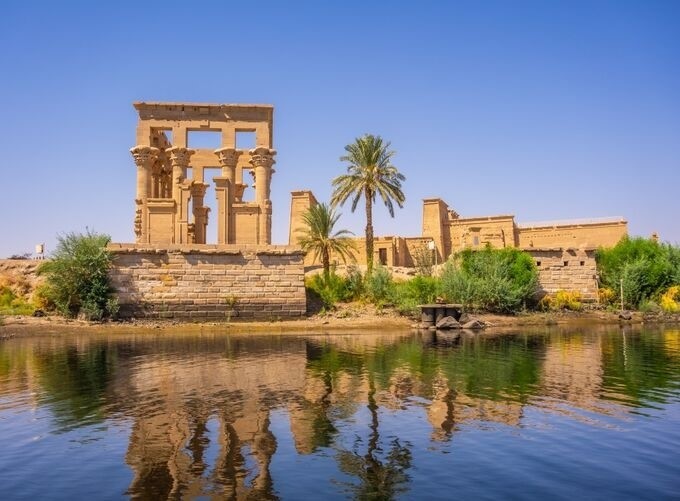
Philae Temple (Aswan)
Dedicated to the goddess Isis, this island temple is reached by boat and offers magical sunset views.
Edfu and Kom Ombo
These well‑preserved temples are commonly visited during Nile cruise tours between Luxor and Aswan.
Most Important Tomb Sites in Egypt
Valley of the Kings
Home to the tombs of Tutankhamun, Ramses II, and other pharaohs, this is Egypt’s most famous burial ground.
Valley of the Queens
Known for the beautifully decorated tomb of Queen Nefertari, offering some of the finest ancient artwork.
Tombs of the Nobles
These lesser‑known tombs provide insight into daily life of ancient Egyptian officials and families.
Best Way to Visit Temples and Tombs
Join Guided Tours
Professional guides explain symbols, history, and architecture, making visits far more meaningful than self‑guided exploration.
Choose a Nile Cruise
Nile cruises are one of the easiest ways to visit multiple temples and tombs in comfort, combining accommodation, transport, and guided sightseeing in Egypt.
Book Complete Travel Packages
Well‑planned vacation packages usually include Cairo, Luxor, Aswan, internal flights, hotels, entrance tickets, and expert guides, ensuring a smooth travel experience.
Best Time to Explore Egypt’s Ancient Sites
The ideal period for temple and tomb sightseeing is:
- October to April: Cooler temperatures and comfortable walking conditions
- May to September: Hotter weather, but fewer crowds and lower tour prices
Early morning visits are recommended year‑round to avoid heat and busy hours.
Tips for a Comfortable Visit
- Wear light, modest clothing and comfortable shoes
- Carry water, sunscreen, and a hat
- Respect photography rules inside tombs
- Avoid touching wall carvings
- Keep small cash for entrance upgrades
Following these tips helps protect the monuments and ensures a pleasant holiday experience.
Visiting Temples and Tombs on a Honeymoon or Family Vacation
Couples often include Luxor and Aswan in romantic honeymoon vacation itineraries, combining ancient history with Nile cruises and luxury hotels. Families benefit from educational guided tours that turn history into an exciting real‑world classroom for children.
Many tours are designed to balance cultural exploration with relaxation in Red Sea resorts or Cairo city sightseeing.
Final Thoughts
Learning how to visit Egypt’s iconic temples and tombs properly transforms your trip from ordinary travel into a meaningful journey through time. These monuments are not just attractions; they are living chapters of human history.
Whether you explore them through private tours, luxury travel packages, or classic Egypt cultural holidays, Egypt’s sacred sites will remain among the most unforgettable experiences of your lifetime.
Frequently Asked Questions
- Do I need a guide to visit temples and tombs in Egypt?
A guide is not required, but strongly recommended. Professional guides explain history, symbols, and stories, greatly improving your sightseeing experience and understanding of each site.
- How many days are needed to see the main temples and tombs?
Most travelers need three to four days in Luxor and Aswan to visit major temples and tombs comfortably without rushing through important attractions.
- Are entrance tickets included in travel packages?
Many travel packages include standard entrance tickets. Special tombs, such as Nefertari’s, often require additional fees arranged through tour operators.
- Is it safe to visit these sites with children?
Yes, temples and tombs are safe for families. Guided tours help children understand history while ensuring comfortable pacing and safety throughout the visit.
- Can I combine temples and tombs with beach holidays?
Absolutely. Many vacation packages combine cultural tours in Luxor and Aswan with relaxing stays in Hurghada or Sharm El Sheikh resorts.


