Greece in March: Watching the Country Wake Up to Spring
Last Updated: August 7, 2026
By the time March arrives, Greece begins to change almost quietly.
The shorter winter days give way to longer afternoons, cafés place tables back outside, almond trees bloom in many regions, and the countryside slowly shifts from muted winter colours to fresh shades of green.
It isn't summer.
And that's precisely why many experienced travellers love it.
March offers something that disappears once the high season begins: space.
Historic sites are easier to appreciate without large crowds. Walking through old neighbourhoods feels unhurried, and scenic drives across the mainland reveal landscapes that are still lush after the winter rains.
For visitors expecting beach weather, March may come as a surprise.
For those interested in culture, history, photography, food, and authentic local life, it often becomes one of the most rewarding months of the year.
This guide isn't about convincing everyone to visit Greece in March.
Instead, it explains what the month genuinely feels like, how conditions vary across different regions, what activities suit the season best, and why many returning travellers deliberately choose early spring over the busy summer months.
March Marks the Beginning of a New Season
March sits between two very different travel periods.
Winter hasn't disappeared completely, yet spring has already begun to reshape the country.
That transition creates a travel experience unlike any other month.
Depending on where you are, mornings can still feel crisp, while afternoons become pleasantly mild under clear Mediterranean skies.
It's a month of contrast rather than extremes.
Mountain villages may still see traces of winter, while coastal regions begin welcoming longer, brighter days.
The changing scenery makes road journeys particularly enjoyable, as landscapes evolve noticeably from one region to another.
Travellers who explore Greece during the first weeks of spring often appreciate these seasonal changes because they experience a side of the country that many summer visitors never see.
The Landscapes Look Different in March
Ask someone to describe Greece and they'll probably mention white villages, blue seas, and bright sunshine.
March tells a different story.
Olive groves appear greener.
Wildflowers begin covering hillsides.
Orange and lemon trees carry new blossoms in many southern regions.
Fields that become dry during midsummer are still vibrant after winter rainfall.
For photographers and nature lovers, these colours create an entirely different version of Greece.
Rather than dramatic summer contrasts, March offers softer light, fresh vegetation, and excellent visibility after seasonal rain has cleared the atmosphere.
The result is a landscape that feels calm, balanced, and surprisingly diverse.
Why March Rewards Curious Travellers
Some destinations are best experienced when they're full of energy.
Others reveal more of their character before peak season arrives.
March belongs firmly to the second category.
Without long queues, crowded viewpoints, or busy waterfronts, visitors often find themselves paying closer attention to the details.
A conversation with a local shopkeeper.
Fresh bread arriving at a neighbourhood bakery.
The quiet atmosphere inside a centuries-old monastery.
The changing colours of the countryside during an afternoon drive.
These experiences rarely appear on travel itineraries.
Yet they're often the memories that remain longest after returning home.
Travellers who discover Greece beyond the summer season frequently describe March as one of the country's best-kept secrets—not because it offers the hottest weather, but because it allows Greece to feel wonderfully unhurried.
Regional Weather Can Feel Surprisingly Different
One of the biggest mistakes travellers make is assuming the weather is the same across Greece.
It isn't.
The country stretches from the northern mainland to islands much closer to Africa than many people realise. Mountains influence local climates, coastlines soften temperatures, and altitude can completely change the conditions within a relatively short drive.
That's why asking, "What's the weather like in Greece in March?" doesn't always produce one simple answer.
The better question is:
"Which part of Greece are you visiting?"
March is a month where regional differences become particularly noticeable, making it worth looking beyond national averages.
Athens: Mild Days and Comfortable Sightseeing
March is one of the most enjoyable months for exploring Athens on foot.
The intense summer heat hasn't arrived, making long walks between historic neighbourhoods and archaeological sites much more comfortable.
Afternoons are often pleasant enough for outdoor cafés, while mornings and evenings may still require a light jacket.
It's also a month when the city feels more relaxed.
Without peak-season crowds, visitors can spend more time appreciating everyday life alongside the famous landmarks.
Local parks begin turning greener, outdoor markets become livelier, and longer daylight hours encourage people to spend more time outside.
For travellers interested in history, architecture, and local culture, March creates excellent sightseeing conditions.
Santorini: A Different Kind of Beauty
Santorini in March isn't about sunbathing beside the pool.
It's about experiencing the island before summer transforms it.
Walking through quiet streets, watching dramatic clouds drift across the caldera, and enjoying panoramic viewpoints without large crowds gives the island a completely different atmosphere.
Many restaurants, cafés, and seasonal businesses gradually reopen during this period, while local life becomes more visible before tourism reaches its busiest months.
The sea remains cool, but the island's volcanic landscapes are ideal for walking and photography.
Travellers who experience Santorini in early spring often return with a very different perspective from those who visit during the height of summer.
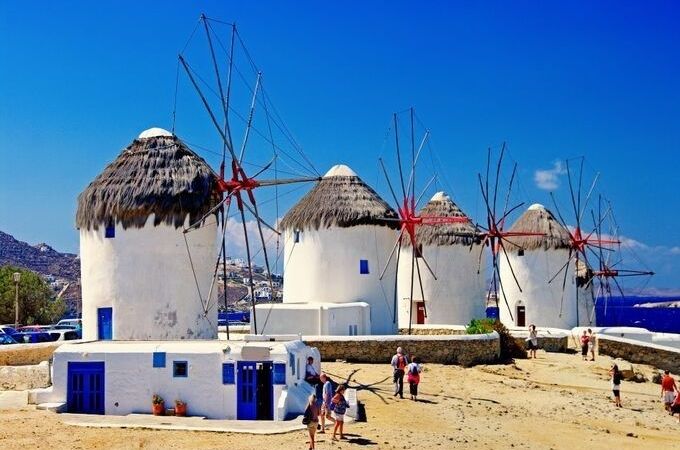
Mykonos: Peace Before the Peak Season
Most people associate Mykonos with beach clubs and lively nightlife.
March reveals another side of the island.
The famous whitewashed streets feel quieter.
Windmills overlook nearly empty waterfronts.
Fishing boats continue their daily routines while local cafés welcome residents preparing for another tourism season.
The weather can change quickly, with sunny afternoons sometimes followed by cooler breezes.
Although swimming is uncommon for most visitors, walking around Chora, exploring coastal paths, and photographing the island without heavy crowds become genuine highlights.
Crete: The Warmest Choice for March
If you're looking for the mildest conditions in Greece during March, Crete is usually among the strongest options.
As the country's largest island, it also has its own microclimates.
Southern coastal areas often feel noticeably warmer than mountain villages in the interior.
Spring arrives early across many parts of the island, bringing colourful landscapes and ideal conditions for road trips.
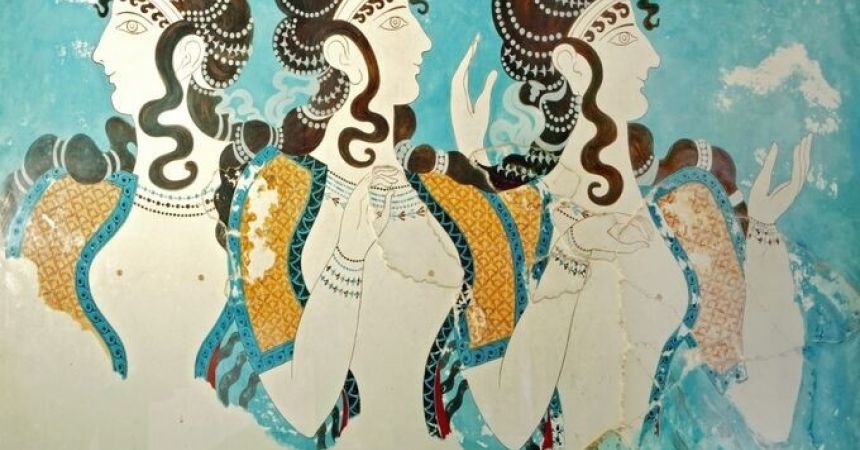
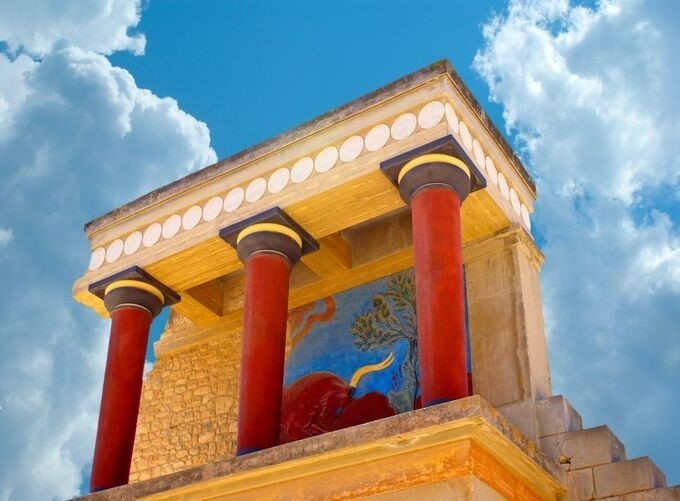
March is particularly popular among travellers who enjoy hiking, traditional villages, archaeological sites, and exploring beyond the coastline.
The combination of comfortable temperatures and quieter roads makes it one of the most rewarding months for discovering Crete at a relaxed pace.
Northern Greece and Thessaloniki
Northern Greece experiences a more continental climate than many southern regions.
March can still bring cool mornings, occasional rain, and noticeable day-to-day variation.
That said, the changing season gives the landscape a freshness that's particularly appealing.
Around Thessaloniki, parks begin coming back to life, cafés gradually fill with outdoor seating, and cultural attractions can be enjoyed without the summer rush.
Travellers visiting northern Greece in March should simply pack with flexibility in mind.
Layered clothing is usually far more practical than relying on one type of outfit throughout the day.
Meteora in Early Spring
Few places change character with the seasons as dramatically as Meteora.
In March, the towering rock formations often emerge through morning mist before giving way to bright afternoon skies.
Fresh vegetation begins covering the surrounding valleys, creating beautiful contrasts with the grey cliffs above.
The cooler temperatures also make climbing the monastery steps considerably more comfortable than during midsummer.
For photographers, hikers, and travellers interested in religious heritage, March offers excellent conditions.
The landscape feels peaceful, and the softer seasonal light adds depth to every viewpoint.
Travellers who visit Meteora during spring often consider it one of the best seasons for appreciating both the scenery and the atmosphere.
What About the Sea?
One of the most common questions concerns swimming.
The honest answer is that March isn't considered the start of the swimming season for most visitors.
The sea has spent the winter gradually cooling, and although sunny afternoons may tempt some people, water temperatures remain refreshing rather than warm.
Experienced swimmers sometimes enjoy short swims, particularly in southern regions during exceptionally pleasant weather.
Most travellers, however, visit the coast for different reasons.
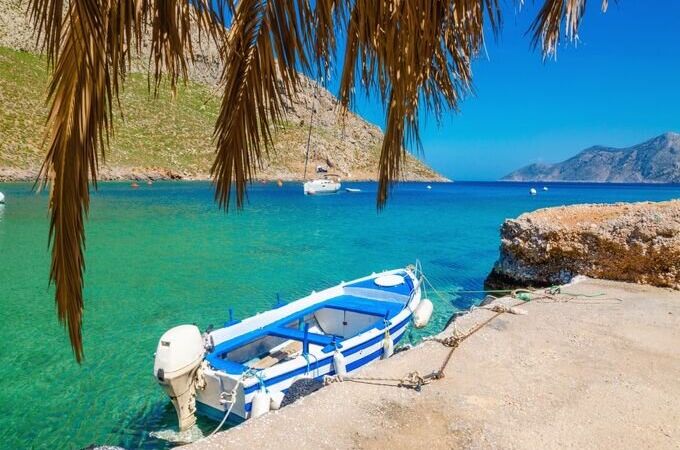
Seaside walks.
Fresh seafood lunches overlooking quiet harbours.
Watching waves roll into nearly empty beaches.
The coastline remains just as beautiful, even if swimming isn't the main attraction.
Longer Days Mean More Time Outdoors
One noticeable advantage of travelling in March is the steady return of daylight.
Each week feels slightly longer than the last.
Early sunsets become less common, giving visitors more flexibility to enjoy afternoons without feeling rushed.
Those extra hours make a real difference.
You can explore a historic district after lunch without watching the clock.
Enjoy a relaxed dinner while there's still natural light.
Take an evening stroll along the waterfront before returning to your hotel.
It may seem like a small detail, but longer daylight quietly changes the rhythm of the entire holiday.
Packing for March Means Preparing for Variety
March isn't a month for heavy winter clothing.
It isn't quite time for summer outfits either.
The smartest approach is to pack for changing conditions rather than aiming for one fixed temperature.
A light waterproof jacket, comfortable walking shoes, and a few extra layers usually provide far more flexibility than bringing bulky clothing.
Many afternoons become pleasantly mild, particularly in southern Greece, while mornings can still feel cool enough for a sweater or light coat.
If your itinerary includes mountain regions alongside coastal destinations, you'll almost certainly notice significant differences throughout the day.
Packing with flexibility allows you to enjoy those changes instead of being caught unprepared.
March Is One of the Best Months for Sightseeing
For travellers whose priority is history, architecture, museums, and local culture, March deserves far more attention than it usually receives.
Without intense summer sunshine, long walking days become much easier.
Climbing to panoramic viewpoints feels more comfortable.
Exploring archaeological sites during the afternoon is enjoyable rather than exhausting.
Historic neighbourhoods invite slower exploration, giving you time to notice details that often disappear during the busiest months.
Many returning visitors say they spend less time searching for shade and more time simply appreciating where they are.
Travellers who explore Greece through our private Greece tours often discover that early spring allows guides and visitors alike to enjoy famous landmarks at a far more relaxed pace.
Spring Landscapes Reward Nature Lovers
By March, much of the Greek countryside has taken on a completely different appearance from the dry landscapes many associate with midsummer.
Rolling hills begin turning vibrant green.
Wildflowers appear beside country roads and walking trails.
Olive groves look refreshed after the winter rains.
Fruit trees begin flowering across many rural areas.
For anyone interested in photography, hiking, or scenic drives, this seasonal transformation becomes one of the biggest advantages of travelling during March.
Instead of dramatic summer heat, the countryside feels alive with the quiet energy of a new season.
A Wonderful Month for Photography
Photographers often appreciate March for reasons that have little to do with famous landmarks.
The quality of light changes.
Cloud formations add depth to landscapes.
Morning mist occasionally settles around valleys and mountains before lifting into bright afternoons.
Without dense summer crowds, composing photographs also becomes much easier.
Historic streets remain visible.
Viewpoints are less crowded.
Popular attractions can often be enjoyed without waiting for large tour groups to move on.
Rather than rushing from one location to another, March encourages a slower approach to photography.
Sometimes the most memorable image isn't the famous landmark itself.
It's the atmosphere surrounding it.
Can You Swim in March?
Technically, yes.
Realistically, it depends on your expectations.
Sea temperatures remain cool after winter, and most visitors don't plan a March holiday around beach days.
However, that doesn't reduce the appeal of Greece's coastline.
Harbour towns remain full of character.
Seafront restaurants begin welcoming more outdoor diners.
Coastal walking paths become especially enjoyable under mild spring sunshine.
For experienced open-water swimmers, shorter swims may still be appealing in southern regions during particularly warm spells.
For most travellers, though, the coast becomes a place to relax, enjoy fresh seafood, and appreciate spectacular views rather than spend hours in the water.
Fewer Crowds Mean More Authentic Experiences
One of March's greatest strengths is something you won't find in a weather forecast.
Space.
You'll notice it while walking through historic neighbourhoods.
Ordering coffee in a local café.
Visiting museums.
Exploring archaeological sites.
Instead of constantly navigating large groups, you'll often find yourself moving comfortably at your own pace.
That slower rhythm also creates more opportunities for conversations with local residents, discovering independent shops, and noticing details that busy summer schedules sometimes hide.
Travellers who join one of our small-group Greece tours frequently mention how much they enjoy exploring famous destinations before the busiest visitor season begins.
Is March Good Value?
Compared with the peak summer months, March often offers excellent overall value.
Accommodation availability is generally stronger, making it easier to choose hotels that suit your preferences.
Flights on many routes may also be more competitively priced than during the height of summer demand.
Perhaps more importantly, value isn't measured only by price.
Spending less time waiting in queues.
Having greater flexibility when visiting attractions.
Enjoying quieter restaurants and scenic viewpoints.
Those advantages often become just as valuable as financial savings.
Who Will Enjoy Greece in March the Most?
March isn't designed for everyone.
Travellers expecting long beach days and consistently hot weather may prefer later months.
On the other hand, March can be an exceptional choice for visitors who enjoy cultural discovery, photography, walking holidays, scenic road trips, and experiencing destinations before they become busier.
It's particularly well suited to curious travellers who appreciate atmosphere as much as sunshine.
Many people visit Greece for the sea.
Others visit to understand the country itself.
March quietly rewards the second group.
If you're planning a journey that combines historical landmarks with local experiences, our customised Greece and Turkey tours also make excellent use of the comfortable spring conditions on both sides of the Aegean.
Is March the Right Month for Your Greece Trip?
March isn't the month that attracts everyone.
And that's exactly why many experienced travellers appreciate it.
It offers a different version of Greece.
One where history isn't hidden behind queues.
Where villages still move at their normal rhythm.
Where spring slowly transforms the landscape week after week.
If your dream holiday revolves around beach clubs, warm sea temperatures, and long days by the water, waiting until later in the season will probably suit you better.
But if your idea of a memorable journey includes wandering through ancient streets without rushing, enjoying lunch outdoors on a mild afternoon, photographing landscapes filled with spring colours, and experiencing Greece before the peak season begins, March deserves serious consideration.
Rather than asking whether March is "good" or "bad," the better question is:
Is March the right month for the kind of traveller you are?
Greece Weather in March at a Glance
| Category | What to Expect |
|---|---|
| Overall Weather | Early spring with gradually warming days and cooler mornings and evenings. |
| Crowds | Low to moderate, with many famous attractions remaining pleasantly uncrowded. |
| Sightseeing | Excellent conditions for walking tours, archaeological sites, and city exploration. |
| Nature | Green countryside, wildflowers beginning to bloom, and beautiful spring scenery. |
| Swimming | Possible for experienced swimmers, but generally too cool for most visitors. |
| Photography | Outstanding thanks to softer light, greener landscapes, and fewer crowds. |
| Ferry Services | Increasing seasonal operations, although not yet at peak summer frequency. |
| Best For | Culture lovers, photographers, hikers, couples, and first-time visitors seeking a quieter experience. |
What to Pack for Greece in March
Packing for March is less about preparing for cold weather and more about preparing for changing conditions throughout the day.
A practical packing list usually includes:
- Comfortable walking shoes with good support
- Light waterproof jacket
- Sweater or lightweight fleece for cooler mornings
- Long trousers and breathable layers
- Sunglasses and sunscreen for sunny afternoons
- Compact umbrella for occasional spring showers
- Small daypack for sightseeing
- Camera with extra batteries or storage for spring landscapes
Packing versatile clothing allows you to stay comfortable whether you're exploring Athens, walking through Meteora, or enjoying the coastline on a sunny afternoon.
Frequently Asked Questions
1. Is March a good month to visit Greece?
March is one of the best months for travellers who prioritise sightseeing, photography, history, and experiencing authentic local life. While it isn't peak beach season, the mild weather, greener landscapes, and smaller crowds create an excellent environment for exploring the country comfortably.
2. Is Greece warm enough in March?
Many regions experience pleasantly mild afternoons, especially in southern Greece, although mornings and evenings can still feel cool. Temperatures vary significantly between northern regions, mountain areas, and the southern islands, making layered clothing the most practical choice.
3. Can you swim in Greece during March?
Swimming is certainly possible, particularly for travellers accustomed to cooler water, but most visitors consider the sea refreshing rather than warm. March is generally better suited to coastal walks, harbour towns, and enjoying seaside scenery than spending entire days on the beach.
4. Does it rain a lot in Greece in March?
Rainfall is usually lighter than during the winter months, although occasional showers remain possible depending on the region. These showers are often short-lived and help create the green landscapes and colourful spring scenery that make March so attractive.
5. Which part of Greece has the warmest weather in March?
Southern Greece, particularly Crete and some southern coastal areas, generally enjoys the mildest conditions during March. Northern Greece and mountainous regions remain noticeably cooler, especially during mornings and evenings.
6. Is March suitable for island hopping?
It can be, although travellers should expect fewer ferry services than during the peak summer months. Islands are generally quieter, making March an appealing option for visitors looking for a more peaceful atmosphere rather than busy beach resorts.
7. Is March a good month for Athens?
Absolutely. Comfortable daytime temperatures make exploring archaeological sites, museums, and historic neighbourhoods far more enjoyable than during the hottest months of the year. It's an excellent time for travellers who expect to spend long hours walking outdoors.
8. What should I wear in Greece during March?
Layering is the key. Light jackets, sweaters, breathable clothing, and comfortable walking shoes usually provide enough flexibility to adapt to changing temperatures between morning, afternoon, and evening throughout your trip.
9. Are tourist attractions open in March?
Yes. Greece's major archaeological sites, museums, historic landmarks, and cultural attractions remain open, making March an excellent time for sightseeing. Seasonal tourism businesses gradually increase operations as spring progresses.
10. Is March expensive compared with summer?
In many cases, March offers better overall value than the peak summer season. Greater accommodation availability, fewer crowds, and increased flexibility often make the overall travel experience both more comfortable and more economical.
11. Who should choose March instead of summer?
Travellers interested in culture, walking holidays, photography, road trips, local experiences, and quieter destinations often find March more rewarding than the busiest summer months. It suits visitors who value atmosphere and authenticity over consistently hot beach weather.
12. Is March recommended for a first visit to Greece?
Yes. If your primary goal is discovering Greece's history, culture, landscapes, and everyday life rather than beach holidays, March provides an excellent introduction. The relaxed atmosphere often allows first-time visitors to experience the country at a more comfortable pace.

A travel professional specializing in tailor-made travel planning, guest experience management, and multi-destination tourism operations.
With over 23 years of experience in the travel industry, he designs and manages private and cultural tours for international travelers across Türkiye, Greece, Egypt, Jordan, Morocco, and other destinations.
He has strong expertise in both online and face-to-face guest communication, sales processes, and end-to-end travel operations.
Working closely with hotels, travel agencies, and local partners, he ensures smooth coordination and high-quality travel experiences at every stage of the journey.
His focus is on delivering personalized, reliable, and seamless travel experiences for international guests worldwide.