Casablanca in April Is About What Happens When You Stop Sightseeing
Author: Kenan Ungur
Article Date: 18.09.2024
Reading Time: 13 min

Casablanca in April Is About What Happens When You Stop Sightseeing

Updated: August 2026

There is a version of Casablanca that can disappear when an itinerary becomes too efficient.

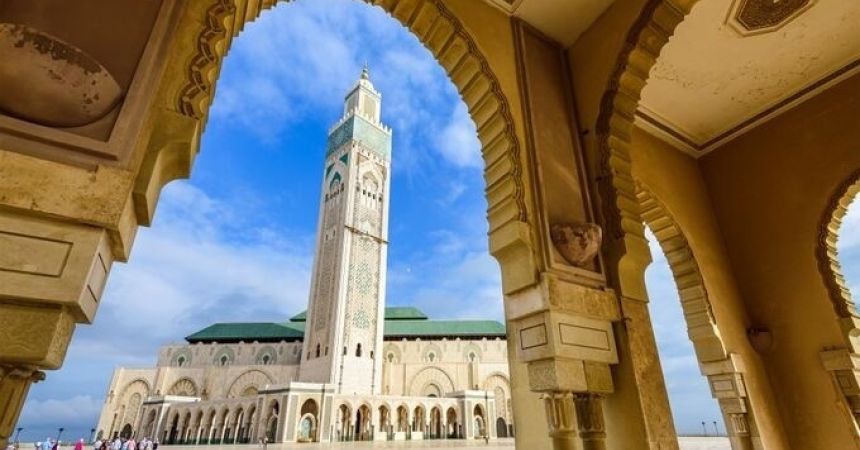
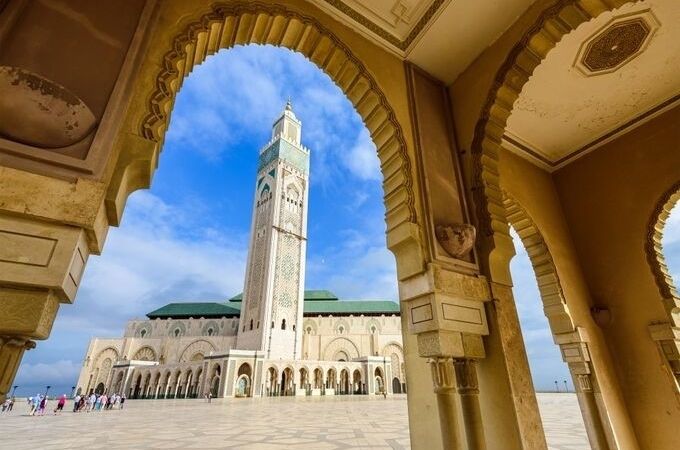
A driver drops you at Hassan II Mosque. You visit. Another transfer takes you toward the center. You see the market, photograph several architectural landmarks, eat lunch and continue to the next attraction.

Technically, you have experienced Casablanca.

Yet you may have missed one of the city's more revealing pleasures: sitting somewhere with nowhere urgent to go.

April gives that slower layer more room to become part of the trip. As spring develops, outdoor tables, public spaces and longer pauses can become increasingly appealing when the day's actual conditions cooperate. Rain and Atlantic wind remain possible, so this is not a promise of uninterrupted terrace weather. Instead, April creates more opportunities for ordinary outdoor city life to become travel time rather than time between attractions.

That distinction gives the month its own identity.

The Empty Hour Is Not Actually Empty

Imagine that you finish a morning visit at 11:30 but lunch is not until 1:00.

A tightly managed itinerary immediately searches for another attraction.

April suggests another possibility.

Find a café. Sit outside if conditions are pleasant. Order something slowly and watch Casablanca continue without you trying to organize it.

People commute, friends meet, traffic moves through intersections, waiters rearrange tables and the city's everyday rhythm becomes visible precisely because you have stopped moving through it.

For someone planning a Casablanca April getaway, these unstructured periods can provide context that formal sightseeing cannot.

The city stops performing as a destination and begins behaving like itself.

Café Terraces Are Observation Points

Casablanca has a strong café culture, but describing cafés merely as places to drink coffee misses their usefulness to a traveler.

A terrace gives you permission to observe.

You begin noticing clothing, conversations, street movement, architecture and the relationship between pedestrians and traffic. None of these observations deserves its own sightseeing appointment, yet together they contribute substantially to your impression of the city.

April's weather can make these pauses easier to incorporate naturally, although the specific table still depends on sunshine, breeze and current conditions.

The important change is conceptual: the café is no longer just where you recover from sightseeing.

It is where another kind of sightseeing begins.

Lunch Can Become an Event Without Becoming Fine Dining

A memorable April lunch does not require an elaborate restaurant.

What matters is having enough time for the meal to become part of the day rather than a logistical necessity between two attractions.

If the weather suits outdoor seating, a terrace can extend that experience further. You remain connected to Casablanca while the itinerary temporarily stops demanding anything from you.

This creates a different relationship with time from March.

March used cafés and lunch as punctuation within longer walking sequences. April gives them independent value.

You are not resting so you can continue exploring.

For that hour, sitting there is the exploration.

April's Best Moments May Never Reach the Itinerary

Some experiences cannot be booked because you do not know they exist until they happen.

Unplanned April Moment Why It Can Matter
Unexpected sunny café table Encourages you to stay longer than intended
Street-side lunch Lets everyday Casablanca continue around you
Bench in a public space Changes the trip from movement to observation
Unplanned pastry or coffee stop Creates a local pause without another attraction
Atlantic-facing break Adds landscape without requiring a formal waterfront itinerary
Extra twenty minutes in a square Gives architecture and city movement time to register

Notice that this is not another weather-response table. It measures experiential value created by unscheduled outdoor time.

Place Mohammed V Square Between Things

A public square often becomes a photograph-and-leave attraction because there is no obvious activity to “do” once you arrive.

That is exactly why April can make it more interesting.

Instead of visiting only to record that you have seen it, allow the square to connect other parts of your day. Look at the surrounding architecture, watch movement through the space and continue when you naturally feel ready rather than when a predetermined sightseeing allocation expires.

For travelers following a Morocco urban journey, this slower approach can be especially useful in Casablanca because the city's appeal is not concentrated exclusively in monumental historical sights.

Much of its character exists in how the urban pieces function together.

Spring Does Not Mean Guaranteed Terrace Weather

This point needs to remain clear.

April can bring pleasant outdoor periods, but Casablanca remains influenced by Atlantic conditions. Wind, cloud and rain can still alter the day, while individual years naturally differ.

A sunny photograph from someone else's April trip is not a forecast for yours.

The practical advantage is that most of the experiences discussed here are flexible. If a terrace is uncomfortable, sit inside. If rain interrupts a square visit, continue elsewhere. If the afternoon becomes unexpectedly pleasant, allow an outdoor stop to expand.

April works because the itinerary does not depend on outdoor perfection.

The Corniche Can Be a Pause Instead of a Project

January's article gave the Atlantic coastline a major role because exposure defined that month's weather experience.

April deliberately reduces its semantic weight.

You do not need a long analytical waterfront visit. Perhaps you simply reach the coast, walk briefly, find somewhere pleasant to stop and allow the Atlantic to provide a change of scale from central Casablanca.

That is enough.

For a Casablanca coastal escape, this prevents the ocean from becoming a compulsory checklist item while still acknowledging how strongly it contributes to the city's identity.

Leave Space Between Reservations

A fully reserved city day leaves no room for April's strongest experiences.

If lunch is booked immediately after a guided visit, followed by another timed attraction, followed by a scheduled transfer, an inviting café terrace becomes irrelevant because you cannot use it.

Try protecting one period of the day from appointments.

Not because you need rest, and not because you know exactly what you will do with it.

The value comes from not knowing yet.

If conditions are pleasant, remain outside somewhere you like. If the weather becomes unsettled, use that same flexibility for an interior experience. Either way, the unscheduled period adapts to the city rather than forcing the city to adapt to you.

April's Weather Value Is Social, Not Numerical

A conventional weather page would now tell you that April is warmer than March and move directly into packing advice.

That misses this month's exclusive purpose.

The more interesting seasonal change is what increasingly pleasant outdoor periods can allow Casablanca to do. Café terraces become easier to enjoy, meals can stretch outward, public spaces become places to remain rather than cross, and pauses between attractions stop feeling like unused itinerary time.

May will take the Casablanca cluster somewhere else entirely rather than intensifying the same theme.

April gets to own something quieter: the moment when you realize that seeing Casablanca does not always require going somewhere.

Sometimes you understand the city better by ordering another coffee and staying exactly where you are.

How to Plan the Perfect Trip to Chefchaouen, Morocco

Outdoor Time Works Best When It Has No Productivity Target

There is a subtle difference between scheduling a café stop and genuinely allowing yourself to stop.

The first still belongs to the checklist: coffee at 15:00, thirty minutes, then continue. The second gives Casablanca enough time to interrupt your plans. You notice a bakery across the street, stay for another drink, watch the afternoon traffic change or simply realize that you are enjoying the neighborhood more than the attraction you had considered visiting next.

April creates room for this kind of travel because pleasant outdoor periods can make inactivity feel less like waiting and more like participation.

That does not mean abandoning sightseeing. It means recognizing that a city is also experienced through time spent without a specific objective.

Choose Outdoor Seating for the Experience, Not the Photograph

A beautiful terrace can look irresistible online, but the best April table may be considerably less photogenic.

Perhaps it receives useful sunshine without being overly exposed to wind, faces a busy street rather than an elegant courtyard, or simply gives you a comfortable position from which to watch Casablanca pass.

The same applies to restaurants.

Instead of treating outdoor seating as automatically superior because spring has arrived, look at the actual conditions and setting. If the terrace is windy or the weather unsettled, moving indoors does not diminish the experience.

April is about gaining options, not creating another obligation to remain outside.

Let One Meal Take Longer Than Necessary

City-break meals are frequently optimized for speed because every additional half hour appears to remove time from sightseeing.

Try reversing that calculation once.

Choose one lunch or afternoon café stop where you deliberately avoid watching the clock. If the food is good, conversation is enjoyable and the surroundings hold your attention, stay.

The benefit is not simply physical rest. Longer meals create a different relationship with Casablanca because you begin observing patterns that disappear when you are continuously moving.

A street that initially seems ordinary can become unexpectedly interesting after forty minutes of watching how people actually use it.

April Gives Photography a More Everyday Subject

Casablanca's famous architecture deserves photographs, but April's outdoor-life theme encourages a broader visual perspective.

Look at café terraces beneath older façades, people moving through public squares, shadows across white buildings, market activity spilling toward the street and the relationship between modern traffic and earlier architectural layers.

You do not need to photograph strangers closely or intrusively to capture this atmosphere.

Often the most representative Casablanca image is not a perfectly isolated monument but a wider urban scene where architecture and everyday life occupy the frame together.

The Afternoon Doesn't Need a Second Major Attraction

If the morning has already included an important landmark and meaningful city exploration, the afternoon can remain intentionally lighter.

A square, café, short neighborhood walk and unhurried meal may provide enough structure. When conditions are pleasant, these smaller experiences can connect naturally without creating the sense that you are wasting valuable travel time.

This is where April's search intent becomes particularly distinct from March.

March encouraged movement because the streets between destinations contained information. April encourages remaining still because the city reveals different information when you stop moving through it.

Weather Still Gets the Final Vote

The entire approach depends on actual conditions.

A wet or particularly windy April day may make extended terrace time unattractive, and there is no reason to force an outdoor lifestyle because historical climate data suggested spring should cooperate.

Check the short-range forecast, then allow the itinerary to breathe.

If the afternoon turns out beautifully, expand the outdoor portions. If conditions deteriorate, cafés, restaurants, markets and interior visits can absorb more time without requiring you to declare the day unsuccessful.

April's advantage is flexibility, not certainty.

A Good April Day Can Look Surprisingly Unimpressive on Paper

Imagine reviewing two itineraries afterward.

The first contains seven named attractions.

The second contains Hassan II Mosque, several central streets, lunch, a long café stop, time around a public square and an unplanned coastal pause.

On paper, the first appears more productive. In memory, the second may feel considerably more like Casablanca.

That is the central April idea. Weather becomes useful not because it lets you increase the number of attractions but because it can create more comfortable space for ordinary urban experiences to matter.

12 Questions About Casablanca in April

1. What is the weather like in Casablanca in April?

April generally brings mild spring conditions with increasingly pleasant outdoor periods, although Atlantic wind, cloud and rain remain possible. Rather than expecting guaranteed sunshine, travelers can use favorable periods for cafés, squares, outdoor meals and relaxed pauses between formal sightseeing experiences.

2. Is Casablanca warm in April?

Daytime conditions can feel pleasantly mild or warm when sunshine and lighter winds combine, but individual days vary. Coastal influence remains important, so adaptable clothing is more practical than assuming April will consistently provide warm conditions from morning through evening.

3. Does it rain in Casablanca in April?

Rain remains possible during April, although conditions vary considerably between travel dates. Because many of this month's suggested experiences are flexible rather than reservation-dependent, outdoor periods can expand or contract naturally according to the actual forecast.

4. Is April good for sitting outside in Casablanca?

It can be, particularly during pleasant sunny periods with manageable wind. Café terraces, outdoor lunches and public spaces can become enjoyable parts of the trip, although visitors should choose seating according to current conditions rather than assuming every outdoor table will be comfortable.

5. What should I wear in Casablanca in April?

Light, adaptable layers are useful because sunshine, Atlantic breezes, cloud and occasional rain can produce different conditions during one day. Comfortable footwear remains important, while any rain protection should be selected according to the forecast for your specific dates.

6. Are Casablanca café terraces worth experiencing?

Yes, particularly if you enjoy observing everyday city life. A café terrace can provide more than a sightseeing break, giving you time to notice street movement, architecture and local routines that are easily missed when moving continuously between attractions.

7. Can I eat outdoors in Casablanca in April?

Outdoor dining can be enjoyable when conditions cooperate, although wind and rain should be considered alongside temperature. Rather than reserving a terrace simply because it is April, choose restaurants where both the setting and food genuinely interest you.

8. Is Mohammed V Square worth spending time around?

Yes, especially if you appreciate architecture and urban observation. Instead of treating the square exclusively as a photography stop, allow some time to notice the surrounding buildings and everyday movement before continuing naturally toward another part of central Casablanca.

9. Should I visit the Corniche in April?

The Corniche can certainly fit an April itinerary, but it does not need to dominate the day. A shorter walk or relaxed Atlantic-facing pause may provide enough coastal atmosphere while leaving more time for Casablanca's broader urban character.

10. Do I need to book every activity in advance?

Not necessarily. Important timed visits should naturally be arranged when required, but leaving one portion of the day relatively open can be particularly rewarding in April because pleasant weather may encourage an unexpected café, outdoor lunch or longer stay in a public space.

11. Is April the best time to visit Casablanca?

That comparison belongs to a dedicated Best Time to Visit Casablanca guide, where April can be evaluated against other months and different traveler priorities. This page instead focuses on how spring conditions can make Casablanca's everyday outdoor urban life part of the experience.

12. What makes April different from March in Casablanca?

March focuses on connected urban walking, using routes between landmarks to understand Casablanca's geography and architecture. April deliberately slows that movement, exploring how terraces, meals, squares and unscheduled outdoor pauses can become meaningful experiences rather than empty spaces between sightseeing stops.

 
Kenan Ungur
Author

A travel professional specializing in tailor-made travel planning, guest experience management, and multi-destination tourism operations.

With over 23 years of experience in the travel industry, he designs and manages private and cultural tours for international travelers across Türkiye, Greece, Egypt, Jordan, Morocco, and other destinations.

He has strong expertise in both online and face-to-face guest communication, sales processes, and end-to-end travel operations.

Working closely with hotels, travel agencies, and local partners, he ensures smooth coordination and high-quality travel experiences at every stage of the journey.

His focus is on delivering personalized, reliable, and seamless travel experiences for international guests worldwide.

Join The Newsletter

To receive our best monthly deals

Magnificent Travel Logo

Magnificent Travel
Usually responds the same day

Magnificent Travel
Welcome to the Magnificent Travel

How may i help you?
Today
+905324935198
X