Morocco Travel Guide (2026–2027): Guide to Cities, Sahara Desert & Coastal Adventures
Updated for 2026–2027
| Morocco Travel Guide | Details |
|---|---|
| Last Updated | July 2026 |
| Best Time to Visit | March–May & September–November |
| Ideal Trip Length | 10–14 Days |
| Best For | Culture, History, Desert Adventures, Food & Photography |
| Visa Information | Varies by Nationality |
| Reading Time | 20 Minutes |
Morocco is one of the few destinations where every few hundred kilometers feels like an entirely different country. One day, you're wandering through centuries-old medinas filled with the scent of spices and fresh mint tea. The next, you're riding a camel across golden Sahara dunes before watching the Milky Way emerge above a silent desert camp. Continue west, and you'll find Atlantic beaches, colorful fishing ports, and surf towns where life moves at an entirely different pace.
That incredible diversity is what makes Morocco such a rewarding destination—but it also makes planning a trip more challenging. Should you focus on the Imperial Cities? Is the Sahara Desert really worth the long drive? How many days do you need? Which city should you start in? And when is the best time to travel?
This guide answers those questions and much more. You'll find recommended itineraries for 7, 10, and 14 days, detailed advice on Morocco's Imperial Cities, practical information about visiting the Sahara Desert, regional comparisons, transportation tips, estimated travel costs for 2026–2027, and cultural advice to help you travel with confidence.
Whether you're planning your first visit or returning to explore beyond Marrakech, this guide will help you build a journey that matches your interests while avoiding common first-time mistakes.
Why Visit Morocco?
Morocco sits at the crossroads of Africa, Europe, and the Middle East, creating a fascinating blend of Arab, Berber (Amazigh), Andalusian, French, and African influences.
Unlike many destinations where one city dominates the itinerary, Morocco rewards travelers who explore several different regions. Each offers its own architecture, cuisine, traditions, and landscapes.
Highlights include:
-
Historic Imperial Cities
-
Sahara Desert camel trekking
-
Traditional riads
-
UNESCO World Heritage Sites
-
Atlas Mountain villages
-
Atlantic beaches
-
Colorful souks and artisan workshops
-
Exceptional Moroccan cuisine
Many travelers discover that Morocco offers far more variety than they initially expected, making it one of North Africa's most complete travel experiences.
Where Is Morocco?
Located in northwestern Africa, Morocco borders the Atlantic Ocean, the Mediterranean Sea, Algeria, and the disputed territory of Western Sahara.
Its position gives the country remarkable geographical diversity.
Within one trip you can experience:
-
Snow-covered mountain peaks
-
Vast desert landscapes
-
Atlantic beaches
-
Ancient medinas
-
Modern cities
-
Palm-filled valleys
-
Traditional Berber villages
Because distances between regions are relatively manageable, many visitors combine several different landscapes during one itinerary.
Morocco at a Glance
| Category | Information |
|---|---|
| Capital | Rabat |
| Largest City | Casablanca |
| Currency | Moroccan Dirham (MAD) |
| Language | Arabic & Amazigh (Berber) |
| Widely Spoken | French, English (tourist areas) |
| Time Zone | GMT / GMT+1 (seasonal) |
| Electricity | Type C & E Plugs |
| Driving Side | Right |
How Many Days Do You Need in Morocco?
Morocco deserves more than a quick city break.
While it's possible to see the highlights in one week, travelers who want to experience the Sahara Desert, the Imperial Cities, and the Atlantic Coast without rushing should plan for at least ten to fourteen days.
Trip Length Comparison
| Duration | Best For | Overall Experience |
|---|---|---|
| 7 Days | Highlights | ★★★★☆ |
| 10 Days | Most Travelers | ★★★★★ |
| 14 Days | Complete Journey | ★★★★★ |
Morocco in 7 Days
A one-week itinerary is perfect for travelers who want to experience Morocco's cultural highlights while including one unforgettable desert adventure.
Suggested Route
| Day | Destination |
|---|---|
| 1–2 | Marrakech |
| 3 | Atlas Mountains & Aït Benhaddou |
| 4 | Dades Valley |
| 5 | Merzouga Sahara |
| 6 | Return via Ouarzazate |
| 7 | Marrakech Departure |
This route introduces Morocco's vibrant culture while allowing enough time for a memorable overnight stay in the Sahara.
Morocco in 10 Days
Ten days offers a much more balanced itinerary.
Instead of rushing back to Marrakech after the desert, travelers can continue north toward Fez, creating one of Morocco's classic travel routes.
Suggested Route
| Day | Destination |
|---|---|
| 1–3 | Marrakech |
| 4 | Atlas Mountains |
| 5 | Dades Valley |
| 6 | Merzouga Desert |
| 7 | Midelt |
| 8–10 | Fez |
Many travelers interested in discovering Morocco's most famous landscapes choose our Morocco cultural discovery trips, which follow this classic route while combining guided sightseeing with carefully selected riads and authentic desert camps.
Morocco in 14 Days
Two weeks allows you to experience Morocco at a much more relaxed pace.
You'll visit the country's four Imperial Cities, explore the Sahara Desert, drive through the Atlas Mountains, and finish beside the Atlantic Ocean.
Suggested Route
| Day | Destination |
|---|---|
| 1–3 | Casablanca & Rabat |
| 4–5 | Chefchaouen |
| 6–8 | Fez |
| 9 | Sahara Desert |
| 10 | Dades Valley |
| 11 | Ouarzazate |
| 12–14 | Marrakech & Essaouira |
This itinerary combines history, culture, desert landscapes, and coastal scenery in one unforgettable journey.
Morocco's Imperial Cities
No visit to Morocco feels complete without exploring its famous Imperial Cities.
These historic capitals tell the story of Morocco's royal dynasties through magnificent palaces, medieval medinas, ancient mosques, bustling markets, and beautifully preserved architecture.
Each city has its own personality, making them complementary rather than repetitive.
Marrakech
Often called the "Red City," Marrakech is Morocco's most visited destination—and for good reason.
The city combines centuries-old traditions with luxury riads, rooftop cafés, colorful souks, and lively public squares.
Don't Miss
-
Jemaa el-Fnaa Square
-
Bahia Palace
-
Koutoubia Mosque
-
Majorelle Garden
-
Ben Youssef Madrasa
-
Traditional hammams
Marrakech also serves as the primary gateway for Sahara Desert tours and Atlas Mountain excursions.
Fez
If Marrakech feels energetic, Fez feels timeless.
Home to one of the world's largest car-free medieval cities, Fez offers an authentic glimpse into Morocco's cultural and religious heritage.
Walking through its narrow alleys feels like stepping back several centuries.
Highlights
-
Fez el-Bali Medina
-
Chouara Tannery
-
Al Quaraouiyine
-
Bou Inania Madrasa
-
Artisan workshops
-
Traditional leather markets
Travelers seeking a deeper cultural experience often include our Imperial cities escorted tours, allowing more time to explore Fez's remarkable history with knowledgeable local guides.
Meknes
Often overlooked by first-time visitors, Meknes offers many of Morocco's historical treasures without the crowds found in Marrakech or Fez.
The city became Morocco's capital during the reign of Sultan Moulay Ismail, whose impressive gates, palaces, and defensive walls remain among the country's architectural highlights.
Major Attractions
-
Bab Mansour
-
Royal Granaries
-
Mausoleum of Moulay Ismail
-
El Hedim Square
Its smaller size makes Meknes easy to explore within a day while providing a more relaxed atmosphere.
Rabat
Morocco's capital successfully blends history with modern urban life.
Unlike many capitals, Rabat feels calm, clean, and remarkably walkable.
Must-See Attractions
-
Hassan Tower
-
Mausoleum of Mohammed V
-
Kasbah of the Udayas
-
Chellah Necropolis
-
Rabat Medina
Rabat is often included at the beginning or end of longer Morocco itineraries due to its convenient location between Casablanca and northern Morocco.
Imperial Cities Comparison
| City | Best For | Recommended Stay |
|---|---|---|
| Marrakech | First-Time Visitors | 3 Nights |
| Fez | Culture & History | 2–3 Nights |
| Meknes | Architecture | 1 Night |
| Rabat | Relaxed Sightseeing | 1–2 Nights |
Each city reveals a different chapter of Morocco's history, making them well worth combining within a single itinerary rather than choosing just one.
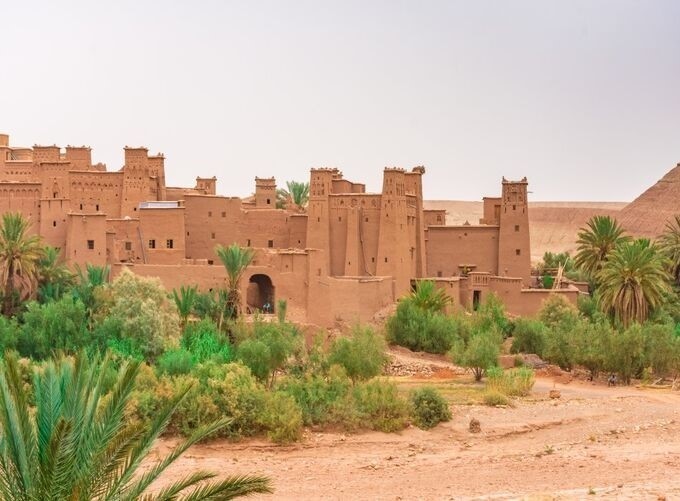
Sahara Desert Guide: Is the Sahara Really Worth Visiting?
For many travelers, the Sahara Desert becomes the highlight of an entire Morocco itinerary.
Although reaching the dunes requires a long drive from Marrakech or Fez, the journey is part of the experience. Along the way, you'll pass dramatic mountain passes, centuries-old kasbahs, lush palm oases, deep canyons, and traditional Berber villages before finally arriving at Morocco's famous golden sand dunes.
Watching the sun set over Erg Chebbi, riding a camel through the desert, enjoying traditional Berber music around a campfire, and sleeping beneath one of the clearest night skies in North Africa are experiences that simply cannot be replicated elsewhere.
If your schedule allows, spending at least one night in the Sahara is highly recommended. Two nights provide a much more relaxed experience and allow time to appreciate the silence, changing desert light, and spectacular sunrise over the dunes.
Many visitors choose our Sahara desert vacation packages, which combine scenic road journeys, luxury desert camps, and guided cultural experiences without the stress of organizing transportation independently.
Merzouga vs Zagora
Morocco has two popular desert regions, but they offer quite different experiences.
Merzouga (Erg Chebbi)
Merzouga is considered Morocco's premier Sahara destination.
Here you'll find towering orange sand dunes that can reach over 150 meters (500 feet) high, luxury desert camps, excellent camel trekking, and exceptional stargazing conditions.
Best For
-
First-time visitors
-
Luxury camps
-
Photography
-
Camel trekking
-
Two-night stays
Zagora
Zagora is closer to Marrakech, making it suitable for travelers with limited time.
However, the landscape is flatter and the dunes are significantly smaller than those around Merzouga.
Best For
-
Short itineraries
-
Budget travelers
-
One-night desert experiences
Merzouga vs Zagora Comparison
| Feature | Merzouga | Zagora |
|---|---|---|
| Sand Dunes | ★★★★★ | ★★☆☆☆ |
| Camel Trekking | Excellent | Good |
| Stargazing | Excellent | Very Good |
| Luxury Camps | Many | Limited |
| Drive from Marrakech | Longer | Shorter |
| Best Overall Experience | ★★★★★ | ★★★☆☆ |
For travelers with 10 days or more, Merzouga is generally the better choice.
Classic Sahara Route
The drive to the Sahara passes through some of Morocco's most spectacular scenery.
Popular Route from Marrakech
| Day | Destination |
|---|---|
| Day 1 | Marrakech |
| Day 2 | High Atlas Mountains |
| Day 2 | Aït Benhaddou |
| Day 2 | Ouarzazate |
| Day 3 | Dades Valley |
| Day 4 | Todra Gorge |
| Day 4 | Merzouga |
| Day 5 | Ifrane |
| Day 5 | Fez |
Rather than simply connecting two cities, this route showcases Morocco's extraordinary geographical diversity.
What Happens During a Sahara Camp Experience?
Most desert experiences begin in the late afternoon.
Guests leave their vehicle near the edge of the dunes before continuing by camel or 4WD toward a traditional desert camp.
A typical evening includes:
-
Camel ride at sunset
-
Welcome tea
-
Traditional Moroccan dinner
-
Berber music around the campfire
-
Stargazing
-
Overnight stay in a luxury or standard tent
The following morning usually begins before sunrise, offering one of Morocco's most memorable photography opportunities.
Luxury Desert Camps
Luxury camps have become increasingly popular over the past decade.
Most now feature:
-
Private bathrooms
-
Comfortable beds
-
Hot showers
-
Restaurant-quality dining
-
Solar electricity
-
Wi-Fi in selected camps
Despite these comforts, guests still enjoy the peaceful atmosphere and vast landscapes that make the Sahara so special.
Desert Weather
Temperatures change dramatically throughout the year.
| Season | Day | Night |
|---|---|---|
| Spring | 24–30°C | 10–16°C |
| Summer | 38–45°C | 24–30°C |
| Autumn | 22–30°C | 10–18°C |
| Winter | 18–24°C | 2–8°C |
Even winter visitors should prepare for surprisingly cold desert nights.
Atlas Mountains Guide
Stretching across central Morocco, the Atlas Mountains create an entirely different landscape from the country's deserts and coastal cities.
Snow-covered peaks, fertile valleys, traditional Amazigh (Berber) villages, waterfalls, and winding mountain roads make this region one of Morocco's most scenic areas.
High Atlas Mountains
The High Atlas contains Morocco's highest peaks, including Mount Toubkal, North Africa's tallest mountain.
Visitors often stop here while traveling between Marrakech and the Sahara.
Popular activities include:
-
Scenic drives
-
Hiking
-
Village visits
-
Photography
-
River valleys
Aït Benhaddou
Perhaps Morocco's most famous fortified village, Aït Benhaddou is a UNESCO World Heritage Site and one of the country's most recognizable landmarks.
Its ancient mud-brick architecture has appeared in numerous international productions, including:
-
Gladiator
-
Game of Thrones
-
The Mummy
-
Kingdom of Heaven
Morning and late afternoon provide the best lighting for photography.
Ourika Valley
Located less than an hour from Marrakech, the Ourika Valley offers a refreshing escape from the city's busy streets.
Visitors come here for:
-
Mountain villages
-
Riverside cafés
-
Waterfalls
-
Local markets
-
Easy hiking
It makes an excellent day trip throughout much of the year.
Coastal Morocco
While Morocco is famous for deserts and medinas, its Atlantic coastline deserves equal attention.
The atmosphere changes completely as historic ports, seafood restaurants, ocean breezes, and sandy beaches replace winding desert roads.
Casablanca
As Morocco's largest city, Casablanca is often the country's international gateway.
Although more modern than Marrakech or Fez, it still offers several outstanding attractions.
Highlights
-
Hassan II Mosque
-
Corniche
-
Old Medina
-
Morocco Mall
-
Art Deco architecture
Many visitors spend one night here before continuing toward Rabat or Marrakech.
Essaouira
Essaouira is one of Morocco's most charming coastal towns.
Its relaxed atmosphere, whitewashed buildings, fishing harbor, and Atlantic winds create an experience entirely different from Morocco's inland cities.
Best Things to Do
-
Walk the historic medina
-
Visit Skala de la Ville
-
Fresh seafood dining
-
Beach walks
-
Surfing
-
Shopping for local crafts
Travelers wanting to combine the Imperial Cities with Morocco's Atlantic coast frequently choose our Morocco private journey collection, which adds Essaouira as a relaxing finale after the Sahara Desert.
Morocco City Comparison
| City | Best For | Recommended Stay |
|---|---|---|
| Marrakech | Culture & Shopping | 3 Nights |
| Fez | History | 2–3 Nights |
| Rabat | Architecture | 1–2 Nights |
| Meknes | Day Trip | 1 Night |
| Casablanca | Modern Morocco | 1 Night |
| Essaouira | Coast & Relaxation | 2 Nights |
| Chefchaouen | Photography | 2 Nights |
| Merzouga | Sahara Experience | 1–2 Nights |
Transportation Guide (2026–2027)
Morocco has one of North Africa's best transportation networks, making it relatively easy to travel between major cities.
High-Speed Rail (Al Boraq)
Morocco's flagship high-speed train connects:
-
Casablanca
-
Rabat
-
Kenitra
-
Tangier
The line significantly reduces travel times between northern cities.
Expansion projects are continuing toward Marrakech, with additional improvements planned as Morocco prepares major infrastructure investments ahead of international sporting events and long-term tourism growth.
ONCF Trains
Morocco's national railway provides comfortable services linking:
-
Marrakech
-
Casablanca
-
Rabat
-
Meknes
-
Fez
-
Tangier
Trains remain one of the easiest ways to travel between Morocco's Imperial Cities.
Coaches
For destinations without rail service, Morocco's coach network is excellent.
The most popular operators include:
-
CTM
-
Supratours
Both offer comfortable, air-conditioned services covering most tourist destinations.
Private Drivers
Private transportation is particularly popular for Sahara itineraries, allowing visitors to stop at kasbahs, mountain viewpoints, valleys, and villages that scheduled buses simply pass by.
Morocco Visa Requirements (2026–2027)
Visa requirements for Morocco depend on your nationality. Citizens of many countries, including the United States, Canada, the United Kingdom, Australia, New Zealand, most EU member states, and several Gulf countries, can enter Morocco visa-free for short tourist stays. Travelers from other nationalities may need to obtain a visa before departure.
As immigration policies can change, always check the latest requirements with the nearest Moroccan embassy or consulate before booking your trip.
Passport Requirements
Regardless of nationality, visitors should ensure that:
-
Their passport is valid for at least six months beyond the date of entry.
-
They have at least one blank passport page for entry stamps.
-
They can provide proof of onward or return travel if requested.
-
They have accommodation details available upon arrival.
How Much Does a Trip to Morocco Cost? (2026–2027)
Morocco remains one of the best-value destinations in North Africa. While luxury riads, exclusive desert camps, and premium resorts are available, travelers can also enjoy comfortable mid-range accommodation, excellent local food, and affordable transportation without stretching their budget.
Estimated Daily Travel Budget (Per Person)
| Travel Style | Estimated Daily Cost |
|---|---|
| Budget | €55–90 |
| Mid-Range | €120–220 |
| Luxury | €280+ |
Estimated Trip Cost
| Trip Length | Mid-Range Budget (Per Person) |
|---|---|
| 7 Days | €1,300–1,900 |
| 10 Days | €2,000–2,700 |
| 14 Days | €2,800–3,900 |
These estimates typically include hotels, domestic transportation, guided sightseeing, entrance fees, and most meals. International airfare is usually additional.
Best Time to Visit Morocco
Morocco can be visited throughout the year, but the experience varies significantly depending on the region.
Spring (March–May)
Spring is widely considered the best season.
Expect:
-
Pleasant temperatures
-
Green valleys
-
Comfortable sightseeing
-
Excellent hiking weather
Ideal for:
-
Marrakech
-
Fez
-
Sahara Desert
-
Atlas Mountains
Summer (June–August)
Summer brings high temperatures inland, particularly around Marrakech and the Sahara.
However, Atlantic destinations such as Essaouira remain pleasantly cool thanks to ocean breezes.
Ideal for:
-
Essaouira
-
Atlantic Coast
-
Surfing
Autumn (September–November)
Autumn rivals spring as Morocco's finest travel season.
The desert becomes more comfortable, cities cool down, and photography conditions are exceptional.
Winter (December–February)
Winter offers mild weather in the Imperial Cities while the Atlas Mountains often receive snow.
The Sahara remains enjoyable during the day but can become surprisingly cold after sunset.
Morocco During Ramadan
Ramadan offers visitors a unique opportunity to experience Moroccan culture and traditions.
Expected Ramadan Dates
| Year | Expected Period* |
|---|---|
| 2026 | Mid-February to Mid-March |
| 2027 | Early February to Early March |
*Dates depend on the official moon sighting.
What Changes During Ramadan?
Visitors can still travel comfortably throughout Morocco, although some daily routines change.
You may notice:
-
Reduced daytime restaurant hours in some local areas.
-
Shorter opening hours for government offices.
-
Quieter streets during the afternoon.
-
Lively evenings after sunset.
Hotels, major tourist attractions, and most guided tours continue operating normally.
Many travelers enjoy experiencing iftar, when families and communities gather to break the daily fast.
Cultural Etiquette in Morocco
Morocco is known for its warm hospitality, and respecting local customs will make your visit even more rewarding.
Dress Modestly
Lightweight clothing that covers the shoulders and knees is recommended, particularly when visiting traditional neighborhoods or rural communities.
Beachwear should generally be reserved for hotel pools and coastal resorts.
Ask Before Taking Photographs
Many Moroccans are happy to be photographed, but it is always polite to ask first.
This is especially important in villages, markets, and artisan workshops.
Bargaining Is Expected
Negotiating prices in traditional souks is part of the shopping experience.
Friendly bargaining is normal and often enjoyable for both buyers and sellers.
Greetings Matter
Simple greetings such as "Salam Alaikum" are appreciated and often help create positive interactions with local people.
Tipping
Small tips are customary in restaurants, cafés, hotels, and for local guides or drivers.
Is Morocco Safe?
Overall, Morocco is considered one of the safer travel destinations in North Africa.
Millions of international visitors explore the country every year without experiencing significant problems.
As with any destination, basic precautions help ensure a smooth trip.
Practical Safety Tips
-
Keep valuables secure.
-
Use official taxis whenever possible.
-
Stay aware of your surroundings in crowded markets.
-
Avoid displaying large amounts of cash.
-
Book desert excursions with reputable operators.
-
Carry bottled water during long sightseeing days.
Tourist police are present in major cities, and tourism is an important part of Morocco's economy.
Is Morocco Safe for Solo Female Travelers?
Yes, many women travel independently throughout Morocco each year.
Large tourist destinations such as Marrakech, Fez, Rabat, Chefchaouen, and Essaouira are well accustomed to international visitors.
Helpful Advice
-
Dress respectfully.
-
Walk confidently.
-
Use licensed guides for unfamiliar medinas.
-
Arrange airport transfers in advance.
-
Avoid isolated areas late at night.
Joining professionally organized tours can provide additional peace of mind while allowing solo travelers to meet others along the way.
Vegetarian Food in Morocco
Moroccan cuisine is surprisingly vegetarian-friendly.
Fresh produce, legumes, herbs, and spices play a major role in everyday cooking.
Popular vegetarian dishes include:
-
Vegetable Tagine
-
Couscous with seasonal vegetables
-
Harira (during certain seasons)
-
Lentil soup
-
Zaalouk (eggplant salad)
-
Taktouka
-
Fresh Moroccan salads
Most restaurants in tourist areas are familiar with vegetarian and vegan requests.
Why Explore Morocco with Magnificent Travel?
Morocco rewards travelers who venture beyond its famous landmarks. While Marrakech and the Sahara Desert deserve their reputation, the country's true magic lies in the contrast between its regions—from the medieval streets of Fez and the Atlantic charm of Essaouira to the dramatic passes of the High Atlas and the silence of the Sahara at sunrise.
At Magnificent Travel, we design journeys that connect these experiences into a seamless itinerary rather than treating them as isolated destinations. Carefully selected riads, experienced local guides, comfortable transportation, and thoughtfully paced routes allow you to spend less time worrying about logistics and more time discovering Morocco's remarkable history, landscapes, and hospitality.
Frequently Asked Questions
What is the best time to visit Morocco?
The best months to visit Morocco are March to May and September to November. These seasons offer pleasant temperatures for exploring the Imperial Cities, the Sahara Desert, the Atlas Mountains, and the Atlantic Coast.
Is Morocco safe for tourists?
Yes. Morocco is generally considered a safe destination for visitors. Using normal travel precautions, staying aware in busy areas, and choosing licensed guides or reputable tour operators contribute to a comfortable travel experience.
Is Morocco safe for solo female travelers?
Yes. Many women travel independently in Morocco every year. Dressing modestly, using licensed transportation, and avoiding isolated areas late at night are sensible precautions, just as they would be in many destinations worldwide.
Is the Sahara Desert worth visiting?
Absolutely. A Sahara Desert experience is often the highlight of a Morocco itinerary. Camel trekking, luxury desert camps, spectacular sunsets, and exceptional stargazing create memories that many travelers consider the defining part of their journey.
Which city is the best to visit in Morocco?
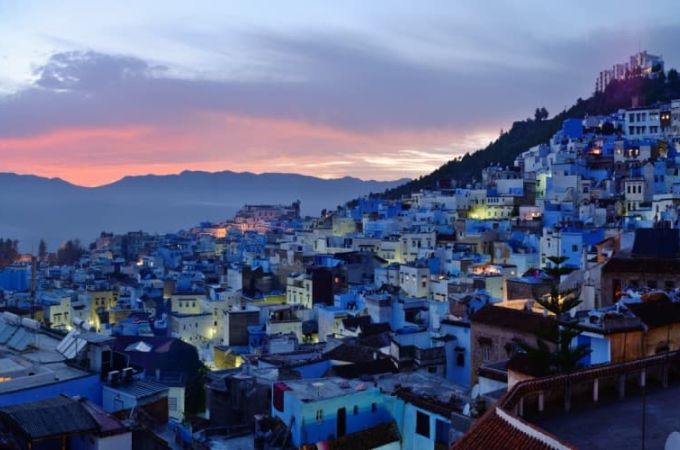
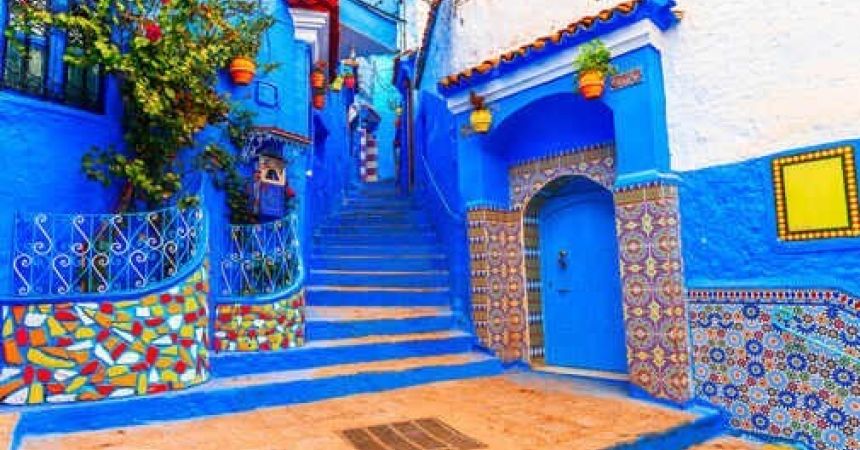
Each city offers something different. Marrakech is ideal for first-time visitors, Fez is perfect for history lovers, Essaouira is known for its relaxed coastal atmosphere, while Chefchaouen is famous for its blue-painted streets.
What should I wear in Morocco?
Comfortable, lightweight clothing that covers the shoulders and knees is recommended, particularly in traditional areas. Layers are useful during spring, autumn, and desert evenings when temperatures can change quickly.
Do I need vaccinations before visiting Morocco?
There are generally no mandatory vaccinations for most travelers arriving directly from Europe or North America. However, routine immunizations should be up to date, and travelers should consult their healthcare provider before departure for personalized medical advice.
Is Morocco a good destination during Ramadan?
Yes. Attractions, hotels, and organized tours continue operating. Some restaurants and local businesses may adjust their daytime hours, while evenings become especially lively as families gather for iftar.
Is vegetarian food easy to find?
Yes. Vegetable tagines, couscous, lentil dishes, fresh salads, and many traditional Moroccan recipes are naturally vegetarian. Vegan options are also becoming increasingly available in larger cities.
How much does a Morocco trip cost in 2026–2027?
A comfortable mid-range trip typically costs €120–220 per person per day, excluding international flights. Total costs depend on travel style, season, accommodation choices, and itinerary length.

A travel professional specializing in tailor-made travel planning, guest experience management, and multi-destination tourism operations.
With over 23 years of experience in the travel industry, he designs and manages private and cultural tours for international travelers across Türkiye, Greece, Egypt, Jordan, Morocco, and other destinations.
He has strong expertise in both online and face-to-face guest communication, sales processes, and end-to-end travel operations.
Working closely with hotels, travel agencies, and local partners, he ensures smooth coordination and high-quality travel experiences at every stage of the journey.
His focus is on delivering personalized, reliable, and seamless travel experiences for international guests worldwide.