Tourism in Morocco: A Complete Travel Guide for First-Time Visitors
Morocco is a country that rarely feels like a single destination. A morning may begin in the narrow lanes of an ancient medina, continue through snow-dusted mountain scenery, and end beside palm trees or Atlantic waves. Travel farther south, and green valleys gradually give way to rocky plateaus and the golden dunes of the Sahara.
This variety is one reason tourism in Morocco continues to grow. The country welcomed a record 19.8 million visitors in 2025, representing a 14% increase compared with the previous year. Improved flight connections, new accommodation options, and greater promotion of destinations beyond Marrakech have helped Morocco attract travelers with very different interests.
Some visitors come for architecture and history. Others want food, hiking, surfing, shopping, photography, or a night beneath the desert sky. Morocco can offer all of these experiences, but a successful trip depends on choosing the right route rather than trying to see the entire country in a few days.
Why Is Morocco Such a Popular Tourist Destination?
Morocco’s appeal comes from contrast. Its imperial cities preserve centuries-old palaces, mosques, religious schools, markets, and residential quarters. Its Atlantic coastline offers beaches and surfing towns, while the Atlas Mountains provide trekking routes, Berber villages, and cooler summer temperatures.
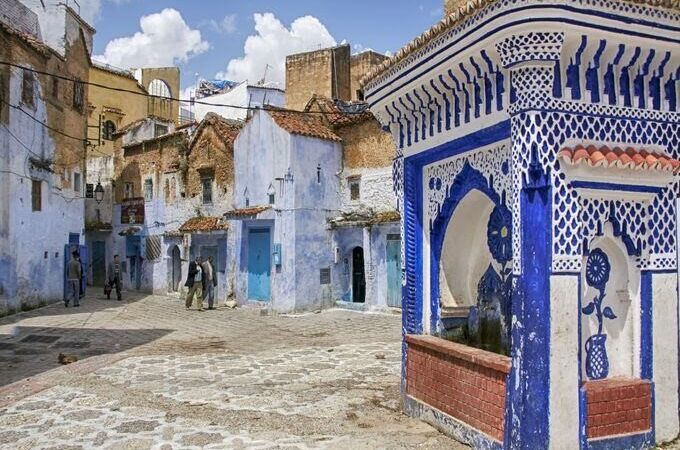
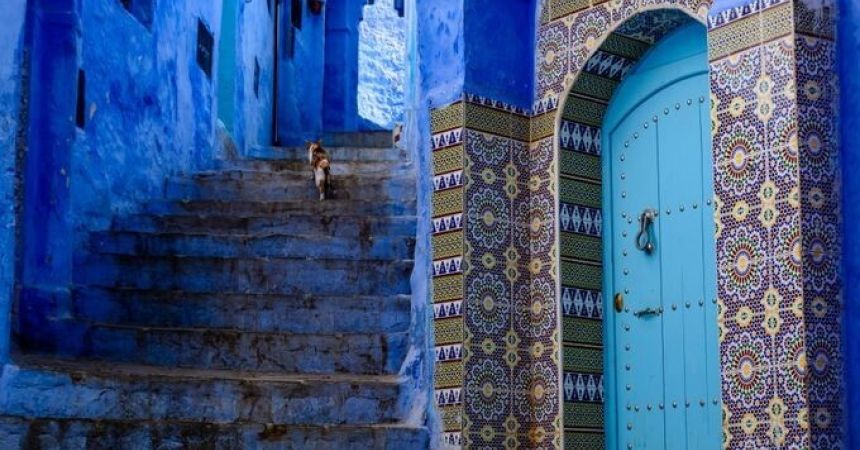
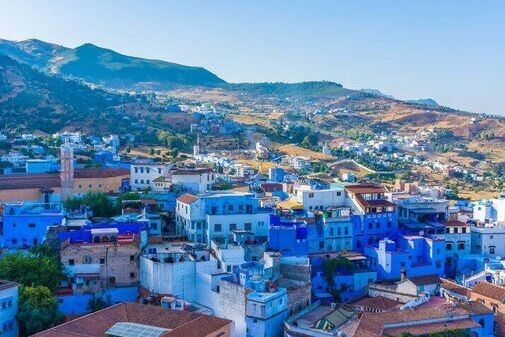
The Sahara introduces a completely different landscape, with high dunes, desert camps, camel rides, stargazing, and traditional music around the fire. Northern Morocco feels different again, combining Mediterranean scenery with the blue streets of Chefchaouen and the cosmopolitan character of Tangier.
Few destinations allow travelers to experience so many environments during one holiday without crossing an international border.
| Travel interest | Recommended Moroccan destinations |
|---|---|
| History and architecture | Fes, Marrakech, Meknes, Rabat |
| Desert landscapes | Merzouga, Erg Chebbi, Zagora |
| Mountains and hiking | Imlil, High Atlas, Ourika Valley |
| Beaches and surfing | Essaouira, Agadir, Taghazout |
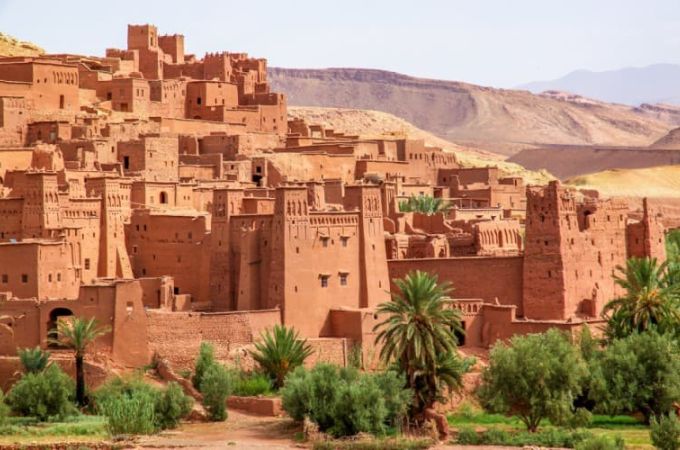
| Photography | Chefchaouen, Ait Ben Haddou, Sahara |
| Food and markets | Marrakech, Fes, Casablanca |
| Roman archaeology | Volubilis |
| Relaxed coastal atmosphere | Essaouira, Asilah |
Morocco also appeals to different budgets. Visitors can stay in simple guesthouses, traditional riads, desert camps, international hotels, or restored palaces. Local cafés and market restaurants make it possible to eat affordably, while fine-dining venues offer modern interpretations of Moroccan cuisine.
Marrakech or Fes: Which City Is Better for Tourists?
Marrakech and Fes are often compared because both contain historic medinas, traditional markets, religious monuments, and riad accommodation. However, the experience in each city is noticeably different.
Marrakech is more energetic, theatrical, and immediately accessible to first-time visitors. Jemaa el-Fnaa fills with food stalls, musicians, storytellers, and performers in the evening. The city also offers landscaped gardens, fashionable restaurants, hammams, rooftop terraces, and convenient day trips into the Atlas Mountains.
Fes feels older, quieter in certain areas, and more deeply connected to traditional craftsmanship. Its vast medina contains workshops producing leather, metalwork, ceramics, textiles, and carved wood. Navigating its maze-like streets can be challenging, but this is also part of its character.
| Feature | Marrakech | Fes |
|---|---|---|
| Atmosphere | Lively and highly energetic | Historic and traditional |
| Best known for | Jemaa el-Fnaa, palaces, gardens | Medina, tanneries, craftsmanship |
| Nightlife | Wider selection | More limited |
| Navigation | Busy but relatively manageable | Complex medina layout |
| Day trips | Atlas Mountains, Essaouira | Meknes, Volubilis |
| Best for | First-time visitors and short stays | Culture-focused travelers |
Travelers with at least seven or eight days do not necessarily need to choose between them. A well-paced Morocco Cultural Tour can include both cities while adding Rabat, Meknes, or the Roman ruins of Volubilis.
Morocco’s Imperial Cities Compared
Morocco has four recognized imperial cities: Marrakech, Fes, Meknes, and Rabat. Each served as a capital under a different ruling dynasty, and each reveals another layer of the country’s political and architectural history.
Marrakech offers the broadest mixture of historic sightseeing, dining, entertainment, shopping, and luxury accommodation. Fes is the strongest choice for travelers interested in traditional urban life and craftsmanship.
Meknes is smaller and generally less hectic. It works particularly well as part of a northern Morocco route and is often combined with nearby Volubilis. Rabat, Morocco’s current capital, feels more orderly and spacious than Marrakech or Fes. Its major attractions include the Hassan Tower, the Mausoleum of Mohammed V, and the Kasbah of the Udayas.
Spending time in more than one imperial city prevents the journey from becoming a simple checklist. The architectural details, pace of life, food, and street atmosphere change considerably from one place to another.
Is the Sahara Desert Worth Visiting?
For many travelers, the Sahara becomes the most memorable part of a Morocco holiday. Reaching the main dune areas requires a long road journey, but the route itself passes through mountain scenery, valleys, fortified villages, and traditional settlements.
Merzouga is the best-known base for visiting the Erg Chebbi dunes. Typical experiences include riding into the desert near sunset, staying in a tented camp, eating a Moroccan dinner, listening to local music, and watching the stars away from urban light.
The desert should not be treated as a quick excursion from Marrakech. Merzouga is far enough away that a return journey requires several days. A three-day itinerary is possible, but it involves long hours on the road. Four or five days allows a more comfortable route with meaningful stops along the way.
Merzouga or Zagora: Which Desert Experience Is Better?
Merzouga offers the dramatic, high dunes most travelers imagine when they picture the Sahara. It is the better choice for photography, extended desert stays, and a classic dune-camp experience.
Zagora is closer to Marrakech but has a rockier, flatter desert environment. It can work for visitors with limited time, although it does not provide the same scale of dunes as Erg Chebbi.
| Desert destination | Merzouga | Zagora |
|---|---|---|
| Travel time from Marrakech | Longer | Shorter |
| Landscape | High golden dunes | Rocky and lower desert terrain |
| Ideal trip length | Four to five days | Two to three days |
| Best for | Full Sahara experience | Travelers with limited time |
| Camp options | Extensive selection | More limited |
A professionally organized Morocco Sahara Desert Tour is especially useful because desert journeys involve long distances, mountain roads, changing weather, and remote accommodation.
The Atlas Mountains and Morocco’s Rural Tourism
The Atlas Mountains divide Morocco into distinct climatic and geographical regions. They are not merely scenery between Marrakech and the desert; they are a destination in their own right.
Imlil is a popular gateway for High Atlas walks and longer trekking routes. Nearby villages introduce visitors to rural lifestyles, local cooking, mud-brick architecture, and Amazigh traditions. The Ourika Valley is easier to reach from Marrakech and is often chosen for a day trip.
Spring and autumn generally provide the most comfortable conditions for hiking, while mountain areas can be cold and snowy during winter. Summer temperatures are often cooler than in Marrakech, although exposed trails may still become hot during the middle of the day.
Travelers should distinguish between a short scenic excursion and a genuine mountain experience. A day trip gives a brief introduction, while spending one or two nights in a village guesthouse creates more time for walking, local meals, and conversations with residents.
Chefchaouen, Essaouira or Casablanca: How Do They Compare?
These three destinations offer completely different reasons to visit.
Chefchaouen is known for its blue-painted medina and mountain setting. It is visually distinctive, peaceful in the early morning, and particularly popular with photographers. Because it lies in northern Morocco, it fits most naturally into routes involving Tangier, Rabat, and Fes.
Essaouira is a relaxed Atlantic town with whitewashed buildings, sea walls, fishing boats, galleries, and a breezy beach. It provides a welcome change of pace after Marrakech and is suitable for travelers who prefer atmosphere over a long list of monuments.
Casablanca is Morocco’s economic center. It is larger, busier, and more modern than the destinations most commonly associated with Moroccan tourism. Its principal landmark is the Hassan II Mosque. Casablanca is useful as an arrival point or a short stop, but first-time visitors with limited time usually prioritize Marrakech, Fes, or the desert.
| Destination | Main appeal | Recommended stay |
|---|---|---|
| Chefchaouen | Blue medina and photography | 1–2 nights |
| Essaouira | Coast, seafood and relaxed atmosphere | 2–3 nights |
| Casablanca | Modern city and Hassan II Mosque | 1 night |
| Tangier | Mediterranean history and northern gateway | 1–2 nights |
| Agadir | Resorts and beach holidays | 3–5 nights |
When Is the Best Time to Visit Morocco?
Morocco is a year-round destination, but the experience changes significantly depending on the season and the region you plan to visit.
Spring and autumn are generally considered the best times for a comprehensive tour. Temperatures remain pleasant across the imperial cities, the Atlas Mountains, and the Sahara Desert, making sightseeing far more comfortable than during the peak summer months.
Summer is ideal for the Atlantic coast, where ocean breezes help moderate the heat. However, inland cities such as Marrakech and Fes, along with the Sahara Desert, can experience extremely high daytime temperatures.
Winter brings cooler conditions throughout the country. Snow often covers the Atlas Mountains, while desert nights become surprisingly cold. Southern Morocco remains enjoyable, although travelers should pack clothing suitable for significant temperature differences between day and night.
| Season | Weather | Best Destinations |
|---|---|---|
| Spring (March–May) | Warm and comfortable | Entire country |
| Summer (June–August) | Very hot inland | Essaouira, Agadir, Atlantic Coast |
| Autumn (September–November) | Pleasant and sunny | Cities, mountains, Sahara |
| Winter (December–February) | Mild cities, cold mountains | Marrakech, Agadir, southern Morocco |
Choosing the right season allows travelers to experience Morocco more comfortably while avoiding weather-related limitations.
Moroccan Food Is Part of the Journey
One of Morocco's greatest attractions is its cuisine. Rather than treating meals as a break between sightseeing, many visitors discover that local food becomes one of the highlights of their trip.
Traditional dishes vary by region but often include:
- Tagine
- Couscous
- Harira soup
- Pastilla
- Mechoui
- Fresh seafood
- Mint tea
- Moroccan pastries
Street food is common throughout major cities, while riads and family-owned restaurants often prepare recipes that have been passed down through generations.
Food markets in Marrakech and Fes become especially lively after sunset, creating an atmosphere that combines local culture, entertainment, and authentic flavors.
How Many Days Should You Spend in Morocco?
The ideal itinerary depends on how much of the country you want to explore.
| Trip Length | Recommended Route |
|---|---|
| 5 Days | Marrakech + Atlas Mountains |
| 7 Days | Marrakech + Sahara Desert |
| 9 Days | Marrakech, Ait Ben Haddou, Merzouga, Fes |
| 10 Days | Imperial Cities + Sahara |
| 12–14 Days | Complete Morocco Highlights |
Trying to visit every region within one week often leads to long travel days and limited sightseeing time.
A slower itinerary allows more opportunities to experience local culture, traditional accommodation, and Morocco's remarkable diversity.
Travelers interested in combining cities, mountains, and the desert usually benefit most from a 10-Day Morocco Tour, while longer itineraries provide time to include Chefchaouen, Essaouira, or Tangier.
Planning Morocco Without the Stress
Morocco is relatively easy to explore, but transportation between destinations often takes longer than visitors expect.
Roads crossing the Atlas Mountains are scenic but require time. Desert journeys involve long distances, and train services mainly connect the country's northern and central regions.
Careful planning helps travelers avoid unnecessary hotel changes and excessive driving.
Many first-time visitors prefer organized itineraries because they combine transportation, accommodations, guided sightseeing, and local expertise into one seamless experience.
Whether you dream of wandering through ancient medinas, watching the sunrise over Sahara dunes, hiking mountain villages, or relaxing beside the Atlantic Ocean, a well-designed itinerary makes every day more enjoyable while maximizing your available vacation time.
For travelers exploring North Africa for the first time, Morocco Vacation Packages, Private Morocco Tours, and Morocco Desert Adventures offer flexible options that combine the country's most unforgettable destinations with experienced local guides and carefully selected accommodations.
Frequently Asked Questions
Is Morocco good for first-time international travelers?
Yes. Morocco offers excellent tourist infrastructure, diverse accommodation, friendly hospitality, and unforgettable cultural experiences. Planning a well-balanced itinerary makes the journey comfortable while allowing visitors to experience the country's history, landscapes, cuisine, and traditions with confidence.
What is Morocco most famous for?
Morocco is famous for Marrakech, the Sahara Desert, colorful markets, traditional riads, camel trekking, imperial cities, mountain villages, handcrafted products, and flavorful cuisine. Its combination of history, culture, and varied landscapes attracts millions of international visitors every year.
How many days are enough to visit Morocco?
Seven to ten days are sufficient for first-time visitors wanting to explore Marrakech, the Sahara Desert, and Fes. Travelers wishing to include Chefchaouen, Essaouira, or the Atlantic Coast should consider spending twelve to fourteen days.
Is Morocco expensive for tourists?
Morocco accommodates a wide range of budgets. Affordable guesthouses, local restaurants, and public transportation make independent travel economical, while luxury riads, private tours, and premium desert camps provide outstanding experiences for higher-end travelers.
What is the best month to visit Morocco?
April, May, September, and October offer the most comfortable weather throughout Morocco. These months provide ideal conditions for sightseeing, hiking, desert excursions, and exploring historic cities without the intense summer heat.
Should I visit Marrakech or the Sahara Desert first?
Most itineraries begin in Marrakech before continuing toward the Atlas Mountains and Sahara Desert. This route provides a gradual introduction to Morocco while reducing travel time and creating a natural progression through the country's changing landscapes.

A travel professional specializing in tailor-made travel planning, guest experience management, and multi-destination tourism operations.
With over 23 years of experience in the travel industry, he designs and manages private and cultural tours for international travelers across Türkiye, Greece, Egypt, Jordan, Morocco, and other destinations.
He has strong expertise in both online and face-to-face guest communication, sales processes, and end-to-end travel operations.
Working closely with hotels, travel agencies, and local partners, he ensures smooth coordination and high-quality travel experiences at every stage of the journey.
His focus is on delivering personalized, reliable, and seamless travel experiences for international guests worldwide.