Turkish Hammam: What to Expect on Your First Visit
Updated: August 2026
A first Turkish hammam visit can feel surprisingly difficult to research because photographs tell you almost nothing about what will actually happen once you enter.
You may see marble interiors, domed ceilings, streams of light filtering through small glass openings and someone almost disappearing beneath a mountain of foam. What the images rarely explain is when you change clothes, what you are expected to wear, whether men and women use the same space, how vigorous the scrub will be, whether a massage is automatically included, or what the difference is between a centuries-old Istanbul bath and a modern hotel that happens to offer a “Turkish bath treatment.”
These practical questions matter because a hammam is not simply a massage performed in a beautiful room.
Historically, the Turkish bath developed as a social and bathing institution connected with Ottoman urban life, hygiene and ritual purification, drawing on older Roman and Byzantine bathing traditions while developing its own architectural and cultural character. Modern hammam experiences range from historically significant bathhouses still operating within traditional spaces to highly polished luxury treatments that borrow elements of the ritual and present them more like spa services.
Neither format is automatically better.
The useful question is:
Do you want to experience the hammam primarily as a Turkish bathing tradition, or primarily as a relaxing spa treatment?
That decision should come before choosing where to book.
A Hammam Makes More Sense When You Stop Calling It a Turkish Massage
The word “hammam” refers fundamentally to the bath.
Massage can be added, and many visitor packages include one, but the traditional core revolves around heat, water, washing and exfoliation.
This is why travelers occasionally become confused when they purchase a basic hammam treatment and discover that it feels quite different from a sixty-minute oil massage at a resort spa.
A conventional experience usually moves through several stages, although the exact procedure varies by property:
warming the body → washing → kese exfoliation → foam wash → rinsing → cooling and resting
Additional massage or other treatments may follow.
The important distinction is that the kese scrub and foam wash are not the same thing as a massage.
Once that is clear, package descriptions become much easier to understand.
The Experience Begins Before Anyone Scrubs You
A good hammam should not feel as though you walk through the door and immediately lie on hot marble.
There is usually a transition.
You arrive, confirm the treatment, change in a private or designated area and prepare according to the hammam's procedures. Traditional bathhouses may provide a peştemal, the lightweight cotton cloth historically associated with Turkish bathing, along with slippers and other items depending on the establishment.
From there, the body needs time to warm.
This is not dead time waiting for the “real treatment.”
Heat softens the skin and prepares it for exfoliation, while sitting or lying within the warm bathing environment allows the body to adjust gradually.
Travelers coming from modern spas sometimes become impatient at this stage because there is no visible treatment happening.
In a hammam, the warming is part of the treatment.
The Göbek Taşı Is Not Just a Photogenic Marble Platform
In many traditional hammams, the central heated marble platform is known as the göbek taşı.
It is one of the architectural elements most visitors recognize even before knowing its name.
Lying on the warm marble allows the body to heat further before or during treatment. The experience is intensely physical but not necessarily active: the stone warms from beneath, the surrounding room holds heat and water is used repeatedly throughout the ritual.
This is where the architecture stops being decoration.
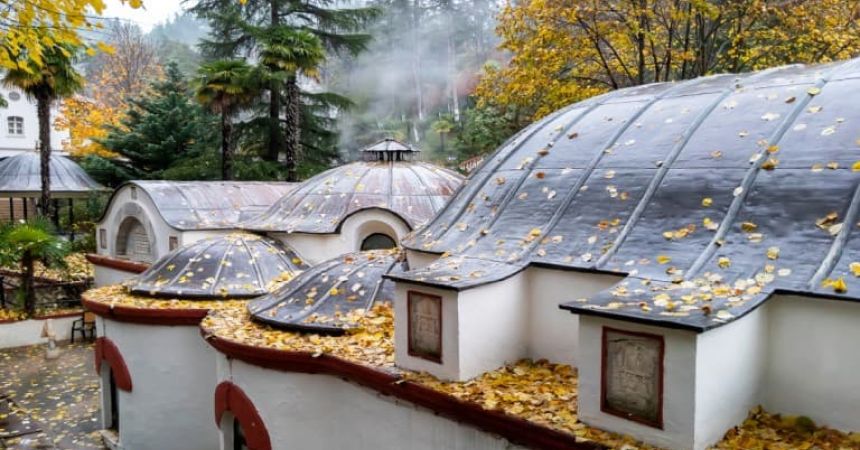
The marble surfaces, domed ceiling, basins and temperature zones were designed around bathing.
A historical hammam is therefore interesting even before you consider who built it or how old it is, because the structure itself tells you how the experience was intended to work.
The Kese Scrub Can Be Much Stronger Than First-Timers Expect
The kese is an exfoliating mitt used to remove dead skin.
This is often the moment visitors remember most vividly.
A traditional scrub can feel vigorous, particularly if you are accustomed to gentle spa exfoliation. The attendant works across the body methodically, and visible rolls of exfoliated skin can surprise people who were convinced they had showered thoroughly that morning.
That reaction is normal.
What is not necessary is enduring a level of pressure that feels genuinely uncomfortable simply because you believe authenticity requires suffering.
If you prefer a lighter scrub, communicate that.
A good hammam experience should respect physical comfort.
The objective is exfoliation, not a contest demonstrating how traditional you can be.
Then Comes the Foam — and This Is the Part Photographs Actually Capture Well
After exfoliation and rinsing, many visitor hammam treatments move into a foam wash, usually created by working soap into an enormous quantity of bubbles before applying it across the body.
This is the visually dramatic stage.
It is also often the point at which the experience becomes more relaxing after the stronger physical sensation of the scrub.
The attendant washes and works the foam over the body, sometimes incorporating massage-like movements depending on the treatment package.
Again, package wording matters.
A foam wash lasting several minutes should not be confused with a dedicated thirty- or sixty-minute massage.
If massage is important to you, make sure it is listed separately.
Traditional Hammam, Luxury Hammam or Hotel Spa?
This is the decision that shapes the entire visit.
| Experience type | Strongest reason to choose it | What may feel different | Best suited to |
|---|---|---|---|
| Historic public hammam | Architecture, tradition, cultural context | Less hotel-like service flow | Culture-focused travelers |
| Restored luxury hammam | Heritage setting plus polished service | Higher price | First-timers wanting comfort |
| Hotel hammam | Convenience and privacy | Less connection to historic bath culture | Resort travelers |
| Spa-style Turkish bath | Relaxation and treatment menu | Hammam ritual may be simplified | Wellness-focused travelers |
| Local neighborhood bath | Everyday bathing tradition | Language/service style may be less visitor-oriented | Experienced independent travelers |
A historic hammam can be memorable partly because you are bathing inside architecture created specifically for that purpose.
A luxury hotel can provide greater predictability, private facilities and additional treatments.
The mistake is expecting them to feel identical.
Historical Architecture Adds Value Only If You Care About It
Istanbul has hammams associated with the Ottoman period and famous architects, while Bursa and other Ottoman cities also retain important bathing traditions.
For travelers interested in architectural history, that context can justify selecting a historical bath even when the treatment costs more.
You are purchasing two experiences at once:
the bath itself and access to a culturally meaningful interior.
For someone primarily wanting ninety minutes of relaxation after a long flight, the same historical importance may add very little practical value.
This is why “best hammam in Istanbul” is a weak planning question.
The better question is:
What part of the experience am I actually paying for?
Travelers building a culturally focused Istanbul stay can combine hammam time with Ottoman Istanbul tour experiences without expecting the bath itself to function as another conventional sightseeing stop.
Men and Women May Not Use the Hammam in the Same Way
Gender arrangements vary considerably between bathhouses.
Some traditional hammams have entirely separate men's and women's sections.
Others use the same bathing area at different hours.
Luxury properties may provide private or couples-oriented arrangements, although that should never be assumed simply because two people book together.
This is particularly important for couples.
If experiencing the hammam side by side is important, ask explicitly whether the package allows it.
Do not arrive expecting a couples spa environment and become disappointed when the hammam follows traditional gender-separated operations.
Likewise, solo travelers should not assume separation makes the experience awkward. Historically, communal same-gender bathing is central to hammam culture.
How Much Privacy Should You Expect?
This is probably the question first-time visitors hesitate to ask.
Traditional bathing naturally involves more exposure than sitting fully dressed in a spa waiting room, but exact practices depend on the hammam, treatment and gender arrangement.
Peştemals or disposable garments may be used according to the facility's procedures, and attendants are accustomed to working with international visitors who may have different expectations around modesty.
If privacy is important, ask before booking.
Do not rely on vague phrases such as “traditional treatment.”
Ask whether the treatment is:
communal, semi-private or private, and what clothing or covering is normally worn.
This is not an embarrassing question for the hammam.
It is a normal booking detail.
Your Attendant Is Part of the Experience
Traditional hammam attendants have specific Turkish names.
A male bath attendant may historically be referred to as a tellak, while female attendants are associated with terms such as natır.
Modern establishments may simply use therapist or attendant.
Whatever terminology is used, the service is physically hands-on.
The attendant guides the treatment, performs the scrub, washes the body and may provide additional massage depending on the booking.
Communication matters.
If the heat feels excessive, say so.
If the scrub is too strong, say so.
If you have an injury or sensitive area that should be avoided, explain it before the treatment begins.
Silence does not make an experience more authentic.
The Cheapest Package Is Often Enough for a First Visit
Tourists can become overwhelmed by hammam menus offering basic bath rituals, oil massages, facial treatments, aromatherapy, extended massage sessions and increasingly elaborate packages.
If the main purpose of your visit is understanding the Turkish hammam, you do not necessarily need the largest package.
Look for the traditional core:
warming,
kese scrub,
foam wash,
rinsing,
rest.
Then add massage if you genuinely want it.
This keeps the hammam experience distinct rather than burying it beneath two hours of generic spa treatments.
There is nothing wrong with choosing a luxury package.
Just understand which part of the booking is culturally specific and which part is conventional wellness.
What to Bring Is Simpler Than Most Packing Lists Suggest
A reputable hammam generally provides the basic items needed for treatment, but exact inclusions vary, so confirming before arrival is sensible.
Your own preparation can remain minimal.
Bring secure access to payment, any personal toiletries you specifically require, and dry clothing appropriate for afterward.
Remove valuable jewelry when practical.
Avoid bringing an unnecessarily large bag.
If you wear contact lenses and know that heat, water or soap around the face causes discomfort, plan accordingly.
Travelers with long hair may also want to think about whether they intend to wash it or keep it relatively dry, because the standard treatment procedures differ between hammams.
The goal is not to arrive carrying a miniature bathroom.
Do Not Schedule the Hammam Five Minutes Before Dinner
This is one of those operational decisions that matters far more than travel articles usually acknowledge.
After the treatment, many people feel deeply relaxed, warm and slightly reluctant to return immediately to a crowded sightseeing schedule.
Give yourself space.
A hammam works particularly well:
after several walking-heavy sightseeing days,
toward the later afternoon,
before a relatively relaxed evening,
or near the end of an Istanbul stay.
It works less well when squeezed between a museum reservation and an important dinner booking across the city.
The bath should lower the pace.
If you leave already checking your watch, the itinerary has defeated the experience.
A Hammam After a Long Flight Sounds Perfect — but Think About Your Body
Some travelers want to book immediately after arriving in Turkey.
That can be pleasant, particularly if the goal is recovering from travel.
Others arrive dehydrated, exhausted or uncomfortable after a long flight and discover that intense heat and exfoliation are not what their body wanted at that moment.
There is no universal best day.
If jet lag affects you strongly, settling into the hotel first can be sensible.
If you recover quickly and want a gentle introduction to the trip, hammam time can mark the transition from travel day to holiday.
Know yourself rather than following a template.
Certain Health Conditions Deserve More Than Travel-Blog Advice
Heat exposure and vigorous exfoliation are not suitable for everybody in every circumstance.
Travelers with cardiovascular conditions, uncontrolled blood-pressure issues, certain skin problems, recent injuries, pregnancy-related concerns or other medical circumstances should obtain appropriate medical advice when necessary rather than assuming a hammam is automatically suitable because it is a traditional experience.
The hammam should also be informed about relevant conditions before treatment.
Similarly, if your skin is sunburned after several days on the Turkish coast, an aggressive kese scrub is probably not the cleverest next activity.
Cultural authenticity does not require ignoring basic judgment.
Tipping Should Be Treated as Appreciation, Not Anxiety
Visitors often become nervous about tipping because practices can vary between establishments and service levels.
Some hammams may include service charges or provide guidance, while in other cases visitors choose to tip attendants directly.
Rather than relying on a universal percentage copied from another traveler's experience years earlier, ask discreetly whether service is included and whether tipping attendants is customary at that property.
That removes uncertainty.
If you received excellent personal service and tipping is appropriate, acknowledging the attendant is entirely reasonable.
What matters is understanding the actual establishment's practice rather than turning the final ten minutes into an international etiquette exam.
Bursa and Istanbul Offer Different Hammam Contexts
Istanbul naturally dominates international hammam searches because the city contains famous historical baths and an enormous visitor infrastructure.
Bursa deserves separate consideration.
As an early Ottoman capital with a strong thermal tradition, Bursa provides a different cultural context for bathing and wellness. Thermal water and hammam culture overlap there in ways that connect naturally with the city's broader historical identity.
The experiences should not be ranked.
Istanbul suits travelers wanting the hammam inside a major imperial-city itinerary.
Bursa can deepen the connection between Ottoman heritage and bathing traditions.
Travelers exploring that earlier Ottoman landscape can consider Bursa cultural heritage journeys, particularly when hammam culture is part of a wider interest rather than an isolated spa appointment.
The Hammam Is Better Understood as Social History Than as Luxury
Modern travelers often encounter Turkish baths through luxury travel marketing: marble, candles, beautifully folded towels and premium massage packages.
The historical hammam was much more socially significant.
Bathhouses provided spaces connected with cleanliness, ritual, social interaction and urban life. They belonged to neighborhoods and architectural complexes and served needs far beyond what we now describe as “wellness.”
This does not mean a luxury hammam is inauthentic.
Cultures evolve, buildings acquire new uses and travelers naturally expect modern service standards.
What matters is recognizing the difference between historical function and contemporary presentation.
Understanding that distinction prevents the hammam from becoming another vaguely exotic spa activity.
Why a Hammam Often Works Better Than Another Sightseeing Stop
Istanbul can overwhelm visitors with abundance.
There is always another mosque, museum, palace, neighborhood or viewpoint that could fill two hours.
At some point, adding one more monument can produce less memory rather than more.
A hammam interrupts that rhythm.
You stop collecting information.
You experience architecture physically rather than intellectually.
Heat, water, marble and touch replace dates and photographs.
This makes the hammam particularly useful in longer cultural itineraries, where a genuinely different experience can restore energy better than another half-day attraction.
Travelers combining multiple Turkish destinations can incorporate a bath into Turkey cultural discovery tours without treating it as merely another item on a checklist.
The Most Authentic Hammam Is the One You Actually Feel Comfortable Using
Travelers can become strangely competitive about authenticity.
A local bath must be better than a restored luxury hammam.
A communal experience must be more legitimate than a private one.
A stronger scrub must somehow be more Turkish.
None of this is particularly useful.
The historical importance of the hammam does not require visitors to choose a setting that makes them uncomfortable.
A first-time traveler may understand and enjoy the tradition far more inside a beautifully restored historical hammam with clear English-language service than in a neighborhood bath where uncertainty dominates the whole experience.
Another traveler may specifically want the opposite.
Choose the experience that allows you to be present enough to appreciate it.
Authenticity without comfort can become performance.
Frequently Asked Questions About Turkish Hammams
1. What actually happens during a Turkish hammam?
A traditional hammam experience generally involves warming the body, washing, exfoliation with a kese mitt, a foam wash, rinsing and time to cool or rest. Exact sequences vary, and dedicated massage should be confirmed separately rather than assumed to be included.
2. Do I need to be completely naked in a Turkish hammam?
Practices vary between establishments, gender arrangements and treatment types. Peştemals or other coverings may be used, while luxury hammams can offer greater privacy. Travelers concerned about modesty should ask specifically about clothing and privacy procedures before booking.
3. Is a Turkish hammam the same as a massage?
No. The hammam is primarily a bathing tradition based around heat, washing, exfoliation and rinsing. Foam washing can contain massage-like movements, but a dedicated oil or therapeutic massage is usually a separate service and should appear clearly in the package.
4. Does the kese scrub hurt?
It can feel vigorous, especially to first-time visitors who are accustomed to gentler spa exfoliation. It should not feel intolerably painful, and travelers can ask the attendant to reduce the pressure if their skin is sensitive or the treatment feels uncomfortable.
5. Are Turkish hammams separated by gender?
Many traditional bathhouses have separate sections or designated times for men and women, while some luxury properties offer private or couples arrangements. Couples wishing to remain together should confirm the policy rather than assuming that a joint booking means a shared treatment space.
6. Should I choose a historical hammam or a hotel spa?
Choose a historical hammam when architecture and cultural context are important to you. A hotel spa may provide greater convenience and privacy. Restored luxury hammams can offer a middle ground, combining traditional surroundings with more predictable visitor-oriented service.
7. What should I bring to a hammam?
Most established hammams provide essential bathing items, but inclusions vary. Bring any personal toiletries you specifically require, secure payment and dry clothing for afterward. Avoid unnecessary valuables and confirm whether towels, peştemal, slippers and disposable garments are provided.
8. Should I wash my hair during a Turkish hammam?
That is largely a personal decision and can depend on the treatment procedure. Travelers wanting to protect styled or treated hair should ask the hammam beforehand and explain their preference to the attendant rather than assuming every foam treatment avoids the head.
9. How long should I allow for a hammam experience?
Allow more time than the advertised active treatment alone because changing, warming, washing and resting also form part of the visit. A hammam feels considerably better when you are not immediately rushing toward another reservation after leaving the bathing area.
10. Is a Turkish hammam suitable after a full sightseeing day?
Often yes. A hammam can work particularly well after several hours of walking because the heat and slower rhythm provide a strong contrast to sightseeing. However, travelers who are exhausted, dehydrated or sunburned should assess whether the timing suits their physical condition.
11. Is Bursa or Istanbul better for a hammam experience?
Istanbul offers an exceptionally wide range of historical and luxury hammams within a major sightseeing itinerary, while Bursa connects bathing more closely with early Ottoman and thermal traditions. The better location depends on the wider journey rather than a universal quality ranking.
12. What is the biggest mistake first-time hammam visitors make?
The biggest mistake is booking from photographs without understanding the treatment. Travelers should check whether the experience is communal or private, what the package includes, whether massage is separate, gender arrangements and the expected scrub intensity before deciding which hammam suits them.

A travel professional specializing in tailor-made travel planning, guest experience management, and multi-destination tourism operations.
With over 23 years of experience in the travel industry, he designs and manages private and cultural tours for international travelers across Türkiye, Greece, Egypt, Jordan, Morocco, and other destinations.
He has strong expertise in both online and face-to-face guest communication, sales processes, and end-to-end travel operations.
Working closely with hotels, travel agencies, and local partners, he ensures smooth coordination and high-quality travel experiences at every stage of the journey.
His focus is on delivering personalized, reliable, and seamless travel experiences for international guests worldwide.