Santorini Weather in September: Summer Without the Rush
Last Updated: August 2026
September is one of those months that looks less interesting on paper than it feels when you are actually in Santorini.
The temperature has dropped slightly from the height of summer. Daylight is gradually shortening. European holiday traffic begins changing after August, and the island starts losing some of the intensity that defines peak season.
None of those developments sounds particularly dramatic.
Together, however, they alter the way Santorini works.
The sea is still carrying the warmth accumulated through summer, while afternoons become easier to spend away from the beach. Walking no longer needs quite as much negotiation with the hottest part of the day, yet returning to the water remains completely natural. Restaurants and hotels are still operating within the main tourism season, and evenings remain warm enough to linger outside without feeling that autumn has arrived early.
September's appeal comes from this overlap. Summer has not left, but it has stopped insisting on controlling the itinerary.
The Sea Remembers August Longer Than the Air Does
This is the first thing to understand about September.
Air temperature responds relatively quickly as the season begins to change. The sea does not.
After months of Mediterranean sunshine, the Aegean retains considerable warmth, which means swimming conditions can remain excellent even as daytime sightseeing becomes more comfortable.
Typical daytime temperatures are often around 25–29°C, particularly during the first part of the month, while evenings commonly settle around 19–22°C. Conditions gradually moderate as September progresses, although individual years naturally vary.
For travelers who want both Santorini's landscape and its coastline, this is a particularly useful combination.
You are no longer choosing between comfortable sightseeing and warm swimming water.
For much of September, you can reasonably expect both.
Why September Feels Different From August
| Experience | August | September |
|---|---|---|
| Sea temperature | Very warm | Remains warm |
| Afternoon sightseeing | Heat can dominate planning | Increasingly comfortable |
| Beach time | Central to many days | Still highly worthwhile |
| Evening temperature | Consistently warm | Warm, gradually softer |
| Visitor intensity | Peak season | Generally easing |
| Walking flexibility | Timing important | Broader usable window |
| Overall rhythm | High summer | Relaxed late summer |
The difference is not dramatic enough to make September feel like another season.
That is exactly why it works.
You Can Finally Let the Beach and Caldera Share the Same Day
During August, beach time often functions partly as relief from heat.
September changes its role.
You go swimming because the sea is still excellent, not because you need to escape an uncomfortable afternoon elsewhere.
This sounds like a small distinction, but it creates a more flexible itinerary. A morning at Perissa does not mean abandoning sightseeing until evening. An afternoon around the caldera does not feel like poor planning simply because the sun is still strong.
The island's two most contrasting environments begin cooperating.
A Santorini coast and village journey fits September particularly well because moving from volcanic beaches to inland settlements no longer requires the day to be divided strictly according to temperature.
There is more freedom to stay somewhere because you like it.
September Light Changes Before the Landscape Does
Santorini remains dry.
The landscape has not suddenly returned to the green appearance of spring, and September should not be presented as an autumn-color destination. Volcanic earth, dry vegetation and whitewashed architecture still dominate.
What begins changing is the light.
The very hard midsummer brightness gradually softens as the sun's seasonal angle shifts. Morning and late-afternoon photography becomes particularly attractive, while slightly shorter days bring sunset forward without making evenings feel wintery.
Photographers often focus obsessively on Oia, yet September light rewards looking across the island.
Vineyards.
The slopes around Pyrgos.
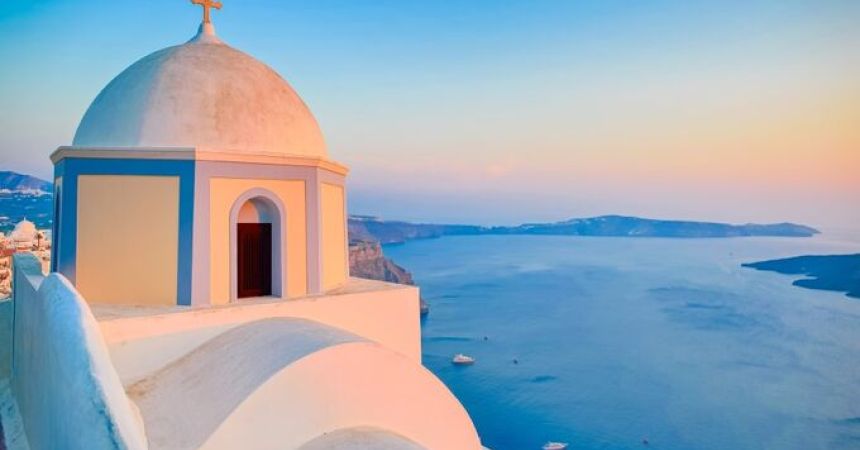
The caldera seen from Imerovigli.
White buildings against dark volcanic terrain.
The southern coastline around Akrotiri.
September is still recognizably summer, but the visual tone is becoming gentler.
A Long Lunch No Longer Has to Be a Heat Strategy
In August, lingering over lunch can be a practical way of avoiding the strongest part of the afternoon.
September gives the same pleasure without making it feel necessary.
You might finish lunch and decide to continue exploring immediately. Perhaps the afternoon remains warm enough to send you back to the sea instead. Both decisions can be equally sensible.
This is where September gains much of its travel flexibility.
The weather does not disappear from planning, but it stops forcing a narrow daily rhythm.
You can decide according to appetite, energy and interest rather than always according to exposure.
That is a surprisingly significant luxury on a small island where so many experiences happen outdoors.
The Caldera Trail Becomes Tempting Again
May owned Santorini's prime walking-season story, and September should not duplicate it.
The difference here is the combination available at the end.
A September traveler can spend the morning walking a caldera section and still reasonably expect a proper swim later. That mixture is much harder to achieve in spring when the land is excellent for walking but the sea remains cool.
The full Fira-to-Oia trail can become increasingly comfortable as summer heat moderates, although early starts remain sensible during warmer September periods. There is little shade across substantial sections, so water and sun protection still matter.
For travelers who do not want the complete route, walking from Fira through Firostefani toward Imerovigli provides much of the visual reward without committing several hours.
A Santorini caldera and countryside experience can extend that idea inland, where September's softer conditions make village exploration easier while the vineyards and dry volcanic landscape still retain their late-summer character.
Early September Still Speaks Fluent Summer
Someone arriving during the first week should not expect an autumn atmosphere.
The island remains busy, beaches are active and warm weather generally dominates. Popular locations such as Oia can still experience substantial visitor pressure, particularly around sunset.
The advantage is that the high-summer edge begins softening without sacrificing much of what people travel to Santorini for.
By late September, the difference becomes more noticeable.
Afternoons may feel gentler. Evenings can occasionally justify a light layer, particularly in exposed areas. Daylight is shorter, and the overall pace begins leaning away from peak summer.
September Changes Gradually
| Early September | Late September |
| Strong summer character | Softer late-summer feel |
| Hot afternoons still possible | Milder periods more common |
| Very warm swimming | Sea remains appealing |
| Busy tourism activity | Generally more relaxed |
| Long warm evenings | Earlier sunset, comfortable evenings |
| Summer-style planning | Greater sightseeing flexibility |
There is no sharp line between the two.
September simply loosens summer's grip week by week.
This Is an Excellent Month to Stop Counting Attractions
Santorini encourages checklist travel because its famous places are so easy to name.
Oia. Fira. Imerovigli. Akrotiri. Red Beach. Pyrgos.
Once listed, they begin looking like tasks.
September is particularly good at breaking that habit because the weather rarely demands that you rush toward the next location before conditions change.
Spend another hour at the beach if the water is perfect.
Stay in Pyrgos because you found a terrace you like.
Walk farther along the caldera because the afternoon is comfortable.
Return to Oia in the morning even though you already saw it at sunset.
A slow-paced Santorini itinerary suits September because the month provides enough seasonal reliability to leave parts of the schedule deliberately unresolved.
That does not mean doing less.
It means allowing individual places to occupy more of the trip.
Beach Choice Becomes About Character Again
At the height of summer, the question can become practical: where can we swim comfortably this afternoon?
September allows you to be more selective.
Kamari has convenience, restaurants and an established resort atmosphere.
Perissa offers a long volcanic shoreline with easy access to beach facilities.
Perivolos extends that coastal experience with its own restaurant and beach-club character.
Elsewhere, smaller coastal locations can be visited because of scenery rather than infrastructure.
The water remains inviting enough that you do not need to treat swimming as a scarce opportunity. If one beach does not suit you, try another.
That freedom encourages travelers to understand Santorini's coast as more than a single half-day attraction.
September Evenings Have Better Proportions
June evenings feel almost endless.
August evenings arrive after hot, highly active days.
September produces another rhythm.
Sunset comes earlier as the month progresses, which means dinner does not need to drift excessively late simply because you waited for the light to disappear. Temperatures remain comfortable enough for outdoor dining, while the slightly earlier transition into evening creates a more natural flow between sightseeing, sunset and dinner.
This is particularly useful for travelers who enjoy Santorini's evening atmosphere but do not necessarily want nightlife.
Walk through Fira after dark.
Stay over dinner in Imerovigli.
Have a final drink overlooking the caldera.
The island remains alive without requiring the day to continue indefinitely.
Do You Still Need a Pool?
Possibly, although September makes the decision less obvious than August.
A pool remains valuable, particularly early in the month, but the warm sea competes strongly for your swimming time. Travelers staying near the beach may barely use a hotel pool, while a caldera property with one can provide an excellent afternoon option between sightseeing and dinner.
If you are paying a substantial premium specifically for a pool, think about your itinerary rather than the photograph.
Will you actually return to the hotel in the afternoon?
If the answer is no because you expect to explore beaches and villages all day, spend the budget somewhere else.
September provides enough good swimming choices that water does not need to be attached to the room.
Packing Becomes Slightly Less Automatic
Most of the suitcase still looks like summer.
Light clothing, swimwear, comfortable footwear, sunscreen, sunglasses and a hat remain useful throughout the month.
The difference is that a light layer begins earning its place again, particularly for late-September evenings, exposed caldera locations or boat trips.
Do not overreact and pack for autumn.
You are still visiting a warm Mediterranean island.
The additional layer is there because September has range, not because summer has disappeared.
Proper shoes also remain useful for anyone planning substantial walking. The cooler air can make it easy to underestimate how long you have been exploring, particularly when a short village walk gradually turns into several hours.
September Doesn't Need Perfect Weather to Work
One reason this month is so forgiving is that the trip no longer depends entirely on one kind of day.
If conditions are hot, swim.
If the afternoon is milder, explore inland.
If the breeze is pleasant, walk farther.
If you want to spend several hours doing nothing beside the sea, the water is still warm enough to justify it.
September gives Santorini more than one way to be enjoyable.
That flexibility distinguishes it from the months on either side. August delivers the certainty and intensity of peak summer, while October begins introducing a more meaningful conversation about autumn weather changes.
September sits between them without feeling undecided.
It has simply kept the parts of summer that remain useful and begun letting go of the ones that make travel harder.
Some September Days Don't Need a Category
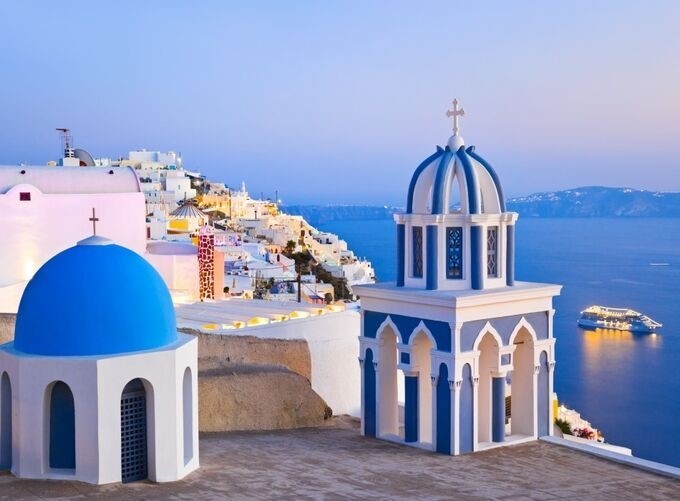
It is tempting to decide in advance that one day will belong to the beach and another to sightseeing, particularly when Santorini is only one stop in a longer Greece itinerary. September often makes that division unnecessary because the conditions that suit one activity no longer exclude the other.
You might begin in Pyrgos, continue through the southern part of the island and find yourself swimming at Perissa during the afternoon. On another day, a morning beside the water can lead naturally back toward Imerovigli once the light begins softening over the caldera.
That ability to combine experiences without constantly watching the temperature is one of September's quiet advantages.
If you prefer structure, however, there are three useful ways to build a day.
The Land Day
Use the comfortable morning for villages, Akrotiri or a longer section of the caldera, then continue exploring rather than automatically retreating from the afternoon sun. This works particularly well later in September, when temperatures often allow substantially more continuous sightseeing.
The Sea Day
Spend several hours at Kamari, Perissa or Perivolos and allow the beach to become the main event rather than a brief stop. The sea has retained summer warmth, so there is little reason to feel that a beach day in September represents a compromise.
The Mixed Day
For many visitors, this is where the month performs best. Combine a village or archaeological site in the morning with swimming later, then return to the caldera for the evening. The itinerary feels varied without requiring the tightly managed timing of peak summer.
First-Time Visitors Get the Complete Island
September is particularly easy to recommend for a first Santorini trip because very little of the classic experience has disappeared.
The beaches remain viable, boat excursions are active, restaurants and hotels continue operating within the main tourism season, and the caldera villages still carry a lively atmosphere. At the same time, the gradual easing of summer heat makes it easier to include places that require more walking.
This balance matters when you only have three or four nights.
A first-time visitor usually does not want a specialist Santorini holiday devoted entirely to vineyards, hiking or beaches. Most people want some of everything, and September allows that mixture without one activity constantly working against another.
Returning Visitors Can Afford to Wander
The second Santorini trip should probably not look like the first.
If you have already watched sunset in Oia, walked through central Fira and photographed the famous caldera perspectives, September provides excellent conditions for spending more time elsewhere.
Take longer in Emporio. Explore Megalochori without turning it into a twenty-minute stop. Return to a beach you previously ignored. Spend part of the day among vineyards or revisit Imerovigli without any particular attraction to tick off.
Repeat visitors often benefit more from September's flexibility because they no longer feel obliged to organize every day around the island's headline sights.
There is enough warm weather to improvise and enough seasonal activity that wandering does not feel like arriving after the island has begun shutting down.
Is Late September Still a Beach Holiday?
For many travelers, absolutely.
The important distinction is between warm sea and guaranteed high-summer air temperature.
Water changes temperature slowly, so the Aegean retains much of the heat accumulated through July and August even as the air gradually becomes milder. A late-September afternoon can therefore provide very enjoyable swimming conditions despite feeling noticeably softer than August on land.
What becomes less predictable is the assumption that every single day will behave identically.
A breezier or cloudier period can occur, particularly as the month advances. Travelers booking late September exclusively for uninterrupted sunbathing should understand that distinction.
Those combining beaches with sightseeing are in a much stronger position because almost any mild day remains useful.
September Gives Longer Walks Back Their Spontaneity
There is a practical difference between being able to complete a walk and deciding on the spot that you would like to walk farther.
During hotter summer periods, the first is perfectly possible with sensible timing. The second is less automatic because additional distance means additional exposure.
September gradually restores spontaneity.
You may arrive in Firostefani intending to spend half an hour and continue toward Imerovigli because conditions feel comfortable. An inland village visit can turn into a longer exploration without requiring you to calculate whether the next stretch will become unpleasant in the heat.
This is not the dedicated walking sweet spot that May owns within this cluster. September's advantage comes from being able to combine that walking freedom with a sea that remains genuinely inviting.
What Three Nights and Five Nights Feel Like
A three-night September stay can comfortably deliver the classic Santorini experience, particularly when it forms part of a wider Greek itinerary. There is enough daylight and weather flexibility to combine caldera villages, the coast and one or two additional interests without making every day feel excessively compressed.
Five nights create a different kind of trip.
Once the essential sightseeing is distributed across several days, swimming no longer competes with sightseeing and the hotel itself becomes part of the holiday. You can spend a morning doing almost nothing without feeling that you have wasted one-third of your time on the island.
September supports that slower format particularly well because both land and sea remain useful throughout the stay.
Twelve FAQs About Santorini Weather in September
1. Is September a good time to visit Santorini?
September is one of the most versatile months for Santorini because the sea remains warm while air temperatures gradually become more comfortable for sightseeing. Tourism services are still widely operating, and travelers can combine beaches, villages, archaeological sites and caldera walks within the same trip.
2. How hot is Santorini in September?
Daytime temperatures are commonly around 25–29°C, especially earlier in September, while evenings often fall to approximately 19–22°C. Temperatures generally moderate as the month progresses, although warm summer-like periods can continue well into late September depending on the year.
3. Is the sea warm in Santorini in September?
Yes. The Aegean retains heat accumulated throughout summer, so September generally offers very comfortable swimming conditions. This is one of the month's greatest advantages, particularly because the sea can remain warm even while daytime temperatures become noticeably more pleasant for walking and sightseeing.
4. Does it rain in Santorini during September?
September is generally still a dry month, particularly during its earlier weeks, although the possibility of unsettled weather gradually increases as summer moves toward autumn. Most visitors can expect substantial outdoor time, but late-month travelers should retain slightly more flexibility than those arriving in August.
5. Is Santorini crowded in September?
Santorini remains popular throughout September, and famous places such as Oia can still become busy, particularly around sunset. Visitor intensity generally begins easing from the August peak, although September should not be treated as a quiet off-season month, especially during its first half.
6. Can I hike from Fira to Oia in September?
Yes. Conditions become increasingly attractive for longer walks as the strongest summer heat begins moderating. Earlier starts remain sensible on warmer days, particularly in early September. Carry water and sun protection because substantial sections of the caldera route remain exposed with limited natural shade.
7. What should I wear in Santorini in September?
Summer clothing remains appropriate for most days, together with swimwear, comfortable footwear, sunglasses and sunscreen. A lightweight jacket or additional layer becomes increasingly useful later in the month, particularly for evenings, exposed caldera locations and breezy excursions on the water.
8. Is late September too cold for the beach?
Usually not. Sea temperatures generally remain comfortable because the water cools more slowly than the air. Late September may bring greater variation in daily weather than peak summer, but many travelers still enjoy regular swimming and beach time throughout the final weeks of the month.
9. Are restaurants and hotels still open in September?
Yes. September remains within Santorini's main tourism season, so accommodation, restaurants and visitor services generally operate widely across the island. This makes the month particularly convenient for travelers wanting slightly softer conditions without sacrificing the broad choice associated with summer travel.
10. How many nights should I stay in Santorini in September?
Three nights work well for the principal highlights, while four or five allow a more relaxed combination of beaches, villages and caldera experiences. Longer stays are particularly rewarding in September because swimming remains attractive without consuming the only comfortable hours available for sightseeing.
11. Is early or late September better for Santorini?
Early September suits travelers wanting stronger summer conditions and consistently warm beach weather, while late September generally offers softer temperatures and greater sightseeing comfort. The sea remains appealing throughout much of the month, making both periods strong choices for mixed beach-and-cultural itineraries.
12. Is September or October better for Santorini?
September is stronger for travelers who want to retain dependable late-summer swimming while gaining more comfortable sightseeing conditions. October begins a more noticeable autumn transition, when rainfall, cooling temperatures and greater weather variability become increasingly relevant to daily planning.
September Doesn't Force You to Pick a Version of Santorini
Many months on the island come with a fairly obvious priority.
Spring encourages you onto the land because walking conditions and seasonal landscapes are at their best. High summer naturally pulls the day toward the sea, particularly when afternoons become hot and swimming offers both pleasure and relief.
September sits between those experiences without feeling like a compromise.
You can spend the morning moving through inland villages, continue across the caldera in the afternoon and still finish with a swim if that is where the day leads. Alternatively, several hours at the beach do not prevent you from returning to the cliffs for an evening that still feels comfortably summery.
The season is changing, but it has not yet removed anything essential from the trip.
Perhaps that is why September can be difficult to describe with one spectacular selling point. It does not have April's spring transformation, May's walking conditions or August's unmistakable peak-summer energy.
What it has instead is balance, and on an island where weather can strongly influence how you use each part of the day, balance may be considerably more valuable than spectacle.

A travel professional specializing in tailor-made travel planning, guest experience management, and multi-destination tourism operations.
With over 23 years of experience in the travel industry, he designs and manages private and cultural tours for international travelers across Türkiye, Greece, Egypt, Jordan, Morocco, and other destinations.
He has strong expertise in both online and face-to-face guest communication, sales processes, and end-to-end travel operations.
Working closely with hotels, travel agencies, and local partners, he ensures smooth coordination and high-quality travel experiences at every stage of the journey.
His focus is on delivering personalized, reliable, and seamless travel experiences for international guests worldwide.