Egypt Weather in August: Hot Days & Red Sea Escapes
Last Updated: August 8, 2026
August is not the month to take a winter Egypt itinerary, add stronger sunscreen and hope everything else works the same way.
By late summer, the more useful approach is to ask a different question: which parts of Egypt naturally suit August?
The answer begins on the Red Sea.
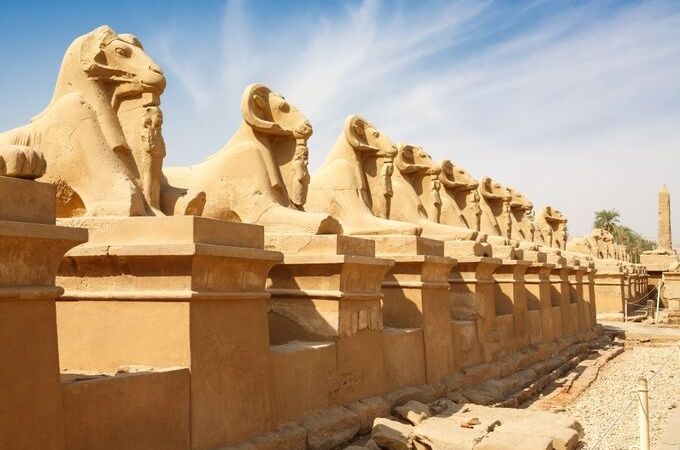
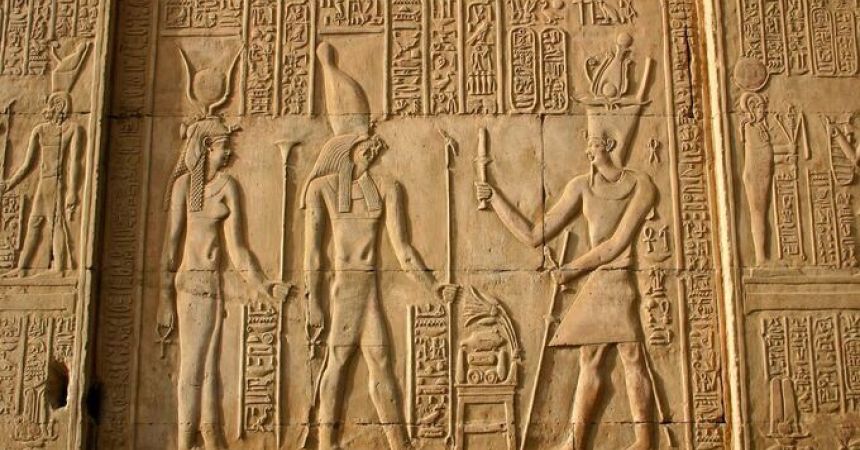
Hurghada and Sharm el-Sheikh are certainly hot, but swimming, diving, snorkelling and resort-based days have a completely different relationship with summer from walking for hours across exposed archaeological landscapes. Cairo can still provide a carefully selected cultural chapter, and Luxor remains possible for travellers who consider its ancient sites essential, but neither needs to dominate the entire holiday.
This gives August a distinct personality within the year. Instead of treating the coast as somewhere to recover after completing the “real” Egypt, you can build the journey around the sea and bring ancient Egypt into it selectively.
For some travellers, particularly families, divers and repeat visitors, that may be a considerably better holiday.
August Egypt Looks Different When You Reverse the Priorities
A conventional first-time route often begins with Cairo, continues through Luxor and Aswan, perhaps reaches Abu Simbel, and eventually finishes with a few nights beside the Red Sea.
Turn that itinerary around.
Start by protecting the part of the trip that works most naturally with August: the coast. Give Hurghada or Sharm el-Sheikh enough time to become a destination, then decide which cultural experiences matter enough to add.
| August Priority | Give More Time To | Keep Selective |
|---|---|---|
| Diving | Red Sea | Cairo or Luxor |
| Family holiday | Resort + water | Major iconic sites |
| First visit | Coast + Cairo | Upper Egypt if heat tolerant |
| Repeat visit | Red Sea + new experiences | Previously visited classics |
| Ancient history | Luxor + Cairo | Coast as recovery |
| Relaxation | One strong resort base | Multiple inland transfers |
This doesn't mean August is unsuitable for ancient Egypt. It means the cultural component benefits from having a clear purpose rather than being included automatically.
Hurghada Can Become the Centre Instead of the Finish Line
Hurghada is often described as an extension to Luxor.
In August, it deserves consideration in the opposite direction.
Base yourself on the Red Sea and decide whether Luxor is the excursion or short cultural chapter you genuinely want to add. This changes the emotional balance of the trip because you're no longer spending most of the holiday moving through hot inland destinations before finally reaching the water.
The coast becomes home base.
From there, marine activities can alternate with resort days, and selected inland experiences can be added according to interest and tolerance for heat.
Travellers interested in this approach can explore Hurghada summer breaks, building the holiday around the sea rather than treating it as the final two nights of a much larger circuit.
August Is a Serious Month for People Who Love the Water
There is a major difference between liking a beach and travelling because you want to be in the sea.
August makes that distinction useful.
If your ideal holiday involves diving, snorkelling and boat trips, the Red Sea is not filler between cultural attractions. Coral reefs, marine life and underwater landscapes are the attractions.
A diving day also has its own rhythm. There may be boat transfers, surface intervals and periods in the water rather than hours of continuous walking through an exposed desert environment.
None of this removes the need for caution. The sun is intense, boat decks can offer less shade than expected, and reflected light makes sun exposure easy to underestimate. Hydration remains important even when you have spent much of the day surrounded by water.
Being wet is not the same as drinking.
August will happily demonstrate the difference.
Sharm el-Sheikh Works Best When You Stay Put
One of the easiest ways to make an August holiday unnecessarily tiring is to keep moving.
Sharm offers an alternative: choose a good base and allow the trip to settle.
A longer stay gives divers flexibility, families more usable resort time and everyone fewer suitcases to repack. It also means a boat day or excursion doesn't need to be followed immediately by another major activity simply because departure is approaching.
Travellers who want this slower format can consider Sharm reef holidays, particularly when the underwater experience is one of the main reasons for choosing Egypt.
The important word is holidays.
Not every day needs to become a tour.
Cairo Can Be the Cultural Counterweight
A Red Sea-first itinerary doesn't require abandoning Egypt's historical identity.
Cairo can provide an excellent cultural counterweight precisely because it offers more than outdoor archaeology. An early visit to Giza can deliver the iconic ancient-Egypt experience, while museums and historic interiors create options for the hotter hours.
This can be enough for some August travellers.
Three well-designed Cairo days followed by a longer Red Sea stay may produce a better first trip than forcing Luxor, Aswan and Abu Simbel into the same schedule simply because they appear in a standard itinerary.
Of course, archaeology enthusiasts will disagree.
They should.
A cluster designed for real travellers should allow different answers.
Luxor in August Should Be There for a Reason
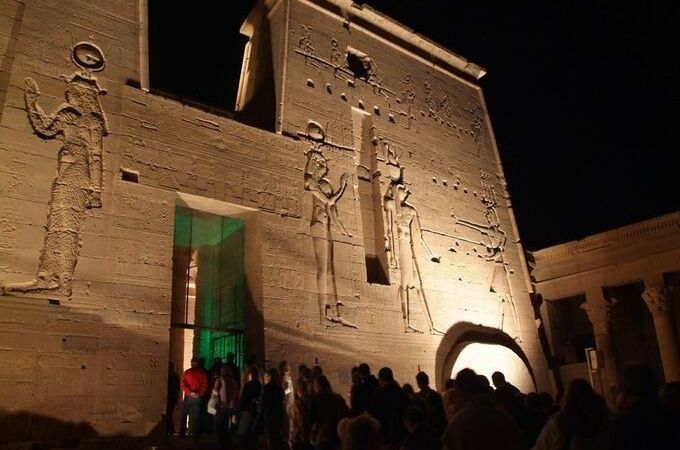
If the Valley of the Kings has been on your dream list for years, August doesn't suddenly make it unimportant.
Go.
Plan carefully, begin early, use reliable air-conditioned transport and give the visit enough attention to justify the effort.
What August changes is the case for casual inclusion. If you have only moderate interest in archaeology and are already enjoying a Red Sea holiday, adding multiple inland days may create more travel than value.
A focused Luxor heritage visit can make more sense than attempting to recreate a complete Upper Egypt circuit during the hottest part of summer.
One great archaeological day can leave a stronger memory than four increasingly exhausting ones.
August Is Not the Month for Collecting Hotel Key Cards
A Red Sea-first itinerary has another practical advantage: fewer bases.
This matters more than it sounds.
Every hotel change requires packing, checkout, transport, arrival and another check-in. Domestic flights add airport time. Long road journeys remove hours from the holiday regardless of how efficiently they are arranged.
In August, the cost is also physical. Repeated movement between hot destinations can make the journey feel busier than the number of actual sightseeing hours suggests.
Try counting nights rather than destinations.
If most stops receive one or two nights, the itinerary probably needs editing.
If one place receives five nights, don't panic.
You may actually have time to enjoy it.
The Best August Itinerary May Look Unusually Simple
A strong August journey could be Cairo followed by Sharm el-Sheikh.
Or Hurghada with a carefully planned Luxor experience.
A returning visitor might skip Cairo entirely and build the holiday around diving and a destination missed previously.
An archaeology enthusiast may still choose Cairo and Luxor, accepting that the trip requires very early starts and a slower daytime pace.
There is no single correct August route because the month magnifies differences between travellers.
What doesn't work particularly well is pretending those differences don't exist.
If you love the sea, build around it. If you love ancient Egypt enough to travel through peak summer for it, protect the archaeological experiences that matter most. If you dislike intense heat and have complete freedom over your dates, choose another part of the year without feeling that you've failed some imaginary test of travel commitment.
August isn't asking how much Egypt you can fit into your holiday.
It is asking which Egypt you came to experience.
Build an August Day From the Water Outward
On a traditional Egypt circuit, the day's main event is usually obvious. There is a pyramid to visit, a temple to explore or a tomb that determines what time breakfast needs to happen.
A Red Sea-first August holiday works better when you reverse that logic.
Decide what you want from the water first. Perhaps today is a diving day, tomorrow involves snorkelling, and the day after has absolutely nothing scheduled beyond breakfast and finding a shaded place near the pool. Once those priorities are protected, other experiences can fit around them rather than competing with them.
It sounds almost too simple, but this is where many resort holidays go wrong. Travellers arrive beside one of the world's most celebrated marine environments and somehow create a timetable so crowded that they barely have time to swim.
A Boat Day Is Already a Full Experience
If you're heading out for diving or snorkelling, resist the temptation to schedule something significant for later simply because the boat is expected back in the afternoon.
A marine excursion contains more than the hours spent underwater. There is equipment preparation, sailing time, swimming, surface intervals, lunch and plenty of exposure to the sun. By the time you return, a quiet evening may be far more appealing than another organised activity.
August makes this especially relevant because the heat can accumulate without being obvious. Sea breezes and repeated swimming may make you feel comfortable even while your body is dealing with strong sunshine.
| Red Sea Day | Sensible August Approach |
|---|---|
| Diving trip | Let it be the day's main activity |
| Snorkelling boat | Keep the evening flexible |
| Resort day | Protect it from unnecessary excursions |
| Desert outing | Choose timing carefully |
| Cultural excursion | Treat it as a dedicated day |
| Transfer day | Don't automatically add sightseeing |
This isn't under-planning.
It is understanding that experiences need room around them.
Shade Matters More Than the Photograph Suggests
Red Sea marketing understandably shows blue water, bright beaches and almost uninterrupted sunshine.
What the photographs rarely emphasise is the value of a good patch of shade.
In August, resort facilities matter because you may use them for longer than expected. A comfortable room, shaded outdoor spaces, reliable air conditioning and easy access to food and water contribute directly to the quality of the stay.
This is particularly important for families. Children may happily spend hours alternating between the pool and the sea, but that doesn't mean they should spend the entire day in direct sun.
The best family resort isn't necessarily the one with the most impressive lobby.
It is often the one that makes an ordinary afternoon easy.
Don't Treat Snorkelling as the Smaller Version of Diving
Not everyone wants to dive, and there is no reason they should.
For many travellers, snorkelling provides more than enough access to the Red Sea's underwater world without requiring certification, heavy equipment or the same level of planning.
The important thing is choosing the experience according to the traveller rather than assuming everybody in the group needs to do the same thing.
One person may dive.
Another may snorkel.
Someone else may remain on the boat wondering why everyone voluntarily got into the water before lunch.
All three can have a perfectly good day.
Travellers interested in accessible marine experiences can consider Red Sea snorkel trips, leaving enough time around the excursion to enjoy the coast without immediately moving to the next activity.
Families Need Fewer “Must-Do” Days
August family travel becomes much easier when the itinerary stops treating children as smaller adults.
A ten-year-old who enjoyed seeing the pyramids yesterday does not necessarily want to discuss the New Kingdom tomorrow morning. They may want to spend six hours in the pool.
This is not a failure of cultural curiosity.
It is being ten.
For families, a strong August trip might contain one or two iconic cultural experiences surrounded by longer stretches of resort time. Those historical days then become events rather than the daily routine.
The result is often better for adults too, although they may take slightly longer to admit it.
Desert Excursions Need Their Own Logic
The Red Sea is not only about water. Desert excursions are widely available from coastal resorts, but August requires a different level of respect for the environment.
An open landscape away from the sea feels very different from sitting beneath a shaded umbrella beside the water. Timing, transport quality, hydration and the duration of the excursion matter considerably.
This is also where “included activity” should not automatically mean “necessary activity.”
If a desert experience genuinely interests you, choose it carefully.
If you're going because Tuesday looked empty on the itinerary, Tuesday may have been fine as it was.
One Cultural Day Can Be Enough to Change the Holiday
A Red Sea-first trip doesn't need a miniature version of the entire classic Egypt circuit attached to it.
One carefully chosen cultural experience can create all the contrast you need.
From Hurghada, that might mean travelling to Luxor and seeing the archaeological places that matter most. On another itinerary, Cairo may provide the cultural chapter before or after a longer coastal stay.
The important thing is allowing that day to remain distinct.
You leave the resort environment, enter an entirely different Egypt, absorb an extraordinary amount of history, and then return to the coast rather than immediately beginning another multi-day circuit.
A Red Sea culture trip can work precisely because the contrast is so strong.
The temples don't need to compete with the reef.
They can complement it.
The Unscheduled Day Deserves Protection
This may be the most difficult concept for ambitious travellers.
Leave a day empty.
Not “free time, optional excursion available.”
Actually empty.
Wake up and decide whether you want to swim before breakfast. Read something. Stay in the shade. Go back into the sea. Have lunch later than expected because nobody is waiting for you.
After months of organising flights, hotels and transfers, an unplanned day can feel strangely irresponsible.
By the afternoon, it usually feels excellent.
August is particularly well suited to this because the strongest Red Sea itinerary is not necessarily the one with the most activities. The environment itself is doing much of the work.
You travelled all the way to the coast.
Give yourself enough time to notice that you've arrived.
In August, Your Hotel Is Part of the Itinerary
During cooler months, choosing a hotel in Egypt can revolve around familiar questions: location, room quality, breakfast, perhaps the view. In August, another question becomes just as important.
How much time will you actually spend there?
If the answer is “quite a lot,” accommodation stops being merely the place where the sightseeing day begins and ends. It becomes part of how you experience the season.
This matters particularly on the Red Sea, where a resort may host breakfast, swimming, lunch, several hours beside the water, an afternoon rest and dinner without the day ever feeling empty. It matters inland too, where returning to a comfortable hotel during the hottest hours can transform the rhythm of a cultural trip.
The cheapest acceptable room can therefore be surprisingly expensive if you spend the holiday trying to escape from it.
On the Red Sea, Choose the Water Before the Lobby
A dramatic entrance makes a strong first impression.
It does very little for your snorkelling.
If marine experiences are central to the trip, investigate how the property relates to the sea. Does it offer practical beach access? Is there reef access nearby? Is swimming straightforward for the travellers in your group? How exposed are the beach and pool areas during the day?
These questions can matter more than whether the reception area contains an impressive chandelier.
Different travellers also need different coastlines. A diver may care about access to dive operations, while a family with younger children may prioritise easy swimming and shaded areas. Someone planning to spend most days on organised boats may care less about the house reef and more about location and transfer logistics.
There isn't one best Red Sea hotel.
There is a hotel that makes sense for what you intend to do there.
Shade Is a Facility
Hotel descriptions list pools, restaurants, spas and fitness centres.
They rarely advertise shade with equal enthusiasm.
In August, perhaps they should.
A resort can have a beautiful beach and still be uncomfortable for someone who doesn't want to sit in direct sun for hours. Look at the practical outdoor environment: umbrellas, covered seating, shaded restaurant areas and places where you can remain outside without continuously absorbing sunshine.
This becomes particularly important when several generations are travelling together. One person may want to spend the morning swimming, another may prefer reading beside the water, while someone else wants to move between an air-conditioned room and the pool.
A good resort allows all three holidays to happen simultaneously.
A Pool Changes the Cultural Trip Too
Pools are often treated as a resort feature.
In August, they can be surprisingly valuable in Cairo and Luxor as well.
Imagine returning from an early archaeological visit around midday. You have already spent several hours walking outside and don't particularly want another scheduled attraction immediately.
A hotel with a pleasant pool gives the afternoon an obvious answer.
Swim, eat, rest, and decide later whether you want to go out again.
This may sound like an indulgence when you are surrounded by some of the world's greatest historical sites, but August is exactly when leaving space between those sites can improve them.
The Valley of the Kings will not become less significant because you spent two hours in a pool afterwards.
Air Conditioning Is Not a Minor Detail
Nobody books an Egypt holiday because they are excited about air conditioning.
By August, you may develop a surprisingly affectionate relationship with it.
Reliable cooling matters in rooms, vehicles and indoor spaces because recovery from outdoor heat is part of maintaining energy throughout the trip. This is especially relevant when travelling with children, older family members or anyone who finds high temperatures physically tiring.
That doesn't mean setting the room to an Arctic temperature and sleeping beneath three blankets.
The objective is comfort, not recreating Scandinavia.
It simply means recognising that accommodation quality has a larger practical role in peak summer.
Location Can Save More Energy Than Another Star
In Cairo, a hotel with the wrong location for your itinerary can add substantial driving time. On the Red Sea, a resort far from the experiences you actually want may create repeated transfers. In Luxor, practical access can influence how easily you divide the day between sightseeing and downtime.
This is why star rating alone is an incomplete way to choose.
| August Hotel Question | Why It Matters |
|---|---|
| Is the location practical? | Reduces unnecessary transfer time |
| Is air conditioning reliable? | Makes midday recovery easier |
| Are outdoor areas shaded? | Extends usable resort time |
| Is there a good pool? | Valuable during hotter hours |
| How is sea access? | Important for Red Sea stays |
| Does it suit children? | Changes family pacing |
| Would you enjoy staying in? | You may spend more time there than expected |
The final question is particularly useful.
If the weather encourages you to spend several hours at the hotel, will that feel like part of the holiday or like waiting for the holiday to restart?
Families Should Choose Facilities They Will Actually Use
It is easy to overvalue the impressive list of facilities on a resort website.
Tennis courts sound good.
A fitness centre sounds responsible.
Five restaurants sound luxurious.
Then the family arrives and spends every day rotating between the same pool, the beach and whichever restaurant serves ice cream fastest.
There is nothing wrong with that.
Choose accommodation according to real behaviour rather than imaginary holiday behaviour. Families may value connecting rooms, easy meals, shade, a suitable pool and simple beach access more than a long list of facilities nobody ultimately uses.
Travellers planning a coast-heavy summer trip can explore Egypt resort stays, but the right choice should always reflect who is travelling rather than which property has the longest amenities section.
Sometimes Paying More for the Hotel Means Doing Less
This sounds backwards until you experience it.
A comfortable August hotel can reduce the urge to schedule activities simply because you don't want to remain at the property. A resort with excellent sea access can remove the need for a boat excursion every day. A Cairo hotel that makes afternoon downtime pleasant can prevent you from adding another attraction during hours when nobody really wants one.
In that sense, better accommodation can simplify the itinerary.
You stop trying to extract entertainment from every available hour because the place where you're staying already contributes something.
That is especially valuable during peak summer, when the strongest journeys often alternate between activity and genuine recovery.
August Changes the Meaning of a Good Hotel
The best accommodation isn't necessarily the grandest one.
It is the property that quietly makes the month easier.
It shortens an unnecessary transfer. It gives you somewhere shaded after swimming. It provides a pool after an early archaeological morning. It lets the children stay occupied while the adults stop doing anything at all for an hour.
Most importantly, it prevents downtime from feeling like wasted time.
In August, that distinction matters because downtime is not what happens when the itinerary fails.
It is part of the itinerary.
Choose the hotel accordingly.
What Does a Good August Egypt Trip Look Like?
You can often recognise a poorly designed August itinerary before anyone boards the plane.
Every morning is early. Every afternoon contains another attraction. Hotels change every two nights. The Red Sea appears briefly near the end, usually just long enough for one boat trip, and there is an impressive amount of travelling between places where nobody actually has time to settle.
A good August itinerary tends to look less ambitious.
There may be only two or three bases. One of them might receive four or five nights. Cultural sightseeing is selective rather than continuous, and accommodation is chosen partly for the hours spent there rather than simply for sleeping. If the Red Sea is important, it receives enough time to become a genuine part of the journey.
On paper, the itinerary may look as though something is missing.
That space is often exactly what makes it work.
Five Signs the Itinerary Fits August
The first sign is fewer hotel changes. A journey becomes noticeably easier when you are not packing every second morning.
The second is a clear priority. If this is primarily a diving holiday, the schedule reflects that. If Luxor is your lifelong ambition, the archaeological days receive the best planning rather than being squeezed around resort activities.
Third, the coast has enough time. Two nights may technically place you beside the Red Sea, but they rarely create much of a coastal holiday once arrival and departure are taken into account.
Fourth, the hotel contributes something. A useful pool, good sea access, shade, practical location and comfortable indoor spaces become genuine itinerary assets in August.
Finally, there is unscheduled time. Not an optional tour disguised as free time, but an afternoon or even a full day when nothing has been pre-booked.
If your itinerary contains all five, it is probably beginning to understand the month.
| Strong August Design | Warning Sign |
|---|---|
| 2–3 main bases | Hotel change every 1–2 nights |
| Selective culture | Every major site included |
| Meaningful coast stay | Red Sea squeezed into 1–2 nights |
| Useful hotel facilities | Hotel chosen only for sleeping |
| Marine days with space | Two activities scheduled daily |
| Flexible downtime | Every hour pre-planned |
Let August Have Its Own Personality
The mistake isn't travelling to Egypt in August.
The mistake is wishing throughout the trip that August behaved like November.
A peak-summer journey has its own rhythm. Water matters more. Hotels matter more. Long stretches of archaeological sightseeing matter less unless ancient history is the specific reason you came.
For travellers who want a broader summer combination, Egypt coastal journeys can connect carefully selected cultural experiences with longer stays beside the Red Sea without turning the route into a race across the country.
The result is still unmistakably Egypt.
It simply doesn't need to include every version of Egypt at once.
Frequently Asked Questions About Egypt in August
1. Is August a good time to visit Egypt?
August can work well for travellers comfortable with intense summer heat, particularly when the Red Sea is a major part of the holiday. Culture-focused travellers should keep outdoor sightseeing selective, while heat-sensitive visitors with flexible dates may prefer Egypt's cooler months.
2. How hot is Egypt in August?
August sits within Egypt's peak summer season. Inland destinations such as Luxor and Aswan can experience particularly intense daytime heat, while Cairo is also hot. Red Sea destinations remain very warm, although swimming and resort facilities create a different experience from exposed archaeological touring.
3. Should I build an August trip around the Red Sea?
For many travellers, yes. A Red Sea-first itinerary can work naturally with August, especially for diving, snorkelling, families and resort-based holidays. Cairo or Luxor can then be added selectively rather than automatically building the trip around a complete cultural circuit.
4. Is Hurghada suitable in August?
Hurghada can suit travellers who enjoy hot summer conditions and want swimming, diving, snorkelling or resort time. Its practical connection with Luxor also makes it useful for combining several coastal nights with a focused cultural experience rather than a lengthy Upper Egypt itinerary.
5. Is Sharm el-Sheikh worth visiting in August?
Yes, particularly when the Red Sea is the primary reason for travelling. Sharm can work well for diving, snorkelling and longer resort stays. Strong sunshine makes shade, hydration and sensible sun protection especially important during boat trips and extended time outdoors.
6. Can I visit Cairo in August?
Yes. Cairo offers more flexibility than an entirely outdoor archaeological destination because Giza can be visited earlier while museums and historic interiors provide alternatives during hotter hours. A shorter, well-designed Cairo stay can combine effectively with a longer Red Sea holiday.
7. Is Luxor too hot in August?
Luxor can be extremely hot, particularly during the middle of the day. Travellers who consider its archaeological sites essential can still visit with early starts, efficient air-conditioned transport and carefully selected attractions. Those with only casual archaeological interest may prefer a shorter stay.
8. Is August suitable for a family holiday in Egypt?
It can be, especially when the itinerary is designed around the family's actual travel style. Resorts with pools, shade and convenient sea access can make the trip easier, while cultural sightseeing is generally better kept selective rather than filling several consecutive days.
9. What should I look for in an August hotel?
Prioritise reliable air conditioning, practical location and comfortable areas where you would genuinely enjoy spending part of the day. On the Red Sea, also consider shade, pool quality, beach or reef access and facilities appropriate for the people travelling with you.
10. Is diving good in Egypt in August?
The Red Sea remains a major diving destination during summer, although specific marine and weather conditions vary by location and day. Divers should choose operators and sites according to their experience level and current local conditions rather than relying solely on monthly averages.
11. What should I pack for Egypt in August?
Bring lightweight, breathable clothing with practical sun coverage, comfortable footwear, sunglasses, a hat and high-quality sunscreen. Respectful clothing remains appropriate away from resort environments and at religious sites. Swimwear and suitable water footwear may also be useful for coastal stays.
12. Is September better than August for Egypt?
September begins the gradual transition away from peak summer, although hot conditions can persist, particularly early in the month and in Upper Egypt. Travellers prioritising extensive cultural sightseeing may appreciate the seasonal shift, while Red Sea-focused visitors can enjoy either month depending on heat tolerance.

A travel professional specializing in tailor-made travel planning, guest experience management, and multi-destination tourism operations.
With over 23 years of experience in the travel industry, he designs and manages private and cultural tours for international travelers across Türkiye, Greece, Egypt, Jordan, Morocco, and other destinations.
He has strong expertise in both online and face-to-face guest communication, sales processes, and end-to-end travel operations.
Working closely with hotels, travel agencies, and local partners, he ensures smooth coordination and high-quality travel experiences at every stage of the journey.
His focus is on delivering personalized, reliable, and seamless travel experiences for international guests worldwide.