Journey Through Ancient Egypt: Temples, Tombs & Nile Wonders
Ancient Egypt has fascinated travelers for centuries. Long before modern tourism existed, explorers crossed deserts and followed the Nile in search of towering temples, mysterious tombs, and stories carved into stone. Today, those same wonders continue to inspire millions of visitors who dream of experiencing one of the world's oldest civilizations firsthand.
A journey through ancient Egypt is far more than visiting famous landmarks. It is an opportunity to walk through cities that flourished thousands of years ago, discover the lives of powerful pharaohs, sail along the Nile River, and understand how one civilization shaped history, architecture, religion, and art.
Whether you are visiting Egypt for the first time or returning to explore more deeply, a carefully planned itinerary transforms a sightseeing holiday into a remarkable cultural experience. From Cairo and Giza to Luxor, Aswan, and Abu Simbel, every destination tells another chapter of Ancient Egypt's incredible story.
Why Ancient Egypt Continues to Fascinate the World
Few civilizations have left behind such an extraordinary collection of monuments. While many ancient cultures disappeared with little physical evidence, Egypt preserved massive temples, royal tombs, colossal statues, and hieroglyphic inscriptions that still survive after thousands of years.
Ancient Egypt offers visitors the chance to experience history on an unforgettable scale.
| Ancient Egypt Experience | Highlights |
|---|---|
| Royal monuments | Pyramids, temples, obelisks |
| Archaeological sites | Tombs, ancient cities, museums |
| Religious history | Temples dedicated to Egyptian gods |
| River civilization | The Nile and its role in Egyptian life |
| Cultural heritage | Hieroglyphs, statues, artwork, architecture |
Unlike many historical destinations, Egypt allows travelers to step directly into places where ancient ceremonies, royal burials, and daily life once took place.
Beginning Your Ancient Egypt Journey in Cairo
Every great journey through Ancient Egypt begins in Cairo.
The Egyptian capital provides the perfect introduction to one of history's greatest civilizations while also showcasing modern Egyptian culture.
Most visitors begin with:
- The Pyramids of Giza
- The Great Sphinx
- Saqqara
- Memphis
- Egyptian Museum or Grand Egyptian Museum
- Islamic Cairo
These attractions provide valuable historical context before continuing south along the Nile.
Travelers choosing Egypt tour packages often spend two or three days in Cairo before heading toward Luxor, allowing enough time to appreciate both the ancient monuments and the city's vibrant atmosphere.
The Pyramids of Giza: Egypt's Greatest Symbol
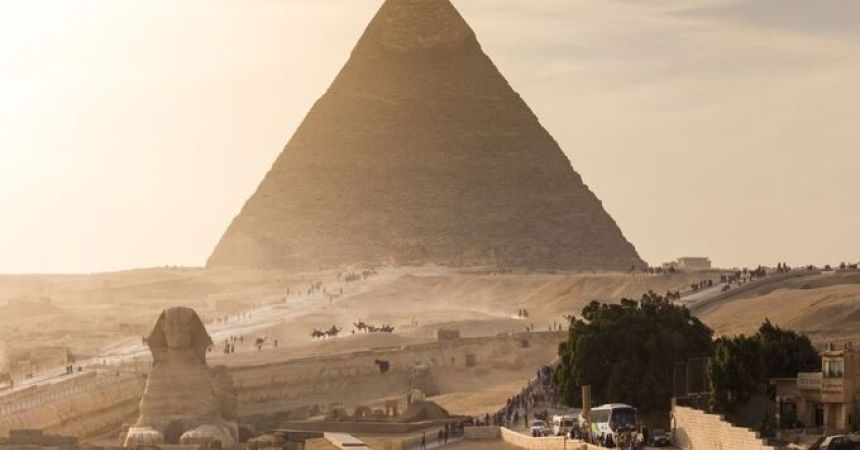
The Pyramids of Giza remain among the most recognizable monuments on Earth.
Constructed more than 4,500 years ago, they continue to inspire engineers, archaeologists, historians, and travelers alike.
The three principal pyramids include:
- Great Pyramid of Khufu
- Pyramid of Khafre
- Pyramid of Menkaure
Nearby stands the Great Sphinx, whose mysterious expression has fascinated visitors for centuries.
Although photographs are impressive, nothing compares to standing beneath these enormous monuments in person.
Why the Pyramids Are So Special
| Feature | Why It Matters |
|---|---|
| Age | Over four millennia old |
| Scale | Among the largest ancient structures ever built |
| Engineering | Still admired by modern architects |
| Historical importance | Symbol of Ancient Egyptian civilization |
| UNESCO status | One of the world's greatest heritage sites |
No Ancient Egypt itinerary feels complete without experiencing Giza.
Saqqara: Where Pyramid Building Began
Many visitors focus entirely on Giza and overlook Saqqara, yet it represents one of Ancient Egypt's most significant archaeological sites.
The Step Pyramid of Djoser, designed by Imhotep, was the world's first monumental stone pyramid and became the foundation for later pyramid construction.
Saqqara offers:
- Step Pyramid
- Ancient tombs
- Hieroglyph-covered walls
- Burial chambers
- Fewer crowds than Giza
Visiting Saqqara helps travelers better understand how pyramid architecture evolved over time.
The Egyptian Museum and Ancient Treasures
A journey through Ancient Egypt is incomplete without seeing the artifacts that once filled royal palaces and tombs.
Museum collections include:
- Mummies
- Gold jewelry
- Statues
- Sarcophagi
- Ancient tools
- Religious objects
- Hieroglyphic inscriptions
These collections help connect the monuments you've visited with the people who actually lived during Ancient Egypt.
Rather than simply looking at ruins, you begin to understand daily life, beliefs, and royal traditions.
Following the Nile into Upper Egypt
The Nile made Ancient Egypt possible.
For thousands of years it supplied water, transportation, fertile farmland, and communication between cities.
Today, following the Nile remains the most natural way to discover Egypt's archaeological treasures.
Most itineraries continue south toward:
- Luxor
- Edfu
- Kom Ombo
- Aswan
Many visitors choose guided Egypt tours because the historical connections between these ancient sites become much clearer when explained by knowledgeable Egyptologists.
Luxor: Ancient Thebes Lives On
Luxor was once known as Thebes, the religious and political center of Ancient Egypt during the New Kingdom.
Today it contains one of the world's greatest concentrations of archaeological monuments.
Major attractions include:
East Bank
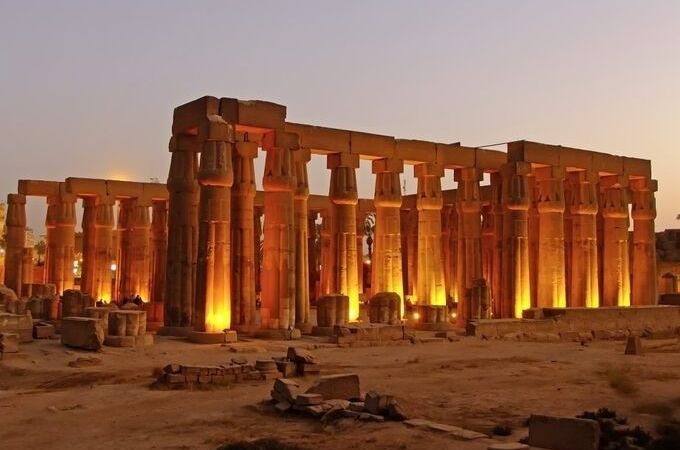
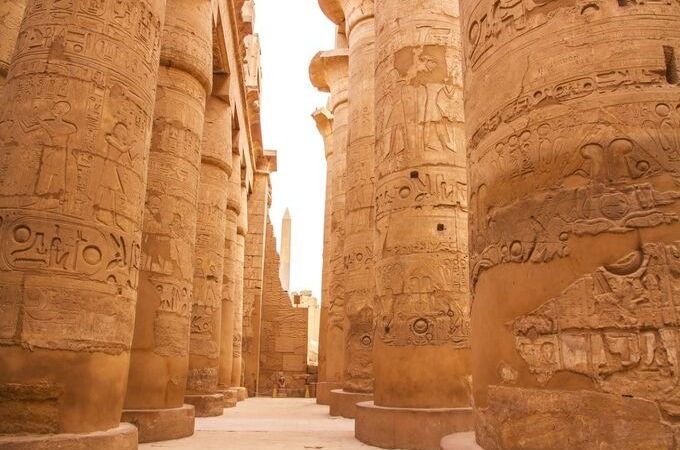
- Karnak Temple
- Luxor Temple
West Bank
- Valley of the Kings
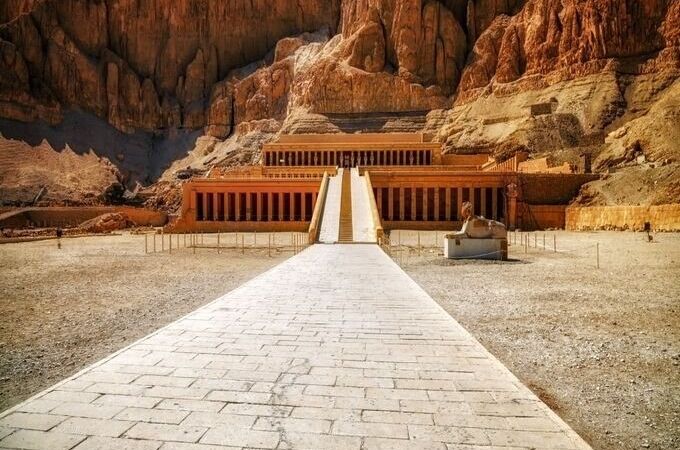
- Temple of Hatshepsut
- Colossi of Memnon
- Valley of the Queens
Every monument tells a different story about Egypt's rulers, religious ceremonies, and architectural achievements.
Karnak Temple: A Monument Built Across Generations
Rather than being constructed by one ruler, Karnak Temple expanded over nearly two thousand years.
Successive pharaohs added:
- Massive gateways
- Sacred lakes
- Obelisks
- Hypostyle halls
- Sanctuaries
- Courtyards
The Great Hypostyle Hall alone contains 134 enormous columns, creating one of the most impressive spaces in the ancient world.
Visitors often describe walking through Karnak as feeling like stepping into another civilization entirely.
Valley of the Kings: The Resting Place of Pharaohs
Hidden within desert mountains on Luxor's West Bank lies the Valley of the Kings.
Instead of building giant pyramids, New Kingdom pharaohs chose hidden underground tombs to protect their burials from robbers.
Several tombs remain open to visitors, featuring remarkably preserved:
- Painted ceilings
- Hieroglyphics
- Burial chambers
- Religious scenes
- Royal symbolism
Among the most famous discoveries is the tomb of Tutankhamun, found largely intact in 1922.
Hatshepsut: Egypt's Remarkable Female Pharaoh
One of Ancient Egypt's most extraordinary rulers was Queen Hatshepsut.
Her mortuary temple stands dramatically against towering limestone cliffs and remains one of Egypt's architectural masterpieces.
Hatshepsut's reign was marked by:
| Achievement | Significance |
|---|---|
| Trade expeditions | Expanded Egypt's wealth |
| Monument construction | Large-scale building projects |
| Political stability | Long period of prosperity |
| Religious influence | Strengthened temple complexes |
Her temple is considered one of the finest examples of ancient Egyptian architecture.
Nile Cruise: Traveling Like Ancient Egyptians
One of the most enjoyable ways to experience Ancient Egypt is by sailing along the Nile.
Although today's cruise ships are modern and comfortable, the journey follows the same river that connected Egyptian civilization for thousands of years.
Along the route, travelers visit:
- Edfu Temple
- Kom Ombo Temple
- Aswan
- Philae Temple
A Nile Cruise allows visitors to combine sightseeing with relaxation while appreciating the landscapes that sustained Ancient Egypt for millennia.
Many travelers also combine a cruise with Egypt vacation packages, creating an itinerary that balances archaeology, culture, scenic river travel, and comfortable accommodations.
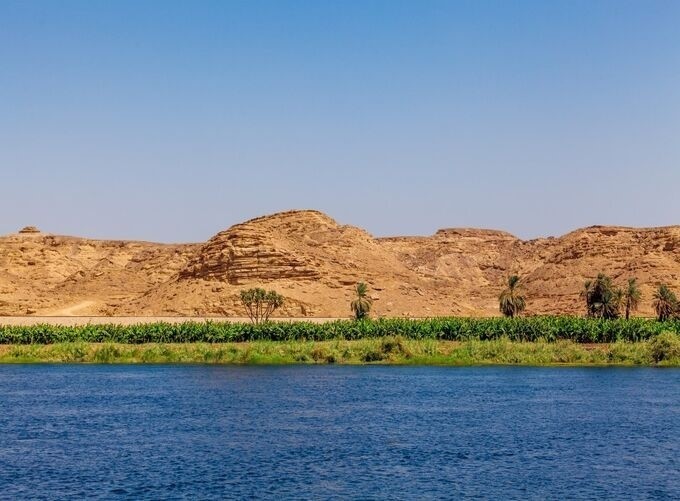
Edfu Temple: One of Egypt’s Best-Preserved Temples
Edfu Temple is one of the most impressive stops between Luxor and Aswan. Dedicated to Horus, the falcon-headed god, this temple is famous for its excellent preservation, detailed wall carvings, and dramatic entrance pylon.
Walking through Edfu gives travelers a clear sense of how ancient Egyptian temples were arranged. Courtyards, columns, chambers, and sacred spaces still feel remarkably complete.
| Temple Feature | What Visitors Notice |
|---|---|
| Entrance pylon | Massive and beautifully decorated |
| Courtyard | Open space for ceremonies |
| Hypostyle hall | Columns covered with carvings |
| Sanctuary | Sacred inner chamber |
| Wall reliefs | Mythological scenes and inscriptions |
Edfu is especially rewarding because it helps visitors imagine how temples functioned in daily religious life.
Kom Ombo: A Temple with Two Stories
Kom Ombo is unique because it was dedicated to two gods: Sobek, the crocodile god, and Horus the Elder. This double dedication created a symmetrical temple design, with two entrances, two halls, and two sanctuaries.
The temple’s riverside setting makes it especially atmospheric, particularly near sunset. Visitors can also see carvings showing ancient medical instruments, which reveal how advanced Egyptian knowledge was in certain areas.
Kom Ombo is often a shorter visit than Karnak or Edfu, but it adds variety to a Nile journey.
Philae Temple and the Story of Isis
Philae Temple, dedicated to the goddess Isis, is one of Aswan’s most beautiful ancient sites. Its island setting gives it a romantic and peaceful atmosphere that feels different from the grand scale of Luxor.
To reach the temple, visitors usually take a small boat across the water. This short journey adds to the experience and makes Philae feel like a hidden sanctuary.
The temple is also known for its relocation project, which protected it from flooding after the construction of the Aswan High Dam.
Abu Simbel: The Power of Ramses II
Abu Simbel is one of the most unforgettable monuments in Egypt. Built by Ramses II, the great temple was designed to show royal power, religious devotion, and political strength.
The four seated statues at the entrance are enormous, creating one of the most dramatic temple facades in the world. Nearby, the smaller temple dedicated to Queen Nefertari shows the importance of royal women in ancient Egyptian symbolism.
| Abu Simbel Feature | Why It Matters |
|---|---|
| Colossal statues | Symbol of Ramses II’s authority |
| Lake Nasser setting | Dramatic southern landscape |
| Queen Nefertari temple | Rare royal dedication |
| Relocation history | Modern engineering achievement |
| Early morning visit | Best light and cooler weather |
Although Abu Simbel requires an early start from Aswan, most travelers consider it one of the highlights of their Egypt journey.
Ancient Egypt by Destination
Each major destination reveals a different side of ancient Egyptian civilization.
| Destination | Ancient Egypt Experience |
|---|---|
| Cairo & Giza | Pyramids, Sphinx, royal treasures |
| Saqqara | Early pyramid development |
| Luxor | Temples, tombs, New Kingdom history |
| Edfu | Preserved temple architecture |
| Kom Ombo | Dual temple and medical carvings |
| Aswan | Isis worship, Nubian gateway |
| Abu Simbel | Ramses II and southern Egypt |
Seeing these places together creates a fuller understanding of Egypt’s ancient world.
Best Itinerary Length for Ancient Egypt
A short visit can include Cairo and the pyramids, but a true ancient Egypt journey needs more time.
| Trip Length | Ancient Sites Included |
|---|---|
| 4 Days | Cairo, Giza, Saqqara |
| 6 Days | Cairo and Luxor |
| 8 Days | Cairo, Luxor, Aswan |
| 10 Days | Cairo, Nile Cruise, Abu Simbel |
| 12+ Days | Ancient Egypt plus Red Sea or Alexandria |
For most travelers, 8 to 10 days is the best choice. It allows enough time to experience the pyramids, temples, tombs, Nile scenery, and Abu Simbel without feeling too rushed.
Ancient Egypt Travel Tips
A journey through ancient Egypt involves plenty of walking, early starts, and outdoor sightseeing. A little preparation makes the experience much more enjoyable.
Helpful tips include:
- Wear comfortable walking shoes.
- Start temple visits early in warmer months.
- Bring sunscreen, sunglasses, and a hat.
- Carry small cash for tips and local purchases.
- Keep a light scarf for sun or dust.
- Listen carefully to your guide’s explanations.
- Do not try to fit too many sites into one day.
Ancient Egypt is best enjoyed with enough time to absorb the atmosphere, not just take photos.
Best Time to Explore Ancient Egypt
The best time to visit ancient Egypt’s archaeological sites is generally from October to April. During these months, temperatures are more comfortable for walking around open-air monuments.
| Season | Experience |
|---|---|
| October–November | Warm, pleasant, good visibility |
| December–February | Cooler weather, ideal sightseeing |
| March–April | Comfortable temperatures, busy season |
| May–September | Hot, better for early morning visits |
Summer travel is still possible, but southern Egypt can be extremely hot. If visiting during this period, early starts and midday rest become especially important.
How Guided Travel Enhances Ancient Egypt
Ancient Egypt is filled with symbols, myths, royal names, and religious stories. Without explanation, many carvings and temple scenes can be difficult to understand.
A knowledgeable guide helps travelers understand:
- Why temples were built
- What hieroglyphs represent
- How pharaohs used architecture
- The role of gods and goddesses
- Differences between Old Kingdom and New Kingdom sites
- The meaning behind tomb decorations
This guidance transforms each visit from a simple sightseeing stop into a meaningful historical experience.
Discover Ancient Egypt with Thoughtful Travel Planning
Exploring ancient Egypt should feel inspiring, not overwhelming. At Magnificent Travel, our Egypt itineraries are designed to connect the country’s greatest archaeological sites in a logical and comfortable way. From the pyramids of Giza to the temples of Luxor, the Nile Valley, Aswan, and Abu Simbel, each journey is planned with realistic timing, experienced local guides, and smooth travel arrangements. This allows travelers to focus on the wonder of ancient history while enjoying a well-organized, comfortable holiday from start to finish.
Frequently Asked Questions
What is the best way to explore ancient Egypt?
The best way is to combine Cairo, Luxor, Aswan, and a Nile Cruise. This route covers pyramids, temples, tombs, and river scenery while keeping travel organized. A guided itinerary helps visitors understand the history behind each ancient site.
How many days do I need for ancient Egypt?
Most travelers need at least eight to ten days for a complete ancient Egypt journey. This allows time for Cairo, Giza, Luxor, Aswan, Nile Cruise stops, and Abu Simbel without making the itinerary feel too rushed.
Is Luxor worth visiting?
Yes. Luxor is one of Egypt’s most important historical destinations and home to Karnak Temple, Luxor Temple, the Valley of the Kings, and Hatshepsut Temple. Many travelers consider it the highlight of their ancient Egypt experience.
Should I visit Abu Simbel?
Yes, if your itinerary allows enough time. Abu Simbel is one of Egypt’s most dramatic ancient monuments and shows the power of Ramses II. The early journey from Aswan is tiring, but the visit is highly rewarding.
Can I see ancient Egypt without a Nile Cruise?
Yes, it is possible to explore by road or domestic flights. However, a Nile Cruise offers a more scenic and relaxed way to visit temples between Luxor and Aswan, making it especially popular with first-time visitors.
When is the best time to visit ancient Egyptian sites?
The best time is from October to April when temperatures are cooler and more comfortable for sightseeing. Summer visits are possible, but early morning tours are recommended because Luxor, Aswan, and Abu Simbel can become very hot.

A travel professional specializing in tailor-made travel planning, guest experience management, and multi-destination tourism operations.
With over 23 years of experience in the travel industry, he designs and manages private and cultural tours for international travelers across Türkiye, Greece, Egypt, Jordan, Morocco, and other destinations.
He has strong expertise in both online and face-to-face guest communication, sales processes, and end-to-end travel operations.
Working closely with hotels, travel agencies, and local partners, he ensures smooth coordination and high-quality travel experiences at every stage of the journey.
His focus is on delivering personalized, reliable, and seamless travel experiences for international guests worldwide.