Greece Weather in January: A Complete Travel Guide
January is the heart of winter in Greece.
While many travelers associate Greece with summer beaches and island hopping, January offers a completely different experience. The country becomes quieter, more authentic, and significantly less crowded, making it an excellent time for travelers interested in culture, history, and local life.
If you're considering a winter getaway, understanding Greece weather in January can help you decide whether this season is right for your trip.
Is January a Good Time to Visit Greece?
Absolutely—depending on your expectations.
January is ideal for travelers who want:
- Fewer tourists
- Lower hotel prices
- Historical sightseeing
- Authentic local experiences
- Comfortable city exploration
However, it is not the best time for swimming or beach-focused vacations.
Greece Weather in January at a Glance
Average temperatures across Greece generally range between:
| Region | Average Temperature |
|---|---|
| Athens | 8°C–14°C (46°F–57°F) |
| Thessaloniki | 3°C–10°C (37°F–50°F) |
| Santorini | 9°C–15°C (48°F–59°F) |
| Mykonos | 8°C–14°C (46°F–57°F) |
| Crete | 10°C–16°C (50°F–61°F) |
Weather varies considerably between the mainland, islands, and mountainous regions.
Athens Weather in January
Athens
experiences mild winters compared to many European capitals.
Visitors can expect:
- Cool mornings
- Pleasant afternoons
- Occasional rain
- Plenty of sightseeing opportunities
January is actually one of the best months to explore the:
Acropolis of Athens
without large crowds.
Greek Islands in January
Many islands remain beautiful during winter.
Popular destinations include:
Santorini
Crete
Corfu
However, travelers should expect:
- Cooler temperatures
- Reduced ferry schedules
- Some seasonal business closures
The atmosphere is much quieter and more local.
Santorini Weather in January
Santorini
remains surprisingly attractive during winter.
Average temperatures range between:
9°C–15°C (48°F–59°F)
Visitors enjoy:
- Peaceful villages
- Dramatic scenery
- Fewer tourists
- Lower hotel prices
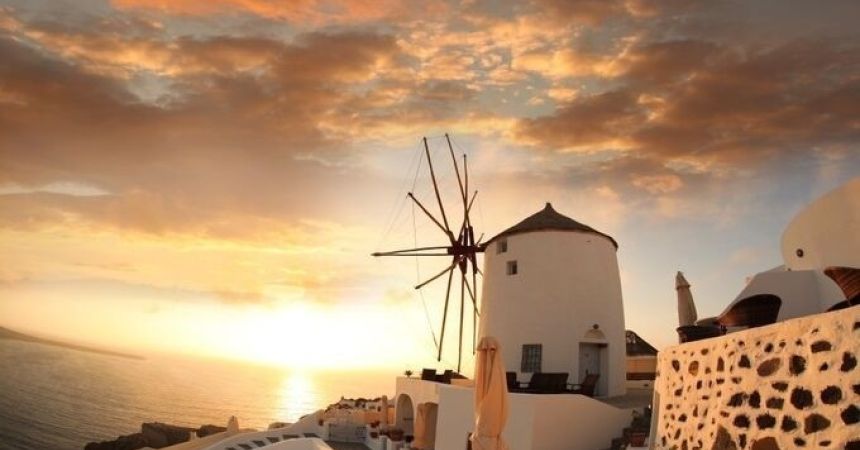
The famous sunsets are still spectacular.
Mykonos Weather in January
Mykonos
is much quieter than in summer.
Travelers can enjoy:
- Traditional island life
- Empty beaches
- Authentic local experiences
Many beach clubs and nightlife venues close for the season.
Crete Weather in January
Crete
is one of the warmest parts of Greece during winter.
Visitors often enjoy:
- Mild temperatures
- Historical sites
- Mountain scenery
- Traditional villages
Crete is one of the best island choices for winter travel.
Does It Rain in Greece in January?
Yes.
January is among the wetter months of the year.
Rainfall is more common in:
- Western Greece
- Ionian Islands
- Northern regions
Fortunately, rain rarely lasts all day, and many sunny periods still occur.
Can You Swim in Greece in January?
Most travelers find the sea too cold.
Sea temperatures are generally around:
15°C–17°C (59°F–63°F)
Some visitors from colder climates may still enjoy a quick swim, but beach vacations are not the primary attraction during January.
What to Wear in Greece in January
Packing layers is important.
Recommended items include:
- Warm jacket
- Sweaters
- Long trousers
- Comfortable walking shoes
- Umbrella
- Light scarf
Weather can vary significantly between sunny afternoons and cooler evenings.
Best Places to Visit in January
Winter travelers often enjoy:
Athens
for history and culture.
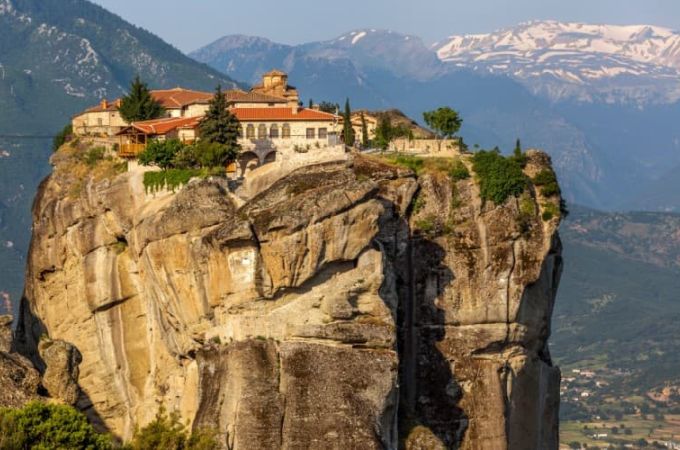
Meteora
for dramatic landscapes.
Delphi
for archaeology.
Crete
for mild weather and local experiences.
These destinations remain rewarding throughout winter.
Advantages of Visiting Greece in January
Travelers benefit from:
- Lower airfare
- Cheaper hotels
- Minimal crowds
- Authentic atmosphere
- Easier sightseeing
Popular attractions often feel completely different compared to summer.
Disadvantages of Visiting Greece in January
Potential drawbacks include:
- Cooler weather
- Limited swimming opportunities
- Reduced ferry schedules
- Seasonal closures on some islands
Understanding these limitations helps set realistic expectations.
Is January Good for Island Hopping?
Not usually.
While island travel remains possible, ferry schedules are less frequent.
Travelers focused on island hopping often prefer:
- May
- June
- September
- October
January is better suited for slower, more relaxed travel.
Why Many Travelers Love Greece in Winter
Winter reveals a different side of Greece.
Without the crowds, visitors can enjoy local culture, traditional cafés, archaeological sites, and authentic daily life that many summer travelers never experience.
For culture lovers and photographers, January can be surprisingly rewarding.
Why Travel with Magnificent Travel?
The difference between a typical winter vacation and an unforgettable Greek adventure often comes down to planning. Travelers researching Greece Winter Travel, looking for a January Greece Itinerary, or searching for the Best Places to Visit in Greece in Winter often discover that local expertise makes all the difference. Magnificent Travel specializes in tailor-made Greece and Turkey vacations designed around your interests, travel style, and preferred pace. Through carefully selected accommodations, private transfers, guided experiences, local recommendations, and personalized itineraries, we help travelers experience Greece comfortably throughout every season.
Frequently Asked Questions
Is January a good month to visit Greece?
Yes. January is excellent for travelers interested in sightseeing, history, culture, and lower travel costs. While it is too cool for a traditional beach holiday, it offers a quieter and more authentic Greek experience.
How cold is Greece in January?
Temperatures typically range between 3°C and 16°C (37°F–61°F) depending on the region. Athens and the islands remain relatively mild, while northern and mountainous areas are considerably cooler.
Can you swim in Greece in January?
Most visitors find the sea too cold for comfortable swimming. Water temperatures generally range between 15°C and 17°C (59°F–63°F), although some travelers still enjoy brief swims.
Which Greek island is warmest in January?
Crete
is generally the warmest Greek island during winter, offering mild temperatures, beautiful scenery, historical attractions, and a lively local atmosphere throughout the year.
Does it snow in Greece in January?
Yes. Snow is common in Greece's mountainous regions and northern areas. Ski resorts operate during winter, while coastal areas and islands rarely experience significant snowfall.
What should I pack for Greece in January?
Pack layers, including sweaters, a warm jacket, long trousers, comfortable walking shoes, and rain protection. Weather can change throughout the day, particularly between morning and evening hours.

A travel professional specializing in tailor-made travel planning, guest experience management, and multi-destination tourism operations.
With over 23 years of experience in the travel industry, he designs and manages private and cultural tours for international travelers across Türkiye, Greece, Egypt, Jordan, Morocco, and other destinations.
He has strong expertise in both online and face-to-face guest communication, sales processes, and end-to-end travel operations.
Working closely with hotels, travel agencies, and local partners, he ensures smooth coordination and high-quality travel experiences at every stage of the journey.
His focus is on delivering personalized, reliable, and seamless travel experiences for international guests worldwide.