

Is Greece Expensive to Visit? (2026–2027): Complete Budget Guide
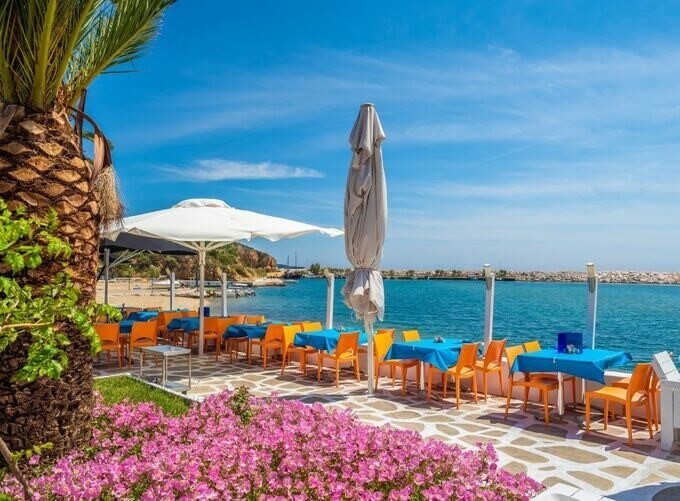
Restaurant Price Range in Greece
Food is one of the highlights of any trip to Greece, and fortunately, eating well doesn't have to be expensive. From family-run tavernas and neighborhood bakeries to upscale waterfront restaurants, there are dining options for every budget.
The biggest price differences are usually found between the popular islands—such as Santorini and Mykonos—and the mainland or less-visited islands like Naxos and Syros.
Average Restaurant Prices (2026)
| Item | Average Price (€) |
|---|---|
| Greek Coffee | 2.50–4 |
| Cappuccino | 3.50–5 |
| Bottle of Water | 0.50–2 |
| Soft Drink | 2–4 |
| Gyros or Souvlaki | 4–7 |
| Greek Salad | 7–12 |
| Traditional Taverna Meal | 15–30 |
| Seafood Main Course | 22–45 |
| Fine Dining Main Course | 35–70 |
| Three-Course Dinner for Two | 60–120 |
| Local Beer | 4–7 |
| House Wine (Glass) | 4–8 |
Budget-Friendly Dining Tips
If you're traveling on a budget, consider:
- Eating lunch instead of dinner at restaurants, as many offer more affordable lunch menus.
- Choosing neighborhood tavernas instead of restaurants located directly on the waterfront.
- Trying bakeries for breakfast or light lunches.
- Ordering seasonal local dishes, which are often fresher and less expensive.
- Sharing traditional Greek meze, allowing you to sample several dishes without overspending.
Transportation Costs
Getting around Greece is generally straightforward, with a mix of public transportation, ferries, domestic flights, taxis, and rental cars.
Public Transportation
| Transport | Typical Fare (€) |
|---|---|
| Athens Metro Ticket | 1.20–9 |
| Athens Airport Metro | 9–10 |
| City Bus | 1.20–2 |
| Tram | Included with standard ticket |
| Taxi Start Fare | 4–5 |
| Taxi (5 km ride) | 10–18 |
Athens has one of the most affordable public transportation systems in Western Europe, making it easy to explore the city's major attractions without relying on taxis.
Ferry Costs Between Islands
Ferries are an essential part of many Greece itineraries. Prices vary depending on:
- Distance
- Ferry operator
- High-speed vs. conventional ferry
- Time of year
- Booking date
Typical Ferry Prices (2026)
| Route | Conventional Ferry | High-Speed Ferry |
|---|---|---|
| Athens – Mykonos | €40–65 | €65–110 |
| Athens – Santorini | €45–70 | €75–130 |
| Mykonos – Santorini | €50–80 | €70–120 |
| Naxos – Paros | €8–18 | €20–35 |
| Crete – Santorini | €25–50 | €55–90 |
| Rhodes – Kos | €18–35 | €30–55 |
Booking several weeks in advance often provides the best availability, especially during the summer season.
Attraction Prices
Many of Greece's most famous historical sites have reasonable entrance fees considering their cultural significance.
| Attraction | Entry Fee (€) |
|---|---|
| Acropolis of Athens | 30 |
| Acropolis Museum | 20 |
| Ancient Agora | 20 |
| Temple of Poseidon | 10–20 |
| Knossos Palace | 20 |
| Delos Archaeological Site | 20 |
| Meteora Monasteries | 5 per monastery |
Several museums and archaeological sites also offer discounted admission for eligible visitors, including EU students and children.
Free Things to Do in Greece
One of the reasons Greece offers excellent value is the number of unforgettable experiences that don't cost anything.
Enjoy Beautiful Beaches
Many of Greece's best beaches are completely free to access. While sunbeds may require payment, bringing your own towel lets you enjoy the coastline at no cost.
Popular free beaches include:
- Elafonissi (Crete)
- Agios Prokopios (Naxos)
- Faliraki Beach (Rhodes)
- Glyfada Beach (Corfu)
Wander Historic Neighborhoods
Exploring charming old towns is one of the best ways to experience Greece.
Don't miss:
- Plaka (Athens)
- Chania Old Town (Crete)
- Lindos Village (Rhodes)
- Naoussa (Paros)
- Ano Syros
Watch the Sunset
Some of Greece's most spectacular sunsets are completely free.
Top viewing spots include:
- Oia (Santorini)
- Little Venice (Mykonos)
- Lycabettus Hill (Athens)
- Chania Harbor
- Cape Sounion
Hiking
Greece offers numerous scenic hiking trails without entrance fees.
Popular routes include:
- Fira to Oia (Santorini)
- Samaria Gorge surroundings (Crete)
- Mount Lycabettus (Athens)
- Corfu Trail (selected sections)
- Naxos mountain villages
Money-Saving Tips
Traveling smart can reduce your overall Greece budget by hundreds of euros.
Visit During the Shoulder Season
May, early June, late September, and October typically offer:
- Lower hotel prices
- Less crowded attractions
- More affordable flights
- Better ferry availability
- Pleasant weather
Savings of 20–40% compared with July and August are common.
Stay Longer in Fewer Places
Changing islands every day increases transportation costs and wastes valuable vacation time.
Spending three or four nights on each island usually offers better value than rushing through multiple destinations.
Book Ferries Early
Popular ferry routes often become more expensive as departure dates approach.
Booking early also gives you a wider choice of schedules.
Choose Less Touristy Islands
Replacing one night in Santorini with several nights in Naxos or Syros can significantly reduce accommodation and dining costs while still offering authentic Greek experiences.
Use Public Transportation
Athens, Thessaloniki, Rhodes, and several larger islands have affordable public transportation that can greatly reduce daily expenses.
Best Time to Visit Greece for Lower Prices
If budget is your priority, timing matters just as much as destination.
Average Cost by Season
| Season | Price Level | Crowds |
|---|---|---|
| January–March | Lowest | Very Low |
| April–May | Low–Medium | Low |
| June | Medium | Moderate |
| July–August | Highest | Very High |
| September | Medium | Moderate |
| October | Low–Medium | Low |
| November–December | Lowest | Low |
Traveling outside the peak summer season often provides the best balance between pleasant weather and affordable prices.
2026 Euro Exchange Guide
The exchange rate between the Euro and your home currency can have a noticeable impact on your travel budget.
Approximate reference exchange rates (mid-2026):
| Currency | Approximate Value |
|---|---|
| €1 | ≈ US$1.16 |
| €1 | ≈ £0.86 |
| €1 | ≈ CA$1.58 |
| €1 | ≈ AU$1.79 |
Note: Exchange rates fluctuate daily. Always check the latest rate before exchanging money or making large purchases.
Money Exchange Tips
- Pay in Euros whenever possible to avoid unfavorable dynamic currency conversion.
- Withdraw cash from reputable bank ATMs rather than airport exchange counters.
- Inform your bank before traveling to prevent card security issues.
- Carry a small amount of cash for taxis, local bakeries, and smaller tavernas, although cards are widely accepted in most tourist areas.
Explore Greece Smarter, Not Just Cheaper
Saving money doesn't always mean cutting experiences—it often means choosing a better itinerary. Visiting destinations with efficient transport links, balancing iconic islands with more affordable alternatives, and booking accommodations in strategic locations can significantly reduce your overall costs.
Our Athens, Naxos and Santorini Tour is designed for travelers who want to experience Greece's history, island life, and breathtaking scenery while keeping travel time and unnecessary expenses to a minimum.
If you're planning your trip around the seasons, don't miss our best time to visit Greece guide, which explains how weather, crowds, and seasonal prices affect your travel budget throughout the year.
How Much Does a Family Vacation in Greece Cost?
Greece is one of the most family-friendly destinations in Europe, offering excellent value compared with many Western European countries. Families can reduce costs by booking apartment-style accommodations, traveling during the shoulder season, and choosing islands with lower accommodation prices.
Estimated Daily Budget for a Family of Four
| Expense | Daily Cost (€) |
|---|---|
| Family Hotel or Apartment | 220–380 |
| Breakfast | Included or 20–35 |
| Lunch | 45–70 |
| Dinner | 70–120 |
| Local Transportation | 20–40 |
| Attractions | 40–80 |
| Snacks & Miscellaneous | 20–40 |
| Estimated Daily Total | €415–765 |
For a comfortable 7-day family vacation, expect a budget of approximately €2,900–€5,400, excluding international flights.
Families visiting Crete, Rhodes, Corfu, or Naxos generally enjoy better value than those staying exclusively in Santorini or Mykonos.
Backpacker vs. Mid-Range vs. Luxury
Every traveler experiences Greece differently. Here's a side-by-side comparison to help you decide which budget best fits your travel style.
| Category | Backpacker | Mid-Range | Luxury |
|---|---|---|---|
| Accommodation | Hostel | 3–4★ Hotel | 5★ Resort |
| Meals | Street Food & Tavernas | Restaurants | Fine Dining |
| Transportation | Public Transport | Ferries & Rental Car | Private Transfers |
| Activities | Free Attractions | Guided Tours | Private Experiences |
| Daily Budget | €70–110 | €180–320 | €500–900+ |
The beauty of Greece is that you can mix these styles throughout your trip—for example, splurge on a sunset hotel in Santorini while keeping costs down in Athens or Naxos.
Where Can You Save the Most Money?
If your goal is to experience Greece without overspending, focus on these strategies:
Choose Affordable Islands
Excellent value can be found in:
- Naxos
- Crete
- Rhodes
- Syros
- Corfu
These destinations offer lower hotel rates, reasonably priced restaurants, and fewer premium tourism markups.
Travel During the Shoulder Season
Visiting in May, early June, late September, or October can reduce overall travel costs by 20–40% while still offering warm weather and fewer crowds.
Book Early
Flights, ferries, and accommodations are often significantly cheaper when reserved several months in advance.
Stay Longer in Each Destination
Reducing the number of ferry journeys can save both money and valuable vacation time.
Eat Like a Local
Traditional tavernas, bakeries, and neighborhood cafés often provide better food at lower prices than restaurants located in the busiest tourist areas.
Is Greece Worth the Money?
Absolutely.
While Greece is no longer the bargain destination it once was, it continues to offer outstanding value compared with many other Mediterranean countries.
Visitors enjoy:
- World-famous archaeological sites
- Beautiful beaches
- Excellent cuisine
- Friendly hospitality
- Reliable transportation
- Thousands of islands and coastal villages
- Diverse travel experiences for every budget
Whether you're exploring ancient Athens, relaxing on a quiet beach in Naxos, or watching the sunset over Santorini's caldera, Greece delivers unforgettable experiences that justify the cost for most travelers.
Travel Smarter with Local Expertise
One of the easiest ways to avoid unnecessary expenses is to choose an itinerary that minimizes backtracking, inefficient ferry schedules, and overpriced accommodation areas.
At Magnificent Travel, we specialize in creating well-balanced Greece itineraries that combine iconic destinations with excellent value. Our local expertise helps travelers choose the right season, optimize ferry routes, and select accommodations that offer both comfort and convenience.
Whether you're planning a romantic honeymoon, a family holiday, or a multi-country Mediterranean adventure, our team can help you experience more while making the most of your travel budget.
If you'd like to combine Greece with neighboring destinations, our Affordable Greece Tour Packages and multi-country itineraries provide carefully planned routes that maximize both time and value without sacrificing the highlights of your journey.
Frequently Asked Questions
1. Is Greece expensive to visit?
Greece is generally considered a mid-priced European destination. While luxury islands such as Santorini and Mykonos can be expensive, many mainland regions and islands like Crete, Naxos, and Rhodes offer excellent value, making Greece suitable for backpackers, families, and luxury travelers alike.
2. What is the cheapest Greek island to visit?
Naxos is widely regarded as one of the best-value Greek islands, thanks to its affordable accommodations, reasonably priced restaurants, beautiful beaches, and authentic villages. Syros, Crete, and Rhodes are also excellent choices for travelers seeking lower daily expenses.
3. Which Greek island is the most expensive?
Mykonos and Santorini consistently rank as Greece's most expensive islands due to their luxury hotels, premium restaurants, and international popularity. Visiting during May, September, or October can significantly reduce accommodation and dining costs.
4. What is a backpacker's daily budget in Greece?
Backpackers should expect to spend approximately €70–€110 per day, including hostel accommodation, local transportation, affordable meals, and a few attractions. Traveling outside the peak summer season and using public transport can help keep expenses toward the lower end of this range.
5. How much should a family of four budget for Greece?
A family of four should budget approximately €415–€765 per day, depending on accommodation standards, dining preferences, transportation, and sightseeing. A comfortable one-week holiday typically costs between €2,900 and €5,400, excluding international airfare.
6. How much does a restaurant meal cost in Greece?
A traditional meal at a local taverna generally costs €15–€30 per person, while casual street food such as gyros ranges from €4–€7. Upscale restaurants in destinations like Santorini or Mykonos often charge €35–€70 or more for a main course.
7. How much do Greek ferries cost?
Domestic ferry tickets typically range from €35–€90 for conventional ferries and €60–€140 for high-speed services, depending on the route, season, and booking date. Reserving tickets well in advance usually provides the best prices and schedules.
8. What are some free things to do in Greece?
Many of Greece's most memorable experiences are free, including exploring Plaka in Athens, watching the sunset in Oia, hiking scenic coastal trails, relaxing on public beaches, and wandering historic villages such as Chania, Lindos, or Naoussa.
9. How can I save money while traveling in Greece?
Travel during the shoulder season, book ferries and hotels early, use public transportation, stay longer in fewer destinations, choose locally owned tavernas, and consider visiting islands like Naxos or Crete instead of spending your entire trip on Santorini or Mykonos.
10. How much can I save by visiting Greece in the off-season?
Traveling during April–May or late September–October can reduce hotel and transportation costs by approximately 20–40% compared with July and August. You'll also benefit from fewer crowds, shorter queues, and a more relaxed travel experience.

A travel professional specializing in tailor-made travel planning, guest experience management, and multi-destination tourism operations.
With over 23 years of experience in the travel industry, he designs and manages private and cultural tours for international travelers across Türkiye, Greece, Egypt, Jordan, Morocco, and other destinations.
He has strong expertise in both online and face-to-face guest communication, sales processes, and end-to-end travel operations.
Working closely with hotels, travel agencies, and local partners, he ensures smooth coordination and high-quality travel experiences at every stage of the journey.
His focus is on delivering personalized, reliable, and seamless travel experiences for international guests worldwide.
