
Jordan in January: One Journey Through Several Winters
Last Updated: August 9, 2026
January is one of those months when looking up “the weather in Jordan” can create more confusion than clarity.
The country is compact enough to cross several of its major landscapes within a relatively short journey, yet altitude and geography change the conditions far more than many first-time visitors expect. A morning in Amman can feel properly wintry, Petra may require a warm layer before you have even reached the Siq, and a night in Wadi Rum can remind you how quickly desert temperatures change after sunset. Continue towards the Dead Sea or Aqaba, however, and the same January trip can take on a noticeably milder character.
This is what makes January interesting.
You are not choosing between visiting Jordan in winter and avoiding winter. You are travelling through several versions of it.
Understanding those differences matters much more than finding one average temperature for the entire country.
Jordan's January Weather Follows the Landscape
Jordan is sometimes imagined as a uniformly hot desert country, which makes January conditions surprisingly easy to misjudge.
Amman sits at a substantial elevation. Petra is also high above sea level, while Wadi Rum has a desert climate with pronounced differences between daytime and nighttime conditions. The Dead Sea, by contrast, lies far below sea level, and Aqaba occupies Jordan's southern Red Sea coast.
Those geographical differences shape the journey.
| Destination | January Character | Travel Implication |
|---|---|---|
| Amman | Cool winter conditions | Bring proper layers |
| Jerash | Cool and exposed | Allow for outdoor walking |
| Petra | Cold mornings, variable days | Dress for changing conditions |
| Wadi Rum | Cool days, colder nights | Overnight stays need preparation |
| Dead Sea | Generally milder | Useful slower-weather contrast |
| Aqaba | Jordan's warm southern coast | Strong winter escape option |
These are travel characteristics rather than promises about a particular day. Rain, wind, sunshine and occasional colder spells can change how January feels, especially in Jordan's elevated northern and central regions.
The useful lesson is simple: pack for the route rather than for the word “Jordan.”
Amman Feels Like a Capital With a Real Winter
Amman is where many travellers first discover that their mental picture of Jordan needs adjusting.
January is not the season to arrive with nothing but lightweight desert clothing. Cool conditions, wind and periods of rain are possible, while the city's elevation can make mornings and evenings feel considerably different from what visitors expecting Middle Eastern winter sunshine had imagined.
That does not make January a poor time for Amman.
In some ways, the season suits the city.
A visit can move naturally between outdoor viewpoints, archaeological remains, neighbourhoods, cafés and indoor cultural stops without the pressure of summer heat. You may simply need to respond to the day's conditions rather than assuming every hour will be bright and dry.
This flexibility also encourages a different relationship with the capital. Amman becomes somewhere to spend time rather than merely the airport gateway to Petra.
Petra in January Is About Walking, Not Heat
Petra is the destination where January's advantages become more obvious.
Exploring the archaeological city requires considerable walking, and cooler conditions can make long distances far more appealing than they would be during the hottest part of the year. The route through the Siq, the Treasury area and the wider archaeological landscape can occupy many hours, particularly if you intend to explore beyond the most famous viewpoints.
The trade-off is that winter conditions are variable.
Early mornings can feel cold, shaded sections remain cooler, and rain deserves attention because Petra's terrain and narrow passages are affected by weather conditions. Local guidance and official access information should always take priority when adverse weather is forecast.
On a good winter day, however, the pleasure is straightforward: you can walk.
Not simply from the entrance to the Treasury and back, but far enough for Petra to reveal its scale.
Travellers wanting to give the archaeological city proper time can consider Petra winter journeys, building the route around exploration rather than treating the Treasury as a photograph between Amman and Wadi Rum.
Wadi Rum Changes the Moment the Sun Goes Down
The desert creates another January misconception.
Sunshine can make daytime conditions feel comfortable, especially while walking or exploring by 4x4. Then evening arrives and the desert loses heat quickly.
Anyone staying overnight should plan for that change.
Warm clothing becomes important after sunset, and the quality of the camp matters more in January than travellers focused only on photographs of tents beneath the stars may initially realise. Ask what heating arrangements are available and understand what kind of accommodation you have actually booked.
The reward is a desert experience with a very different atmosphere from summer.
Walking can be easier, the light can be beautiful, and sitting beneath an enormous winter sky has its own appeal—provided you brought the layer that seemed unnecessary at lunchtime.
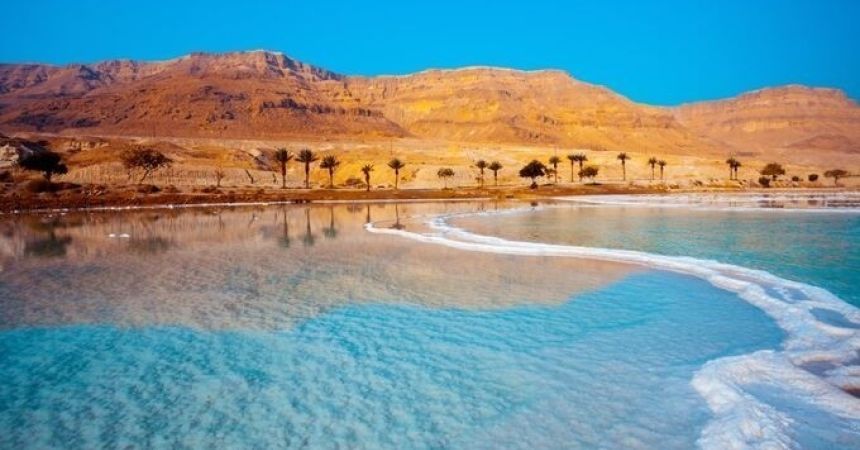
The Dead Sea Can Feel Like Another Season
Descending towards the Dead Sea changes the journey again.
Its extremely low elevation creates a noticeably different environment from Amman and Petra, which is why the Dead Sea can work particularly well within a January itinerary. After several days of archaeological walking and cooler highland conditions, the lower landscape introduces a slower and often milder chapter.
Whether you personally want to swim depends on the day's conditions, the property and your tolerance for cooler winter air, so it is better to think of the Dead Sea as more than a swimming stop.
The landscape itself matters.
So does the opportunity to stop moving.
After Petra and Wadi Rum, a quiet afternoon can be surprisingly welcome.
Aqaba Gives January a Southern Ending
Continue farther south and Aqaba introduces Jordan's Red Sea coast.
For travellers who want a warmer ending to a winter cultural journey, it can provide an appealing contrast with the highlands. Aqaba can also justify more than a final overnight stay when relaxation, diving or Red Sea activities genuinely matter to the trip.
That does not mean January becomes a guaranteed beach holiday. Conditions vary, marine activities depend on the actual day, and expectations should remain seasonal.
What Aqaba provides is another choice.
A January Jordan itinerary can begin in a coat in Amman, involve serious walking through Petra, include a cold desert evening in Wadi Rum and finish beside the Red Sea.
Few national weather averages explain that journey particularly well.
Geography does.
January Works When You Stop Expecting One Climate
That is the central idea for planning Jordan at the beginning of the year.
Do not ask whether Jordan is cold in January as though the answer can be yes or no. Ask where you are going, how high it is, what time of day you will be outside and what kind of experience you have planned.
Petra benefits from walking-friendly conditions but demands winter preparedness. Wadi Rum can be wonderfully atmospheric while requiring proper clothing after dark. Amman has a genuine winter identity, while the Dead Sea and Aqaba introduce lower, milder landscapes.
January does not give you one predictable version of Jordan.
It gives you a journey through several.
Pack for all of them, and that variation becomes part of the experience rather than a surprise.
Let the Journey Change as the Landscape Changes
A classic Jordan route looks wonderfully straightforward on a map.
Amman to Petra. Petra to Wadi Rum. Wadi Rum towards the Dead Sea or Aqaba.
The distances are manageable, the sequence makes geographical sense, and several of the country's essential experiences can be connected without domestic flights. What the map does not show is how much the character of a January day changes as you travel between them.
The smartest winter itinerary therefore changes rhythm along the way rather than applying the same sightseeing schedule to every destination.
Amman Rewards a Flexible First Day
If Amman is your first stop, avoid designing the arrival day too aggressively.
Winter weather can influence what feels appealing, and international travel has already taken enough energy from most visitors without immediately adding a full sightseeing programme.
Use the capital as an introduction.
On a clear day, spend more time outside and take advantage of viewpoints and archaeological areas. If conditions turn colder or wetter, shift naturally towards museums, restaurants, cafés or other indoor experiences rather than feeling that the itinerary has somehow failed.
This ability to adapt is useful throughout a January journey.
A winter itinerary should have structure without becoming brittle.
The Road South Is Part of the Experience
The journey from Amman towards Petra is not simply a transfer between two hotels.
Depending on the chosen route and available time, stops can introduce historical and landscape layers before Petra becomes the main event. The important January consideration is daylight.
Winter days are shorter than summer ones, so a route that appears comfortably achievable when measured only in kilometres may feel very different once sightseeing stops, lunch and road time are added.
Avoid building a day that depends on everything happening perfectly.
Jordan rarely becomes more enjoyable because you arrived somewhere ten minutes before darkness with three attractions technically completed.
Travellers following a broader Jordan heritage route can benefit from deciding which stops genuinely add to the journey rather than treating every possible point between Amman and Petra as compulsory.
Give Petra the Best Hours, Not the Leftover Hours
Petra should not receive whatever time remains after a long transfer.
If it is one of the main reasons you are visiting Jordan, protect the day.
January's cooler conditions can make extensive walking rewarding, but shorter daylight hours mean you should think carefully about how far you want to explore. The Treasury is only the beginning of Petra, and travellers planning longer trails need enough time to move comfortably rather than watching the clock throughout the afternoon.
This is especially relevant if the Monastery is part of your plan.
Distances, steps and uneven terrain all add up. Winter may remove the exhausting heat of summer, but it does not make Petra smaller.
A good January Petra day is therefore generous with time and conservative with additional plans.
Wadi Rum Should Slow the Itinerary Down
After Petra, Wadi Rum changes almost everything.
The archaeological walking gives way to open desert. The experience becomes less about moving between monuments and more about landscape, scale, light and silence.
Let the schedule change with it.
A 4x4 excursion can introduce major areas of the protected landscape, while walking and other activities can be added according to conditions and interest. What you should avoid is treating Wadi Rum as a quick photograph on the way somewhere else.
January makes the transition particularly noticeable because the day itself has a rhythm. Sunshine may make afternoon exploration comfortable, but sunset brings a rapid shift towards colder conditions.
That evening is not dead time.
Dinner at camp, conversation and the desert after dark are part of why people stay overnight.
Decide Where You Want the Journey to Exhale
After Petra and Wadi Rum, many itineraries need a slower chapter.
Jordan gives you two obvious possibilities, but they are not interchangeable.
The Dead Sea works naturally when you are returning north and want relaxation integrated into the cultural route. Aqaba makes more sense when the Red Sea itself interests you or when several southern nights fit the wider journey.
If you have enough time, both can work.
If you don't, choose according to experience rather than the fear of missing something.
| Final Priority | Better Fit |
|---|---|
| Spa and downtime | Dead Sea |
| Red Sea activities | Aqaba |
| Return towards Amman | Dead Sea |
| Longer southern stay | Aqaba |
| Short itinerary | Choose one |
| Relaxed longer trip | Consider both |
The worst option is often squeezing both into a short trip simply so their names appear on the itinerary.
January Rewards a Route With Breathing Room
Winter changes Jordan gradually as you move through it, and a good itinerary acknowledges those changes.
Amman benefits from flexibility. Petra deserves protected walking time. Wadi Rum asks you to slow down and stay long enough to experience the desert after sunset. The Dead Sea or Aqaba can then provide a gentler ending rather than becoming another rushed stop.
This is why January should not be planned as a sequence of attractions connected by road.
It works better as a progression.
City first. Archaeological landscape next. Desert afterwards. Then, if your interests and available time support it, lower elevations and water.
The geography is already creating the story.
The itinerary simply needs enough space to let you notice it.

In January, Daylight Is Part of the Itinerary
Travellers often plan Jordan by distance.
Amman to Petra takes a certain number of hours. Petra to Wadi Rum requires another transfer. A particular trail is a certain number of kilometres long, so it should fit comfortably before the next activity.
In January, there is another measurement worth putting beside those numbers:
daylight.
Shorter winter days do not prevent you from exploring Jordan, but they make ambitious schedules less forgiving. An hour spent over breakfast, a later-than-expected departure or an additional stop on the road can matter more when your main activity depends on being outside.
This is particularly important in Petra, where “seeing Petra” can mean anything from walking to the Treasury and returning to spending most of the day exploring the wider archaeological landscape.
Petra Needs a Time Budget, Not Just a Ticket
The Siq creates one of travel's great arrival sequences, but reaching the Treasury does not mean you have completed Petra.
There are tombs, temples, viewpoints and trails spread across a large landscape, while the Monastery alone changes the physical demands of the day considerably.
January can make the walking more pleasant because intense summer heat is absent, yet winter introduces different considerations. Rain may affect conditions, shaded areas can remain cool, and shorter daylight means long routes deserve an earlier start.
Decide before entering what kind of Petra day you actually want.
If the Treasury and central archaeological area are enough, your schedule can remain relatively relaxed. If you want a substantial hike, treat that as the main activity rather than something to add after several hours of sightseeing.
The useful question is not, “How much Petra can we fit in?”
It is, “How far do we want to walk and still enjoy the return?”
Rain Deserves Respect Without Dominating the Trip
January belongs to Jordan's wetter season, particularly in the higher northern and central areas, but this does not mean a January holiday consists of continuous rain.
Weather varies.
Some days may be clear and bright; others can bring rain, wind or colder conditions. What matters is understanding that rain has greater significance in Jordan than simply deciding whether to carry an umbrella.
In places with narrow valleys, steep terrain or drainage risks, weather conditions can affect access and safety. Petra is the obvious example, which is why official instructions and local guidance should always take priority when adverse conditions develop.
There is no benefit in trying to outsmart a flash-flood warning because the Treasury was on today's itinerary.
The Treasury has been there for a while.
It can wait.
Winter Changes the Ground Beneath Your Feet
Footwear recommendations often sound like generic travel advice until the ground becomes wet.
Then they become extremely specific.
Stone surfaces, uneven archaeological terrain and desert paths can all feel different after rain. Comfortable shoes with reliable grip are therefore more useful than footwear selected mainly because it looked appropriate in holiday photographs.
This matters beyond Petra.
Jerash involves substantial outdoor walking across ancient surfaces, while viewpoints and archaeological areas around Amman can also require more attention when conditions are wet.
Travellers interested in Jordan walking trails should check current local conditions rather than assuming a route that is normally straightforward will behave identically after winter weather.
January rewards flexibility more than stubbornness.
Wadi Rum Has a Different Weather Conversation
Rain is not the only variable.
In Wadi Rum, wind and temperature changes can influence how a desert day feels. An exposed 4x4 excursion has a different relationship with weather from walking through an urban archaeological site, and the change after sunset can be substantial.
This is why the camp becomes part of winter planning.
Ask practical questions before arrival. What kind of sleeping accommodation is provided? How is it heated? Are common areas enclosed or exposed? What should you bring for the evening?
These details may sound less exciting than choosing the perfect desert viewpoint, but by 10:00 p.m. they can become considerably more interesting.
Leave Something You Can Move
The strongest January itinerary contains at least one activity that can change position.
Perhaps a city visit can shift according to the forecast. Maybe a lighter afternoon can move around a longer outdoor day. Even when hotels and transfers are fixed, not every sightseeing hour needs to be immovable.
This flexibility is particularly useful because winter conditions can be highly local. A forecast for Amman does not automatically describe Petra, and conditions at the Dead Sea tell you little about a Wadi Rum evening.
A rigid itinerary assumes the weather will cooperate.
A good January itinerary allows it not to.
Winter Doesn't Reduce Jordan; It Changes How You Explore It
Shorter days encourage earlier starts.
Rain makes local advice more important.
Cooler conditions can improve long walks while simultaneously requiring better clothing and footwear. Wadi Rum becomes as much about the evening temperature as the afternoon sunshine.
None of this makes January a compromised version of Jordan.
It makes it a seasonal version.
The reward for planning around that season is considerable: long archaeological walks without summer heat, dramatic winter landscapes, comfortable daytime exploration when conditions cooperate and a route that can feel completely different as elevation changes.
January asks for a little more flexibility than some months.
In return, Jordan rarely feels one-dimensional.
Who Gets the Most From Jordan in January?
January tends to reward travellers who care more about walking, archaeology and landscape than guaranteed warm weather.
If your ideal Jordan trip means spending hours exploring Petra, experiencing Wadi Rum without summer heat and travelling through landscapes that visibly change with elevation, winter has genuine appeal. It also suits people who are comfortable adapting a day when weather conditions change rather than expecting every activity to happen exactly as scheduled.
Travellers seeking a conventional hot-weather holiday should approach January differently. Aqaba and the Dead Sea provide milder possibilities, but neither turns the entire country into a summer destination.
The month works best when you want Jordan as it actually is in winter, not Jordan pretending winter never arrived.
Frequently Asked Questions About Jordan in January
1. Is January a good time to visit Jordan?
January can be an excellent month for travellers interested in archaeology, walking and cooler-weather sightseeing. Amman and Petra can feel genuinely wintry, while the Dead Sea and Aqaba are generally milder. Flexibility is useful because rain, wind and occasional colder spells can affect outdoor plans.
2. How cold is Petra in January?
Petra can experience cold mornings and evenings, while daytime conditions vary with sunshine, wind and changing weather systems. Because exploring Petra involves long periods outdoors, layered clothing is more useful than dressing according to one average temperature. Check the local forecast immediately before your visit.
3. Does it snow in Jordan in January?
Snow is possible in Jordan's higher areas during sufficiently cold winter systems, including parts of Amman and elevated southern regions, but it should not be assumed for every January trip. Travellers should follow current forecasts because unusual winter conditions can affect roads and sightseeing arrangements.
4. Does it rain in Petra in January?
Rain is possible during Jordan's winter season. The practical concern is not simply getting wet; significant weather can affect trails and access in Petra's mountainous terrain. Always follow official instructions and local guidance when adverse weather or flash-flood risks are announced.
5. Can I visit Wadi Rum in January?
Yes. January can provide comfortable daytime conditions for exploring Wadi Rum, but temperatures can fall considerably after sunset. Travellers staying overnight should bring warm layers and check the heating and accommodation arrangements of their chosen desert camp before arrival.
6. Can you swim in the Dead Sea in January?
Swimming may be possible on suitable days, but personal comfort depends on air temperature, wind, water conditions and the facilities at your hotel. Rather than planning the Dead Sea solely around swimming, consider the landscape, resort facilities and slower pace as part of the experience.
7. Is Aqaba warm in January?
Aqaba generally has milder winter conditions than Jordan's elevated interior, making it an attractive southern addition to a January itinerary. However, it should not be treated as guaranteed tropical beach weather. Check local forecasts and marine conditions if swimming, diving or boat activities are important.
8. What should I wear in Jordan in January?
Pack layers that can adapt to changing elevations and times of day, including a warm outer layer, comfortable walking clothes and shoes with reliable grip. Rain protection can also be useful. Respectful clothing remains appropriate when visiting religious sites and local communities.
9. Are January days long enough for Petra?
Yes, provided you plan realistically. Winter daylight is shorter than in summer, so travellers intending to explore beyond the central archaeological area should begin earlier and avoid adding unnecessary activities to the same day. Longer trails deserve enough time for a comfortable return.
10. Is January suitable for a Jordan road trip?
Yes, but winter conditions deserve attention, particularly when colder weather affects elevated areas. Check forecasts and road conditions before longer transfers, avoid overly tight schedules and allow additional time when necessary. A professionally organised route can also simplify winter logistics between major destinations.
11. Is Jordan crowded in January?
January falls outside Jordan's classic spring and autumn travel periods, so visitor patterns can differ from the busiest months. However, crowd levels vary by destination, day and holiday period. Choose January primarily for its seasonal character rather than assuming major attractions will always be quiet.
12. Is January or February better for Jordan?
Both are winter months, but February begins moving gradually towards the seasonal transition that leads into spring. January has a stronger midwinter identity, while February deserves its own planning approach around changing landscapes, lengthening daylight and the first signs of seasonal change.
January Makes More Sense Once You Stop Calling Jordan a Desert Country
Jordan certainly contains desert.
It also contains elevated cities, mountainous archaeological landscapes, the lowest land area on Earth and a Red Sea coastline. Trying to describe January with a single weather label ignores exactly what makes travelling through the country so interesting.
You may leave a cool Amman morning wearing several layers and find the Dead Sea noticeably milder later in the journey. Petra can give you excellent walking conditions one day and require a completely different plan if winter weather arrives the next. Wadi Rum may feel comfortable beneath the afternoon sun before becoming properly cold after dark.
Those contrasts are not inconveniences around the edges of a January trip.
They are part of its identity.
The traveller who benefits most is therefore not necessarily the person searching for the warmest possible winter destination. It is someone who wants to walk through Petra without peak-season heat, see Wadi Rum in its winter character and experience how dramatically Jordan changes across a relatively compact route.
Bring the right layers. Protect enough daylight for Petra. Take weather warnings seriously without allowing the possibility of bad weather to dominate the entire holiday, and leave enough flexibility for a day to change when necessary.
Most importantly, do not pack expectations based on a photograph of a desert.
January Jordan is far more varied than that.
And that is precisely why it is worth experiencing.

A travel professional specializing in tailor-made travel planning, guest experience management, and multi-destination tourism operations.
With over 23 years of experience in the travel industry, he designs and manages private and cultural tours for international travelers across Türkiye, Greece, Egypt, Jordan, Morocco, and other destinations.
He has strong expertise in both online and face-to-face guest communication, sales processes, and end-to-end travel operations.
Working closely with hotels, travel agencies, and local partners, he ensures smooth coordination and high-quality travel experiences at every stage of the journey.
His focus is on delivering personalized, reliable, and seamless travel experiences for international guests worldwide.
