Visiting Turkey During Ramadan: What Travelers Should Know
Updated: August 2026
Traveling through Turkey during Ramadan is usually much easier than first-time visitors imagine.
You will not arrive in Istanbul and find every restaurant closed until sunset. Hotels continue serving breakfast. Tourist attractions remain active. Domestic flights operate, sightseeing tours continue, cafés stay open in many areas, and international visitors are not expected to fast simply because they are traveling during the Islamic holy month.
At the same time, saying that Ramadan changes nothing would miss one of the most interesting parts of being in Turkey during this period.
The rhythm of the day can shift. Some people you meet will be fasting from dawn until sunset, while others will not. Restaurants that look ordinary during the afternoon can become extremely busy as iftar, the evening meal that breaks the fast, approaches. Mosques may feel especially active, bakeries begin selling large quantities of Ramazan pidesi, and neighborhoods can become livelier after dark than they were several hours earlier.
The experience also varies considerably by place.
Central Istanbul, resort Antalya and coastal Bodrum do not necessarily feel the same as a more conservative inland town. Even within Istanbul, one neighborhood can feel almost unchanged while another displays a much more visible Ramadan rhythm.
The most useful question is therefore not:
“Can tourists travel in Turkey during Ramadan?”
You absolutely can.
The better question is:
“How can I understand the daily rhythm well enough to travel comfortably and respectfully without overthinking every decision?”
Ramadan Is a Religious Month, Not a Nationwide Tourism Shutdown
Ramadan, known in Turkish as Ramazan, is the ninth month of the Islamic lunar calendar.
Muslims who observe the fast abstain from food and drink between dawn and sunset, with exemptions traditionally applying in circumstances such as illness, pregnancy, travel, childhood and other conditions.
How individuals observe Ramadan varies enormously.
That is important for visitors because Turkey should never be imagined as though every person around you is fasting in exactly the same way.
Some people fast throughout the month.
Some do not.
Some may observe other religious practices without fasting.
Others may live entirely secular lifestyles.
Turkey is socially diverse, and Ramadan makes that diversity more visible rather than eliminating it.
As a traveler, you do not need to determine who is fasting.
You simply need to recognize that many people around you may be.
Tourists Are Not Expected to Fast
This is the question visitors often worry about most.
You are not expected to stop eating or drinking during daylight simply because you are visiting Turkey during Ramadan.
Hotels will generally continue serving breakfast. Restaurants in major tourism centers commonly operate during the day, particularly in areas accustomed to international guests. Cafés, bakeries and food outlets remain available to varying degrees depending on location.
The more useful question is how conspicuously you behave.
Eating lunch in an open Istanbul restaurant is entirely ordinary.
Standing immediately outside a mosque at midday while dramatically eating and drinking among people who are fasting would simply be inconsiderate.
You do not need to perform Ramadan.
You do need basic situational awareness.
Turkey Does Not Experience Ramadan Uniformly
This is one of the most important distinctions for realistic travel planning.
| Travel environment | What visitors may notice | Likely daytime impact |
|---|---|---|
| Central Istanbul tourism districts | Ramadan atmosphere mixed with normal city tourism | Usually limited |
| Mediterranean resorts | Hotel and resort services continue normally | Very limited |
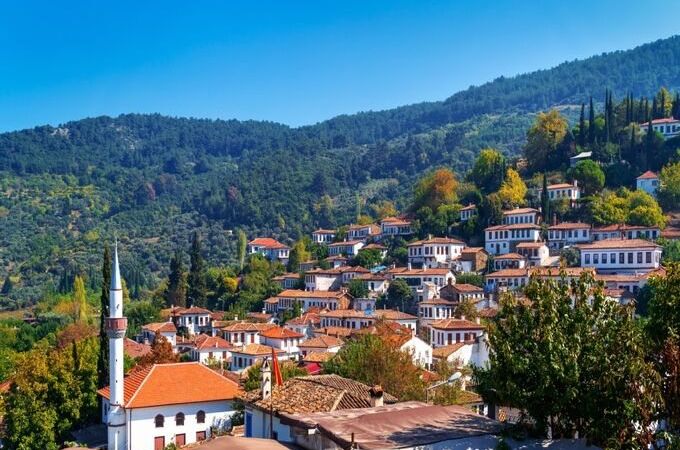
| Aegean coastal towns | Mixed observance depending on area | Usually limited |
| Conservative neighborhoods | More visible fasting and mosque activity | Greater cultural sensitivity useful |
| Smaller inland towns | Stronger daytime and evening rhythm changes possible | Some restaurant variation |
| Major hotels | International service patterns continue | Minimal |
This table is intentionally about travel environment rather than religious intensity rankings.
Turkey contains too much regional and personal variation for simplistic labels.
Istanbul Can Feel Almost Completely Normal Until Sunset Approaches
For international travelers, Istanbul is often the easiest place to experience Ramadan without major logistical disruption.
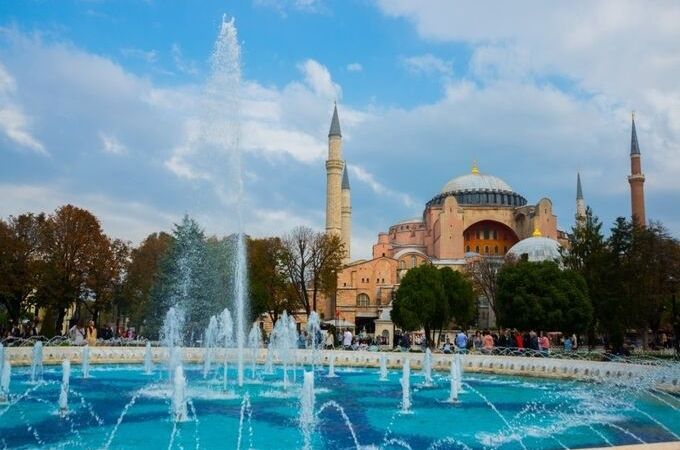
Sultanahmet restaurants continue serving visitors.
Beyoğlu remains active.
Kadıköy cafés and restaurants operate according to their usual commercial environment.
Hotels function normally.
Museums and historical sites generally follow their established schedules rather than closing simply because people are fasting.
The change becomes more visible as late afternoon approaches.
People begin thinking about iftar.
Bakeries become busy.
Tables may be reserved.
Traffic can increase in particular areas as people move toward family meals, restaurants or home.
Then sunset arrives, and the city changes again.
For travelers wanting cultural context alongside normal sightseeing, Istanbul cultural tour journeys can work particularly well during Ramadan because the historic city remains accessible while its religious life becomes more visible.
Iftar Is the Moment When the Day Changes
Iftar is the meal eaten after sunset to break the daily fast.
For travelers, this is the most important Ramadan concept to understand operationally because it can influence restaurant demand.
A restaurant that looks half-empty at 18:00 may suddenly be full when iftar begins.
Families and groups often reserve tables in advance.
Hotels may offer special iftar menus.
Traditional restaurants can become particularly popular.
This means dinner planning changes slightly.
If you want to eat around sunset in a popular restaurant, reserve rather than assuming you can simply walk in.
Alternatively, eat later.
Waiting until the first iftar rush passes can produce a much calmer evening.
The busiest thirty or sixty minutes around sunset are not necessarily the best time for an unplanned dinner.
If You Are Invited to Iftar, Say Yes if You Can
One of the most memorable Ramadan experiences can happen away from formal sightseeing.
If Turkish friends, business contacts or hosts invite you to join an iftar meal, accepting can provide a much more meaningful cultural experience than observing Ramadan only from restaurants and mosque courtyards.
The meal often begins simply.
Water, dates or small foods may come first, followed by soup, bread and larger dishes.
After fasting all day, however, people do not necessarily begin eating as dramatically as outsiders might imagine.
Family conversation and hospitality remain central.
You are not expected to have fasted beforehand.
The respectful gesture is showing appreciation for being included.
Ramazan Pidesi Is One of the Month’s Most Visible Everyday Traditions
Travelers interested in food will quickly notice Ramazan pidesi, the soft, round or oval bread associated strongly with the month.
Near sunset, queues can form outside bakeries as people buy fresh bread for iftar.
This is one of those Ramadan traditions that does not require a formal cultural explanation to enjoy.
Buy one.
Eat it fresh.
The bread is widely available during the month and often becomes one of the strongest sensory memories of Ramadan in Turkey because its smell, bakery queues and timing are connected directly with the approach of sunset.
This is also a good reminder that Ramadan culture in Turkey is not experienced only through mosques.
It appears in ordinary streets and bakeries.
Sahur Happens Before Dawn — and You May Hear It
The meal eaten before the daily fast begins is known as sahur.
Traditionally, neighborhoods in Turkey have also been associated with Ramadan drummers, who walk through streets before dawn beating drums to wake residents for sahur.
The custom survives in many places, although how noticeable it is depends heavily on neighborhood and local practice.
For travelers, this can be charming.
It can also be surprising at 03:30 in the morning.
If you are a very light sleeper and staying in a residential neighborhood during Ramadan, earplugs are not an unreasonable addition to your luggage.
This is exactly the kind of operational detail that generic Ramadan travel articles often fail to mention.
Mosques Become More Active, Especially in the Evening
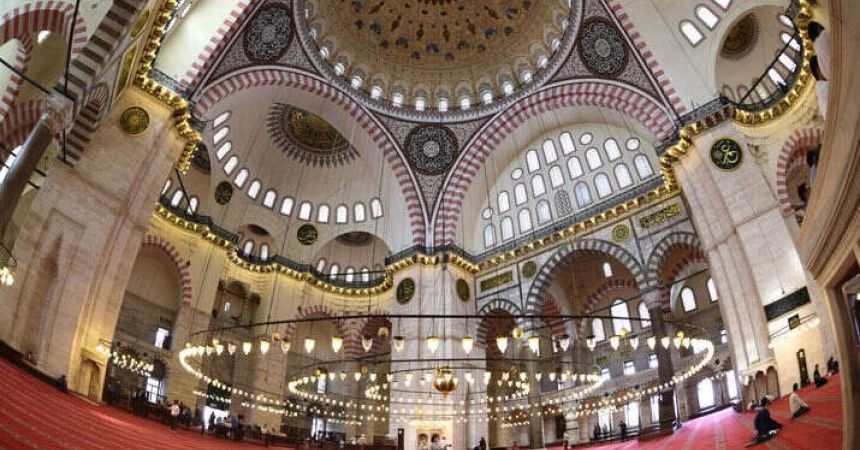
Mosques naturally take on greater significance during Ramadan.
Daily prayers continue, while evening religious activity can increase, particularly around tarawih, the additional night prayers associated with Ramadan.
For visitors, this means mosque etiquette becomes especially important.
A famous mosque remains historically interesting.
It also remains a functioning religious space.
Do not treat worshippers as photographic material.
Avoid blocking entrances.
Follow dress requirements.
Respect areas closed temporarily to visitors.
If tourist access is restricted during prayer, wait.
Ramadan is not the moment to argue that a building should operate primarily according to your sightseeing schedule.
Sultanahmet Can Be Particularly Atmospheric After Dark
The area around Sultanahmet can take on a distinctive evening character during Ramadan.
After iftar, families and visitors may spend time outside, religious and cultural activity increases, and the atmosphere around major mosques can feel noticeably different from an ordinary evening.
This is one of the moments when travelers benefit from not scheduling everything through a vehicle window.
Walk.
Observe.
Let the evening develop.
You do not need another admission ticket.
Sometimes Ramadan’s strongest cultural impression comes from seeing how public space changes after sunset rather than attending a formal event.
Alcohol Is Still Available, but Context Matters
Another common misconception is that alcohol disappears during Ramadan.
In major tourism areas, international hotels, many restaurants and bars continue serving alcohol according to their normal licensing and business practices.
However, availability and social expectations can differ by neighborhood and establishment.
A seaside resort bar and a restaurant beside a conservative neighborhood mosque should not be expected to operate identically.
The same situational awareness applies here as with daytime eating.
You do not need to alter your entire holiday because other people are fasting.
At the same time, understanding where you are makes travel behavior more respectful and much less awkward.
Hotels Usually Continue Operating Normally
International visitors staying in major hotels should generally expect standard tourism operations.
Breakfast continues.
Room service continues where offered.
Bars and restaurants operate according to property policy.
Tour pickups continue.
The month may become more visible through special iftar arrangements, Ramadan decorations or altered staff dining schedules rather than reduced guest service.
However, staff themselves may be fasting.
That is worth remembering.
A guide, driver, receptionist or waiter working through the day without food or water may naturally have a different energy level late in the afternoon.
Courtesy matters.
You do not need to apologize every time you drink water.
Simply remember that the person assisting you may be having a very different physical day.
Sightseeing During Ramadan Requires Very Few Changes
Most travelers can keep their normal sightseeing plans.
Istanbul’s historical sites remain accessible according to their operating arrangements.
Ephesus does not cease functioning.
Cappadocia tours continue.
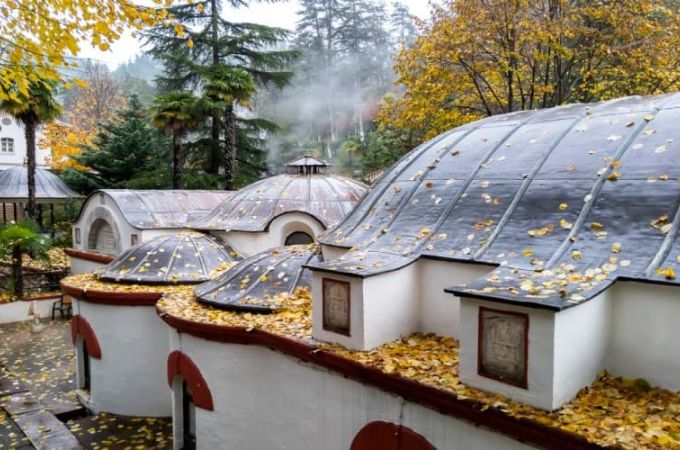
Pamukkale remains open.
Antalya and coastal regions continue receiving visitors.
The areas where timing deserves greater care are primarily religious sites and meal planning.
Museums generally operate according to institutional schedules.
Active mosques operate according to worship needs.
Restaurants may behave differently around iftar.
The overall sightseeing structure therefore remains remarkably easy.
This is why Ramadan should rarely be a reason to postpone a Turkey trip by itself.
Guided Touring Can Actually Make Ramadan Easier to Understand
Ramadan is one of those cultural periods where having a knowledgeable local guide can add information that a monument-only itinerary misses.
Why are certain bakeries crowded now?
Why has a restaurant laid every table but nobody is eating?
Why are people gathering outside a mosque?
Why are streets quieter at one hour and busier later?
A good guide can explain these details naturally as part of the day rather than delivering a lecture on religion.
Travelers interested in that cultural dimension can consider Turkey cultural discovery tours, where everyday practices can be understood alongside major sightseeing rather than isolated inside a standalone religious excursion.
The Late Afternoon Can Feel Slower
This is worth planning around.
People who are fasting have gone many hours without food or water by late afternoon.
Businesses continue operating, but energy can shift.
Traffic can also become more intense as iftar approaches, particularly when people are heading home or meeting family.
If you are scheduling a long road transfer, airport journey or important appointment near sunset, allow margin.
This does not mean transportation stops.
It means the city may be moving with a shared deadline that you are not personally experiencing.
A fifteen-minute buffer is far more useful than irritation inside a vehicle.
Dining Before Iftar Can Sometimes Be Easier Than Dining at Iftar
Travelers often assume joining the exact sunset meal will produce the most “authentic” Ramadan dinner.
Sometimes it does.
Sometimes it produces a restaurant working at maximum pressure.
If you genuinely want to experience an iftar menu, book it intentionally.
If you simply want dinner, consider eating earlier or later.
This prevents you from competing for tables with families for whom iftar is an important social or religious moment.
The stronger travel decision depends on what you want from the evening.
Not every tourist dinner needs to become a cultural event.
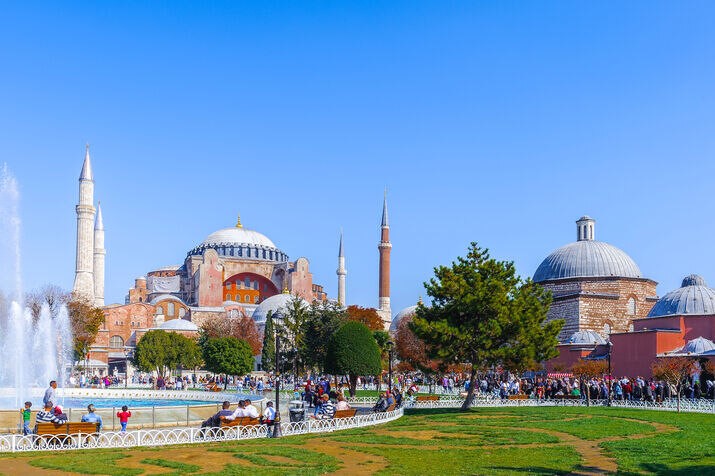
Ramadan Can Be Especially Interesting for Food-Focused Travelers
The month changes not only when people eat but often what appears on tables.
Ramazan pidesi becomes prominent.
Iftar menus may emphasize soup, dates, olives, traditional dishes and desserts.
Regional differences still matter enormously.
Istanbul’s Ramadan table is not the only version of Turkish Ramadan food.
Travelers moving through different parts of the country may encounter different dishes and local traditions.
This blog should not become a Ramadan recipe guide; that belongs elsewhere.
The practical point is simply that food becomes more culturally visible because timing gives it meaning.
Do Not Photograph People Breaking Their Fast Like a Spectacle
This belongs firmly inside respectful travel behavior.
A large iftar gathering can look visually interesting.
Tables may fill public spaces.
Food arrives.
Everyone waits for sunset.
Then the meal begins.
That does not mean individual diners have agreed to become subjects in your travel photography.
Wide public scenes may be one thing, while moving directly toward strangers and photographing them as they begin eating after a full day of fasting is another.
Ask when appropriate.
Keep distance where necessary.
A memorable cultural scene does not entitle the visitor to every photograph.
Ramadan and Ramazan Bayrami Are Not the Same Thing
This distinction is essential for travel planning.
Ramadan is the month of fasting.
At its conclusion comes Ramazan Bayramı, known internationally as Eid al-Fitr.
The holiday period creates a different travel environment.
Domestic travel can increase significantly as people visit family or take holidays.
Transportation and hotels may experience stronger demand.
Government offices and businesses can follow holiday arrangements.
This is a separate search intent from traveling during the fasting month itself.
If your dates fall around the transition into Bayram, check your itinerary more carefully because the operational effect can be greater than during an ordinary Ramadan day.
Domestic Travel Around Bayram Needs Earlier Planning
Ramadan itself does not automatically make domestic travel difficult.
The end-of-Ramadan holiday can.
Families may travel between cities, highways can become busier, flights and buses can experience stronger demand, and accommodation in leisure destinations may fill differently.
Therefore, anyone whose Turkey journey overlaps Ramazan Bayramı should secure major transport earlier rather than assuming standard availability.
This is particularly relevant when your itinerary relies on domestic flights between Istanbul, Cappadocia, Izmir or coastal regions.
The religious celebration becomes a logistics issue only because large numbers of people are traveling at the same time.
Resort Turkey Can Feel Almost Unchanged
If you are staying inside a major resort in Antalya, Belek, Bodrum or another international tourism area, Ramadan may have relatively little direct effect on the guest experience.
Food service continues.
Pools operate.
Bars follow hotel policy.
Excursions continue.
This can surprise visitors who expected obvious signs of fasting everywhere.
That does not mean the month is culturally unimportant.
It means the tourism environment is operating for a mixed international clientele.
Travelers wanting to experience more visible Ramadan traditions may need to leave the resort environment and spend time in a nearby town or city.
Conservative Areas Require Awareness, Not Anxiety
Travel writing sometimes presents conservative towns as though tourists need an entirely separate behavioral rulebook.
That is unnecessary.
Dress appropriately for the setting.
Do not flaunt food immediately beside people gathered around a mosque.
Do not become intoxicated in places where such behavior would obviously be inappropriate.
Speak respectfully.
These are ordinary travel skills.
You do not need to spend the day worried that every glass of water is offending someone.
Most people understand perfectly well that visitors may not be fasting.
Respect is about context, not imitation.
Families Can Travel Easily During Ramadan
Families generally do not need to alter a Turkey trip significantly.
Children are not expected to participate in a religious fast simply because they are visitors, and family-oriented tourism infrastructure remains available.
The biggest consideration is meal timing.
Young children may need dinner before popular restaurants begin their iftar service or become crowded.
That can actually make an earlier family meal easier.
In Istanbul, an evening walk after sunset can also become a memorable family experience because public spaces may become especially lively.
The trick is allowing children to experience the atmosphere without forcing them through a late-night schedule designed for adults.
Ramadan Can Improve a Cultural Turkey Trip if You Let It
Some travelers discover their dates overlap Ramadan and immediately ask whether they should reschedule.
Usually, there is no need.
For culturally curious visitors, the month can actually add another layer to the journey.
You see how a secular republic with a Muslim-majority population accommodates different levels of religious observance.
You notice how restaurants prepare for sunset.
You hear drums before dawn.
You see mosque courtyards fill.
You discover that a tourism district can feel almost unchanged while another neighborhood follows a completely different daily rhythm.
Travelers building a broader itinerary during the month can use Ramadan Turkey tour itineraries to arrange sightseeing around the normal operation of the country rather than treating the religious calendar as a disruption.
The Best Approach Is to Notice Ramadan Without Making It About You
This may be the most useful principle in the entire article.
You are not expected to fast.
You do not need to avoid restaurants.
You do not have to change your entire wardrobe.
You do not need to behave as though Turkey has stopped normal life for a month.
Instead, pay attention.
Notice how the afternoon feels.
Notice the bread queues.
Notice the silence before a table begins eating and the sudden movement immediately afterward.
Notice how mosques change after dark.
Ask respectful questions when conversation allows it.
Ramadan is not an obstacle inserted into your Turkey trip.
It is part of the country’s living culture happening while you happen to be there.
For a thoughtful traveler, that can make the journey richer rather than more complicated.
Frequently Asked Questions About Visiting Turkey During Ramadan
1. Can tourists eat during the daytime in Turkey during Ramadan?
Yes. Tourists are not expected to fast, and restaurants remain open in many cities and tourism areas. The respectful approach is simply to consider context, particularly around active mosques or strongly observant neighborhoods where public eating may feel more conspicuous.
2. Are restaurants closed in Turkey during Ramadan?
Not generally. Major tourism destinations, hotels and many city restaurants continue operating during daylight hours, although individual businesses may choose different schedules. Restaurant demand often increases sharply around sunset when people gather for the iftar meal.
3. Does Ramadan affect sightseeing in Istanbul?
Most sightseeing can continue normally, although active mosques may have visitor restrictions around prayer and evening religious activity. Museums and historical attractions follow their own schedules, making Ramadan considerably less disruptive to Istanbul sightseeing than many first-time travelers expect.
4. Can visitors join an iftar meal?
Yes, particularly when invited by friends, hosts or local contacts, and many restaurants also offer organized iftar menus. Visitors do not need to have fasted beforehand, although arriving on time and respecting the significance of the meal is appropriate.
5. Is alcohol available in Turkey during Ramadan?
Alcohol remains available in many licensed hotels, restaurants and bars, particularly in major cities and tourism areas. Availability and atmosphere vary by establishment and neighborhood, so travelers should respond to the setting rather than expecting the same environment everywhere.
6. Do hotels serve breakfast during Ramadan?
Hotels serving international and domestic travelers generally continue providing breakfast according to their normal guest service arrangements. Some properties may also offer special Ramadan or iftar services, particularly where there is demand from fasting guests.
7. Is it disrespectful to drink water in public during Ramadan?
Visitors are not expected to avoid drinking water, especially while sightseeing or during warm conditions. Basic discretion is sensible in conservative settings or directly around fasting groups, but maintaining your health is more important than attempting to imitate religious fasting.
8. What is Ramazan pidesi?
Ramazan pidesi is a soft Turkish bread particularly associated with Ramadan and commonly bought fresh before iftar. Bakery queues near sunset are part of the month’s everyday atmosphere, making the bread one of the easiest Ramadan traditions for visitors to experience.
9. What are the Ramadan drums I may hear before sunrise?
Traditional Ramadan drummers still walk through some Turkish neighborhoods before dawn to wake residents for sahur, the meal eaten before fasting begins. Visitors staying in residential areas may hear them, although the custom is not equally noticeable everywhere.
10. Is Ramadan a good time for families to visit Turkey?
Yes. Tourism infrastructure generally operates normally, and children are not expected to fast. Families should mainly consider restaurant crowds around iftar and whether very late evening activities suit younger children, while otherwise continuing their normal sightseeing plans.
11. Is Ramadan the same as Ramazan Bayrami?
No. Ramadan is the month of fasting, while Ramazan Bayramı is the holiday celebrated at the end of the month. The holiday can have a greater effect on domestic transportation and business schedules because many people travel or visit family.
12. What is the biggest mistake tourists make during Ramadan in Turkey?
The biggest mistake is assuming either that nothing changes or that normal tourism stops completely. Turkey remains highly functional during Ramadan, but travelers gain much more from noticing meal timing, mosque activity, local variation and the social importance of sunset.

A travel professional specializing in tailor-made travel planning, guest experience management, and multi-destination tourism operations.
With over 23 years of experience in the travel industry, he designs and manages private and cultural tours for international travelers across Türkiye, Greece, Egypt, Jordan, Morocco, and other destinations.
He has strong expertise in both online and face-to-face guest communication, sales processes, and end-to-end travel operations.
Working closely with hotels, travel agencies, and local partners, he ensures smooth coordination and high-quality travel experiences at every stage of the journey.
His focus is on delivering personalized, reliable, and seamless travel experiences for international guests worldwide.