Istanbul Weather in June: Early Summer & Bosphorus Evenings
Last Updated: August 9, 2026
June changes Istanbul's centre of gravity.
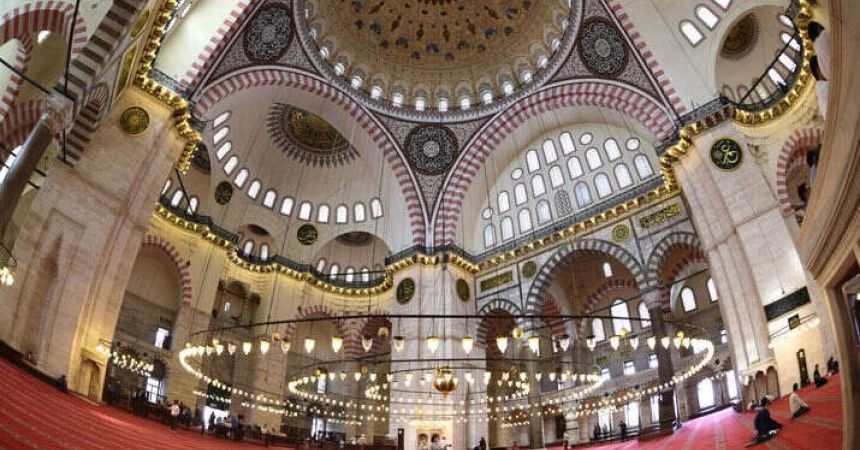
The monuments have not become less important. Hagia Sophia still deserves time, Topkapı Palace still contains more history than a hurried visit can absorb, and the streets around Sultanahmet remain the obvious starting point for many first-time travellers.
Yet the city begins leaning towards the water.
Ferries become more tempting. Waterfront neighbourhoods hold attention longer. Dinner moves later, evening walks become easier to extend, and the Bosphorus starts functioning as more than scenery between historical attractions.
This is early summer in Istanbul.
The useful question is no longer simply whether June is warm.
It usually offers plenty of opportunities for warm-weather sightseeing, although individual conditions naturally vary.
The more interesting question is what travellers should do differently once Istanbul begins living outside for much more of the day.
The answer starts at the water.
Follow the Water Out of the Old City
A first-time visitor could spend several days in Istanbul without ever running short of important historical interiors.
June gives you a reason not to.
After a substantial morning in Sultanahmet, allow the route to descend towards Eminönü rather than immediately travelling to another major attraction.
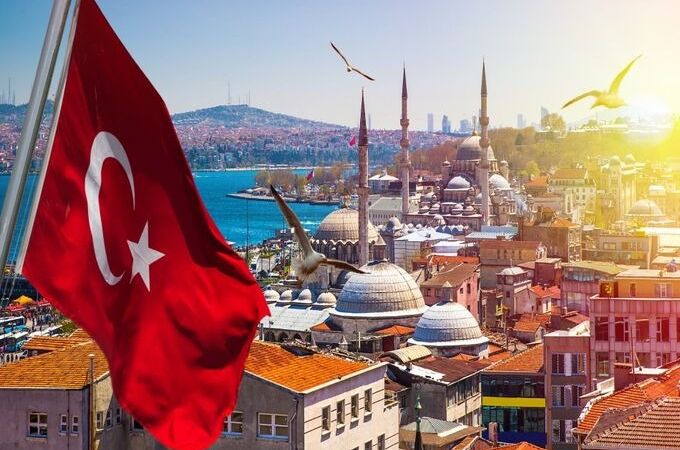
The atmosphere changes as you approach the Golden Horn and Bosphorus.
Ferries appear.
Bridges connect different parts of the city.
The skyline begins making more sense because you can finally see how Istanbul's hills, mosques and neighbourhoods relate to the water beneath them.
This transition is particularly valuable in June because outdoor movement increasingly feels like part of the destination rather than the space between destinations.
The Bosphorus Becomes a Planning Tool
During colder months, travellers often ask whether conditions will be comfortable enough for meaningful time on the water.
June reverses the question.
The Bosphorus can become one of the places that makes a warm sightseeing day feel more varied.
That does not mean every ferry deck will feel cool or that summer sunshine becomes irrelevant once you board a boat. Exposed areas can still receive substantial sun, and calm periods may feel warmer than travellers expect.
But movement on the water, changing views and the possibility of a breeze create a completely different experience from spending the same period among dense inland streets.
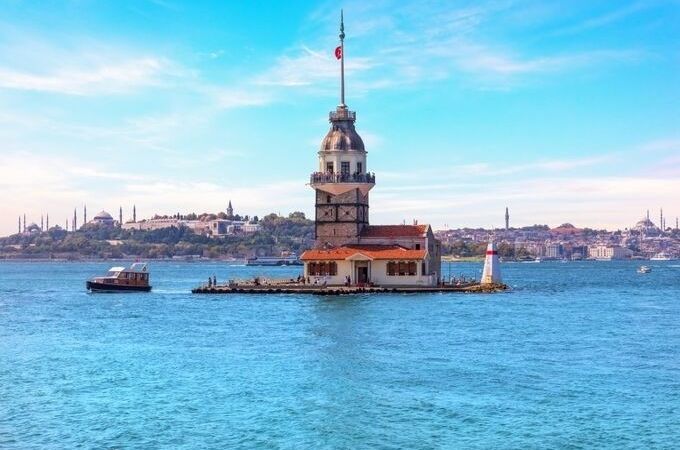
Travellers wanting to make the strait a larger part of the itinerary can explore Istanbul Bosphorus tours, particularly when the objective is seeing the city as a geographical whole rather than treating the water as a background for photographs.
June Has Two Istanbuls
One is made from stone.
The other reflects in water.
| Stone Istanbul | Water Istanbul |
|---|---|
| Sultanahmet monuments | Bosphorus |
| Palace courtyards | Ferry decks |
| Historic streets | Waterfront promenades |
| Markets | Seaside neighbourhoods |
| Hills | Shorelines |
| Architectural detail | Skyline views |
| Concentrated sightseeing | Visual breathing space |
A strong June itinerary moves between both.
Spend the entire day only among major monuments and you may eventually feel the intensity of the city.
Spend it entirely beside the water and you miss much of the history that makes the skyline meaningful.
June works best when the two versions alternate.
Stronger Sunshine Changes the Rules
June's progression towards summer brings a factor that spring travellers can underestimate.
Sun exposure.
A temperature that seems comfortable on paper can feel quite different after several hours in direct sunshine, particularly in open courtyards, exposed archaeological or historical spaces and waterfront locations with limited shade.
This does not require turning June into a heat-management article.
July will own that problem more strongly.
In June, the adjustment is simpler.
Respect the sun before it becomes uncomfortable.
Carry water.
Use sunscreen and appropriate sun protection.
Take advantage of shade when it appears.
Do not wait until you feel overheated before deciding that lunch might be useful.
Early summer works best when small adjustments prevent the weather from becoming the main story.
The Midday Migration
There is a natural June movement that good itineraries can exploit.
History → lunch → water.
Spend the fresher part of the day on concentrated cultural sightseeing.
Allow lunch to slow the pace.
Then change environment.
This could mean a ferry, a Bosphorus experience or a waterfront neighbourhood rather than another long sequence of major interiors.
The day has not become less cultural.
It has changed texture.
That distinction matters in Istanbul, where trying to maintain the same sightseeing intensity from breakfast until dinner can become exhausting even when the weather is technically pleasant.
Don't Treat Every Ferry as Transportation
Istanbul has one of the world's great urban advantages.
Public transportation can be beautiful.
A ferry does not merely remove the need to drive around the water. It gives travellers a moving viewpoint from which minarets, palaces, modern districts, bridges and hills begin arranging themselves into a comprehensible city.
June makes it easier to enjoy that journey rather than simply endure it between destinations.
Step outside when conditions are comfortable.
Sit.
Watch.
There is no requirement to photograph every landmark.
Sometimes understanding Istanbul means allowing it to move past you.
Kadıköy Becomes an Afternoon, Not an Excursion
The Asian side benefits enormously from June's long days.
Crossing to Kadıköy no longer needs to carry the anxiety that you are spending valuable sightseeing time away from the historical centre.
There is time.
Explore the market streets.
Eat.
Walk without a monument at the end of the route.
Stay until the atmosphere changes towards evening.
The ferry back can become another experience entirely as the light softens.
This is where June starts distinguishing itself from May.
May gives you a long, flexible day.
June increasingly teaches you what to do with the later part of it.
Stay outside.
Üsküdar Works Differently
Kadıköy often pulls travellers into streets, food and neighbourhood life.
Üsküdar keeps drawing the eye back towards the water.
That makes it particularly useful when a June itinerary needs visual space after an intensive historical morning.
The European skyline appears across the Bosphorus, ferries continually change the foreground, and the city feels simultaneously enormous and surprisingly connected.
Again, the water is doing more than providing scenery.
It is reorganising the experience.
June's Waterfront Ladder
Not every water-based experience needs the same amount of time.
| Level | Experience | Best For |
| 1 | Short ferry crossing | First Bosphorus perspective |
| 2 | Waterfront walk | Slower city observation |
| 3 | Asian-side afternoon | Neighbourhood + water |
| 4 | Dedicated Bosphorus experience | Understanding city geography |
| 5 | Waterfront evening | Experiencing Istanbul after sightseeing |
A visitor does not need all five in one day.
Spread them through the trip.
The Bosphorus works better as a recurring presence than a single item crossed off a list.
June Evenings Deserve Protection
One of the easiest itinerary mistakes is spending all available energy before dinner.
June gives Istanbul long evenings, and those hours can become some of the most enjoyable of the trip.
The strongest light has softened.
The city's daytime urgency begins changing.
Restaurants and waterfront areas become increasingly attractive, while ferry crossings can feel completely different from their midday versions.
Protect some energy for this.
A traveller who completes twelve attractions but returns exhausted to the hotel at 6:00 PM may technically have seen more Istanbul while experiencing less of June.
Early June and Late June Tell Slightly Different Stories
June naturally moves towards stronger summer conditions as the month progresses, although weather never follows a perfectly identical schedule from year to year.
Early June may retain more of spring's softness.
Later June increasingly introduces the warmth and stronger sunshine associated with the summer season.
This does not require separate itineraries.
It requires awareness.
Later in the month, shade, hydration and sensible pacing become increasingly valuable, particularly during long outdoor periods.
The month is moving somewhere.
July is waiting.
Is June Already Peak Summer?
Not quite in the way this cluster will define it.
That distinction is important.
July will own the question of how heat and humidity influence urban sightseeing. August will deal with peak-summer pacing and how to keep Istanbul enjoyable when warm conditions dominate the daily strategy.
June owns the transition before those concerns become central.
It is the month when summer expands opportunity before it starts demanding more significant compromise.
Travellers can explore Istanbul summer tours while still building days around broad sightseeing variety rather than organising the entire programme primarily around avoiding the warmest hours.
The Sea Is Not the Reason to Visit
Istanbul is not a conventional beach destination, and June should not be written as though it were.
The Bosphorus matters for a different reason.
It gives the city space.
After hours inside historical districts, the water opens the view.
After walking, a ferry lets you continue exploring while sitting down.
After an intense morning, the waterfront changes the pace without ending the day.
And after dinner, the strait can keep travellers outside long after the formal itinerary has finished.
That is why June belongs to the water.
Beyond Istanbul, Don't Copy the Forecast
Travellers continuing through Turkey should remember how dramatically regional conditions can vary.
A June forecast for Istanbul does not describe Cappadocia, Ephesus, the Mediterranean coast or inland Anatolia.
Those combining the city with other destinations through Turkey coastal journeys should therefore pack and plan for the complete route rather than extrapolating Istanbul's early-summer conditions across the country.
The same principle applies within Istanbul itself.
Sheltered historical streets, open ferry decks and sunny waterfronts can feel different during the same afternoon.
June's Rule Is Simple: Return to the Water
When the historical centre begins feeling intense, return to the water.
When your feet need a break, take a ferry.
When the afternoon needs a different mood, cross continents.
When the strongest sunshine begins softening, find the waterfront again.
And when you think the sightseeing day has finished, look at how much light remains.
May gives Istanbul time.
June gives that time a direction.
The June Shade Economy
By June, Istanbul develops another currency.
Shade.
You do not need to chase it all day, and most visitors should not design an entire itinerary around avoiding sunshine. Yet after an hour crossing open squares, palace courtyards or waterfront spaces, the value of a shaded street suddenly becomes obvious.
The smartest June traveller does not hide from the sun.
They spend exposure carefully.
Some Attractions Cost More Sunshine Than Others
Two activities lasting ninety minutes can have completely different effects.
A historical interior broken by courtyards may provide natural pauses. A long exposed walk beside the water can place you in direct sunshine for much of the same period.
This is why temperature alone does not tell you how demanding a June itinerary will feel.
You also need to consider exposure.
| Experience | Typical Sun Exposure | June Strategy |
|---|---|---|
| Historic interiors | Low | Useful during brighter periods |
| Palace courtyards | Medium–High | Take shade when available |
| Open squares | High | Avoid unnecessary standing |
| Covered markets | Very Low | Natural change of environment |
| Waterfront walking | High | Sun protection matters |
| Ferry crossing | Variable | Choose shade or open deck |
| Neighbourhood streets | Variable | Route can naturally alternate |
The goal is not selecting only low-exposure experiences.
That would remove too much Istanbul.
Instead, alternate.
Spend Morning Sunshine on Something Worthwhile
Morning is not valuable simply because it may feel fresher.
It is valuable because travellers are fresher.
Use that combination for experiences requiring attention and movement rather than wasting the first part of the day on unnecessary transfers or an excessively long breakfast.
If a major outdoor historical area matters to you, morning can be a sensible place for it.
Later, when the sun becomes stronger, Istanbul offers plenty of ways to change environment without ending the sightseeing day.
Borrow Shade From the City
You do not always need an air-conditioned building.
A mosque courtyard.
A covered market.
A narrow street.
A café awning.
A tree-filled park.
Even the shaded side of a street can change how comfortable a route feels.
June sightseeing improves when travellers start noticing these small environmental differences rather than waiting until they feel hot enough to require a major break.
A ten-minute shaded pause can be more useful than an unnecessary hour back at the hotel.
Lunch Is Your Largest Shade Purchase
June lunch deserves strategic respect.
Not because you must eat at a particular time, but because the meal naturally removes you from prolonged outdoor exposure during part of the day.
Use it well.
Sit properly.
Drink water.
Allow the pace to drop.
Then return outside feeling as though the afternoon is a second day rather than the exhausting continuation of the first.
This is especially useful when the morning has included extensive walking.
The Worst Purchase: Standing in Full Sun for No Reason
Walking towards something interesting is one thing.
Standing exposed while deciding what to do next is another.
June punishes indecision more than activity.
Know roughly where you are going before leaving an attraction. If the group needs ten minutes to discuss lunch, do it somewhere shaded. If you are waiting for transportation, use whatever shelter is available.
These tiny decisions sound trivial.
Across a full sightseeing day, they accumulate.
Shade Does Not Mean Indoors
This distinction prevents June from becoming a July-style heat-management article.
You can remain completely engaged with outdoor Istanbul while reducing unnecessary exposure.
Choose a tree-lined section of a park.
Walk the shaded side of a street.
Sit under cover beside the water.
Take the lower-exposure part of a ferry when you have already spent several hours in direct sunshine.
You are still outside.
You are simply using the city intelligently.
What About Sun Protection?
Treat it as routine rather than emergency equipment.
Sunscreen, sunglasses, suitable clothing and a hat can be useful depending on personal preference and the amount of time spent outdoors.
Do not let a comfortable breeze convince you that direct sunshine no longer matters.
This is particularly relevant around the Bosphorus, where moving air can make conditions feel comfortable while exposure continues.
Comfort and UV exposure are not the same measurement.
The Cloudy June Trap
A cloudy day may feel like permission to forget about the sun entirely.
That is not a particularly good strategy.
Cloud cover can change throughout the day, and UV exposure does not disappear simply because the sky looks less dramatic.
At the same time, cloudy periods can be excellent for longer walks because direct sunshine feels less intense.
Use them.
June rewards travellers who respond to conditions rather than to the season's reputation.
Build a Shade Rhythm
A good June day might naturally look like this:
outdoor history → interior → walking → shaded lunch → ferry → neighbourhood → café → waterfront evening.
Notice that sightseeing never stops.
Exposure simply rises and falls.
That rhythm is more useful than attempting to spend the entire day either outdoors or indoors.
Istanbul supplies both environments within remarkably short distances.
June Is Not Yet About Hiding From Heat
This distinction matters for the 12-month cluster.
July will ask how travellers should reorganise Istanbul when hotter, more humid conditions begin having greater influence over the day's pace.
June asks a lighter question:
How can you enjoy the arrival of summer without spending your energy unnecessarily?
The answer is not complicated.
Use shade before you desperately need it.
Drink before you become noticeably thirsty.
Sit occasionally before your feet demand it.
Let lunch slow the day.
Then return to the Bosphorus when the afternoon begins changing.
Shade is valuable in June precisely because you do not need to live in it.
Spend it well, and the rest of the city stays open.

A travel professional specializing in tailor-made travel planning, guest experience management, and multi-destination tourism operations.
With over 23 years of experience in the travel industry, he designs and manages private and cultural tours for international travelers across Türkiye, Greece, Egypt, Jordan, Morocco, and other destinations.
He has strong expertise in both online and face-to-face guest communication, sales processes, and end-to-end travel operations.
Working closely with hotels, travel agencies, and local partners, he ensures smooth coordination and high-quality travel experiences at every stage of the journey.
His focus is on delivering personalized, reliable, and seamless travel experiences for international guests worldwide.